
updated March 1, 2023
Daylight Saving Time
Depending on where you live, you may need to remember to spring forward into Daylight Saving Time
Most of the United States will change to Daylight Saving Time on Sunday March 12, 2023 by setting your clock one hour ahead-unless your device changes automatically. If you have to awaken at a specified time, you will “lose” an hour of sleep.
Your body will tell the difference until your sleep cycle adjusts; I know mine always does. WebMD offers these tips to make the change easier.
St. Patrick’s Day
Of course you know that March 17 is St. Patrick’s Day.
In Chicago, Illinois, they dye the river green to celebrate (photo by my son Ryan).

Welcome Spring
We will welcome the first day of Spring, March 20, in the northern hemisphere, with the occurrence of the vernal equinox.

Health Tips for Spring You Must Know
Daylight Saving Time and the arrival of spring with the vernal equinox,brings increased daylight until summer solstice. It’s wise to be proactive in avoiding dangerous spring and summer weather conditions that can turn deadly.
Keep readingResidents’ Match Day
In 2023, St. Patrick’s Day is also Residency Match Day. No, not the kind of match you light fires with.
It’s the day graduating medical students find out what residency program they will join through the National Resident Matching Program , which “matches” them with available positions in residencies all over the United States.
Why should you care? This matching process determines who will care for our medical needs in the next 30-40 years; our family physicians, internists, pediatricians, general surgeons, obstetricians, dermatologists, psychiatrists, and the multitude of other medical specialties. Most doctors will continue in the same specialty their entire career, although some switch after a few or many years.

The surprising new doctors caring for you
Who will be your next doctor? What will your future doctor look like?
Your doctor within the next 10-20 years is likely in medical school or a residency program in a United States medical center right now. Within 1-10 years, they will join the ranks of practicing physicians, while some currently in practice will change…
Keep readingNational Doctor’s Day
March 30 has been designated National Doctor’s Day in the United States. You may not have heard of a day to honor doctors.
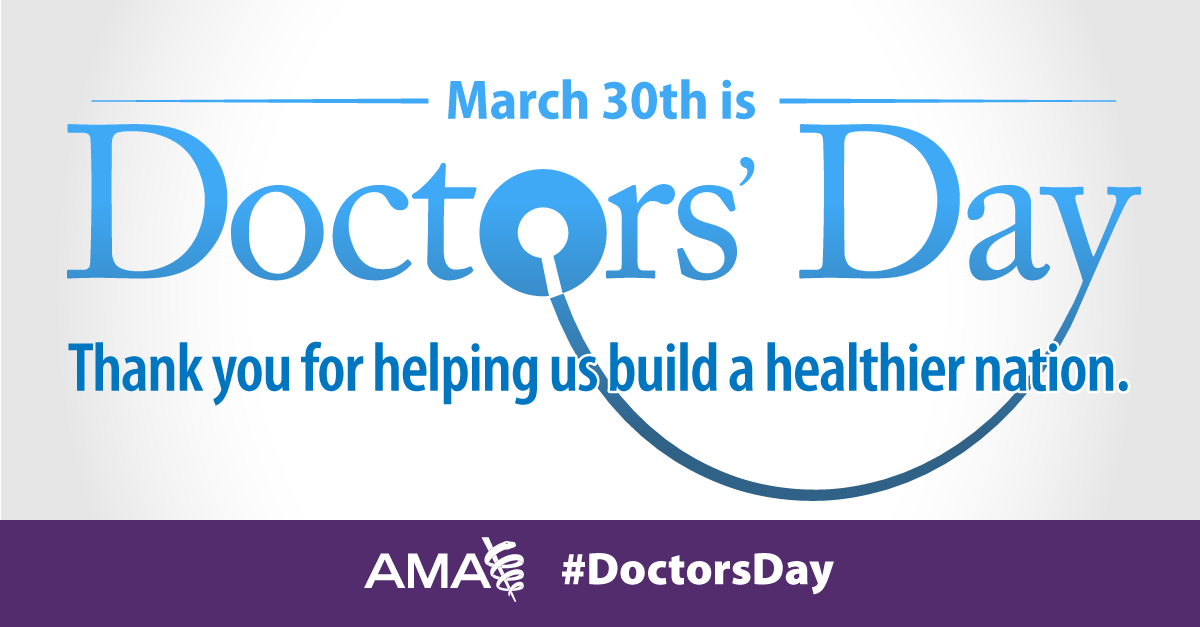
The first Doctors’ Day observance was March 30, 1933, in Winder, Georgia. The idea came from a doctor’s wife, Eudora Brown Almond, and the date was the anniversary of the first use of general anesthetic in surgery(although several other dates also claim that distinction.)
The Barrow County (Georgia) Medical Society Auxiliary proclaimed the day “Doctors’ Day,” which was celebrated by mailing cards to physicians and their wives and by placing flowers on the graves of deceased doctors.
In 1990, the U.S. Congress established a National Doctors’ Day first celebrated on March 30, 1991.
Vietnam War Veterans Day
In my home we observe not only Doctor’s Day, but also Vietnam War Veterans Day, because my husband is one.
Vietnam War Veterans Day commemorates the sacrifices of Vietnam veterans and their families ,part of a national effort to recognize the men and women who didn’t receive a proper welcome upon returning home more than 40 years ago.

The Vietnam War Veterans Recognition Act, signed into law in 2017, designates March 29 of each year as National Vietnam War Veterans Day.
On that day in 1973, the last combat troops were withdrawn from Vietnam and the last prisoners of war held in North Vietnam arrived on American soil. It is also the date President Nixon chose for the first Vietnam Veterans Day in 1974.
Read about an actual event in the Vietnam War, written by my husband Raymond-he knows, because he was there.
Battle for Tra Bong Vietnam: Events and Aftermath Kindle Edition
And Madness at the Hoops
And yes sports fans, the NCAA Division 1 Men’s and Women’s Basketball tournaments, aka March Madness,occurs in March. 68 teams of each will play to determine the National Collegiate Athletic Association Division I college basketball national champions for the 2022–23 season.
Like many of you, I will be following my favorite teams. Good luck everyone.
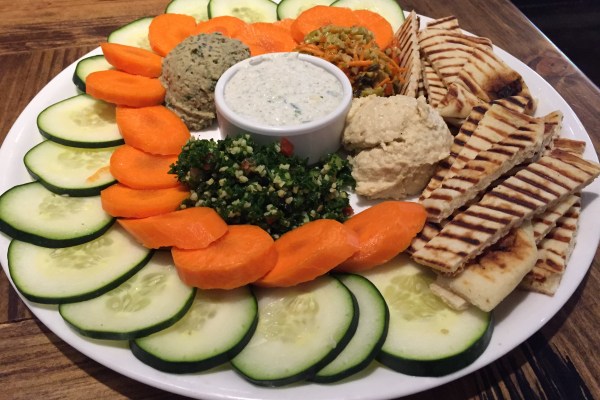
exploring the HEART of health in the spring
I’d love for you to follow this blog. I share information and inspiration to help you transform challenges into opportunities for learning and growth.
Add your name to the subscribe box to be notified of new posts by email. Click the link to read the post and browse other content. It’s that simple. No spam.
I enjoy seeing who is new to Watercress Words. When you subscribe, I will visit your blog or website. Thanks and see you next time.
Dr. Aletha
- About Dr. Aletha
- How to Use this Site
- Make Your Life Easier
- Search by Category
- Share the HEART of health
- my Reader Rewards Club
- RoboForm Password Manager





 watercress words by Dr Aletha