These blogs open a window into the medical community. You may be surprised that physicians have the same concerns about health and medical care as you , and some that you are unaware of. Most importantly, you will find they are on your side; they care about you,their patients, probably a lot more than you care about them.
updated August 5, 2024
As a blogger, I enjoy reading and supporting other bloggers, especially others who write about health, fitness, nutrition, and medical science.
These bloggers’ viewpoints often surprise and challenge me; I don’t always agree with them and you may not either.
Here is a blog I followed which is now dormant but still available with some interesting topics.
” ‘Alert and Oriented’ is a medical phrase that describes the mental status of a patient who, despite being in serious shock from trauma or disease, maintains clarity of mind and focus of thought.
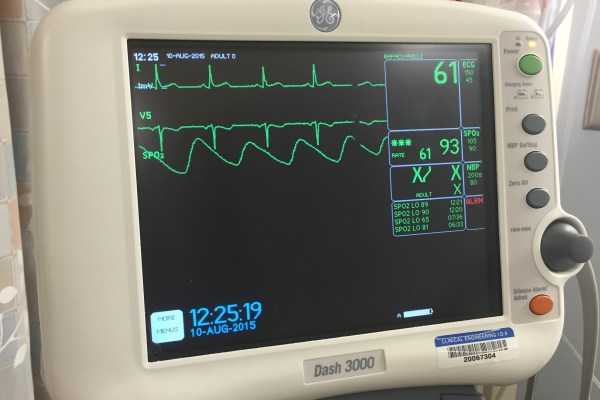
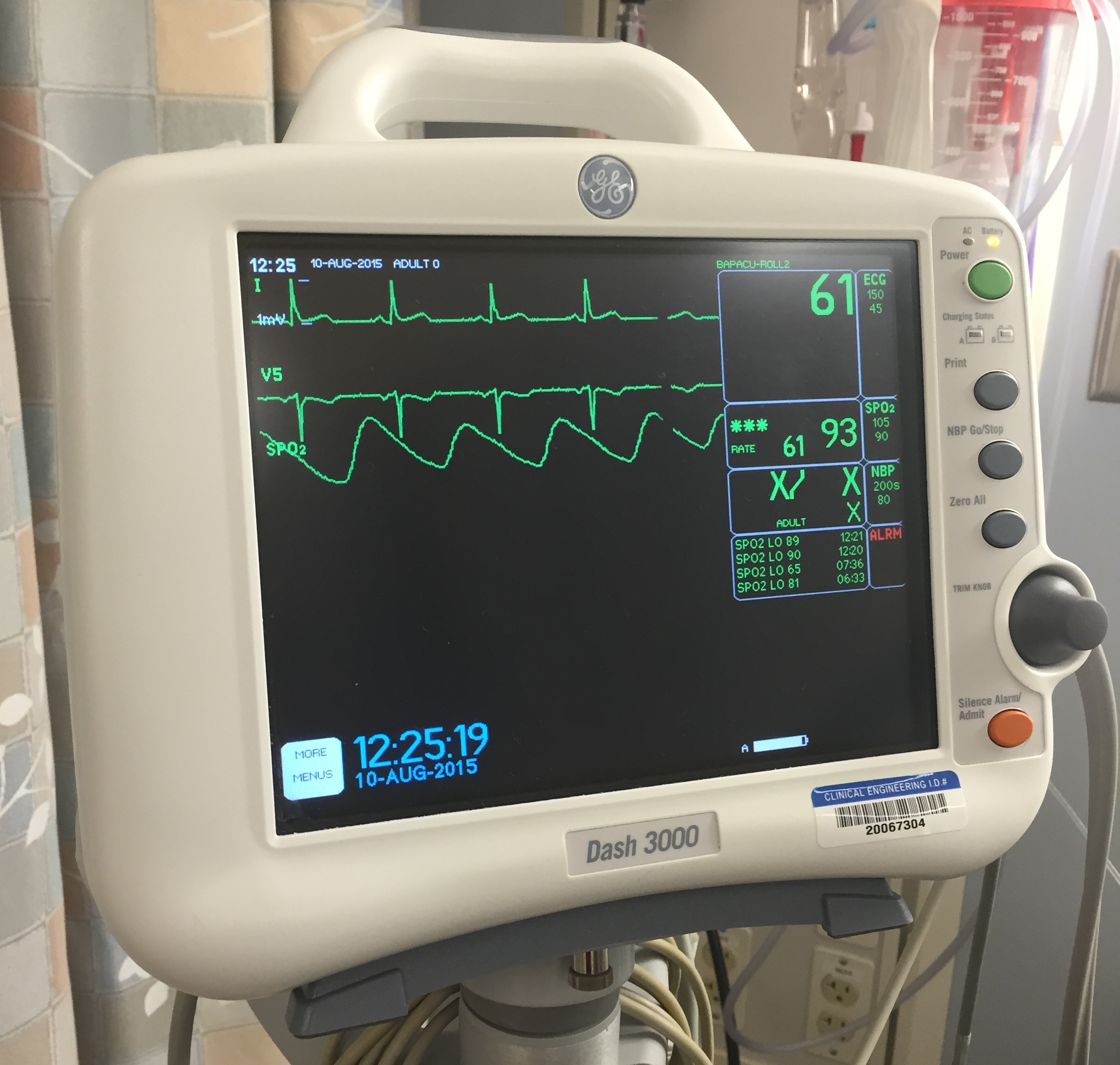
Based on the heart rhythm, this patient is likely alert and oriented.
Dr. Accad blogs about the healthcare system, the doctor-patient relationship, medical ethics, medical economics, and healthcare policy.
Thank you for reading this post. Please follow this blog and me on social media.
I share information and inspiration to help you transform challenges into opportunities for learning and growth.
Add your name to the subscribe box to be notified of new posts by email. Click the link to read the post and browse other content. It’s that simple. No spam.
I enjoy seeing who is new to Watercress Words. When you subscribe, I will visit your blog or website. Thanks and see you next time.
For most of us, a medical emergency, or at least an urgent medical condition, is new, unexpected, worse than usual, uncontrolled, of unknown origin, not responding to treatment, not going away, and interrupts normal life.
However, to physicians and other health care personnel, the definition of an emergency is specific.
An emergent medical condition is one that
Threatens life
Threatens one or more limbs
Threatens vision/hearing/speech/mental function/ function of any major internal organ or organ system
Has the potential, if not treated promptly, to cause death or long term and/or permanent harm.
Minutes matter with heart emergencies
Some examples of conditions that meet this definition are
Acute changes in heart function, like a myocardial infarction (heart attack), arrhythmia (abnormal heart rate or rhythm) or congestive failure (poor pumping capacity)
Acute brain conditions including stroke, head trauma, seizure, psychosis
Pulmonary (lung) dysfunction including pulmonary embolus (blood clot), severe pneumonia, asthma or COPD
Multiple trauma , including large burns or trauma to any major organ
Significant changes in components of the blood; for example high blood sugar, low blood potassium, low platelets
Severe depression
When should you suspect any of these conditions?
The SYMPTOMS of an emergency include
Shortness of breath, or difficulty breathing, especially if not associated with exertion
Uncontrollable bleeding
A seizure, especially in a person with no previous diagnosis of seizures
Sudden or severe loss or difficulty with vision, hearing , speech, or other functions such as swallowing, thinking, walking, passing urine or stool
Fainting, passing out, loss of consciousness
Hallucinations, confusion, thoughts or threats of harm to self or others
In a pregnant woman- any of the above plus loss of fetal movement
You notice that I did not list PAIN and FEVER. Even though these are symptoms that concern patients the most, BY THEMSELVES they do not define an emergent condition. However, if they occur with any of the other symptoms, or are severe, then it is reasonable to call it an emergency.
Chest pain must always be taken seriously, even if mild.
Although in persons under 40 years old it is less likely due to a heart attack, there are other life threatening conditions that can occur in this age group. Again, especially if it is associated with any of the other symptoms, it is emergent.
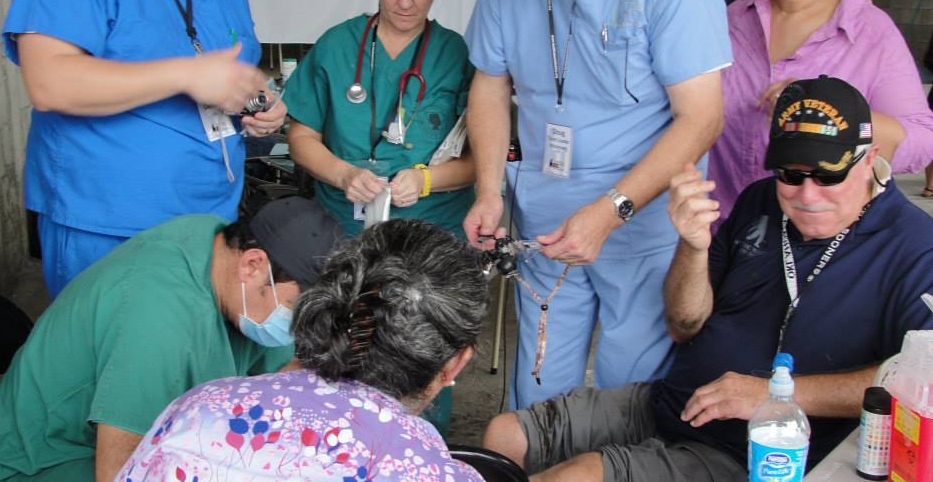
While on a mission trip to Panama, my husband had a near emergency when a board flew into his leg causing a deep gash; a local surgeon was working with our medical team , and with their help he sutured the wound at the small rural church where we were holding clinic; his leg has healed well, just a scar to remind us of the adventure.
So assuming it is an emergency, what do you do now? You do not call your doctor’s office or answering service, your mother, your best friend, or post a question on social media (which I have seen done!)
IN AN EMERGENCY CALL 911!
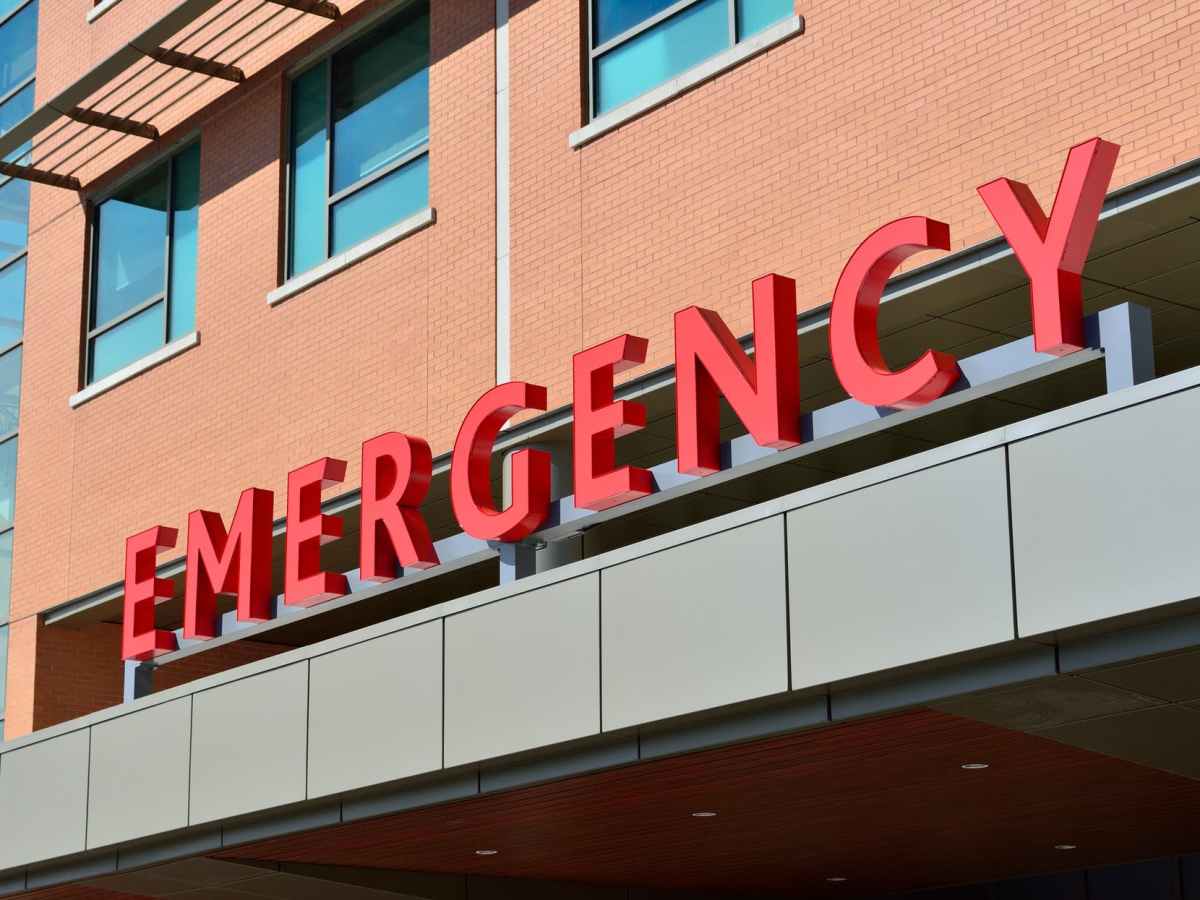
Emergency Room vs. Urgent Care
If it’s not an emergency but is urgent, then the next best options are calling your doctor’s office or going to an urgent care clinic. Posting on social media is still a bad choice. Do you really want your “friends” giving you medical advice about something they know nothing about?
I think it is acceptable to go to an emergency room for problems that are serious but not emergencies. Since an emergency center is staffed 24/7, it should be utilized; there’s no reason to waste our health care resources.
And sometimes it may be your only choice- if your doctor’s office is closed or the schedule full, if you are away from home, or you don’t have a primary care physician.
Just be aware if you go to an emergency room instead of an office, clinic or urgent care facility you may
In this post I review “99 Ways to Die and How to Avoid Them.” Dr. Ashely Alker, an emergency physician, humorously outlines various health risks and preventive measures. Combining personal anecdotes with medical insights, she emphasizes the importance of awareness in avoiding fatal incidents and advises readers to prioritize health habits over misinformation, and seeking…
Thank you for reading this post. Please follow this blog and me on social media.
I share information and inspiration to help you transform challenges into opportunities for learning and growth.
Add your name to the subscribe box to be notified of new posts by email. Click the link to read the post and browse other content. It’s that simple. No spam.
I enjoy seeing who is new to Watercress Words. When you subscribe, I will visit your blog or website. Thanks and see you next time.