Here I’ve posted graphics from my affiliate Lightstock and an invitation to join My Reader Rewards Club.
three things will last forever-
faith, hope, and love.
1 Corinthians 13:13
Lightstock-quality photos and graphics site- here.
(This is an affiliate link)
I’d love for you to follow this blog. I share information and inspiration to help you transform challenges into opportunities for learning and growth.
Add your name to the subscribe box to be notified of new posts by email. Click the link to read the post and browse other content. It’s that simple. No spam.
I enjoy seeing who is new to Watercress Words. When you subscribe, I will visit your blog or website. Thanks and see you next time.
My Reader Rewards Club is a great way to earn free books and Bibles for yourself, friends, and family! Your journey to earning free faith-based products starts HERE. (When you sign up through these links, I can earn free books too.)
As a member, you’ll have access to inspiring literature, Bibles, special promotional offers, and much more. Earning points is easy—you’ll receive 25 points just for signing up!
Use these links to share the heart of health wherever you connect.
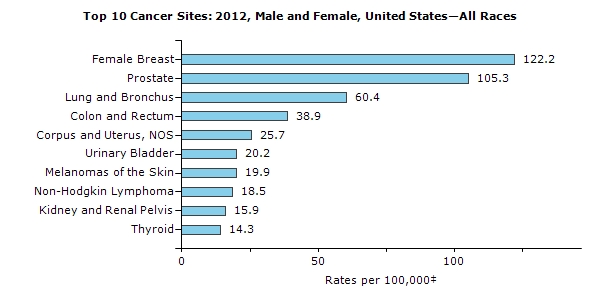
Prostate cancer is to men what breast cancer is to women in the United States-
The number 1 diagnosed cancer in men
The number 2 cause of cancer-related death in men
So, naturally we would like to be able to diagnose it at a stage where the chance for a cure is greatest.
A screening test is a test that is done on a healthy person to detect a disease that is not causing symptoms.
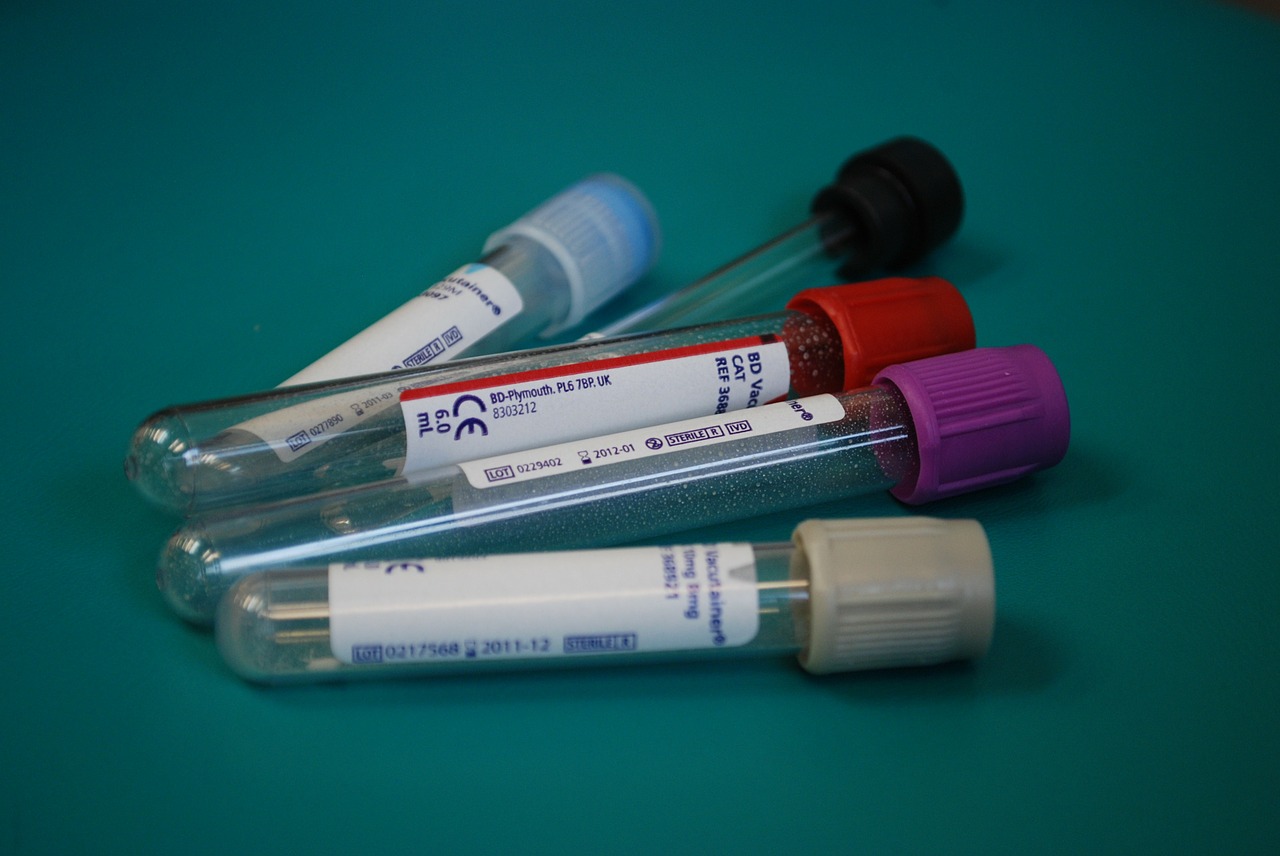
For breast cancer, that is a mammogram. For prostate cancer, it is a fairly simple blood test to measure a chemical called Prostate-specific antigen, or PSA
The blood level of PSA may be high or normal in the presence of cancer. If high, it will decline with treatment.
PSA is a protein produced only by the prostate gland; levels in the blood can be elevated by any disease of the prostate, not just cancer. And, in some cases, it can be normal, even in the presence of cancer.
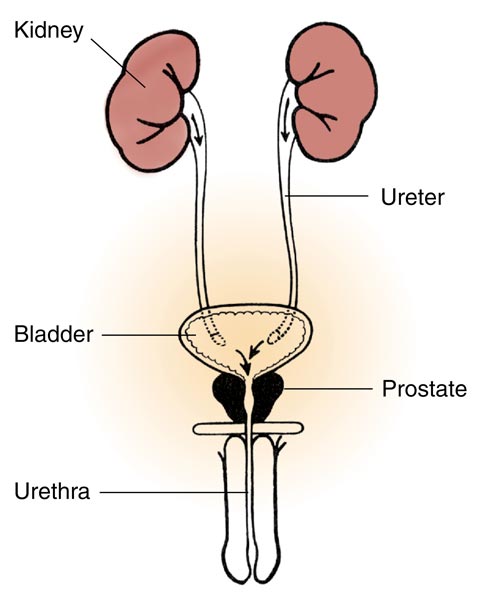
The prostate gland sits just under the bladder in the pelvic area.
Despite the bleak sounding statistics, we know that most prostate cancers grow so slowly that they will never cause death. And, for cases that are discovered and treated, sometimes the treatment can cause complications worse than would have occurred from the cancer.
So, multiple organizations including the American Cancer Society, and the American Urological Association, have issued guidelines for screening. To simplify, I am listing a composite of the recommendations from them and others, since they are all quite similar.
Men under 50 years old- screening not recommended (unless high risk, see below)
Men from age 50 to 70 years old should discuss the benefit versus risk with their physician, and make a decision together
Black men are at higher risk so should discuss screening with their physician at age 45 years.
Men whose father or brother had prostate cancer prior to age 65 years, should begin discussions at age 45 years.
Men age 70 and older do not need screening, because they will unlikely die from prostate cancer.
Finally, any man whose health status suggests a life expectancy of less than 10-15 years does benefit from screening.
The goal for cancer screening, other than merely finding a cancer, is to
increase a person’s chance for cure and survival.
minimize complications of the screening and treatment
In the case of prostate cancer, screening does not seem to accomplish this. But these, like other screening guidelines, are based on current evidence, so must be reviewed regularly and changed based on new information.
“covers every aspect of prostate cancer, from potential causes including diet to tests for diagnosis, curative treatment, and innovative means of controlling advanced stages of cancer.”
Use these links to share the heart of health wherever you connect.







 watercress words by Dr Aletha