via Benediction – Matt Redman(Worship Song with Lyrics) 2013 New Album – YouTube.
from Numbers 6: 24-26, NIVmore music by Matt Redman at Unbroken Praise (affiliate link)

5 Tips to Prevent Kidney Stones
Drink enough water to produce 2-2.5 quarts/liters of urine every day. Recommendations to drink a set amount of water daily do not take into account how much water a person needs, which can vary depending on activity level and other factors. It is more reliable to consider how much urine comes out, or how many times one urinates daily.

Follow this link to an updated version of this post

What you should know to avoid kidney stones
Stones, or urinary tract calculi, don’t usually cause symptoms as long as they stay in the kidney. But if they migrate down into the ureter, the tiny tube that connects the kidneys to the bladder, trouble begins. As the stones try to wiggle their way down the narrow passageway, spasms of pain result; and the…
No, these are not kidney stones but if, like me, you have had one, it probably felt this big.
Almost nothing compares to the agony of kidney stones; it is often compared to the pain of labor and childbirth; I can attest to that, having had both.
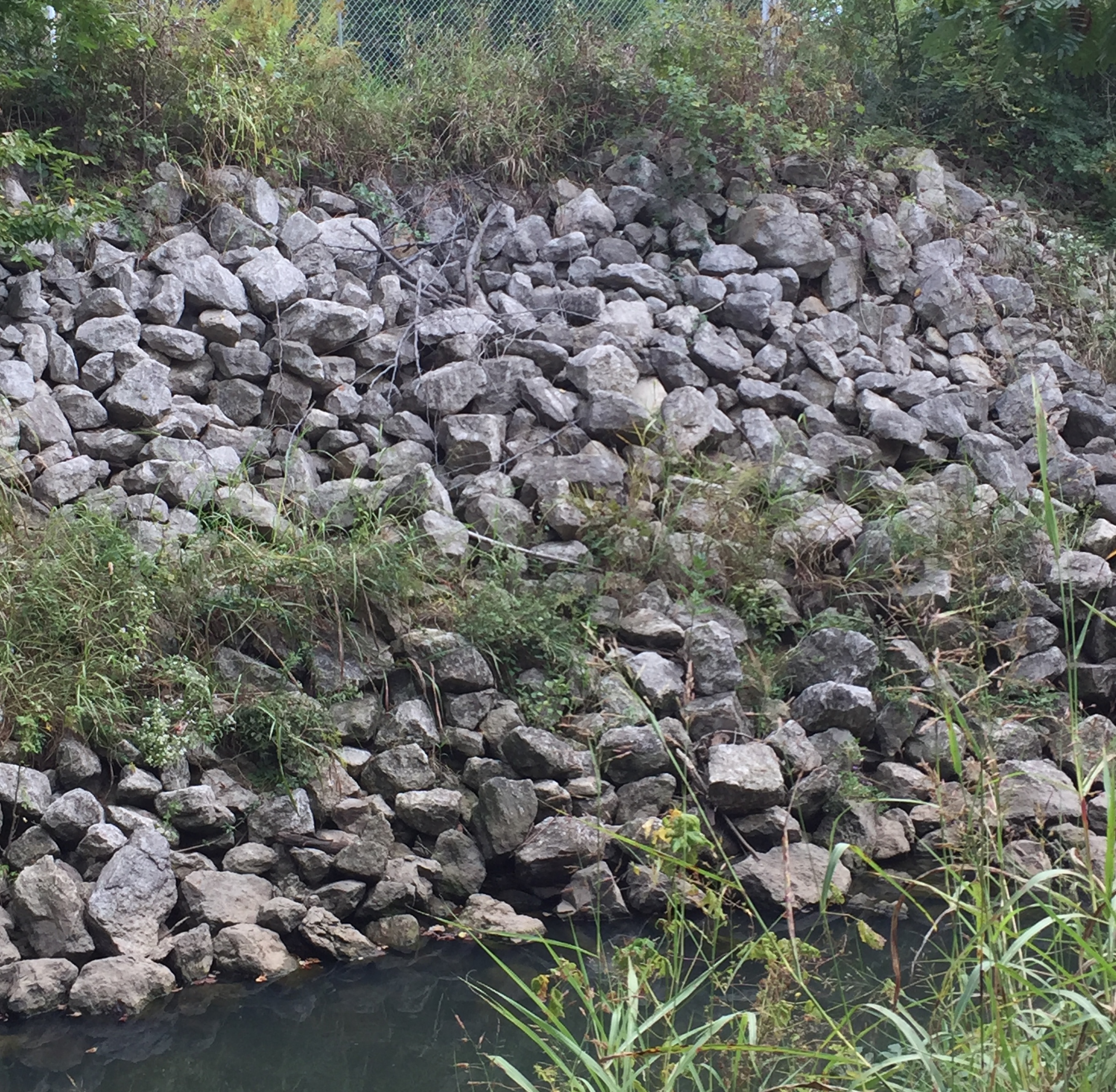
Called renal colic, the pain of kidney stones is similar to the episodes of crying and distress in infants. (I will have a post on infant colic soon.)
Stones, or calculi, don’t usually cause symptoms as long as they stay in the kidney. But if they migrate down into the ureter, the tiny tube that connects the kidneys to the bladder, trouble begins. As the stones try to wiggle their way down the narrow passageway, spasms of pain result; and the bigger the stone the worse.

Fortunately, most stones eventually pass into the bladder and out the body through the urethra. Some get stuck and must be removed. Occasionally, large stones can block the kidney, leading to infection. But , once you have had a stone, you want to prevent another.
What causes kidney stones?
We know what substances cause most stones- chemicals that normally pass through the urine but sometimes build up, harden and form into tiny rock -like structures called calculi. These chemicals mostly come from food, so changes in diet are one way to prevent new stones from forming.
Steps to stopping kidney stones
These steps can help lessen the risk of new stones in people who have already had one. We don’t know if it applies to people who have never had any stones. Check with your doctor to see if any of these are right for you.
Drink enough water to produce 2-2.5 quarts/liters of urine every day.
Recommendations to drink a set amount of water daily do not take into account how much water a person needs, which can vary depending on activity level and other factors. It is more reliable to consider how much urine comes out, or how many times one urinates daily.

Limit the amount of sodium, salt, in the diet.
Since the majority of stones contain calcium, it might make sense to limit calcium. But the kidneys spend more time filtering sodium; so with less sodium, more calcium can be filtered out and not be available to make stones. Here are 5 tips to reduce salt intake from WebMD
Limit intake of oxalate rich foods.

Oxalate is another chemical found in kidney stones. It comes from eating rhubarb, spinach, tea, nuts and cocoa.
Although watercress and other greens contain oxalate, it’s probably not necessary to avoid them entirely; they also are a good source of calcium which attaches to the oxalate, removing both from the body. Moderate amounts with adequate fluid intake should be safe, unless your doctor tells your otherwise.
Limit intake of non-dairy animal protein.

eat more fruits and vegetables
Drink beverages with lime and lemon juice.

Get expert advice about kidney stones at these links.
Eating tips from the National Kidney Foundation
Watch a brief video about kidney stones from MedlinePlus here.
Print a PDF handout at this link- Preventing Kidney Stones -from the American Academy of Family Physicians,
exploring the HEART of health
I’d love for you to follow this blog and follow me on social media.
I share information and inspiration to help you transform challenges into opportunities for learning and growth.
Add your name to the subscribe box to be notified of new posts by email. Click the link to read the post and browse other content. It’s that simple. No spam.
I enjoy seeing who is new to Watercress Words. When you subscribe, I will visit your blog or website. Thanks and see you next time.

 watercress words by Dr Aletha