As far back as the American Revolution the fledgling government extended health care benefits to the soldiers and veterans of that war; that system has evolved into the current military health care system which covers service members and the Veterans’ Administration system for veterans.
You may continue reading here, or follow this linkto an updated version of this post.
The Patient Protection and Affordable Care Act (ACA) was enacted by the United States Congress in 2010 to guarantee basic health insurance to all citizens. People who object to the ACA ,aka Obama Care, dislike or even fear government involvement in medical care; they consider it interference, control, or even nationalization of the United States healthcare system.
I think many people, even physicians, don’t realize or forget, how involved the government already is in healthcare. As far back as the American Revolution the fledgling government extended health care benefits to the soldiers and veterans of that war; that system has evolved into the current military health care system which covers service members and the Veterans’ Administration system for veterans.
a Veterans Administration clinic (photo by Dr. Aletha )
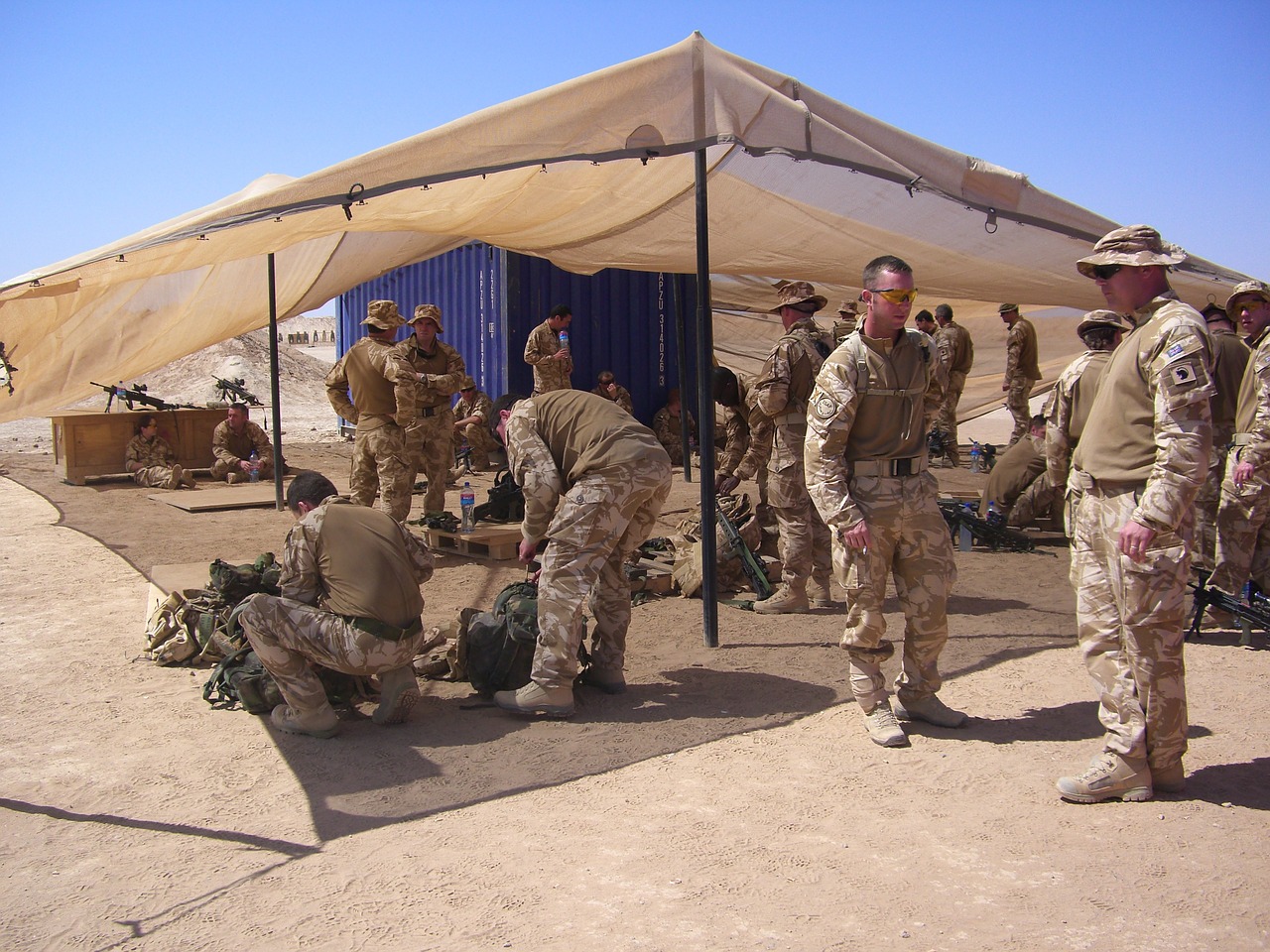
American soldiers serving in Afghanistan
The year 2015 marked the 50th anniversary of two other government healthcare programs- Medicare and Medicaid. The Journal of the American Medical Association, (JAMA), devoted an entire issue to them,the ACA and the implications for the future of healthcare in the United States.
Medicaid provides insurance coverage for adults and children who are unemployed or low income.
Medicare covers disabled children and adults and persons 65 years and older.
The numbers are rather staggering.
Together these programs cover at least 30% of Americans.
Together they comprise 25% of all federal spending.
Together they pay 40% of total U.S. health care spending.
Disabled children and adults may qualify for Medicare.
Children may be eligible for Medicaid if their families cannot obtain health insurance for them.
You may not be eligible for either of these programs now, but chances are eventually you or someone close to you will.
Anyone can become disabled from a serious illness or freak accident.
You or your spouse may lose your job and your employer sponsored health insurance.
Your child may have a disability that will prevent them from working when they grow up.
We may all live long enough to qualify for Medicare on the basis of age alone. Your parents or grandparents are near or already at Medicare age.
Senior adults age 65 and older use Medicare.
It’s important to understand how Medicare works, since it’s not automatic; even if you qualify, you need to sign up to be covered (with a few exceptions). The rules are summarized here. Or consider an easy to understand book here.
photos courtesy of volunteer photographers at Pixabay
Use these links to share the heart of health wherever you connect.
A couple’s first vacation to Cancun takes an unexpected turn when their friend falls ill. Despite the tragedy, the husband insists they go in his place. The trip proves to be a wonderful, bittersweet experience, filled with love, stories, and cherished memories. It’s a tribute to friendship and the enduring spirit of those they’ve lost.
updated August 2, 2024
My husband and I had traveled to Mexico on mission trips but never for a vacation. Our friends, “George and Emma”, owned a timeshare in Cancun and graciously invited us to share it with them on their annual visit. They purchased it many years ago, and celebrated their wedding anniversaries there. We appreciated their generosity and began planning the trip.
A few weeks later, Raymond received an email from George with detailed instructions on booking a flight to Cancun, how to get a reliable taxi to the condo, and other information. Since the trip was still 9 months away we were surprised, but knowing George is a planner, thought nothing else about it.
Not more than a couple of weeks later, we received chilling and scary news. George was ill; we didn’t immediately learn details, but apparently, it was something bad. And indeed it was.
We soon learned that he was diagnosed with an advanced cancer, that chemo could slow, but not cure. We were heartbroken for our friends.
We assumed the trip was impossible; obviously neither they nor we would go. However, George the planner had other ideas.
We went to visit them and after we sat down and were comfortable George looked at Raymond and said, “I won’t be able to go to Cancun, but I want Emma to go, and I want you and Aletha to go with her.”
They showed us a photo of the condo, in a beautiful beachfront resort. It looked lush, luxurious, and inviting, a stark contrast to what they were facing.
We didn’t know what to say; what do you say to a request like that? We didn’t want to upset him, so we just said yes, both of us silently wondering if it was the right thing to do.
George was correct, he was not able to go to Cancun; he died a few weeks after our visit. We attended a memorial service for him; it was not a traditional funeral but a celebration of his life. Soon after, Emma contacted us and confirmed her intention to go on the trip and wanted us to go with her.
So we did and had a wonderful time. Emma was a gracious hostess, making sure we were comfortable, taking us to nice restaurants, and ordering food delivery on a rainy evening. Having been there many times, she did not want to sightsee with us but sent us out to visit the interesting local sites that she knew we would enjoy.
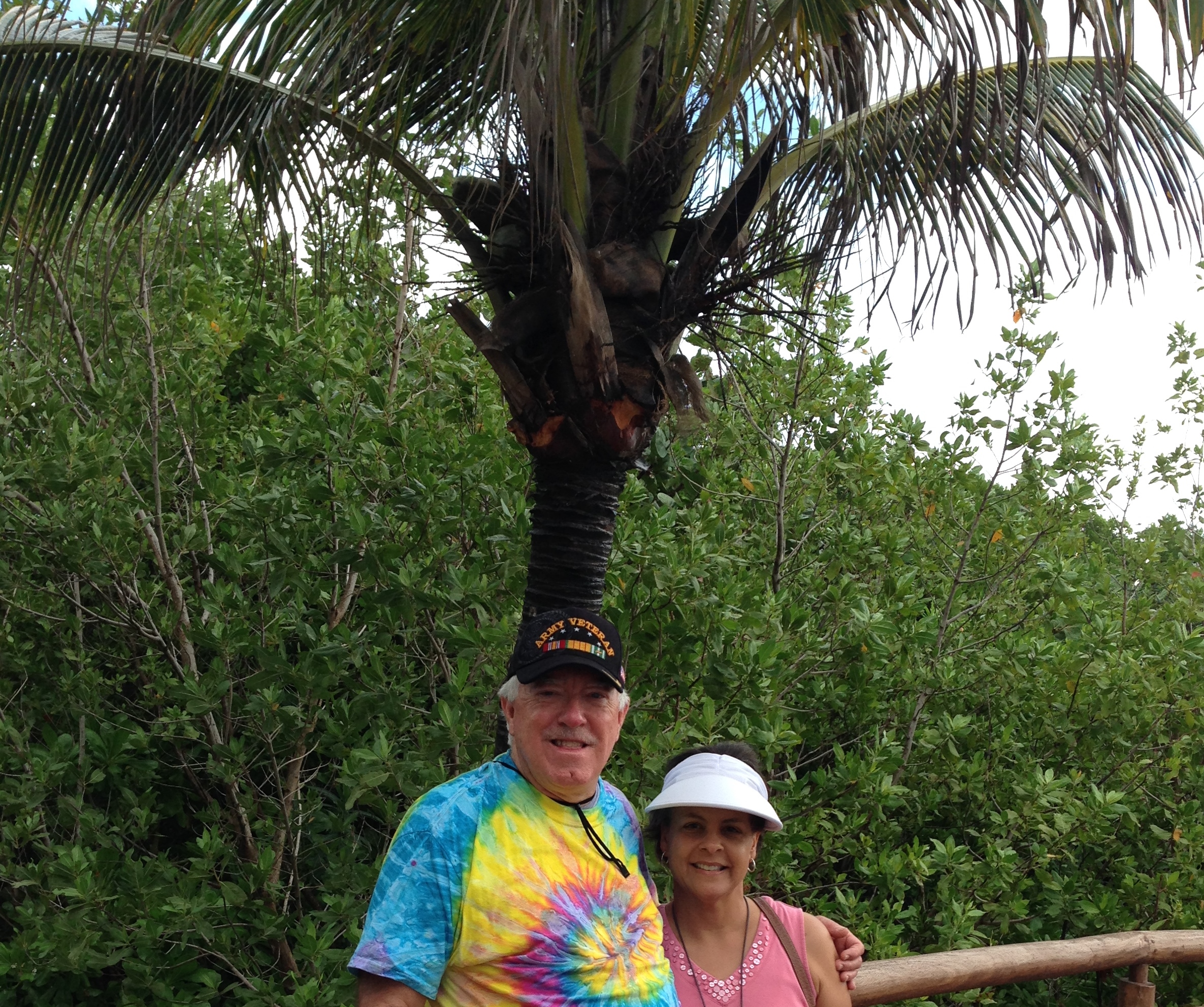
Cancun Mexico Sites
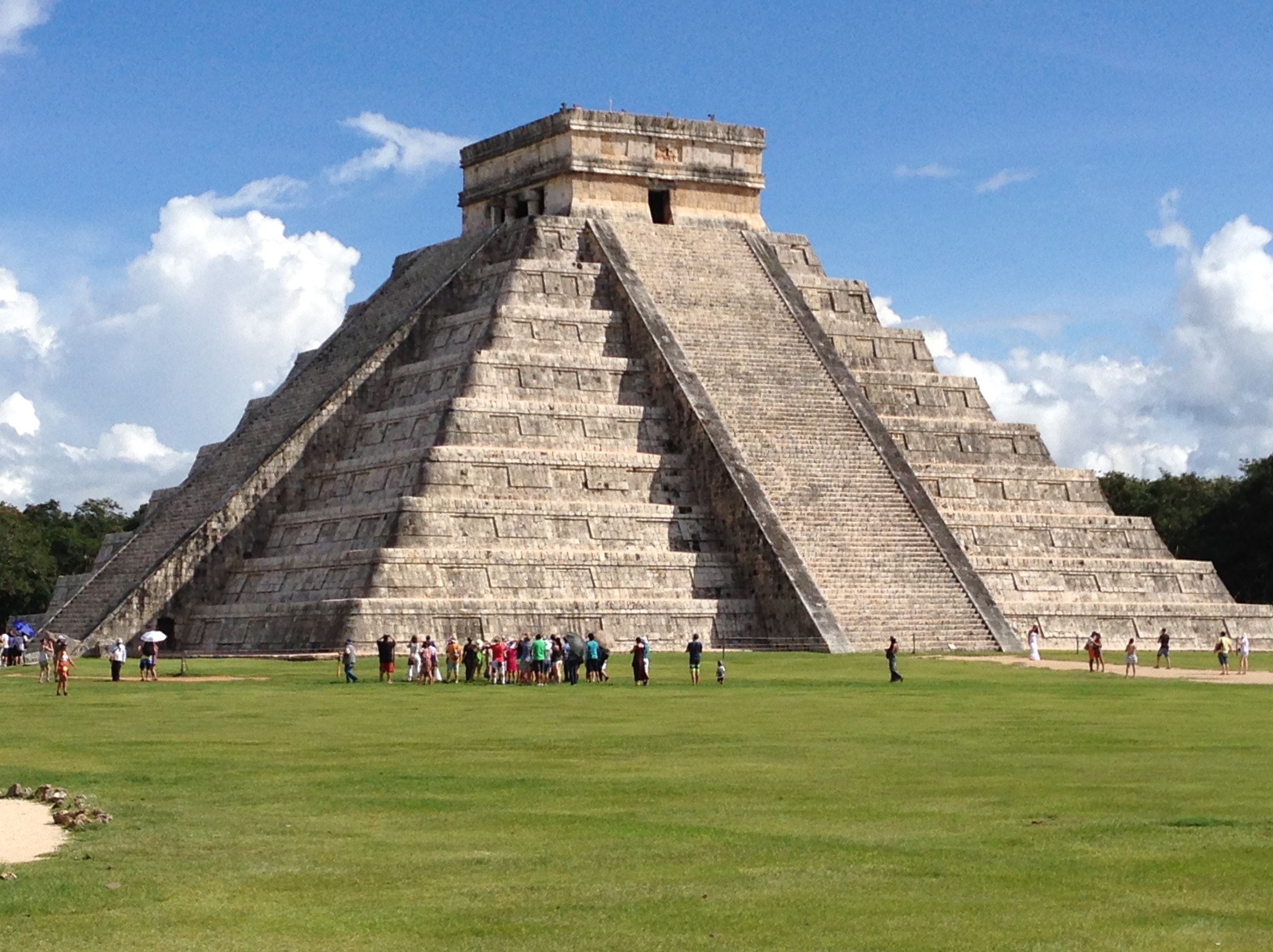
the Maya pyramid at Chichen Itza
Over meals she charmed us with stories of her life with George, their children, and grandchildren, pastoring a church, and fostering more than 30 children. And she listened with understanding and unconditional acceptance as we shared some of the dark griefs that we have walked through, which we have shared with no one outside our family.
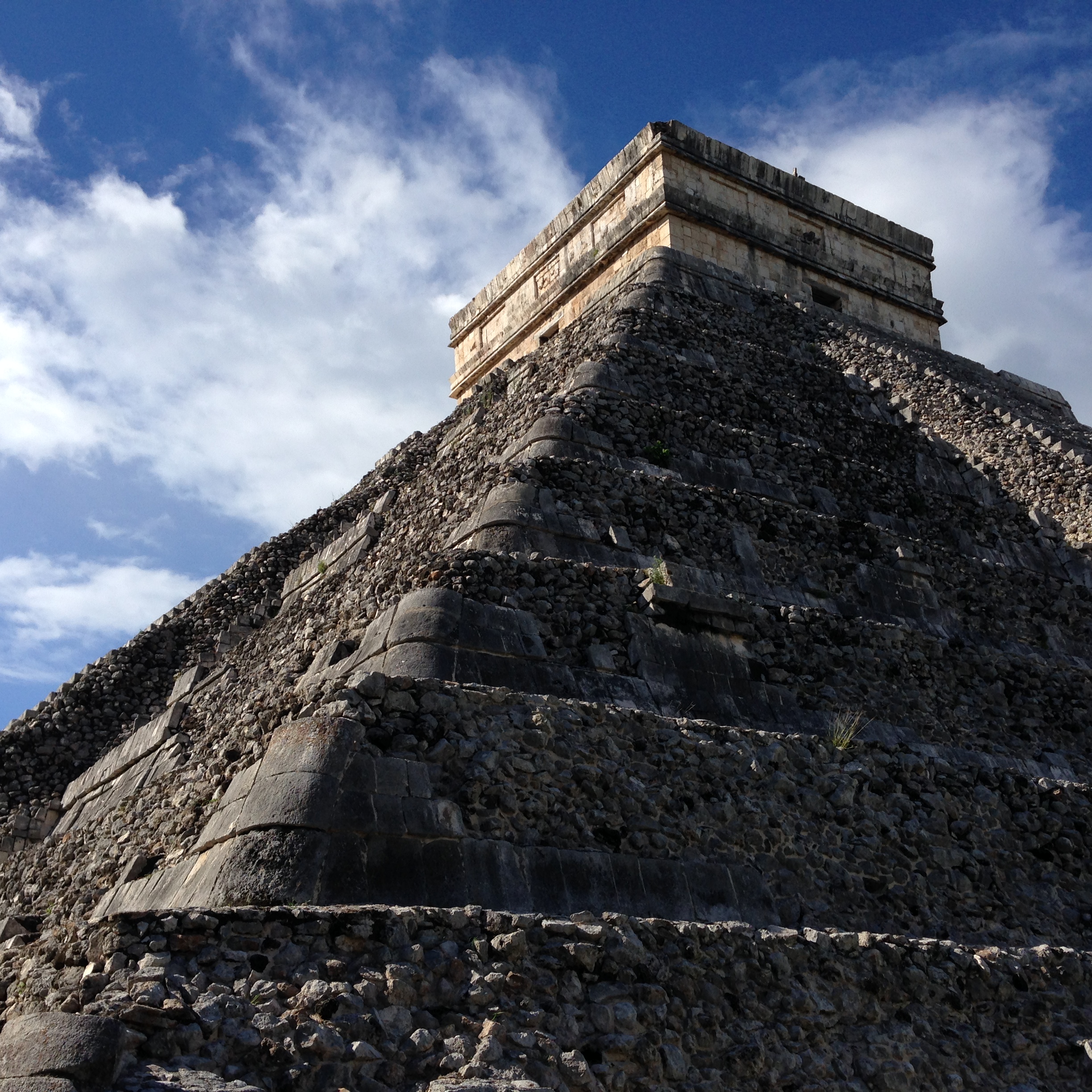
the Chichen Itza pyramid up close
George and Emma are people who love God and express that love by caring for each other, their family, and everyone else they meet. That week we were the fortunate recipients of that love. In some ways, it felt like George was there with us .
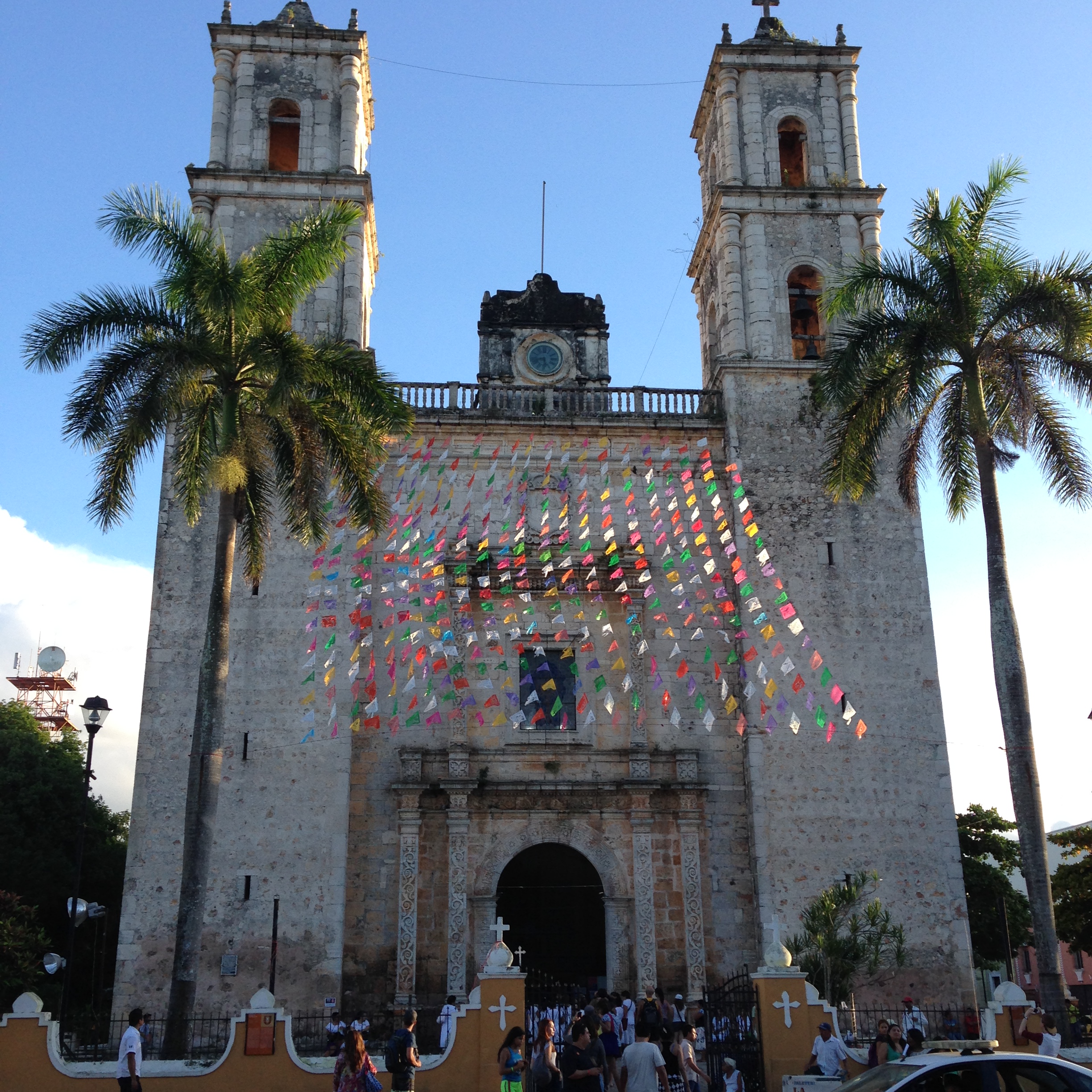
Cathedral of San Gervacio in Valladolid
Taking a tour of a local “resort”, we almost thought we should buy a timeshare there. The salespeople were persistent but we resisted their pressure and left with our money intact.
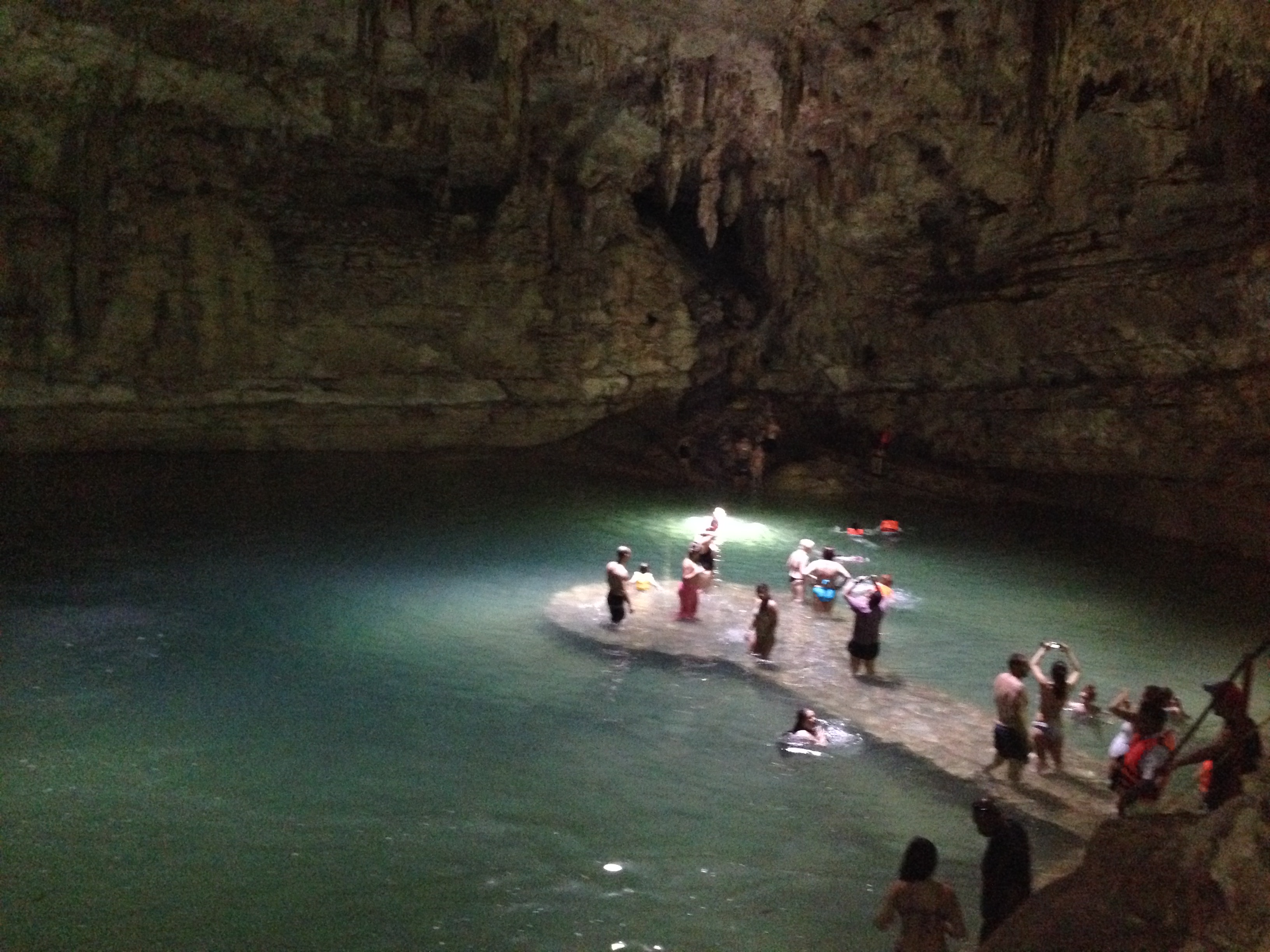
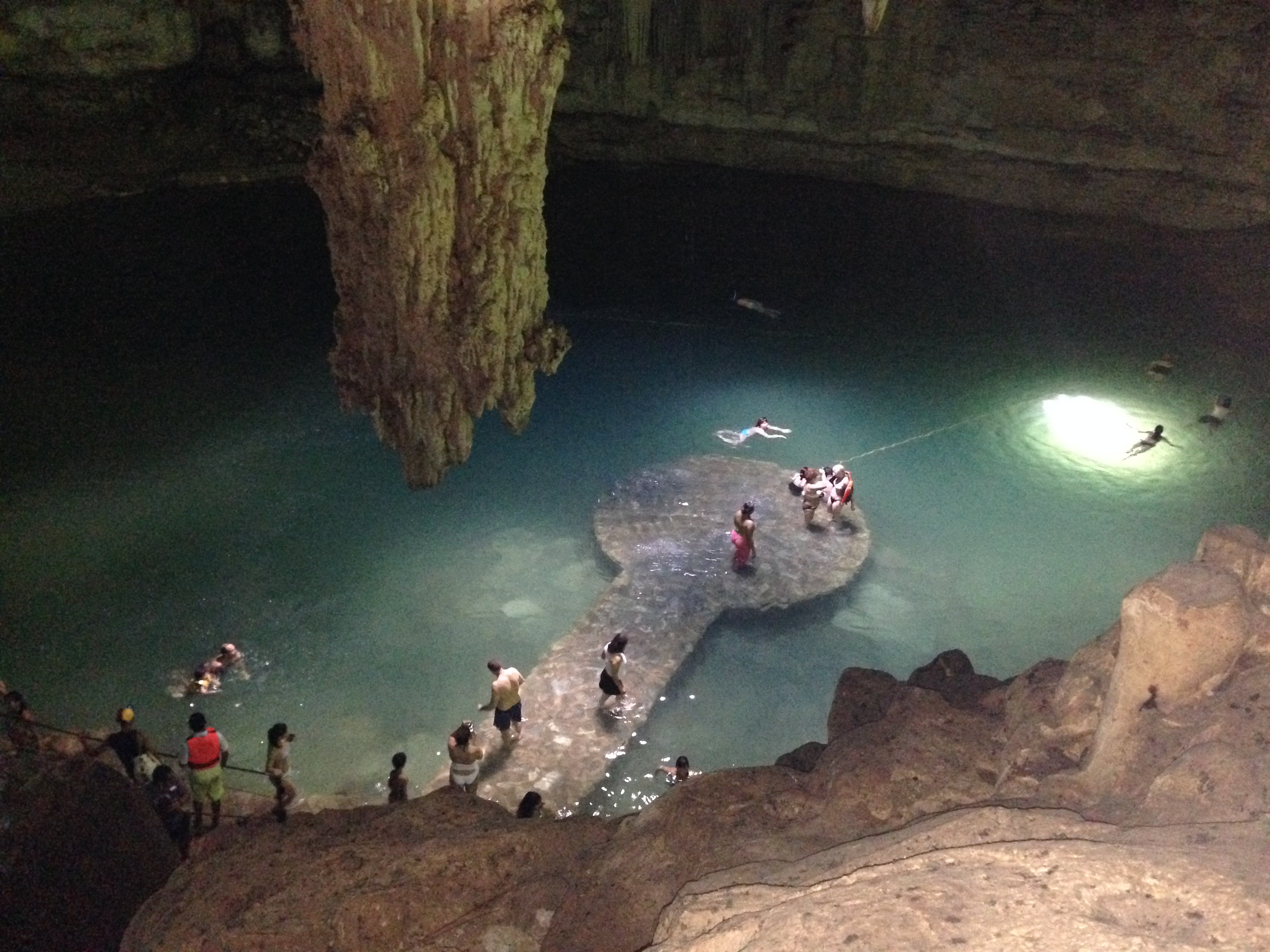
in a cenote, an underground lake
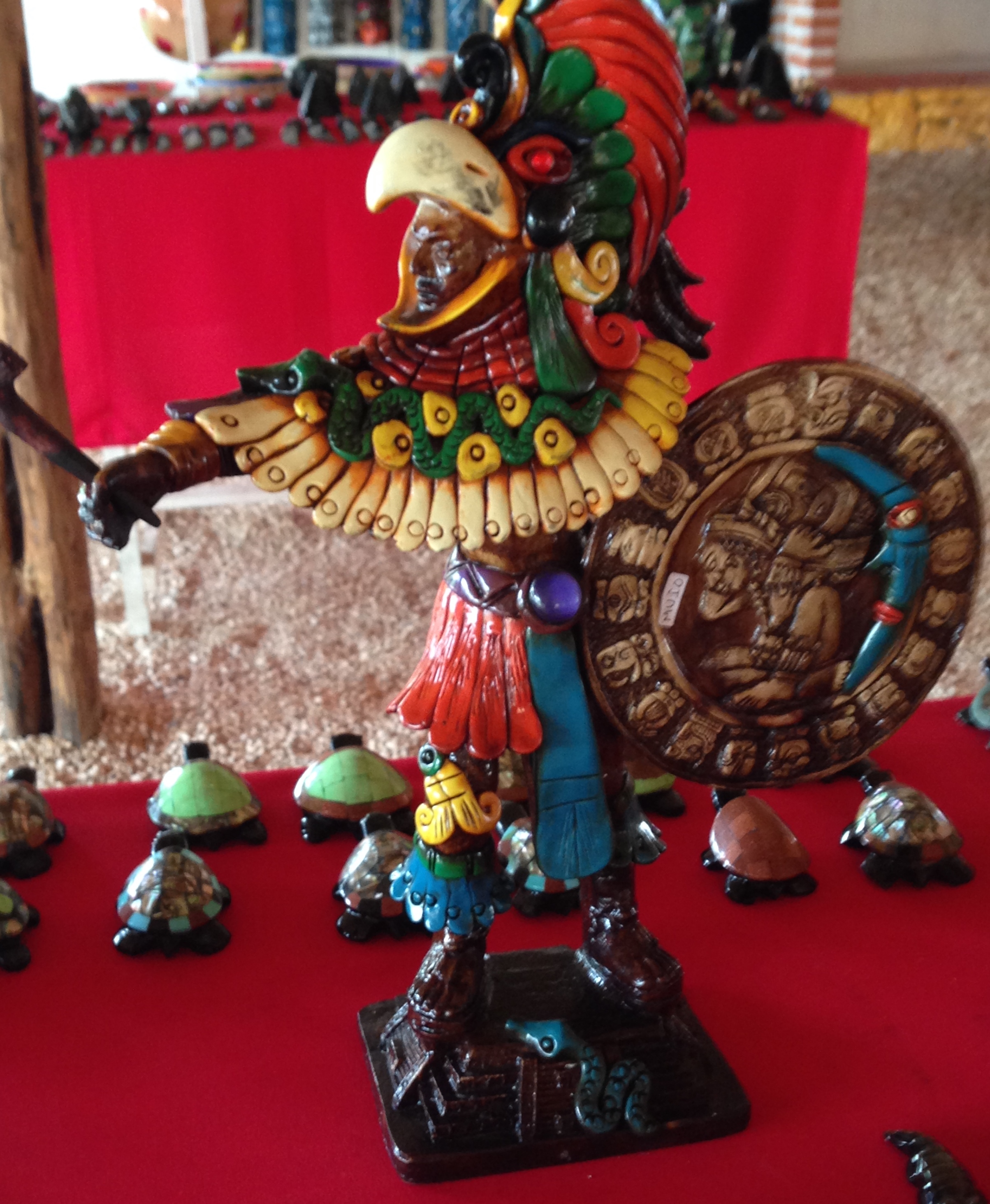
Mayan crafts
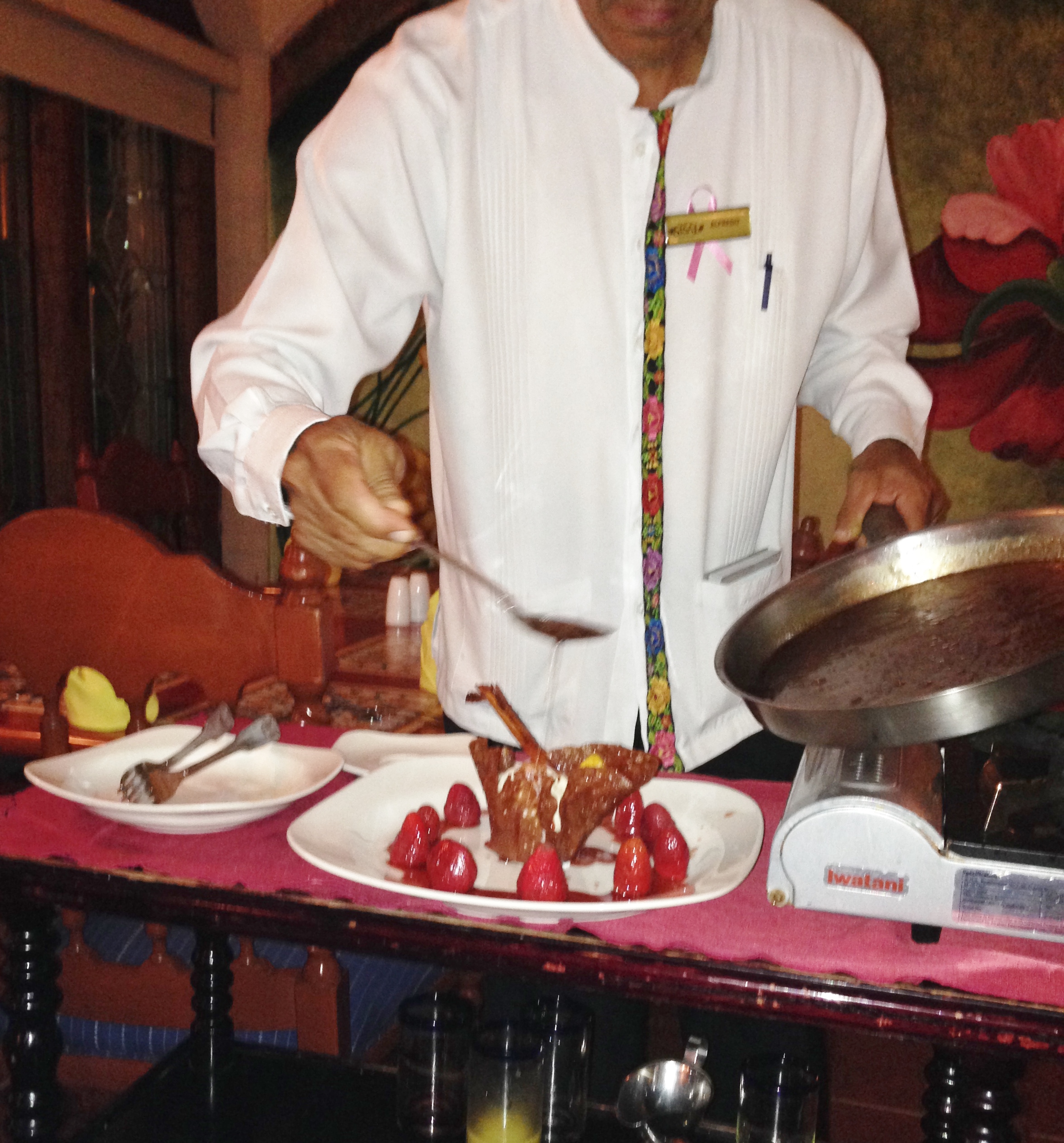
watching our waiter preparing a flaming strawberry dessert
We all enjoyed this dessert on our last evening there. Perfect finish to an enjoyable and special vacation.
Making New emories
Several years later, Emma met a nice man, “Glenn, whose spouse had also died. Like Emma and her late husband, they had children and grandchildren and had pastored churches. After a time of getting to know each other, they soon realized their friendship had turned into love, Glenn proposed, and they were married.
Their wedding was a casual affair, more of a party than a formal ceremony. Everyone who attended said it was the best wedding they had ever attended.
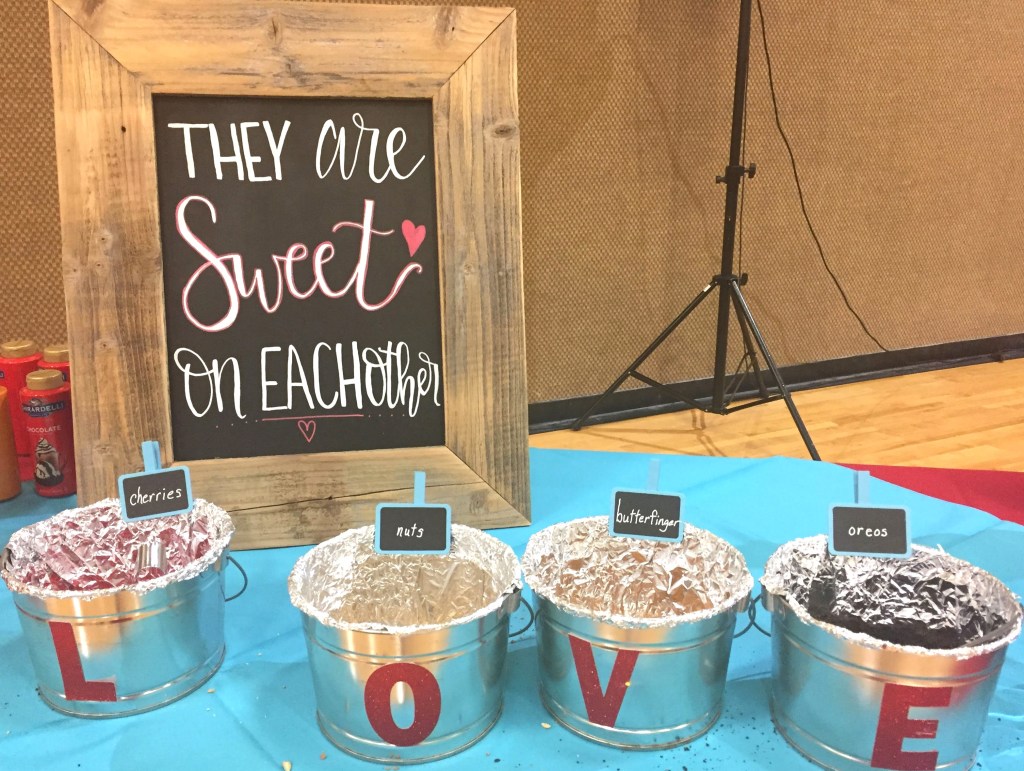
In place of a wedding cake, they served ice cream sundaes.
Sharing the HEART of friendship
While in Mexico, I used Frommer’s travel guide for information about the Cancun area and found it helpful and easy to use (this is an affiliate link that can help support this blog when used to purchase; thank you)
Thank you for reading this post. Please follow this blog and me on social media.
I share information and inspiration to help you transform challenges into opportunities for learning and growth.
Add your name to the subscribe box to be notified of new posts by email. Click the link to read the post and browse other content. It’s that simple. No spam.
I enjoy seeing who is new to Watercress Words. When you subscribe, I will visit your blog or website. Thanks and see you next time.