In this post, I’m offering a graphic review of COVID-19 and what we can still do to prevent infections IN ADDITION TO getting vaccinated. Until we achieve wide spread immunity through vaccination the risk of infection and death are still present and still just as real.
IMPORTANT NOTE: This post was written and published 9 months ago and much has been learned and changed since. However, the basics have not changed and are perhaps more important than ever. I hope seeing this again will remind you of what’s important and prompt you to carefully follow reputable sources for updates.
This time a year ago, no one in the United States, or even anywhere in the world, knew about a novel coronavirus, except a handful of physicians and scientists. Perhaps not even they knew we were facing a viral pandemic that would turn our lives upside down.
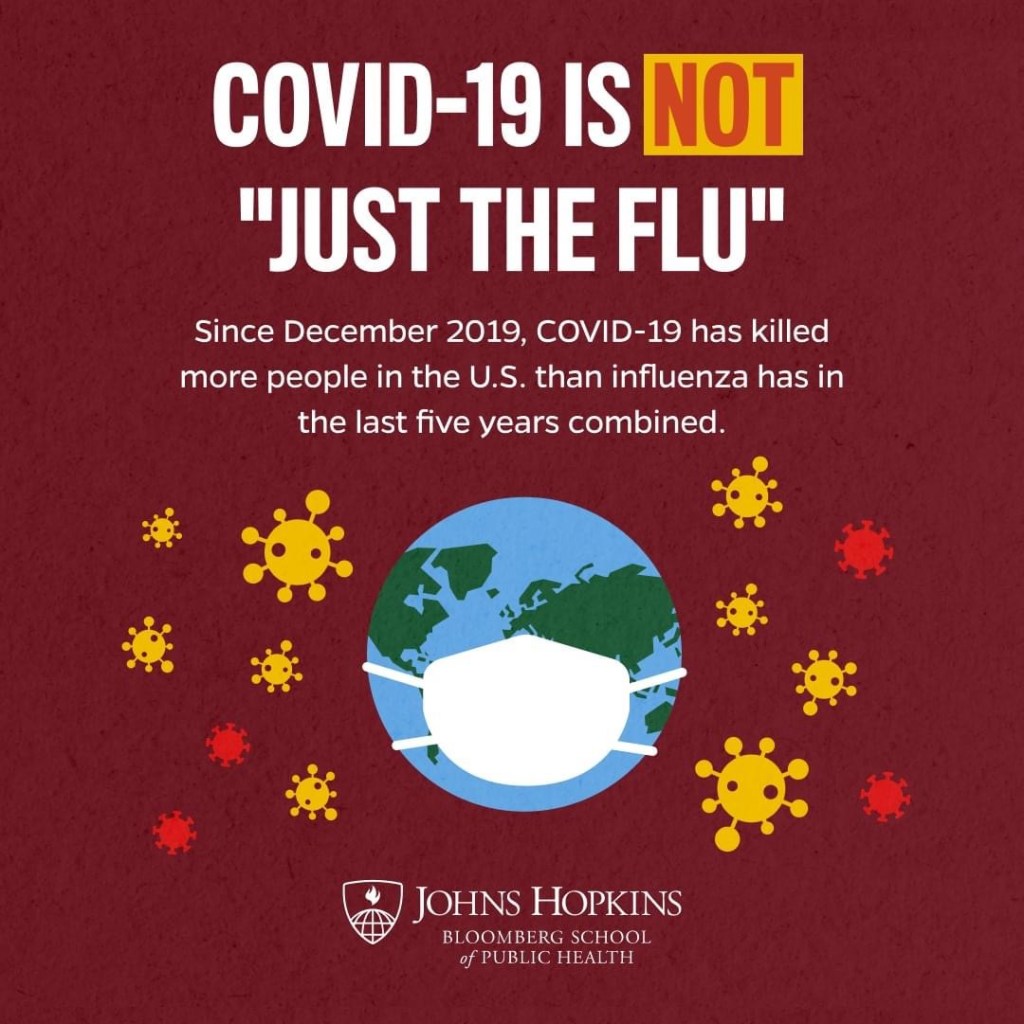
That unknown virus, SARS-CoV-2, has sickened 90 million people world wide and caused almost 2 million deaths. In the United States it has infected 22 million people, killing 370,000.
UPDATE: as of September 5,2021 there have been
221 million worldwide cases with with 4.5 million global deaths
40 million U.S.A. cases with 650,000 deaths
In the United States, the healthcare systems in many places, including our most populous states, are overwhelmed with COVID-19 patients, so much so that it impairs their ability to care for them and other patients. Cases are at an all time high across the entire country.
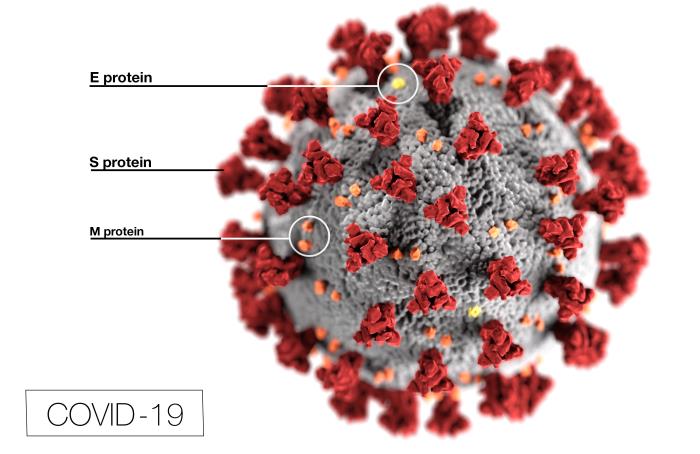
a model of the structure of the SARS_CoV-2
This illustration, created at the Centers for Disease Control and Prevention (CDC), reveals ultrastructural morphology exhibited by coronaviruses.
Note the spikes that adorn the outer surface of the virus, which impart the look of a corona surrounding the virion, when viewed electron microscopically. In this view, the protein particles E, S, and M, also located on the outer surface of the particle, have all been labeled as well.
A novel coronavirus, named Severe Acute Respiratory Syndrome coronavirus 2 (SARS-CoV-2), was identified as the cause of an outbreak of respiratory illness first detected in Wuhan, China in 2019. The illness caused by this virus has been named coronavirus disease 2019 (COVID-19). CDC/ Alissa Eckert, MS; Dan Higgins, MAMS, public domain.
Finally, a vaccine for SARS-CoV-2
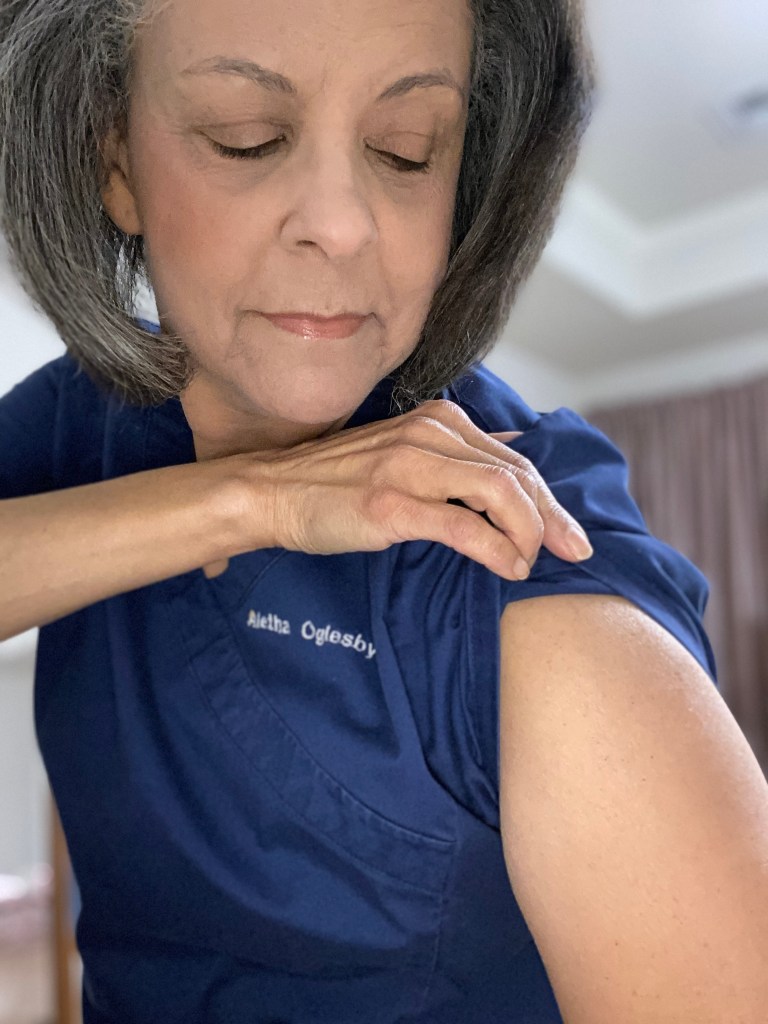
There is hope for an end to this nightmare now that two vaccines are available and being dispensed. I feel fortunate to have received my first dose of the Pfizer-BiONTech vaccine but I know for many others it will be weeks if not months before they will be vaccinated.
Three days after my first vaccination the soreness in my arm is almost gone, and I had no redness or swelling.
Let’s review COVID-19
In this post, I’m offering a graphic review of COVID-19 and what we can still do to prevent infections IN ADDITION TO getting vaccinated. Until we achieve wide spread immunity through vaccination the risk of infection and death are still present and still just as real.
Please note I am not addressing management of COVID-19 in this post. Your best source of information for treatment of symptomatic COVD-19 is from a physician familiar with your symptoms and underlying health.
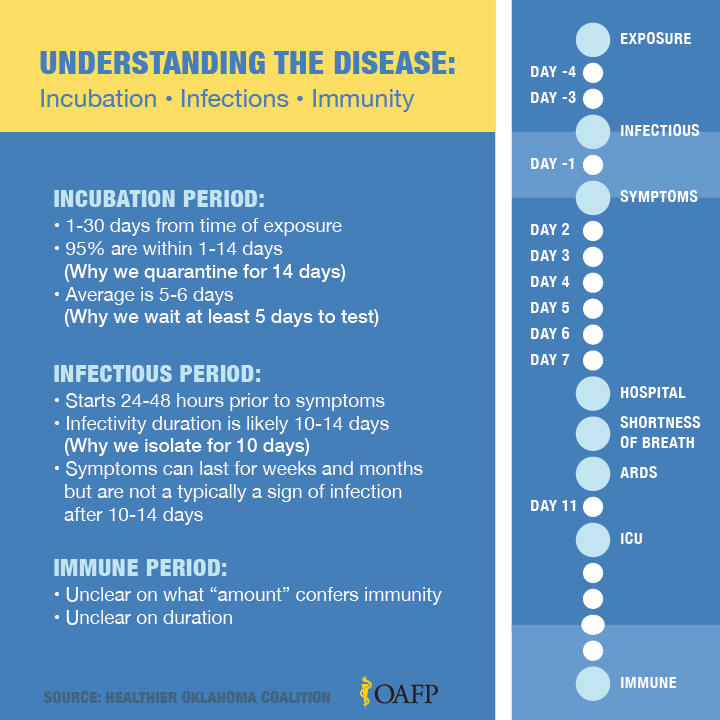
The timeline of a COVID-19 infection-from exposure to immunity
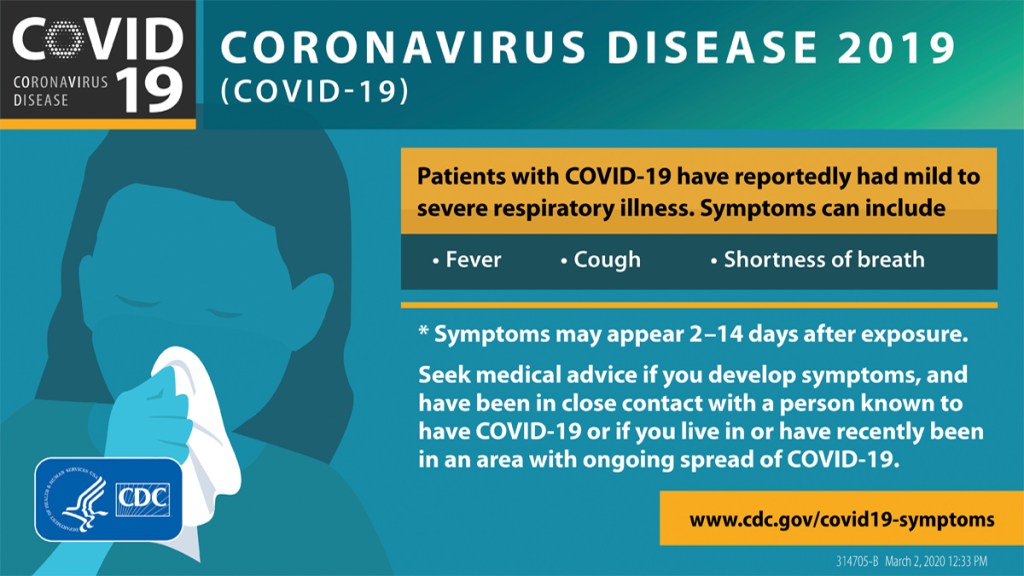
Other common symptoms include
headache
muscle and/or joint aches
nasal congestion and drainage
sore throat
nausea/vomiting/diarrhea
loss of taste or smell-this almost always means you are infected
fatigue
there may be no symptoms at all
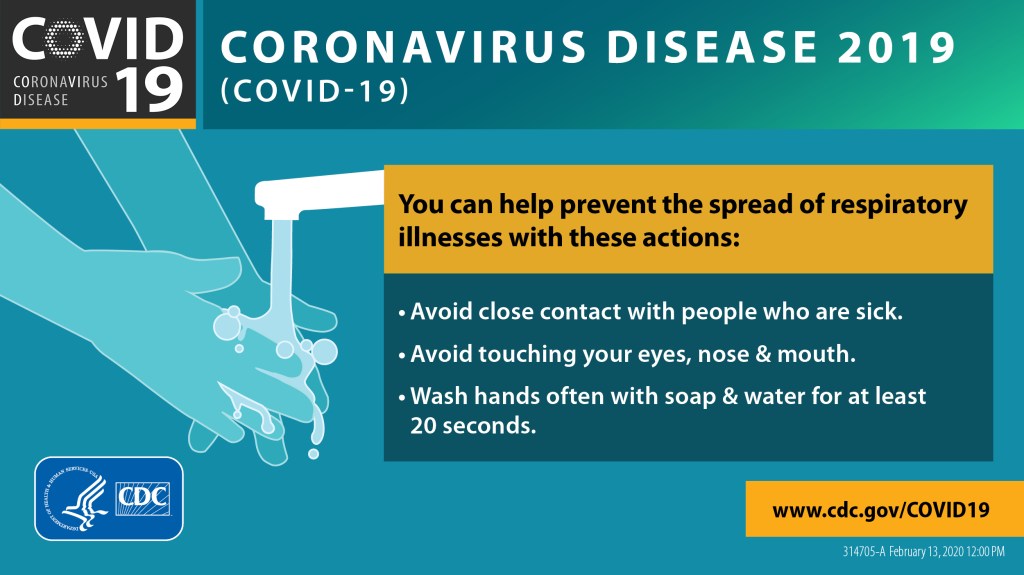
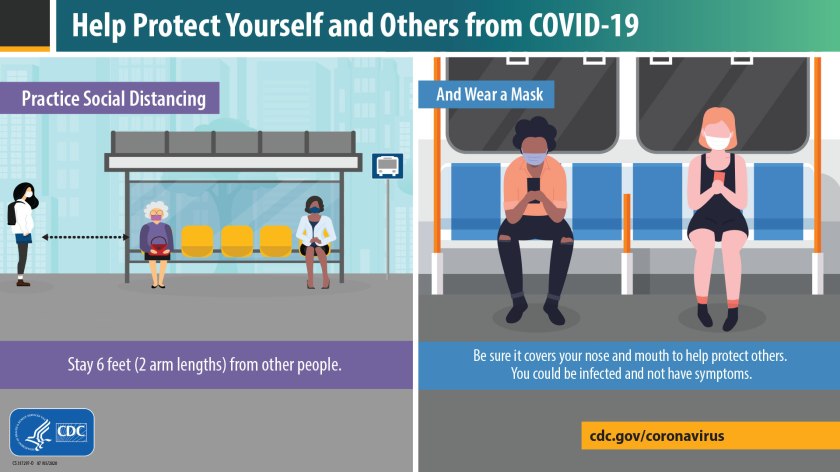
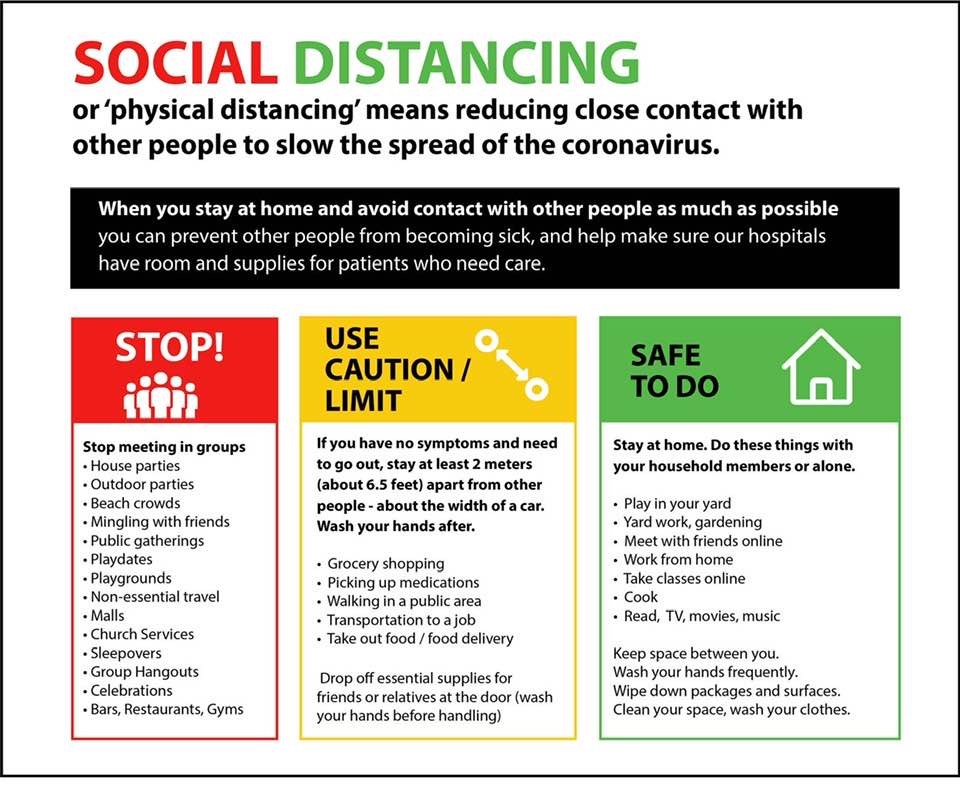
Steps to prevent infection from coronavirus-
Wash your hands, Wear a mask, Watch your distance
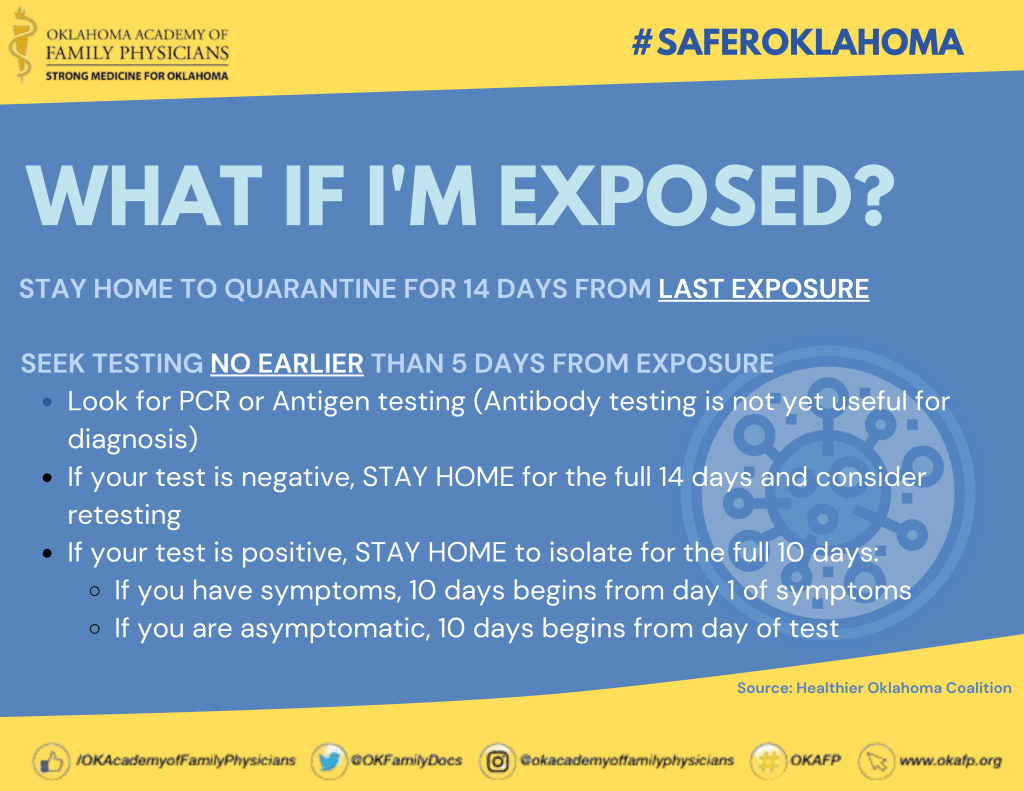
What to do if you think you have COVID-19 or have been exposed
You should also contact your physician for advice, especially if you have chronic medical conditions which might make you at greater risk of severe disease.
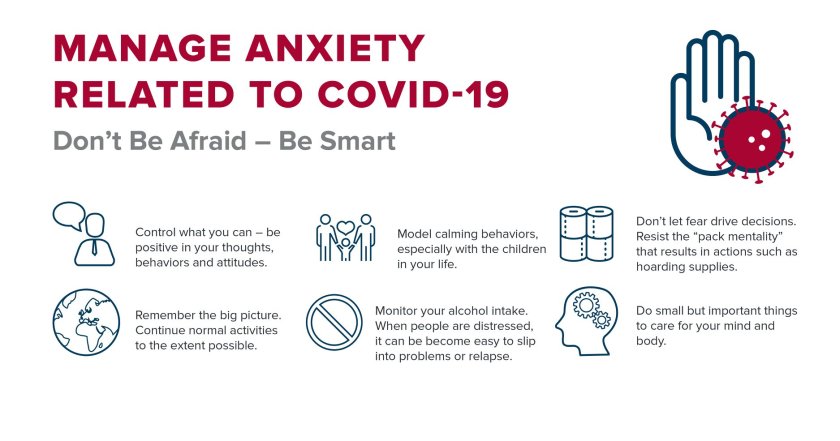
Base your actions on FACTS, not FEAR
Learn about the vaccines from Dr. Gupta and Dr. Fauci
Throughout the pandemic, I have depended on the reports from Dr. Sanjay Gupta, neurosurgeon and medical correspondent for CNN. I don’t miss his daily podcasts called Coronavirus: Fact vs Fiction.
In this episode, Dr. Gupta interviewed Dr. Anthony Fauci about the coronavirus vaccine. I suggest you listen to this 12 minute podcast, as well as the others in this series.
Twain, whose real name was Samuel Langhorne Clemens, pursued wealth but never permanently achieved it, much like his father, who died when he was young. Later in his life a series of tragic, unexpected illnesses in his family gradually wore down his energy and emotions, leaving him despondent and broken; nevertheless he left a legacy in literature that continues to influence readers today.
Mark Twain will always be remembered first and foremost as a humorist, but he was a great deal more—a public moralist, popular entertainer, political philosopher, travel writer, and novelist.
But like most of us, finances and family shaped Mark Twain’s life. As we’ve seen during the viral pandemic and resulting economic collapse of 2020-2021, then a stock market decline and inflation of 2022, blows to our financial stability and family relationships, especially illness and death, cause upheaval that we are ill prepared for and change our lives forever.
Samuel Langhorne Clemens, aka Mark Twain
Twain, whose real name was Samuel Langhorne Clemens, pursued wealth but never permanently achieved it, much like his father, who died when he was young. Later in his life a series of tragic, unexpected illnesses in his family gradually wore down his energy and emotions, leaving him despondent and broken; nevertheless he left a legacy in literature that continues to influence readers today.
Twain is remembered as a great chronicler of American life in the 19th and early 20th centuries. Writing grand tales about Sawyer, Finn and the mighty Mississippi River, Twain explored the American soul with wit, buoyancy and a sharp eye for truth.
Samuel married Olivia(Livy) Langdon, who was from a financially secure family. Later that year they had a son, Langdon.
1872
Langdon died of diphtheria, a throat infection. Diphtheria is now preventable by vaccination, given as the DPT-diphtheria, pertussis, tetanus-injection.
The Clemens had three more children, all girls.
1972-Susy
1874-Clara
1880-Jean
1874-1891
While living in Hartford Connecticut, Mark Twain wrote and published some of his most famous books.
(Purchases made using these affiliate links help support this blog. Thanks.)
1896
Daughter Susy died of meningitis, an infection of the brain lining. Many causes of meningitis are now also preventable by vaccination. Twain was out of the country on a lecture tour, trying to recover from bankruptcy due to failed investments. He was distraught at her loss.
1904
Olivia, Samuel’s beloved wife, died after a long illness.
1909
His daughter Jean had been diagnosed of epilepsy. She died of an apparent heart attack, having suffered a seizure. Today, epilepsy can usually be controlled with medications.
1910
After years of increasing despondency and depression, Samuel Clemens, better known as Mark Twain, died of a presumed heart condition at age 74. He had outlived his wife and three of his four children.
1962
His last surviving child, Clara, died this year at 88 years old. She had married a famous Russian musician.
1966
Nina Gabrilowitsch‚ Clara’s daughter and his only grandchild‚ died at age 55. She had no children‚ so there are no more direct descendants of Samuel L. Clemens.
Mark Twain lived through the American Civil War, which saw the official end of slavery although not the end of racial tensions and discrimination in the United States. Two of his famous works, Tom Sawyer and Huckleberry Finn, portray Black characters in a manner typical for pre-Civil War society, and used terms now considered inappropriate and racist. This has prompted some to call Twain himself a racist.
We cannot… overlook the works of Twain that do address the issues of race and stereotype. Clearly, Twain used his writing to work through issues of race for himself and his society, Despite the culture surrounding him, Twain understood deeply that racism is wrong.
For Twain to have depicted in Adventures of Huckleberry Finn a young hero who questioned racial inequality and an African American who was caring, compassionate, and strongly committed to his freedom was revolutionary indeed.
Whether Twain was or was not racist is beyond the intent of this post to argue, so I suggest you consider these two quotes and follow up the sources if you want to research it further.
Mark Twain mirrored the complex racial changes of the American nineteenth century. His father owned slaves, and he grew up in a slaveholding community, , endorsed by the government and the church. His exposure to the slaves on his Uncle Quarles’s farm had a lifelong effect on him and on his work.
In his young life, he wrote some letters that show the racist attitudes he was exposed to in the pre-Civil War south, but as he matured, his racism gave way to empathy and understanding of the black experience…. culminating in antislavery novels like Adventures of Huckleberry Finn and Puddn’head Wilson.
… he secretly paid a black man’s tuition to Yale Law School, …. He was a friend and supporter of Frederick Douglass as well as Booker T. Washington.
In 1873 Sam (Mark) and Olivia (Livy) Clemens contracted New York architect Edward Tuckerman Potter to design a house in Hartford, Connecticut.
Construction began in August of that year‚ while Sam and Livy were abroad. Although it was not complete, the family moved into their house on September 19‚ 1874. Construction delays and the ever-increasing costs of building the home frustrated Sam.
Their home measures 11‚500 square feet‚ and has 25 rooms distributed through three floors. It displayed the latest in modern innovations for that time.
The couple spent $45‚000 building their new home‚ keeping the interior simple. The Clemens family enjoyed what the author would later call the happiest and most productive years of his life in their Hartford home.
Financial problems forced Sam and Livy to move the family to Europe in 1891. The family never lived in Hartford again. Susy’s death in 1896 made it too hard for Livy to return there‚ and they sold the property in 1903.
Fortunately, the historical value of the home was wisely recognized by The Friends of Hartford, led by Katharine Seymour Day, who purchased the house in 1929.
That April, a group called The Mark Twain Memorial and Library Commission was chartered, with the purpose of saving and restoring Mark Twain’s House on Farmington Avenue. Now the house is preserved for tours with an associated museum offering many local and virtual educational resources.
A YouTube channel called Catching Up With The Clemenses offers kids, and adults, a fun glimpse at what it was like living in the house. This episode titled Where’s the Toilet Paper? brings to mind the toilet paper shortage in 2020 at the start of the pandemic.
exploring the HEART of health in literature
I’m glad you joined me to learn a little about one of America’s famous authors. I hope you’ll read some of his books if you haven’t, or find new ones you may have missed.
The cover image for this post depicts a bridge over the Mississippi River in Missouri. Photographed by Reed Hewitt for Lightstock.com, an affiliate link. Consider them when you need a stock photo, video, graphic, or other media.
Dr. Aletha
Use these links to share the heart of health wherever you connect.





 watercress words by Dr Aletha