6 things you need to know to fight influenza

a review of how to recognize, prevent, and treat influenza

Thanks for visiting. Please review the updated version of this post .
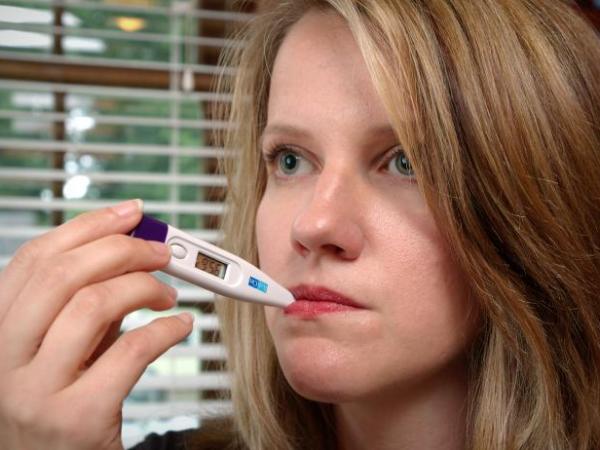
  1. If you think you have “the flu”, you probably don’t.

To many people “the flu” is any respiratory illness characterized by some combination of fever, cough, congestion, fatigue and aches. That term has become so nonspecific even we doctors use it that way. But it more correctly refers to influenza, which is just one of many viruses that cause illness. The illnesses caused by the other viruses are usually called “colds”, upper respiratory infections, aka URIs, bronchitis, pharyngitis, sinusitis and pneumonia.
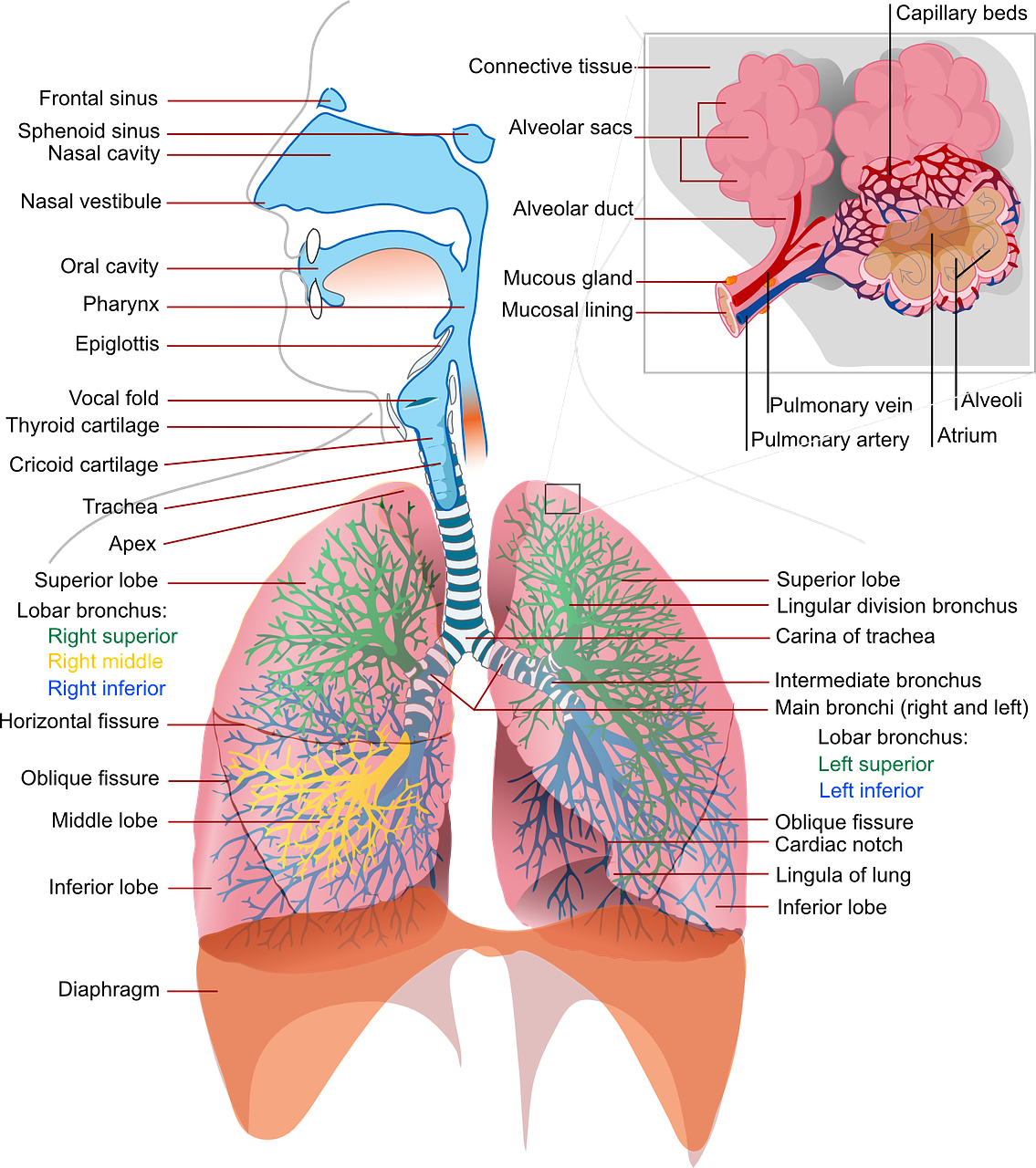
The human respiratory system
The respiratory tract including the nose, sinuses, mouth, throat, trachea, bronchi in blue and the lungs (pink). Infections can involve the breathing organs from the nose all the way down to the lungs. (photo complimentary from Pixabay)
  1. If your doctor thinks you have “the flu”, you probably do.

Prior to the availability of the “rapid flu” test, we doctors diagnosed influenza the characteristic symptoms, confirmatory findings on exam, and knowing there was an outbreak in the community. The test is not absolutely necessary but is helpful for confirmation in the event the illness doesn’t progress as expected. Besides, we can charge for it and patients have come to expect it now.

3. The best way to prevent influenza is by vaccination.

The World Health Organization (WHO), Centers for Disease Control and Prevention(CDC) , the National Foundation for Infectious Disease and every other reputable medical organization recommends vaccination against influenza. People refuse vaccination (some even at recommendations of physicians) because they believe it is ineffective, unnecessary, dangerous, toxic, unnatural, subversive, and who knows what else. And  I don’t think I or anyone else am going to change their minds.

My family and I always get vaccinations which have successfully protected us without side effects or adverse reactions. There are risks, just like there are with any medical procedure, or lots of other things we do in life. In this case we have decided the benefit outweighs the risk.

  1. If you want to avoid getting influenza, avoid being around people who may be infected.

This means everyone, since one may be contagious 2 to 3 days before symptoms. It’s not a coincidence that influenza outbreaks coincide with the American holiday season (approximately November through January). So to protect us all,

  • Stay home if you are sick, and ask your family, co-workers and employees to do the same.
  • Cover your nose and mouth when coughing or sneezing
  • Wash your hands frequently.
  • Wash frequently touched surfaces frequently.
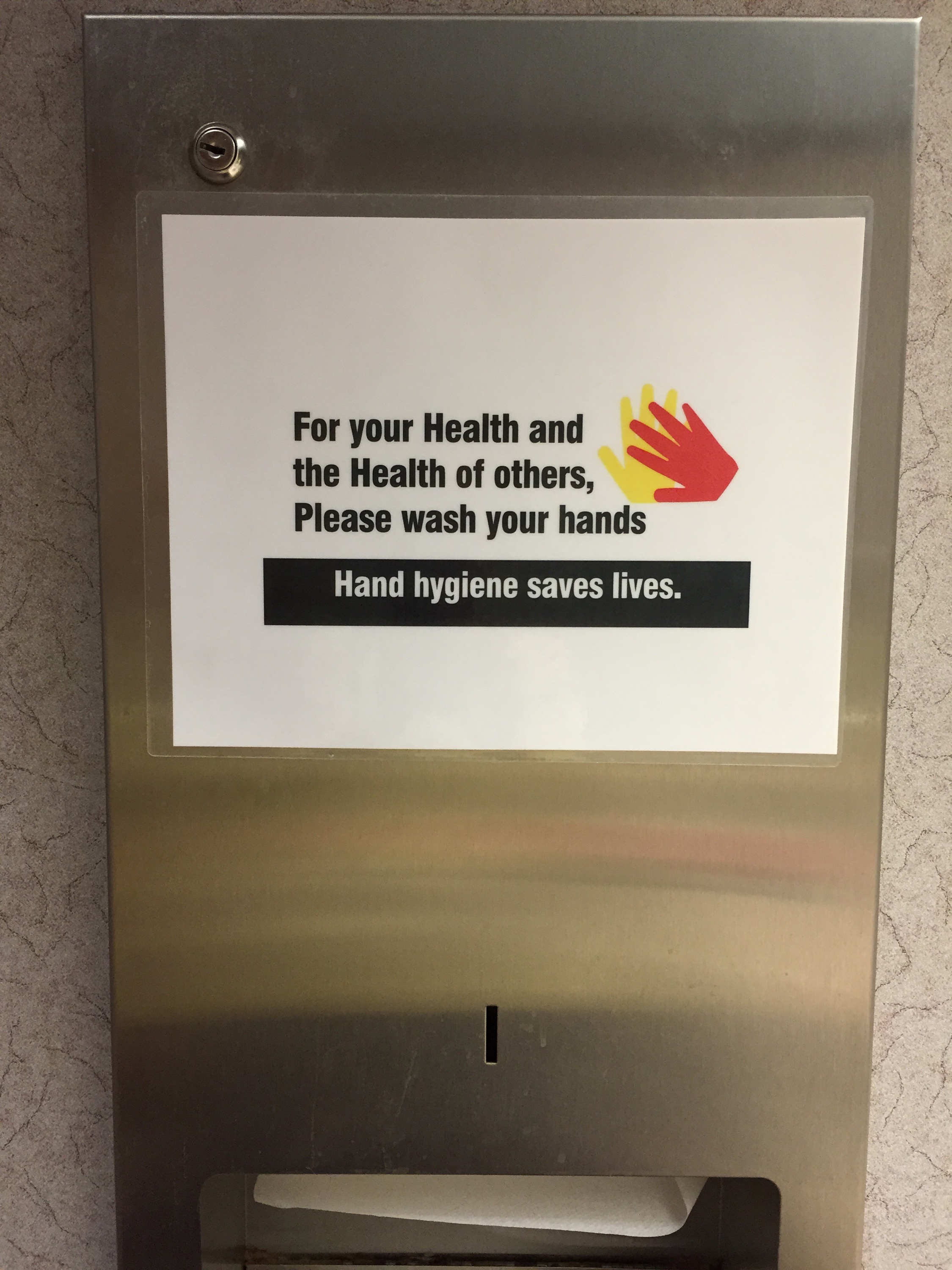
sign saying wash your hands
  1. If you do get sick, don’t ask your doctor for an antibiotic.It will not help. 

    Antibiotics attack bacteria. Influenza and 99% of all respiratory illnesses are due to viruses.

There are 4 antiviral drugs that will “shorten the duration and severity of symptoms” by 1-2 days, if started early. The effectiveness is uncertain for an illness that will resolve within 10-14 days regardless. But if it gets you back to school or work a day earlier, it may be worth the cost-they are not cheap drugs.

Otherwise, the treatment is“symptomatic” or “supportive” care:

  • Rest; eat and drink as normally as possible; extra fluids if running a fever 
  • Non-prescription cough/congestion /pain/fever meds

Here are  general guidelines  on what to do if you get a respiratory illness.

  1. You can die from influenza, but you probably won’t.

I cringed last year when a friend wrote on her social media page, “My doctor said, ‘No one dies of the flu’.” And, technically, that is true. People die from complications of influenza, and infants, young children and the elderly have greatest risk.The most common fatal complication is bacterial pneumonia, infection in the lung. Influenza can also attack the nervous system causing brain inflammation (encephalitis and/or meningitis) and paralysis in the form of Guillain Barre syndrome .
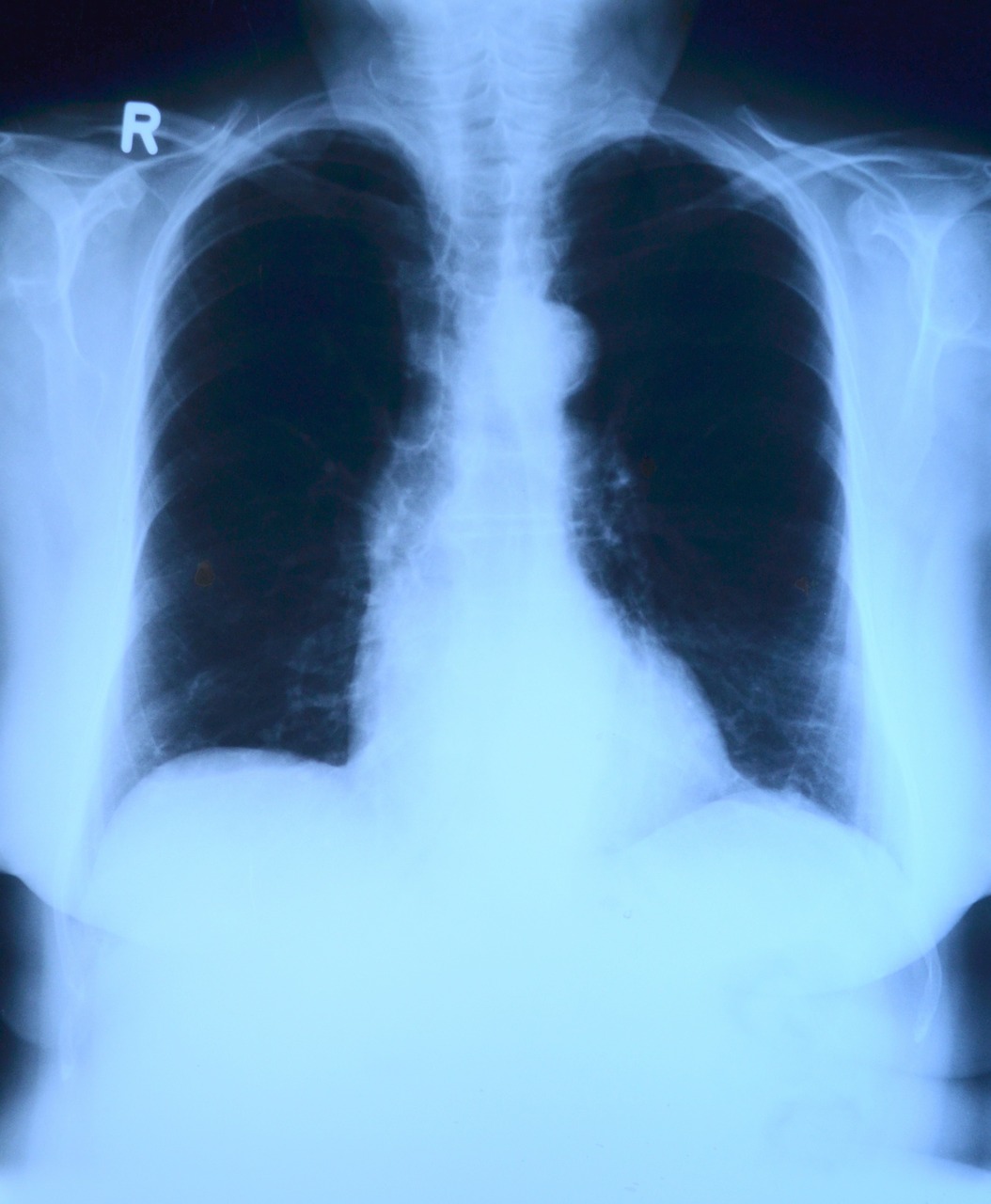
an xray of healthy lungs with no signs of pneumonia.
Healthy lungs with no signs of pneumonia.

Persons with chronic illnesses like diabetes, lung disorders, depressed immune systems and cancer are at greater risk of complications and should always consult a physician if feeling ill. If you are not sure if you fall into that category, ask your doctor.

Influenza is a disease to take seriously; consider my suggestions, talk to your doctor, and stay healthy this season.

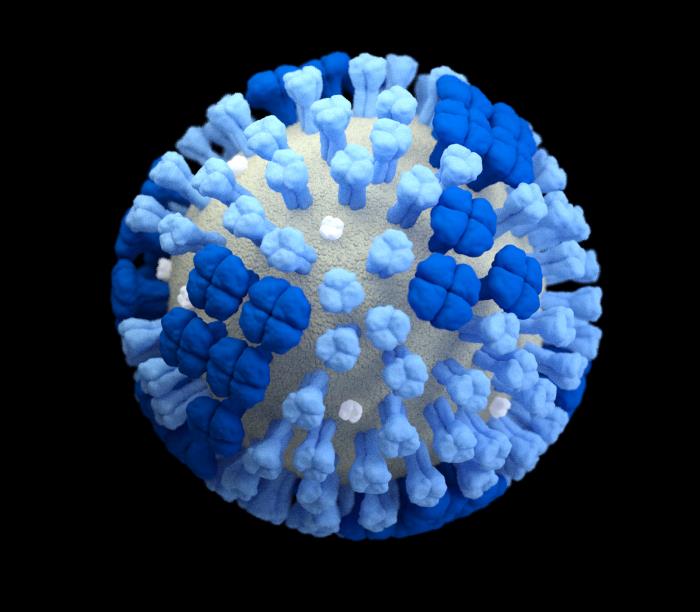
Overview of Viral Diseases

Bacterial infections can be treated with antibiotics, while antiviral medications are limited. Vaccines exist for several viruses and bacteria, including influenza, MMR, and Hepatitis strains. However, diseases like malaria and HPV require additional attention. Many infections lack preventive vaccines, emphasizing the importance of consulting physicians for advice on vaccinations and disease prevention.

Virus vs Bacteria

One major difference between bacterial and viral infections is the treatment. We have many more effective antibiotics (drugs which fight bacteria) than we do antiviral drugs.

And antibiotics do not affect viruses. Despite that fact, patients often expect and even demand their physicians prescribe antibiotics for viral infections such as influenza, colds and bronchitis- and unfortunately too often we physicians do it anyway.

6 smart facts about antibiotic use

Influenza- the vaccine is given annually and targeted to the strains of virus predicted to be active in any given year.


Measles (rubeola), Mumps, Rubella (German measles) -I am grouping these together since their vaccines are usually given together as the MMR. Recent outbreaks of measles have been attributed to the decline in vaccination rates. 

Polio, a disease parents feared when I was a child, due to to risk of permanent paralysis, now essentially eradicated in the United States

Rotavirus,  in infants and small children, a common cause of gastroenteritis- vomiting and diarrhea, with or without fever and abdominal pain

HPV, the human papilloma virus, causes warts of all kinds, but the vaccine is targeted to the strains that cause genital warts and cervical cancer

The cousin viruses, Hepatitis A and Hepatitis B.

Hepatitis is an infection of the liver, which can range from a mild disease to life threatening. Hepatitis A is spread through contaminated food or water. Hepatitis B is spread through contact with infected blood or other body fluids.

Another set of cousins, Varicella Zoster (VZ) virus causes two different infections and thus has two vaccines. The original infection is  varicella or chickenpox, formerly a common childhood illness but not seen often now due to the vaccine. When it reactivates, usually years later in adulthood, it is known as  zoster or shingles.

There are also several vaccines usually reserved for travel to specific areas of the world, occupational exposure, military service or other special circumstances. These include vaccines for anthrax, typhoid, cholera, (bacteria) and yellow fever, smallpox,and rabies (viruses). 

Diseases for which there is no vaccine

One of the most serious is malaria, caused by a parasite transmitted by infected mosquitos. Malaria is rarely a risk in northern or extreme southern areas of the world, but for the tropics, especially sub-Saharan Africa it is a major health problem. (A vaccine is being tested.)

Otherwise we all are at risk of other serious infections that we cannot yet prevent with immunization. These include

HIV-human immunodeficiency virus ,and most other sexually transmitted diseases including HSV- herpes simplex virus, gonorrhea, syphilis, and chlamydia.

HCV- Hepatitis C

Most respiratory viruses, including rhinovirus, cause of the common cold; RSV-respiratory syncytial virus and infectious mononucleosis

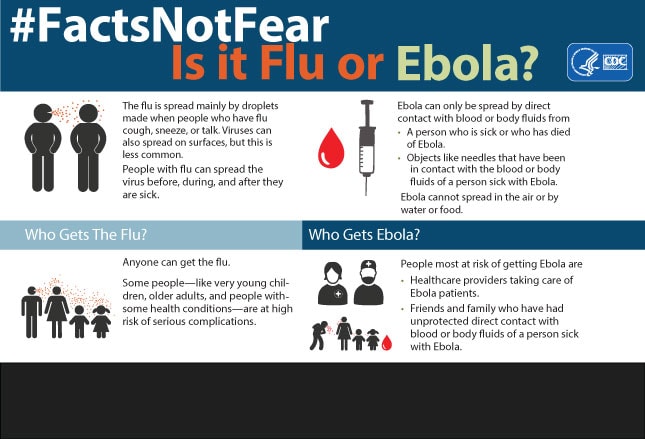
The Ebola virus

Borrelia, not really a bacteria, it’s a spirochete, which causes Lyme (not lime) disease

And the bacteria Staphylococcus, which causes “staph” (not staff) infections of the skin and Streptococcus, which causes “strep throat”.

If you have any questions or concerns about which vaccines you might need to protect yourself against infections, please consult your own personal physician.

Detailed information about vaccines and infectious disease  is available from the Centers for Disease Control and Prevention 

Preventing bacterial infections

  Prevention is a focus in healthcare now  and immunization has  been one of the most effective ways to prevent disease ever developed. The list of diseases that are “vaccine preventable” is long and continues to grow. Vaccine recommendations may be based on a person’s Vaccine administration may vary by Immunization protocols have  become so complex…

Exploring the HEART of health

I’d love for you to follow this blog. I share information and inspiration to help you turn health challenges into health opportunities.

Add your name to the subscribe box to be notified of new posts by email. Click the link to read the post and browse other content. It’s that simple. No spam.

I enjoy seeing who is new to Watercress Words. When you subscribe, I will visit your blog or website. Thanks and see you next time.

Dr. Aletha