a review of Being Mortal by Dr Atul Gawande

Dr. Gawande discusses end-of-life care- care when a disease has become terminal and a cure is no longer likely. Sometimes it is difficult to determine when that occurs. As he says, it is rare in medicine when there truly is “nothing more we can do”.

Being Mortal 

Medicine and What Matters in the End

by Atul Gawande

(This blog post features affiliate links which pays a small commission to this blog from purchases, without additional cost to you)

I read Being Mortal by Atul Gawande, M.D. (To be exact, I listened to the audio version)

Atul Gawande- Being Mortal-book cover

Dr. Gawande is a surgeon at Brigham and Women’s Hospital in Boston, Massachusetts and professor at Harvard Medical School. He writes for The New Yorker and has authored three other bestselling books.

In Being Mortal, he explores the way most people live, age and die and for the most part it’s not a pleasant prospect.

Caring for elderly people

As people age and lose independence due to frailness, illness, mental decline and poverty, they often also lose whatever is most important to them- their home, pets, hobbies, possessions. And these losses often occur to protect them from harm as they progress into assisted living centers, nursing homes and hospice.

Dr. Gawande describes how his  family in India expected  to care for their elderly relatives, which differed from what he saw happen when they immigrated to the United States. After becoming a physician, he recognized that our care of the elderly often robs them of the well-being that he sought to promote in his practice.

He wondered how it can be done differently. To find out, he interviewed people who are developing novel ways to provide care to older people, care that preserves their independence, dignity and choices while still keeping them safe and protected.

Most of us either have relatives or friends facing these decisions, or are facing them ourselves. If not now, we all will eventually. Whichever the case, this book show”s” the ultimate goal is not a good death but a good life-all the way to the very end. “

woman sitting in a cemetery
photo from the Lightstock.com collection, an affiliate link

“ the ultimate goal is not a good death but a good life-all the way to the very end.”

Atul Gawande

Caring for dying people

Finally, Dr. Gawande discusses end-of-life care- care when a disease has become terminal and a cure is no longer likely. Sometimes it is difficult to determine when that occurs. As he says, it is rare in medicine when there truly is “nothing more we can do”.

However, just because we can do something, doesn’t mean we should. Some treatments, rather  than extending life just prolong the suffering. Still it is heart wrenching for patients and families, along with their doctors, to decide that it is time to forgo treatment and instead opt for palliative care, with or without hospice.

(Palliative care focuses on symptom management and social and emotional support for patients and families.)

Dr. Gawande poignantly describes this process by sharing in detail his  father’s cancer diagnosis, treatment, progression, hospice care and death. He shows how difficult a process this can be, given that even he and his parents, all of whom are physicians, struggled to come to terms with the reality of terminal illness and the dying process. Though they were all familiar with and experienced in dealing with the medical system, they still felt unprepared to face the decisions required at the end of life. But in the end, both he and his father felt at peace with the outcome and Dr. Gawande senior did experience “a good life-all the way to the very end.”

Atul Gawande on Priorities, Big and Small

a podcast interview with Tyler Cowen

Other books by Dr. Gawande

Complications : A Surgeon’s Notes on an Imperfect Science

In gripping accounts of true cases, surgeon Atul Gawande explores the power and the limits of medicine, offering an unflinching view from the scalpel’s edge. Complications lays bare a science not in its idealized form but as it actually is―uncertain, perplexing, and profoundly human.

Better: A Surgeon’s Notes on Performance 

The struggle to perform well is universal: each of us faces fatigue, limited resources, and imperfect abilities in whatever we do. But nowhere is this drive to do better more important than in medicine, where lives may be on the line with any decision.

Atul Gawande, the New York Times bestselling author of Complications, examines, in riveting accounts of medical failure and triumph, how success is achieved in this complex and risk-filled profession

The Checklist Manifesto:How to Get Things Right

Atul Gawande shows what the simple idea of the checklist reveals about the complexity of our lives and how we can deal with it.

exploring the HEART of caring

Please follow Watercress Words for more information and inspiration to help you change health challenges into health opportunities.

Thank you for  viewing  the advertisements and using the affiliate links  that fund this blog; with your  help, we can grow, reach more people, and support worthy causes that bring health and wholeness to people around the world.

Dr. Aletha

please help support this blog; consider starting with the cost of a beverage

Choose an amount

$5.00
$25.00
$50.00

Or whatever works for you

$

I welcome and appreciate your support, it helps fund this blog and share the HEART of health all over the world.

Excess funds are donated to health related charities.
Dr. Aletha

Donate

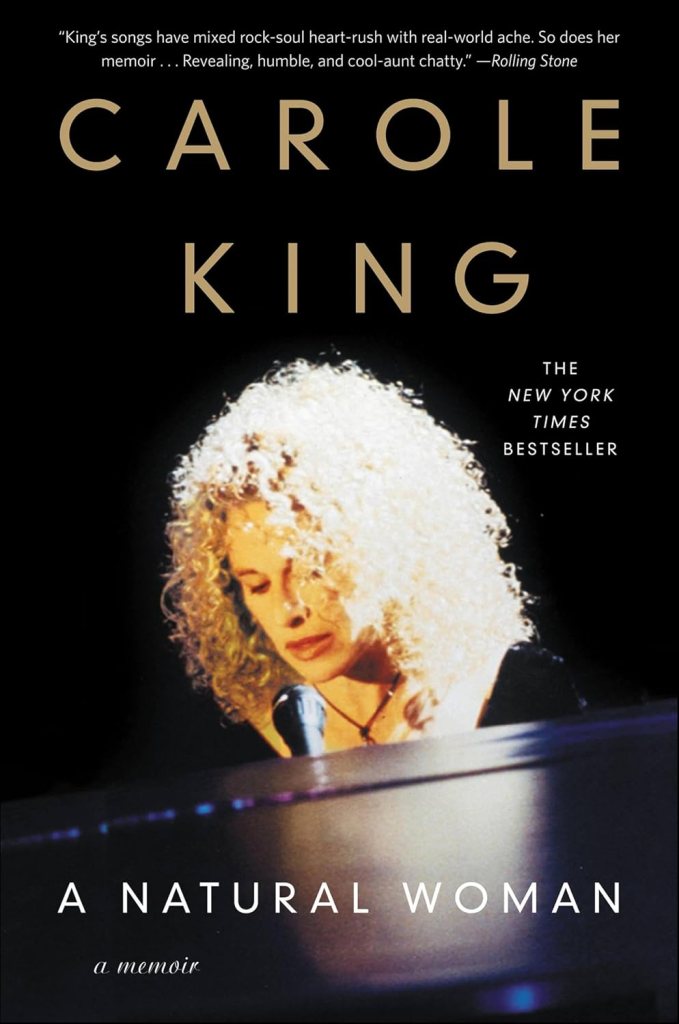
A Natural Woman- Carole King shares a lifetime of music, a season of pain

Carole King’s memoir, “A Natural Woman,” delves into her remarkable life as a Grammy Award-winning singer/songwriter. Despite her musical success, she faced profound personal challenges, including turbulent marriages and traumatic experiences. King’s resilience and candid account offer a powerful reminder of the complexities behind public personas and the importance of seeking help in times of struggle.

A Natural Woman: A Memoir

Although Carole King did not write “A Natural Woman” for herself (she and her first husband were asked to write it for Aretha Franklin), the song aptly fits her life also.

Carole grew up in a close Jewish family, attended school where she excelled in performing arts, and graduated early. She married young and loved her husbands (four of them) passionately. She doted on her four children and did all the typical mom things- driving them to activities, homeschooling, and sewing their clothes. She cooked food that she grew herself and even milked a goat she owned. She welcomed grandchildren and cared for aging parents.

She could almost be any 70-year-old woman- except she is a Grammy Award-winning singer/songwriter who has written over 100 songs, including many of the greatest hits from the 1970s. In 2013 she became the first woman to be awarded the Library of Congress Gershwin Prize for Popular Song.
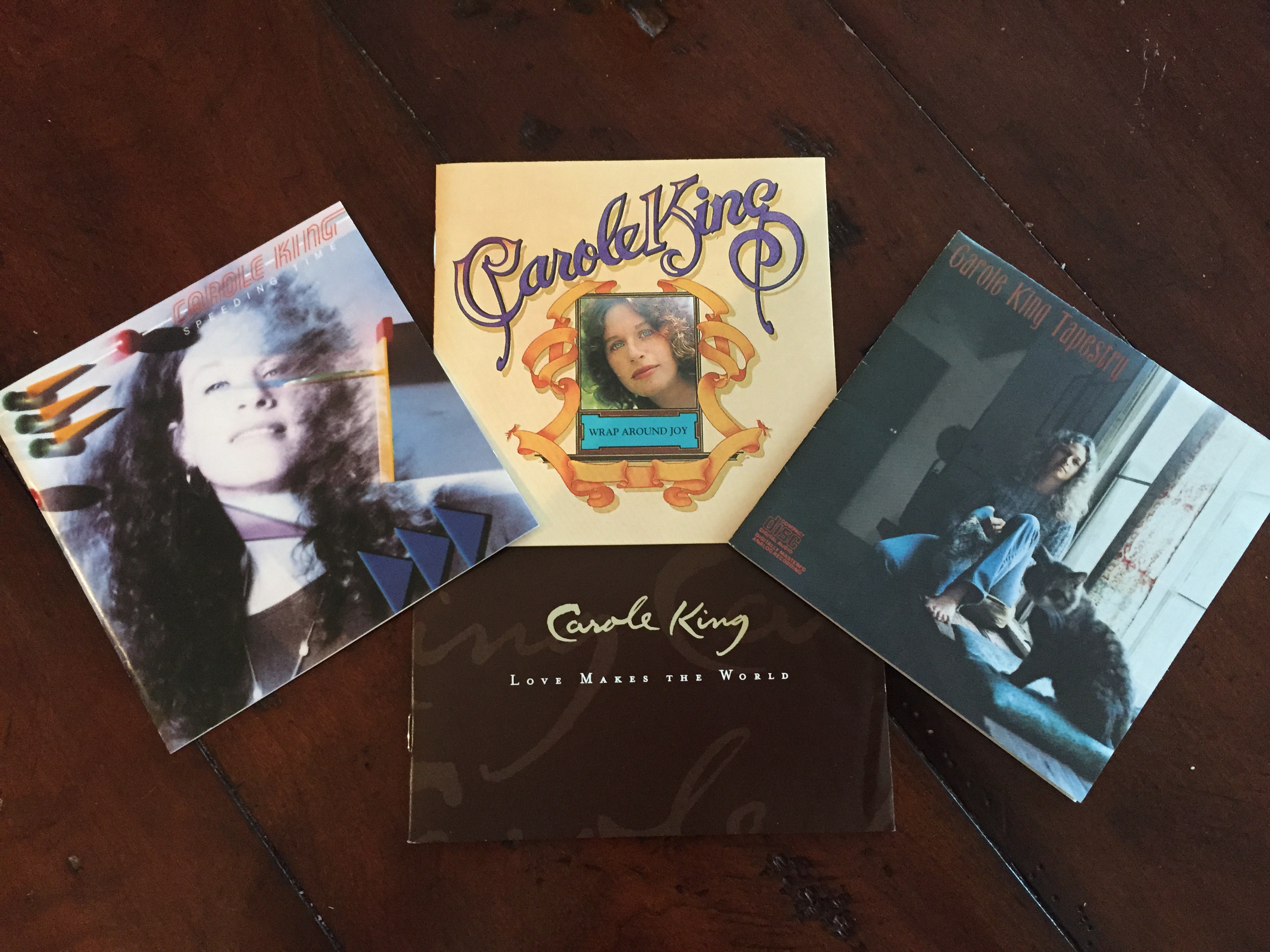
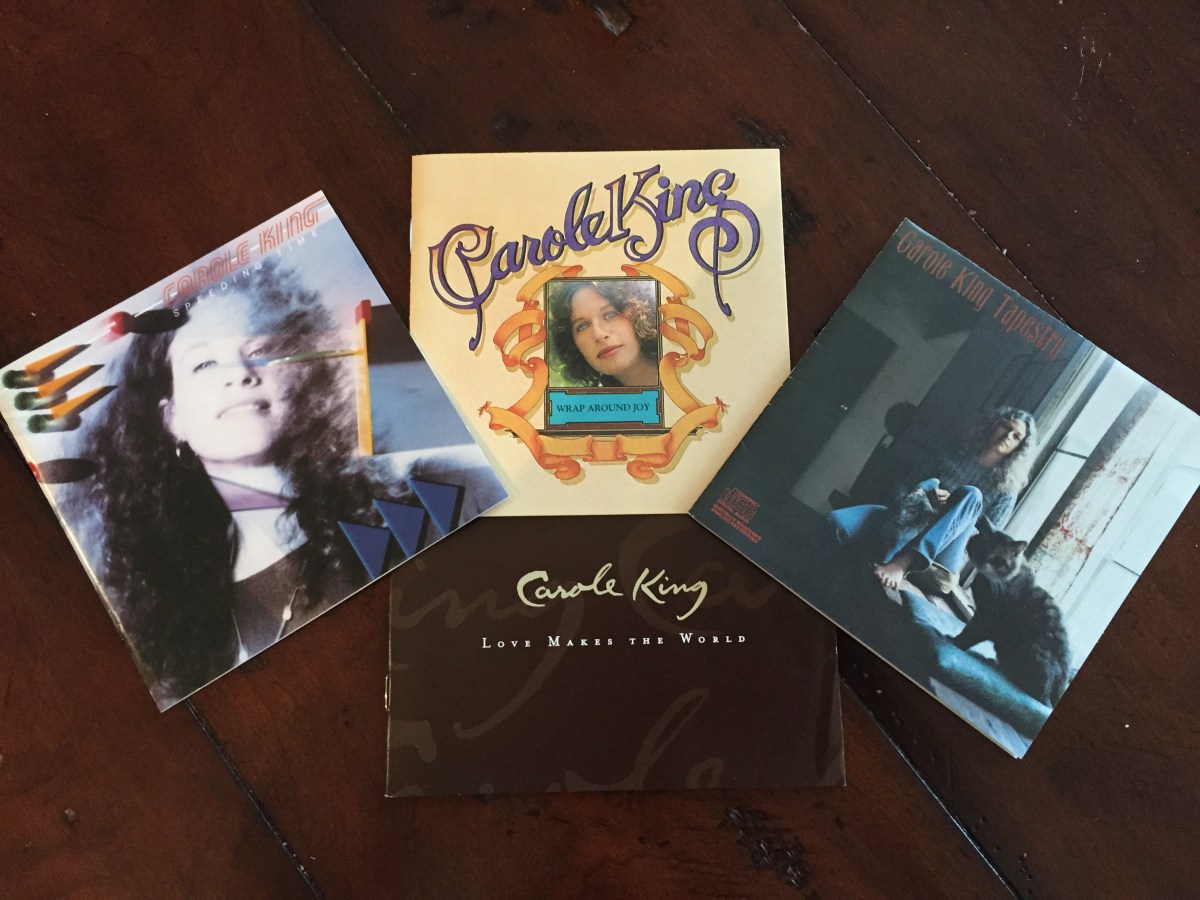
inserts from our Carole King music CD collection

The music

Ms. King was at the height of her career in 1972 when my husband and I met, and found we had a mutual appreciation for her music, and still do. So, even though I don’t read memoirs of celebrities, I made an exception this time. I wanted to know more about this talented woman, and I was not disappointed.

The pain

As  I listened to the book’s audio version, which she recorded,  I marveled how she managed to live such a normal and successful life while experiencing a series of traumatic experiences starting in childhood. These included

  • a sibling with physical and developmental disabilities
  • the breakdown of her parents’ marriage
  • financial instability in her early career
  • the conflict of her four failed marriages
  • an extended civil lawsuit
  • accidents resulting in serious physical injury
  • exposure to mental illness and substance abuse

The last issue is noteworthy in that it led to two of her divorces. It also led to several years in which she suffered verbal and physical abuse from one of her husbands, who was mentally ill and addicted to drugs.

She candidly admits that she submitted to it,  thinking she deserved it, he didn’t mean to hurt her, and that he would change. Fortunately, one night she literally woke up with the conviction that she needed help. Counseling helped her develop personal resources to resist and stop the abuse. She urges women in similar circumstances to seek help and recommends

 The National Domestic Violence Hotline | 24/7 Confidential Support.

I am sad she experienced such pain in her life, all the while brightening other lives with her music. She said that music helped her cope with the challenges in her life.

Her life reminds us that people who appear successful and accomplished in some areas of life may be unhappy and hurting in others. We may never know the pain that some have walked through to get where they are.

Carole King insists that she never wanted to be a star or diva, and she zealously guarded her privacy. According to this book, she values her family, relationships, writing songs, and sharing her music. I am glad she also decided to share this side of her life and the lessons it teaches.  Thank you, Carole King.

a selection of Carole King’s music

(these are affiliate links)

Tapestry  Carole King’s first and most successful album

Beautiful: The Carole King Musical  the story of Carole’s life and career

Live at the Troubadour Carole King singing with her friend James Taylor

exploring the HEART of health

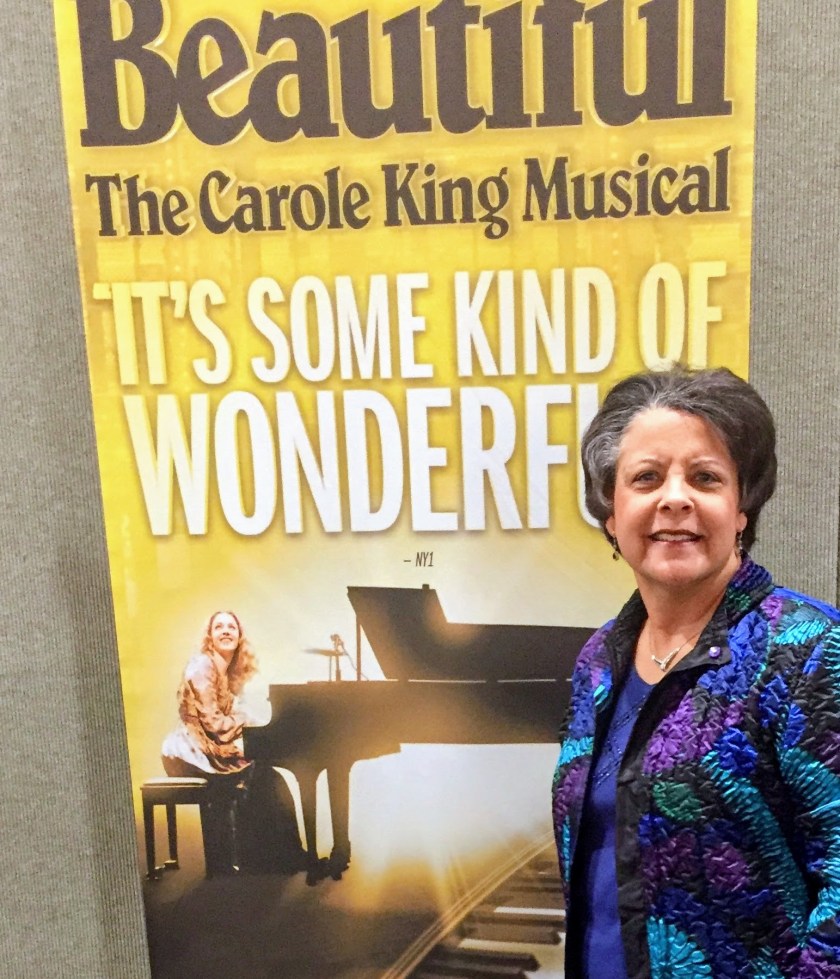
Now please read my post about the evening my husband and I saw the musical about Carole King’s life; it was “Beautiful”.

Beautiful- Remembering the Music of Carole King

In this post I remember a date night at the theater watching “Beautiful: The Carole King Musical,” highlighting King’s journey as a songwriter with Gerry Goffin. Despite their success in music, their marriage struggled due to infidelity and mental health issues. I have slso reviewed her memoir.

Keep reading

I’d love for you to follow this blog. I share information and inspiration to help you transform challenges into opportunities for learning and growth.

Add your name to the subscribe box to be notified of new posts by email. Click the link to read the post and browse other content. It’s that simple. No spam.

I enjoy seeing who is new to Watercress Words. When you subscribe, I will visit your blog or website. Thanks and see you next time.

Dr. Aletha