Health lessons from Martin Luther King, Jr.

Dr. King’s life reminds us of the  tragic effects of interpersonal violence; his mother, Alberta Williams King, also died violently.


updated January 15, 2022

The Reverend Dr. King led the Civil Rights Movement in the United States from the mid-1950s until his death by assassination in 1968.

His famous “I have a dream” speech, delivered at the Lincoln Memorial in Washington, D.C. is  remembered, read, and recited by people all over the country if not the world on Martin Luther King, Jr. Day every year.

The  United States observes the third Monday of January as a federal holiday in honor and memory of the birthday of the late Rev. Martin Luther King, Jr. (January 15, 1929)
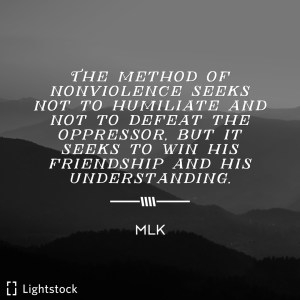
quote from Martin Luther King about hate

Dr. King’s life reminds us of the  tragic effects of interpersonal violence. His life ended suddenly and prematurely when, on April 4, 1968, an assailant shot him as he stood on a hotel balcony. He had delivered his last speech just the day before. The shooter was apprehended, and after confessing to the murder, sentenced to life in prison where he died.

Most people know of Dr. King’s assassination, but don’t know his mother, Alberta Williams King, also died violently. At age 69, sitting at the organ of the Ebenezer Baptist Church, Mrs. King was shot and killed on June 30, 1974. Her  23-year-old assailant received a life sentence and died in prison.

Violence, a major health risk

Violence between persons creates social, economic and political problems, and serious medical consequences. It is a leading cause of death, especially in children, adolescents and young adults.

Non-fatal injuries often cause severe and permanent disability that changes lives, burdens families and increases medical costs astronomically. These include

  • TBI, traumatic brain injuries
  • Spinal cord injuries leading to paraplegia, quadriplegia, ventilator dependence
  • Amputations of limbs
  • PTSD, post-traumatic stress disorder; other forms of anxiety; depression
  • Chronic pain, often leading to opiate dependence

Of all the forms of inequality, injustice in health care is the most shocking and inhumane.
Dr. King

The risk of health disparities

This observance also reminds us of the problem of health disparity. Health disparities are

preventable differences in the burden of disease, injury, violence, or opportunities to achieve optimal health

that are experienced by populations that have been disadvantaged by their social or economic status, geographic location, and environment.

These populations can be defined by factors such as

  • race or ethnicity,
  • gender,
  • education or income,
  • disability,
  • geographic location (e.g., rural or urban),
  • sexual orientation.

Health disparities are directly related to the past and present  unequal distribution of social, political, economic, and environmental resources

This was especially true with the COVID-19 pandemic. The CDC listed several reasons why this occurred.

  • There is evidence that people in racial and ethnic minority groups are more likely to live in areas with high rates of new COVID-19 infections (incidence).
  • Crowded living conditions and unstable housing contribute to transmission of infectious diseases and can hinder COVID-19 prevention strategies like hygiene measures, self-isolation, or self-quarantine.
  • Racial and ethnic minority groups are disproportionately represented in essential work settings such as healthcare facilities, farms, factories, warehouses, food processing, accommodation and food services, retail services, grocery stores, and public transportation.19,20,21,22 
  • Some people who work in these settings have more chances to be exposed to COVID-19 because -close contact with the public or other workers, not being able to work from home, and needing to work when sick because they do not have paid sick days.
  • Social determinants of health may also influence access to testing.
  • Underlying medical conditions that increase risk for severe illness from COVID-19 may be more common among people from racial and ethnic minority groups.19 Common underlying conditions among those who require mechanical ventilation or died included diabetes, high blood pressure, obesity, chronic kidney disease on dialysis, and congestive heart failure. 20 
  • Together, the evidence from the provisional death data from NCHS and recent studies clearly illustrate the disproportionate burden of COVID-19 deaths among racial and ethnic minority groups, particularly Hispanic or Latino, non-Hispanic Black, and non-Hispanic American Indian or Alaska Native people.

Long before COVID, doctors knew our Black patients fared worse with many common serious diseases

Learn Why 7 Deadly Diseases Strike Blacks Most  from WebMD

I have a dream over the image of Martin Luther King Jr.
photo by Ruel Calitis, Lightstock.com

I have the audacity to believe that peoples everywhere can have three meals a day for their bodies,

education and culture for their minds,

and dignity, equality, and freedom for their spirits.

Dr. King

You can learn more about Dr. King and listen to part of his famous speech at

Biography.com
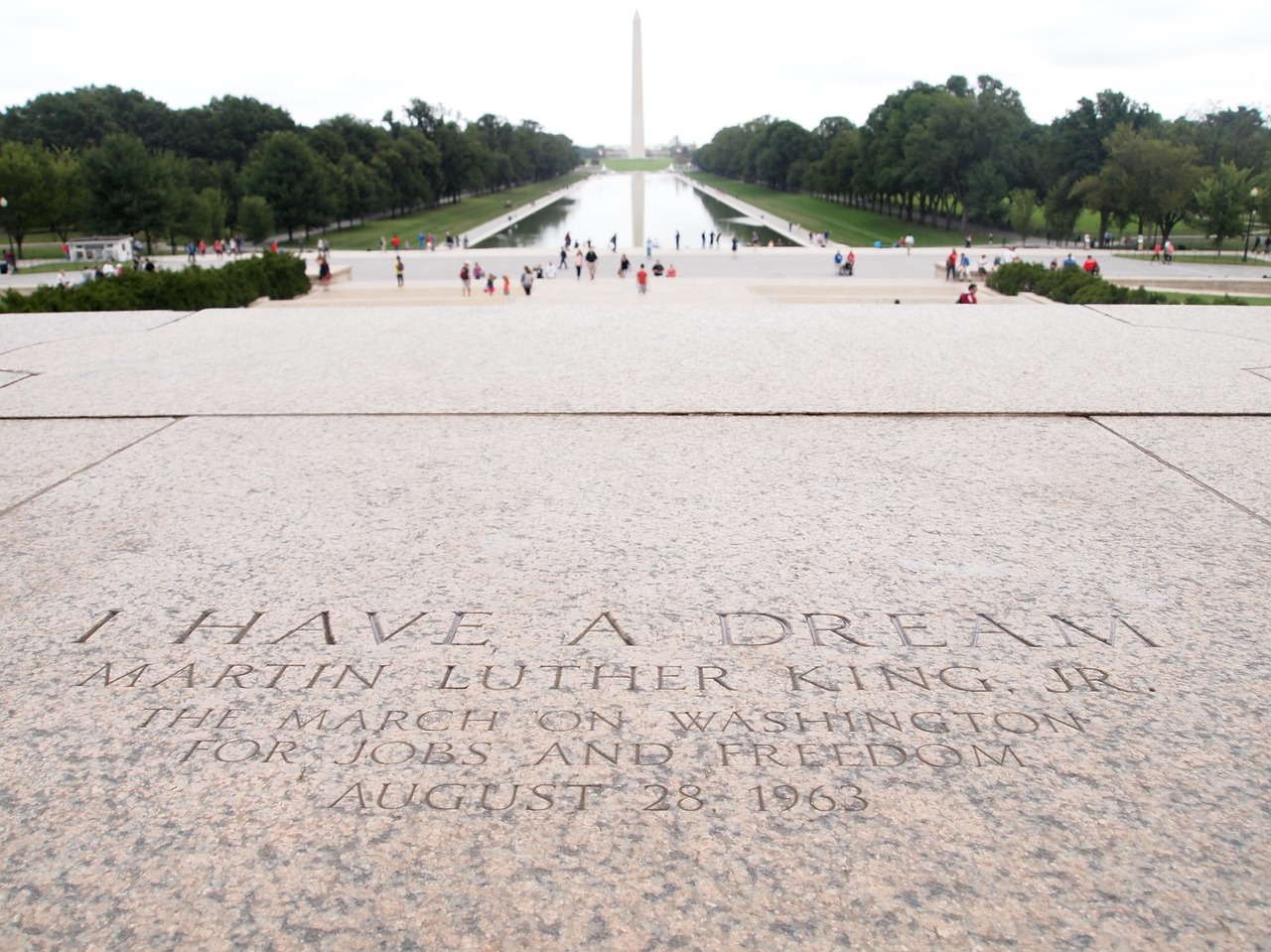
"I have a dream" by Martin Luther King, Jr.
Plaque honoring “I have a dream” speech by Dr. King , in Washington D.C. looking toward the Washington Monument

The following book suggestions lead to affiliate links which may pay a commission to this blog at no extra cost to you. These commissions help me fund this blog.

a biography about Dr. King written for children

I Am Martin Luther King, Jr.
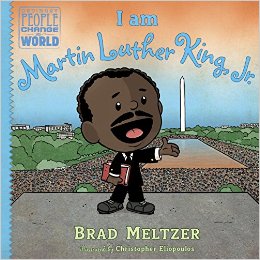
I am Martin Luther King book

exploring the HEART of health equality

Thank you for joining me to remember the late Dr. King. Please enter your email address to be notified of new posts as soon as they are available, you won’t receive anything else.

Dr. Aletha

Dr. Aletha

Keith Wheeler- a cross and a collarbone

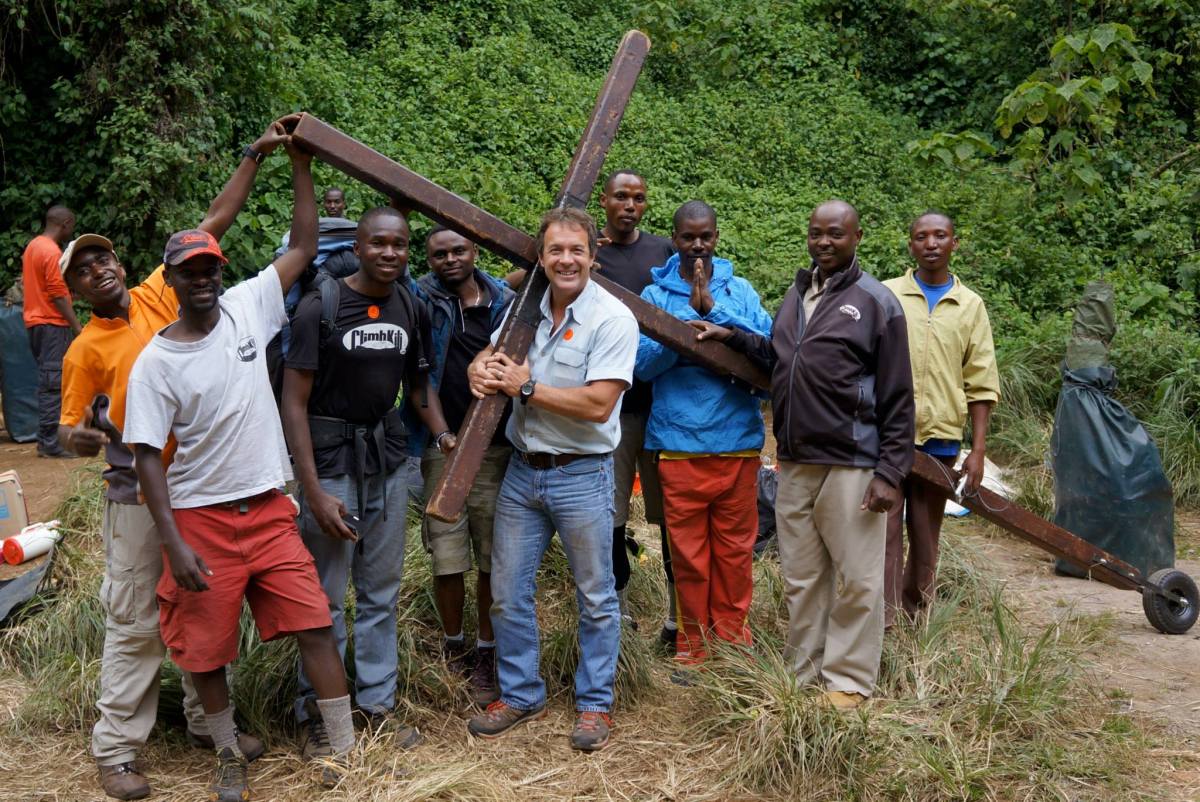
Keith walks around doing what he simply calls “serving God, loving people.” He started in Tulsa, Oklahoma on Good Friday 1985 and thought it was going to be a one-time event. But he felt God wanted him to continue carrying the cross around the surrounding towns, then the rest of Oklahoma, and on into surrounding states. And then he just kept walking- and carrying the cross.

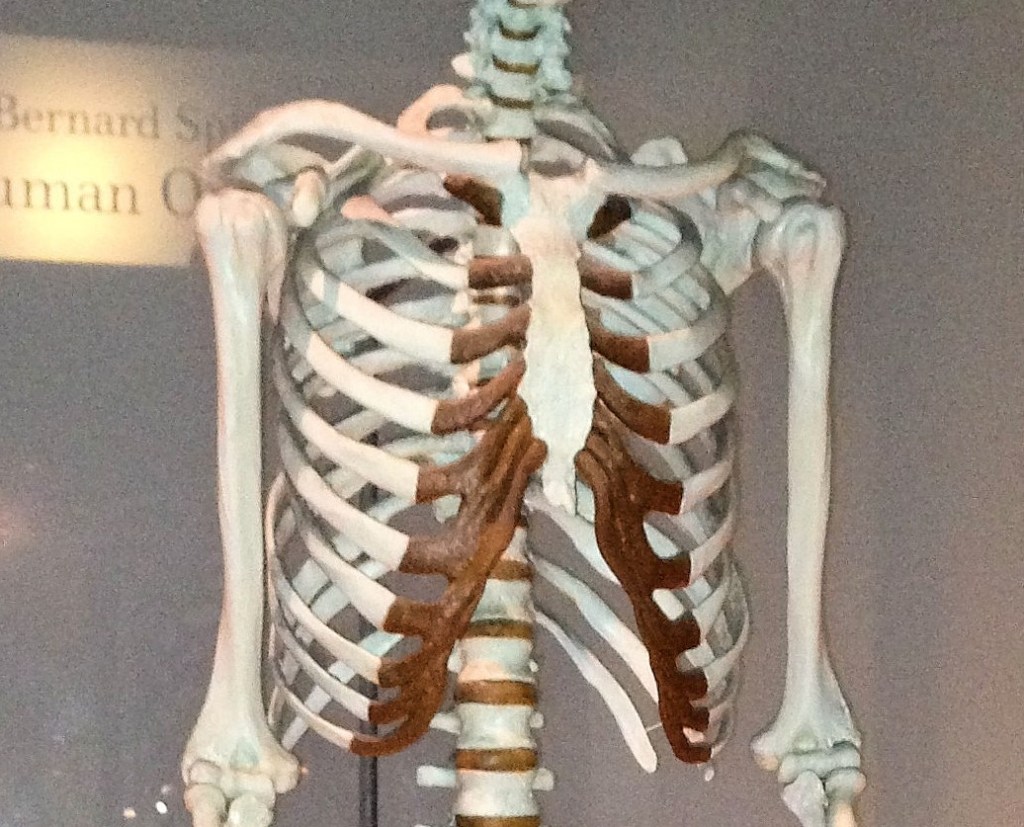
The clavicles are long thin bones that lie at the base of the neck, sitting just beneath the collars of a shirt, thus the common name, collarbones. They connect the sternum or breastbone to the shoulders on either side, thus creating a T or alternately a CROSS on the front of the chest.

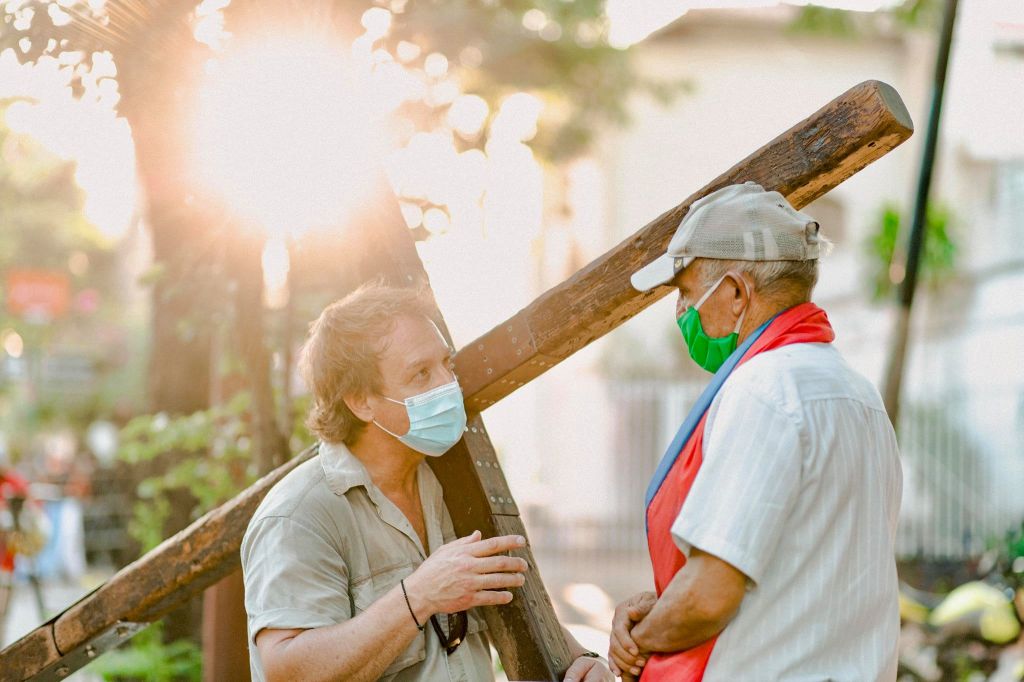
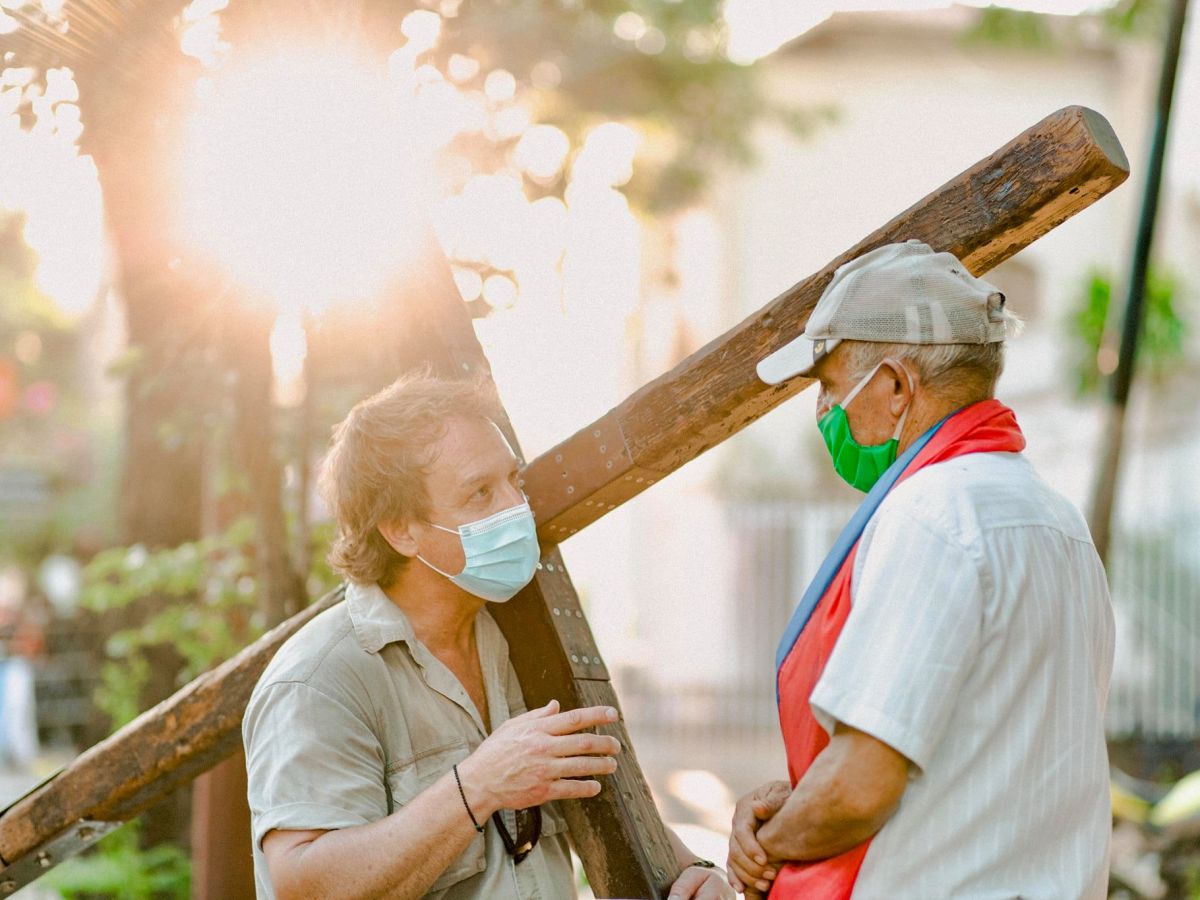
Keith and his 12 foot cross
The clavicles are 2 thin curved bones at the top of the chest that attach to the breast bone in the center forming a CROSS.

Keith Wheeler has a groove in his collarbone. I do too, a result of breaking mine when I was 8 years old. Keith’s isn’t due to trauma, at least not accidental. Keith’s notch is from carrying a literal cross across his shoulder.

On my collarbone I have a funny groove. I have about 1.5 inches(3.8 cm) of bone growth from bearing the weight of the cross on my shoulder all these years. That’s what the wood of the cross has done to my body. Yet, when we take up HIS cross it also shapes us – it shapes our heart, our attitudes, our actions…even the expressions on our faces!

Keith’s Facebook post

Since 1985, Keith has walked around the world-literally; he has covered over 27,000 miles on all 7 continents. It’s hard to know how many countries, since names and boundaries change, but it’s at least 180. And on every step he has taken, he has carried a 90 pounds, 12 feet by 6 feet cross draped over his shoulder.

Keith Wheeler
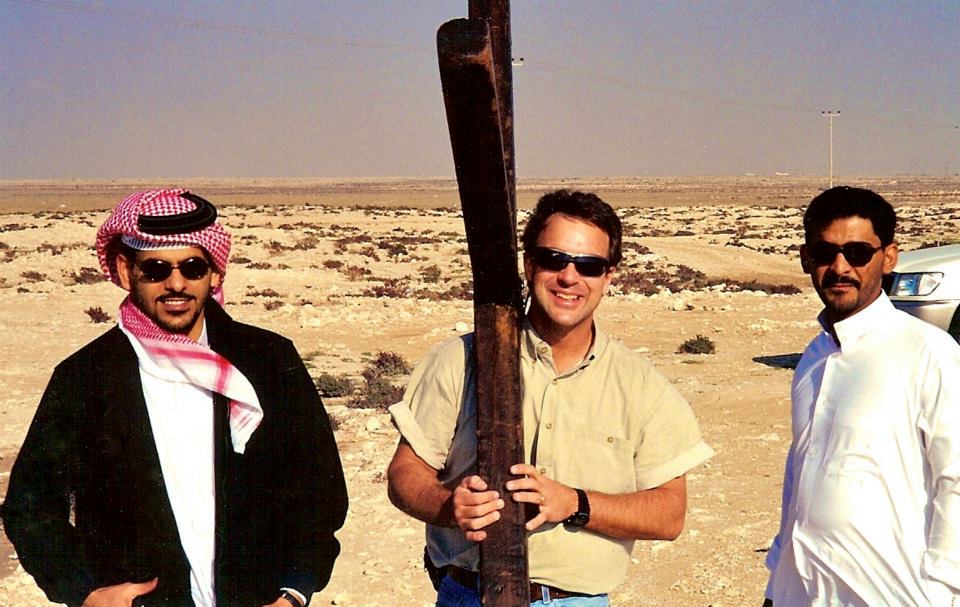
Keith in Saudia Arabia

But it really isn’t about the cross. Keith walks around doing what he simply calls “serving God, loving people.” He started in Tulsa, Oklahoma on Good Friday 1985 and thought it was going to be a one-time event. But he felt God wanted him to continue carrying the cross around the surrounding towns, then the rest of Oklahoma, and on into surrounding states. And then he just kept walking- and carrying the cross.

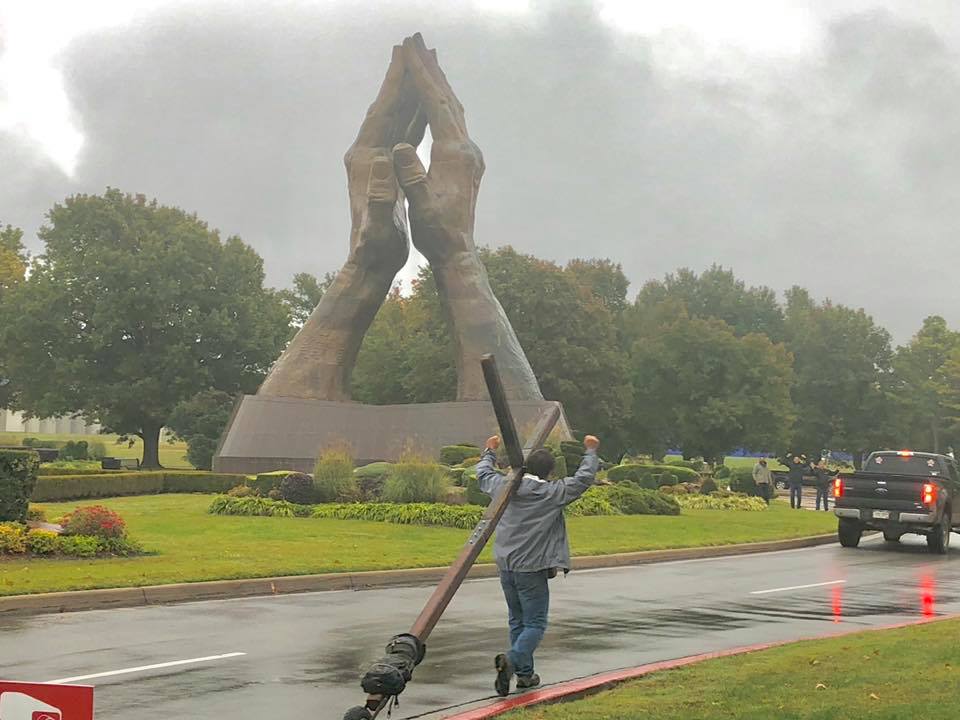
Carrying the cross on Lewis Avenue in Tulsa by the Praying Hands statue at ORU

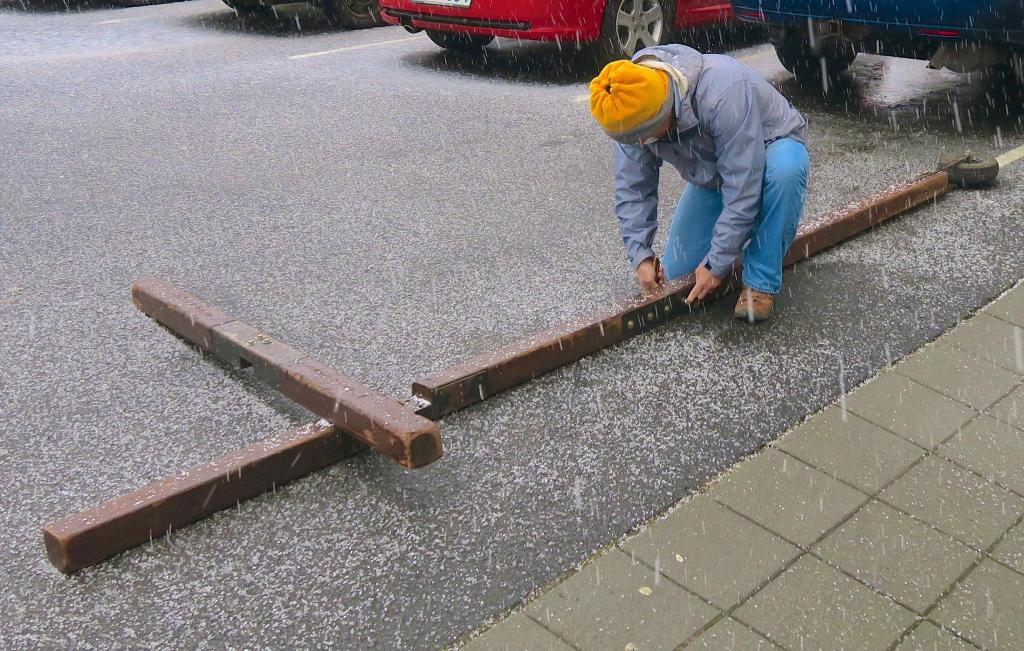
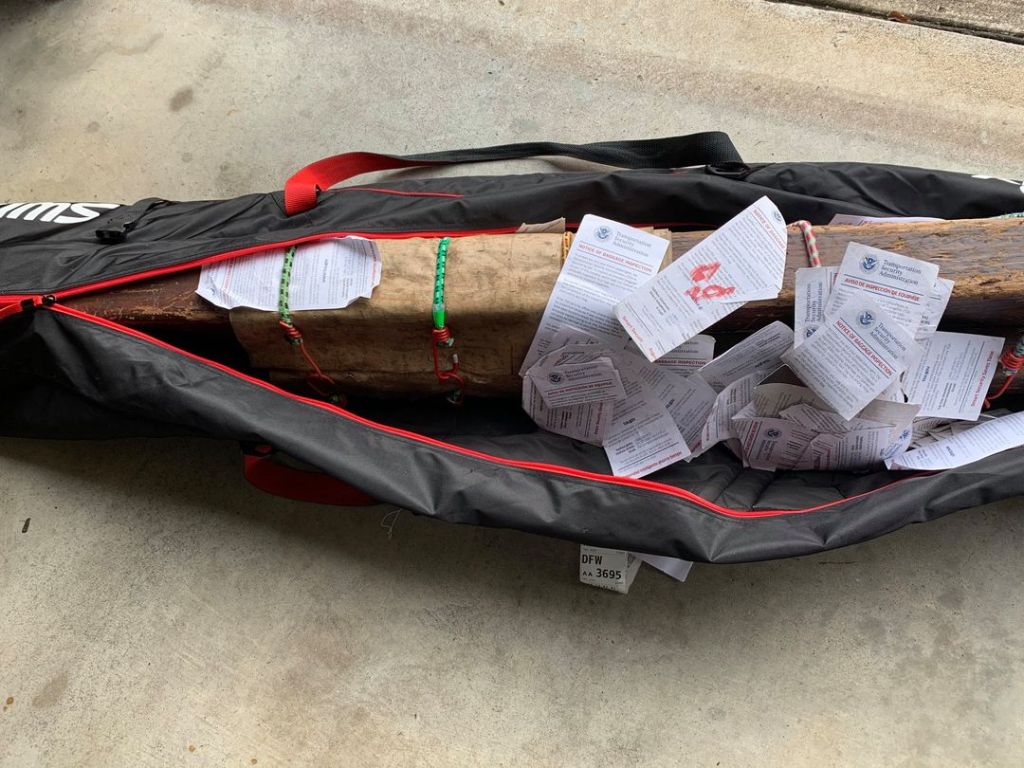
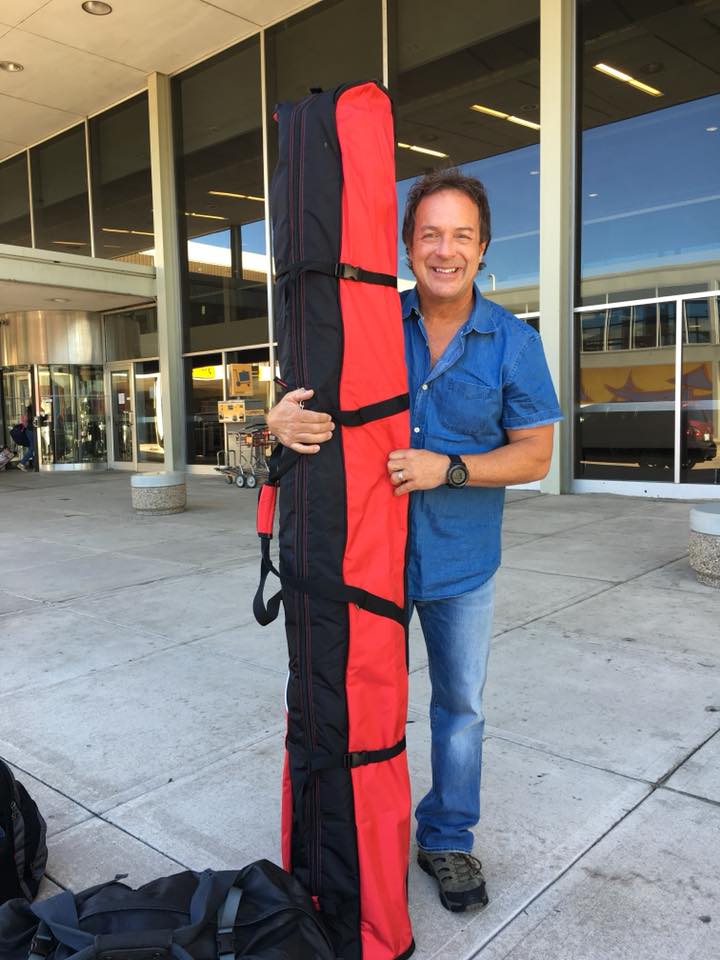
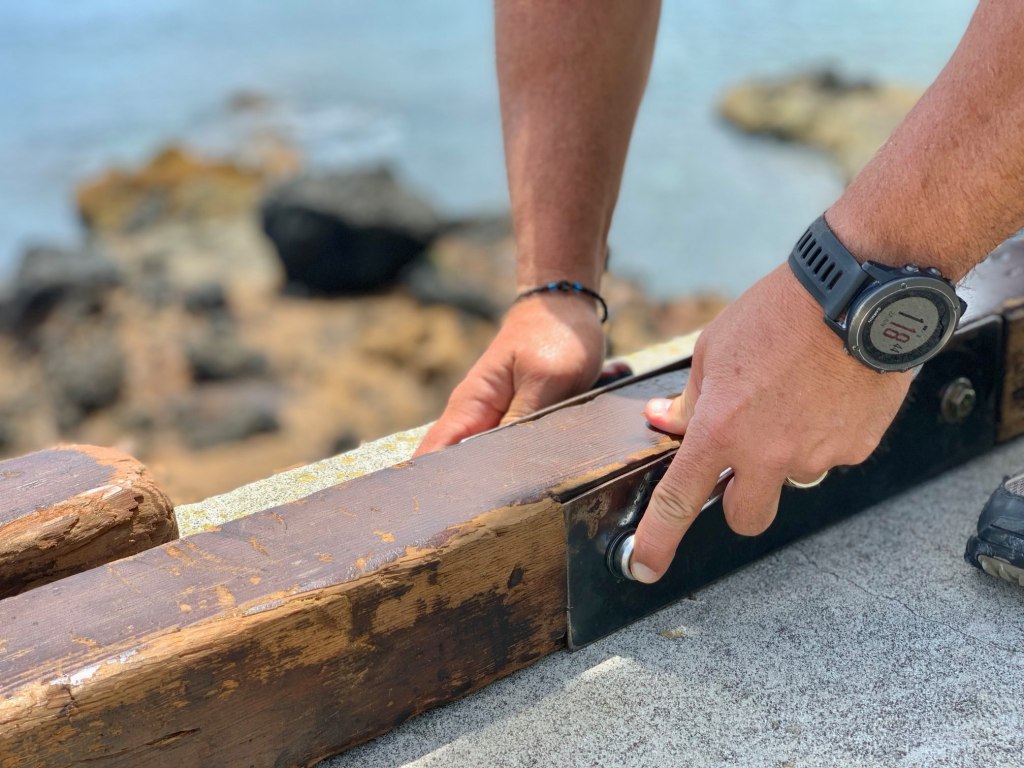
He has carried 3 crosses. The first cross was lost by an unnamed airline. He retired the second cross after 22 years, having carried it up Mt. Kilimanjaro; it now sits in his study. He currently carries his third cross. He takes it apart to pack it in a ski bag, protected by padding. There is a wheel on the end of the cross, not to protect him, but to protect the cross; he tried other ways, but nothing kept it from getting damaged as it dragged on the ground.

Keith Wheeler went to Tulsa to attend seminary at Oral Roberts University, ORU, without knowing it is a seminary, or as he decided to call it, a cemetery. He wasn’t sure what he wanted to do with his life, so he tried several things-youth pastor, radio announcer, gym teacher, coach. He even trained to enter the Olympics as a pole vaulter. (He laughingly says it isn’t hard to be the best at something few people try.)

A television preacher he was listening to said he believed God wanted someone to go to South Africa and carry a cross, but no one had been willing to go. Years later, one night Keith was alone in his room and in his heart felt God tell him to carry a cross in Tulsa on Good Friday.He thought this surely couldn’t be God, but felt these words burning in his heart,

“Anyone can carry a cross–think about Simon of Cyrene; he carried Jesus’ cross. Anyone can die on a cross–think about the two thieves on either side of Jesus. Only One, however, could die for the sins of the world… and that was because of love. I want you to take the cross and identify that message of love along the roadsides of this world.”

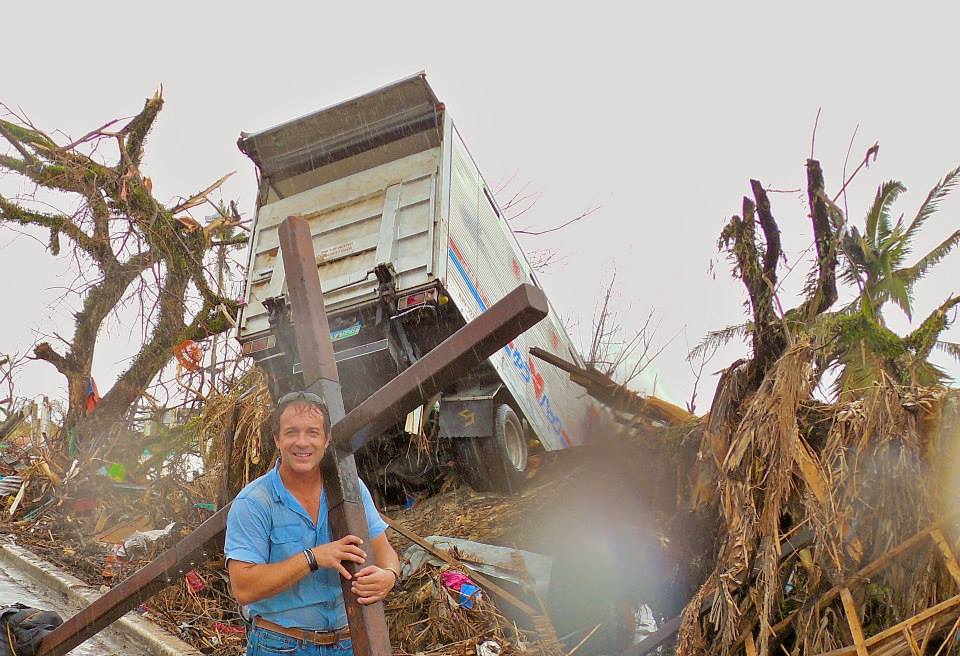
at the site of Typhoon Yolanda in the Philippines that killed 6000 people and displaced 4 million.

Keith points out that only once in the Bible did Jesus tell someone to be “born again” (John 3:3). But on multiple occasions, he said his followers must take up a cross and follow him.

Whoever does not take up their cross and follow me is not worthy of me.

Matthew 10:38 NIV

So, he did, and still does- in Tulsa, where I saw him one morning as I drove to work, and all over the world. When he travels, Keith never knows where he will sleep or what he will eat. He depends on God and the “kindness of strangers.”

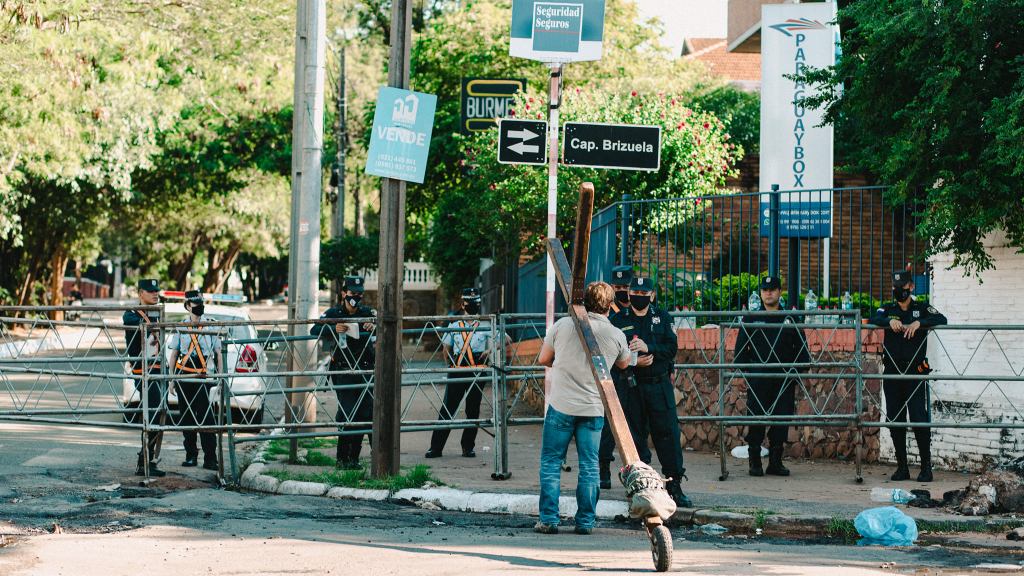
He has suffered physical injuries-broken ribs and a punctured lung. He has been arrested, jailed, beaten, and put in front of a firing squad.

an encounter with the policia

Once while walking in the dark in Uganda, he fell into a pit, and quickly realized it was a sewer full of human waste. It was too deep for him to climb out -until he realized he could climb out using the cross.

a COVID time-out

Nothing had ever stopped Keith from travelling and walking-that is until the world was plunged into a viral pandemic in 2020. From January to March he walked in Tuvalu, the Northwest Territories Canada, Brazil, and Paraguay but after returning to Tulsa in March of 2020 Keith did not leave the country for 9 months, instead walking in Oklahoma and other states.

In March 2021 when it was possible to travel internationally again he went to Paraguay. On the way home he began feeling unwell, and “developed the sniffles.”

On March 21, 2021, he was diagnosed with COVID-19.

To be continued..

In part 2 of this post, I’ll share from a conversation I had with Keith before he and his wife Nicole left for Paraguay right before Thanksgiving 2021. It’s hard to “interview” Keith because he doesn’t like to talk about himself. He prefers to talk about the “heart of Jesus” (John 13:23). But in our chat, he shared with me how COVID affected his health, ministry, and mission.

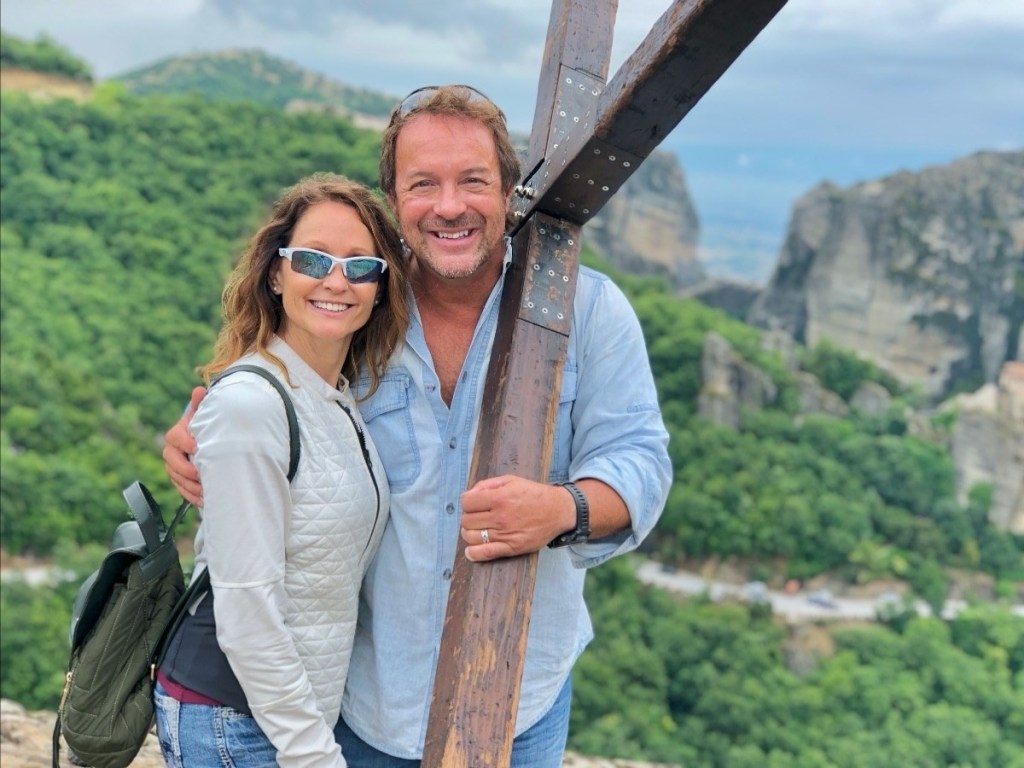
Nicole and Keith Wheeler
Nicole and Keith Wheeler, “carrying the cross around the world”

Until then, please visit Keith’s website, and follow him on social media, and watch some of his videos on YouTube. I’ve used several photos from the Wheelers’ collection, used with their permission here. Find many more on his site and social media.

No one pays Keith and Nicole to do this, and they rely on the generosity of friends for funds to travel. In appreciation for using his story, I have made a donation to his ministry. If you feel so inclined consider helping them at this link or here

Checks made payable to:
Keith Wheeler Ministries
PO Box 702706
Tulsa, OK 74170

exploring the HEART of health around the world

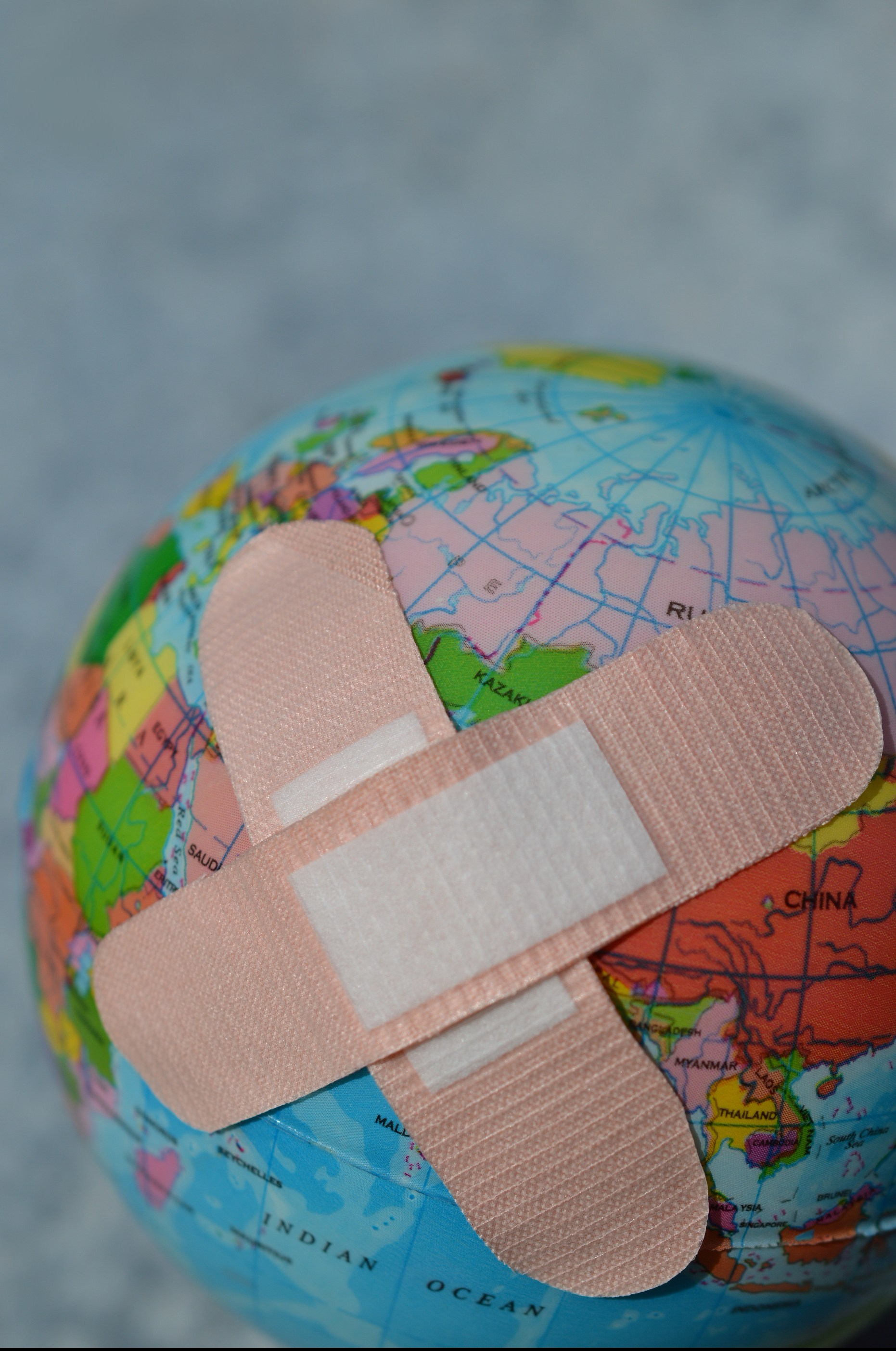
a world globe with two crossed bandaids

Doctor Aletha

This post was shared at

Grace & Truth, a weekly Christian link-up

Keith Wheeler-a Cross and COVID

No, I wasn’t mad at God, I know that bad things happen to everyone. Jesus said that whoever wants to save their life should lose it, (Luke 9:24) so I know that either way I would be with Him. Jesus is my hope, my confidence, and peace, in all my life, including COVID.

Keep reading

Keith Wheeler-Peacemaker Through Conflict

Keith Wheeler embarked on a remarkable journey, walking over 26,000 miles and visiting more than 200 countries, carrying a 90-pound cross to share God’s love. Amid the COVID-19 pandemic and social unrest, he adapted, spreading hope through social media and in his community. Keith’s thought-provoking reflections and unwavering faith offer a unique perspective on current…

Keep reading