Healthy Holiday Eating: Practical Management Tips

This post shares how holiday foods like marshmallows and eggnog, appear in traditions and songs. Holiday foods can challenge nutritional management of multiple health conditions. Here are practical tips for planning meals to accommodate dietary needs, while offering insights on healthy eating and managing sobriety during festivities. Ultimately, we can celebrate human connections over food.

What do marshmallows, pumpkins, eggnog, popcorn, and pears have in common?

They are foods associated with holiday recipes, and they’re mentioned in songs about Christmas. You’ll also recognize less everyday foods like chestnuts, figgy pudding, collard greens, and wassail.

Recipes from Holiday Carols 

sliced orange, orange with cloves

We enjoy holiday traditions of eating and drinking special foods and beverages; we even sing about them. But these can cause problems for people who need to manage what they eat and drink for medical reasons.

Nutritional management is vital to managing these conditions-

  • diabetes and high cholesterol
  • celiac disease/gluten sensitivity
  • nut and other food allergies
  • lactose intolerance
  • overweight/obesity
  • alcohol dependence
  • heart, kidney, and liver dysfunction
  • pregnancy
  • migraine
  • hypertension
  • irritable bowel syndrome
variety of party cookies on a plate

Practical tips for planning Holiday parties and meals

Planning ahead to manage holiday stress applies to cooking, entertaining, and eating during the holiday season.

If you plan and prepare holiday meals and parties, remember some attendees need to avoid or restrict certain foods. Offer an ample variety of food and drinks so your guests will find something that works for them.

If you have houseguests, they will appreciate your asking them about dietary needs or restrictions so you can have food available to meet their needs.

If you have special food needs, it is wise to offer to bring a dish to an event or take food to eat if you will be someone’s houseguest.
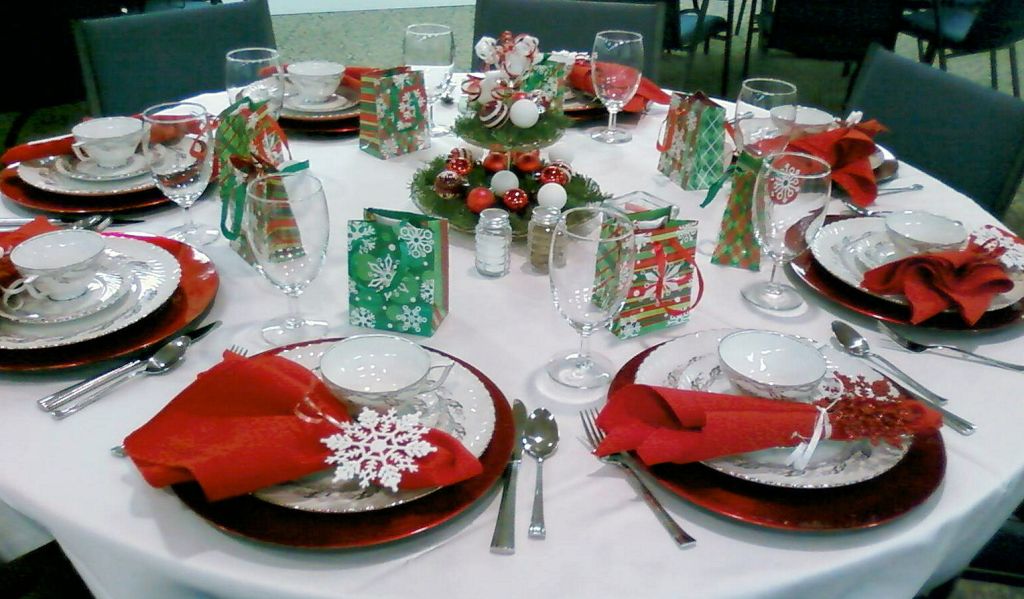
 

a table setting at a holiday brunch I attended


Healthy Eating and the Holidays

The Centers for Disease Control and Prevention offers tips for healthy eating for people with diabetes through the holidays. These are also helpful for others. Click the above link to learn how.

‘Tis the season for family, festivity, and food—lots of food. How do you manage diabetes during the holidays when food temptations are just about everywhere? Try these tips to help you stick to your diabetes meal plan this holiday season.

from the Centers for Disease Control

Tips for Everyone at the Holidays

  • You can still enjoy your favorite holiday treats in moderation. Focus on dishes you really love and can’t get any other time of year.
  • Sometimes there are too many holiday treats to fit into one meal. Instead of overeating, ask your host if you can take a favorite treat home for later.
  • Fill at least half your plate with vegetables and leave less room for unhealthy food.
  • Eat slowly. It takes at least 20 minutes for your brain to realize you’re full, so take your time before deciding if you want seconds.
  • Being active is your secret holiday weapon. It can help you digest your food better and reduce stress.
  • You may not have time for a long walk, but even 10 minutes after a big meal helps.


Delicious gluten-free recipes

Even if you are not gluten-sensitive, you may enjoy gluten-free dishes. Some taste even better than their gluten-containing cousins.



Maintaining Sobriety Through the Holidays  

from Addiction Hope 

“Be able to understand your limitations. Is it easy to say no to a drink in a restaurant setting but hard to avoid alcohol in a home environment? What types of scenarios are triggering to you? Knowing this ahead of time can help you work through situations and be prepared for what you might encounter.

Having an exit strategy can be a helpful tool to utilize in times of stress or pressure. This might include stepping out to call a trusted friend for support, going out for a walk, or practicing mindfulness techniques.”


Most of all, remember what the season is about—celebrating and connecting with the people you care about. When you focus more on the fun, it’s easier to focus less on the food.

CDC

Photo by Nicole Michalou on Pexels.com

 Sharing the HEART of the holidays

As a Christmas gift to me and your friends, please share this post with friends in an email or on your social sites. Thanks.

I’d love for you to follow this blog. I share information and inspiration to help you transform challenges into opportunities for learning and growth.

Add your name to the subscribe box to be notified of new posts by email. Click the link to read the post and browse other content. It’s that simple. No spam.

I enjoy seeing who is new to Watercress Words. When you subscribe, I will visit your blog or website. Thanks and see you next time.

 

a small cute decorative snowman figure

Dr Aletha

Unfortunately, food allergies don’t take a holiday. This post reviews how those with food allergies can eat well and safely.
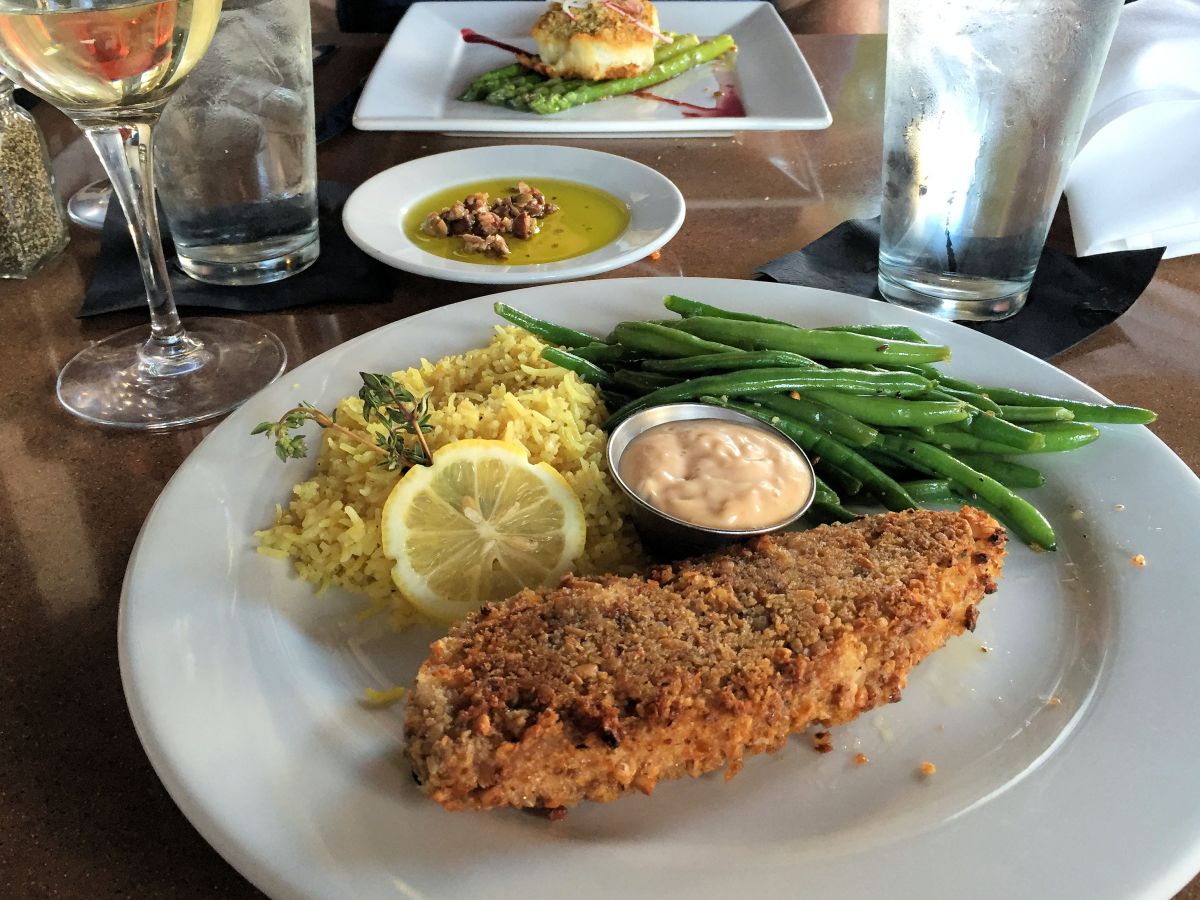
How to manage food allergy with confidence

Up to 10% of the population have true food allergy, while 50-90% of people who believe they have food allergy may not. An accurate diagnosis is important so the condition can be managed properly when appropriate, but not needlessly..

Keep reading

6 steps to save your sight

An eye doctor, either an optometrist or ophthalmologist, can detect early signs of eye disease, even before you notice a problem.

When you think about preventing illness, do you focus on the worst diseases, those that threaten life- cancer, heart attacks, stroke, violence. But non-fatal conditions can also “threaten life”, putting the quality of our lives in danger.

Vision impairment may contribute to severe and significant loss of function and well being.

If you include people whose vision problems can be corrected with glasses or contacts, it may be the most common disability in the world. But even excluding those people, vision loss still affects millions of people in the world.

7544656342_0888fb4638_b
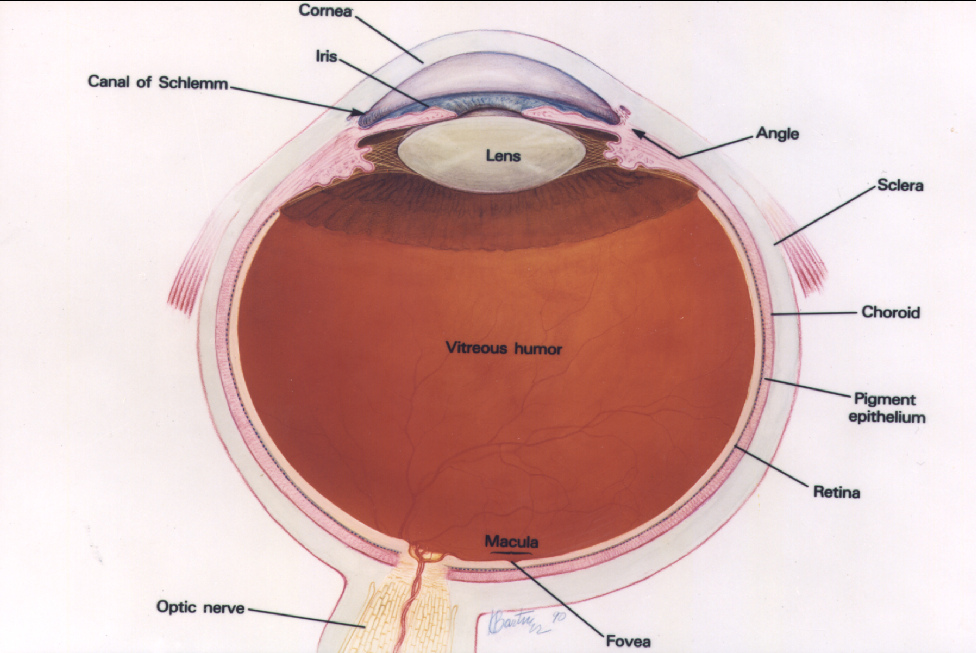
diagram of the eye

Courtesy: National Eye Institute, National Institutes of Health (NEI/NIH)


(This post includes several affiliate  and non-affiliate links for your reference and to support this blog. )


key facts about vision loss

  • 285 million people are estimated to be visually impaired worldwide
  • 39 million people  are blind and 246 million  have low vision.
  • About 90% of the world’s visually impaired live in low-income settings.
  • 82% of people living with blindness are aged 50 and above.
  • Globally, uncorrected refractive errors are the main cause of moderate and severe visual impairment.
  • Cataracts cause most  blindness in middle- and low-income countries.
  • The number of people visually impaired from infectious diseases has decreased in the last 20 years .
  • 80% of all visual impairment can be prevented or cured.
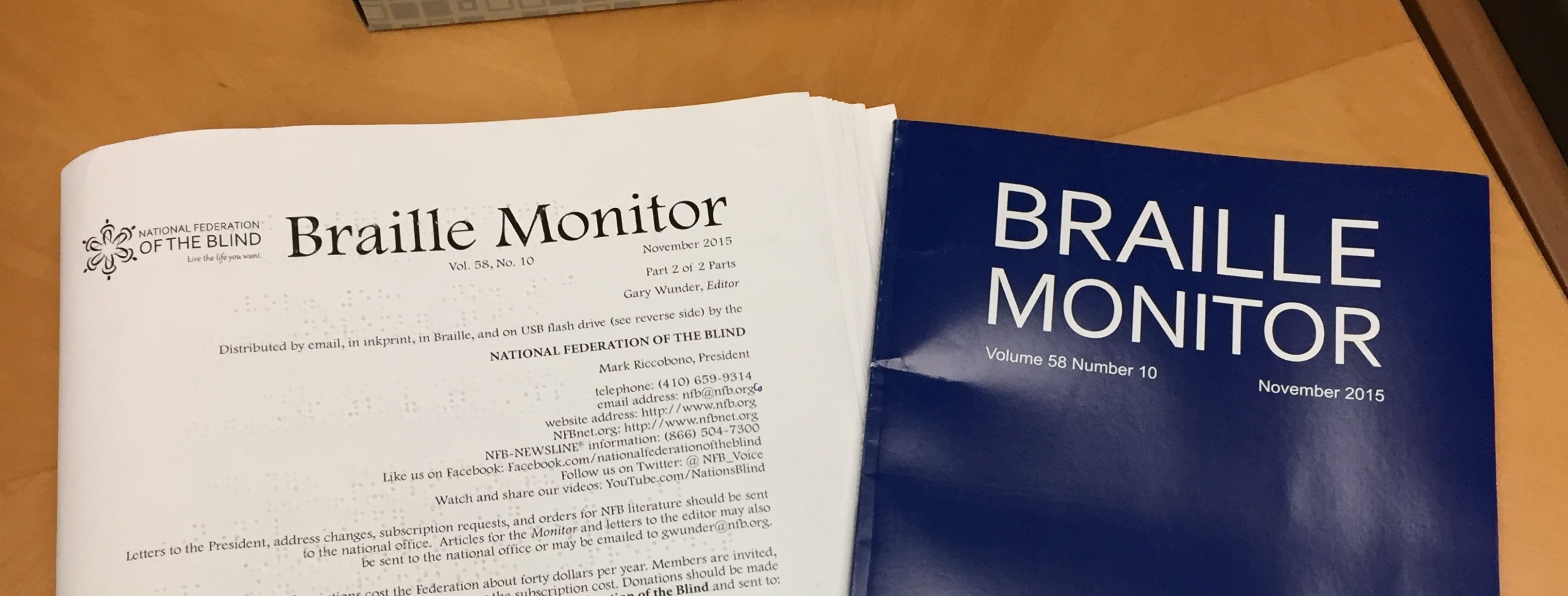
Braille system: A system of raised-dot writing devised by Louis Braille (1809-1852) for the blind in which each letter is represented as a raised pattern that can be read by touching with the fingers.

Braille system: A system of raised-dot writing devised by Louis Braille (1809-1852) for the blind in which each letter is represented as a raised pattern that can be read by touching with the fingers.

The four most common refractive errors are:

A refractive error is a common eye disorder. It occurs when the eye cannot clearly focus the images from the outside world, causing blurred vision.

  1. myopia (nearsightedness): difficulty in seeing distant objects clearly;
  2. hyperopia (farsightedness): difficulty in seeing close objects clearly;
  3. astigmatism: distorted vision resulting from an irregularly curved cornea, the clear covering of the eyeball.
  4. presbyopia: which leads to difficulty in reading or seeing at arm’s length, it is linked to ageing and occurs almost universally.

Refractive errors are commonly corrected with glasses or contact lenses, or refractive surgery.

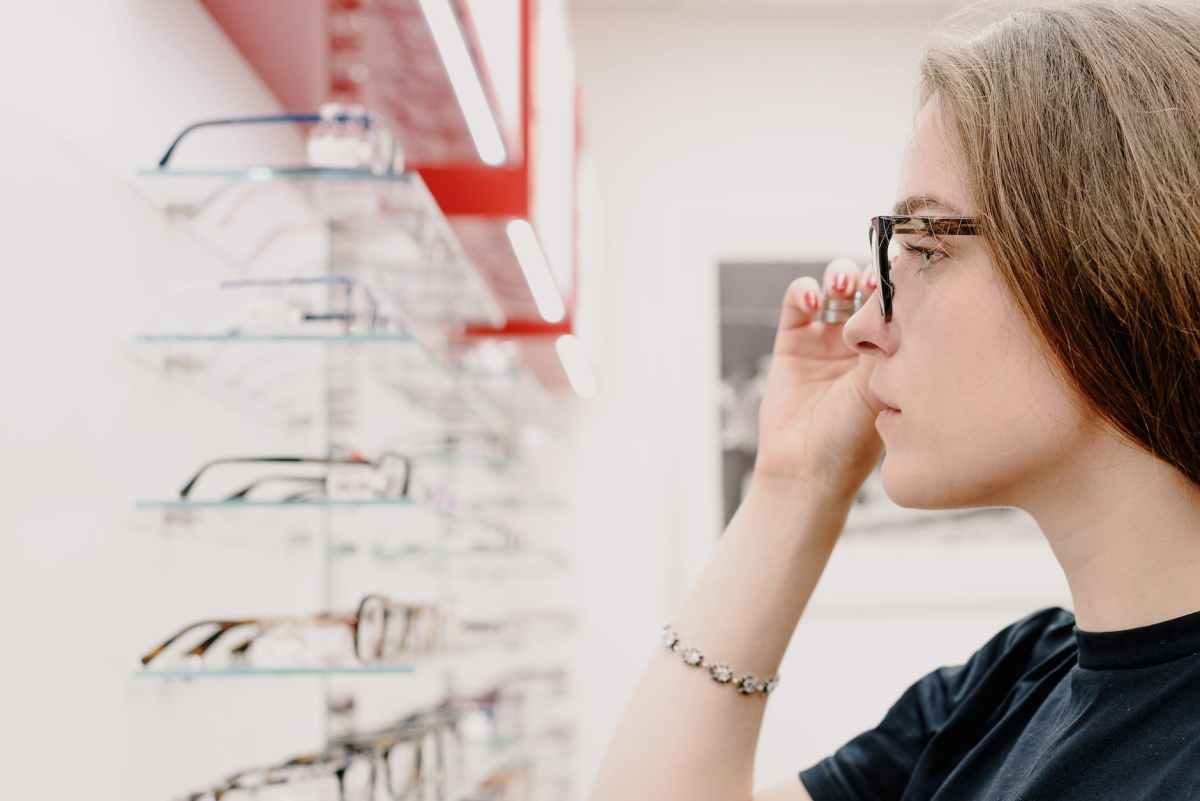
Glasses or contact lenses for myopia, hyperopia and astigmatism need to be made with a prescription based on the results of an eye exam by a professional.

Glasses for presbyopia, commonly called reading glasses, can be purchased online or in many retail stores and get be fitted by trying on different strengths until you find one that works the best. Most people use them for close work like reading, sewing, crafts, drawing, and games.

I use contacts  to correct my vision impairments-myopia, astigmatism, and presbyopia. One eye is corrected for distance and the other corrected for near . I can read, drive, watch television, dance, take care of my home and work without difficulty.

macular degeneration

My husband fights to protect his vision. He had severe myopia which was partially corrected with surgery. He subsequently developed early onset macular degeneration, a condition which destroys the retina of the eye causing loss of central vision.

Progression of the degeneration is slowed with regular injections of a drug originally developed to treat cancers. (If a shot into the eye sounds painful, it is.) He has  had removal of cataracts. So far he is able to function visually, but he appreciates his sight and does whatever he can  to preserve it.

Globally, the causes of blindness are

  • cataract (47.9%) the leading cause of visual impairment in all areas of the world, except for developed countries.
  • glaucoma (12.3%),
  • age-related macular degeneration (AMD) (8.7%),
  • corneal opacities (5.1%),
  • diabetic retinopathy (4.8%),
  • childhood blindness (3.9%),
  • trachoma (3.6%)
  • onchocerciasis (0.8%).

In many developing areas of the world, public health measures aim to eliminate the source of the infections that cause trachoma and onchocerciasis, and save the sight of millions of people.

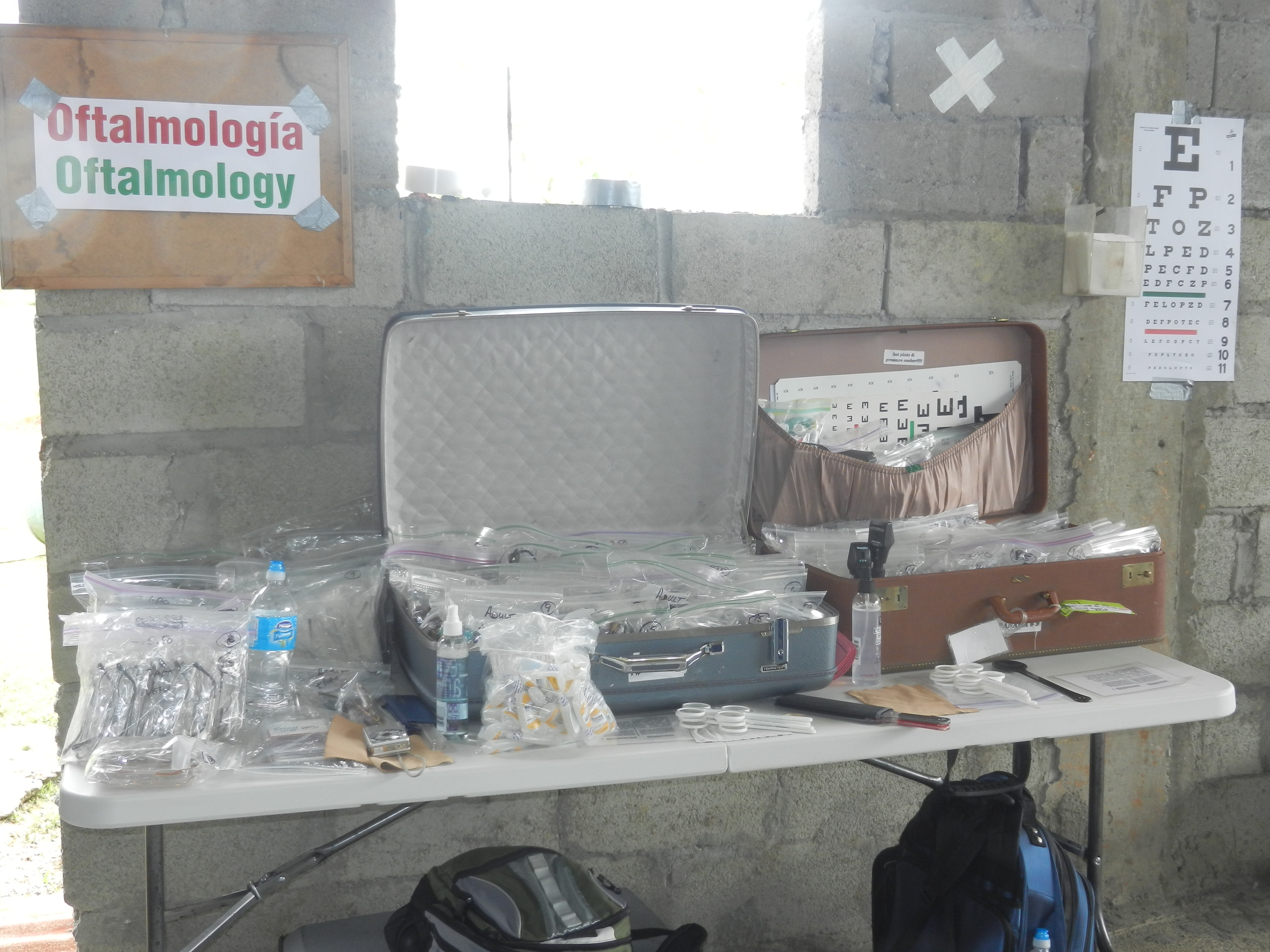
basic supplies for eye exams in a developing country
Eye doctors on a volunteer medical team used these supplies to do eye exams  in a remote area.

You can protect and save your sight with these steps-

(The following sections contain several affiliate links; using these links costs you nothing extra and helps support this blog. thank you. )

An eye doctor, either an optometrist or ophthalmologist, can detect early signs of eye disease, even before you notice a problem. Go here for an explanation of what each of these professionals do .

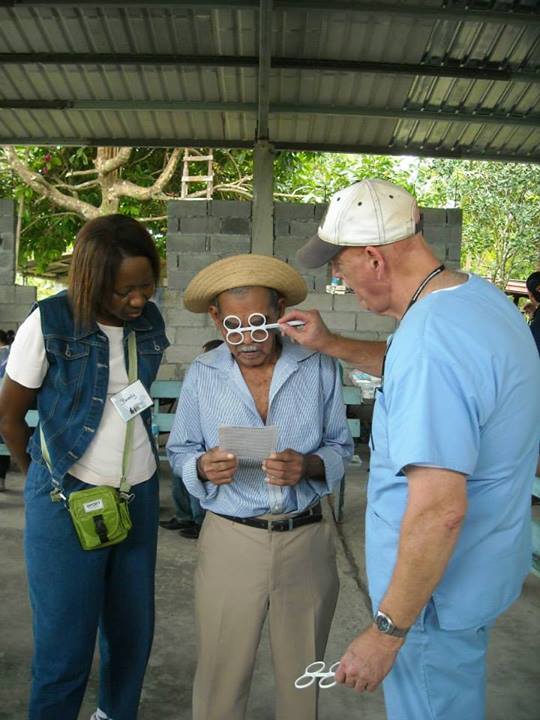
an older man having a simple eye test for glasses
A patient reading a chart to determine the appropriate strength for reading glasses. A missions team distributed glasses at no charge in this Central American country.

Smoking constricts the blood vessels supplying the eye with oxygen rich blood, thereby suffocating the tissue. This contributes to cataracts and macular degeneration.

2015-08-07 14.55.59


Here are some surprising reasons to avoid smoking


Sun exposure also contributes to cataracts so wearing UV protective sunglasses is recommended.

Macular degeneration has been associated with low intake of vitamins A, C, and E, omega 3 fatty acids, lutein and zinc. The best source for this is food.  For people who already have macular degeneration or who are at high risk, eye doctors may recommend a vitamin supplement which provides these nutrients.

Diabetes contributes to blindness by damaging the retina. Good control of blood sugar helps to prevent or slow this, as well as regular monitoring and laser treatment when needed.

Vision loss is one of the most common complications from diabetes and one that can be prevented or minimized. If you have diabetes, take it seriously and work with your doctor to manage it well.

You may have diabetes and not know it. Certain symptoms may indicate diabetes; read about them here.

If you have not been tested for diabetes, ask your doctor if you should. It’s a simple blood test called Hemoglobin A1c

Other chronic conditions associated with vision loss are heart disease and stroke, hypertension, high cholesterol, sickle cell disease, and multiple sclerosis.

In addition to wearing sunglasses when outdoors, appropriate protective lenses should be worn during sports. People who work at jobs involving power tools or chemicals need protective goggles in case of splashes or flying bits of material. Children, adolescents and young adults are most likely to lose vision from traumatic injuries.

I know how tempting it can be to cut corners when cleaning, storing, discarding and wearing contacts. But when used incorrectly, contacts can cause more problems than they solve. Contact lens wear can cause trauma, infections and dryness that can damage the cornea. Don’t risk turning correctable vision problems into long term harm. Get the details on caring for contacts here and use only products recommended by your eye professional.

Helen Keller

lost her sight but gained a mission

The Story of My Life is an autobiography of Helen Keller, a woman who was both blind and deaf since infancy. Her remarkable story was told in a movie, the

The Miracle Worker  was a movie about Keller for which Anne Bancroft and Patty Duke as Helen won Oscars for Best Actress and Best Supporting Actress

The uniquely remarkable life of Helen Keller

Keller is remembered for her advocacy for persons with blindness and other physical disabilities. But her social and political advocacy may not be so well known, it wasn’t to me. In politics, she could be considered an early progressive, having joined the Socialist Party of America. She was a founding member of the American Civil Liberties Union.

Keep reading

sharing the HEART of health

What did you learn from this post? If you haven’t had an eye exam in the past 1-2 years, consider making an appointment soon. No matter how young or old you are it’s not too early or too late to start protecting your sight.

Please use the highlighted links to get more information about any of the topics I mentioned.

I invite you to follow this blog by leaving your email so I can notify you when I post something new. In the meantime, please look at other posts her now

Thank you for  viewing and using the affiliate link and advertisements  that fund this blog; with your  help, we can grow, reach more people, and support worthy causes that bring health and wholeness to people around the world, including saving someone’s sight.

please help support this blog; consider starting with the cost of a beverage

Choose an amount

$5.00
$25.00
$50.00

Or whatever works for you

$

I welcome and appreciate your support, it helps fund this blog and share the HEART of health all over the world.

Excess funds are donated to health related charities.
Dr. Aletha

Donate