
What does “health” mean to you?
Maybe you think of something like the World Health Organization definition of health.
“a state of complete physical, mental, and social well-being and not merely the absence of disease or infirmity”

But do you know
There’s a Lot More to Health than Not Being Sick
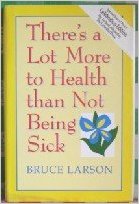
So, what is “a lot more”?
I’m introducing you to two medical writers who believe health is multifaceted and not centered around the presence or absence of disease.
Health- flux and adaptation
(Note: this post uses affiliate links to sites where you might make a purchase which will help fund this blog; your help is appreciated. )
Enjoying life to the fullest
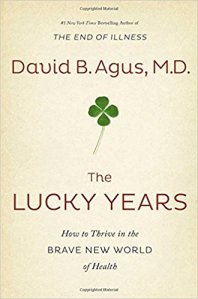
Despite the author’s impressive credentials, I was skeptical about a health book called The Lucky Years , as if health is just a matter of the luck of the draw or throw of the dice.
The author is David B. Agus, M.D. , Professor of Medicine and Engineering at the University of Southern California , , author of bestselling books and a CBS News contributor.
In The Lucky Years- How to Thrive in the Brave New World of Health Dr. Agus covers some hefty topics including
- how the human body ages
- Innovative cancer treatments with immunotherapy , DNA sequencing, and molecular targeting
- The use of clinical trials to study new treatments for cancer and other diseases
- How cancers metastasize (spread)
- Potential uses for stem cells
- New insights into the development of antibiotic resistance
- Proteomics- study of the body’s proteins
- The relationship of antibodies to common viruses to onset of chronic diseases
Rather than highly technical detail he offers a broad overview of these new technologies and how they may help treat and potentially prevent the main causes of death, that is cancer and chronic diseases like heart disease and diabetes.
He recommends patients understand and use technology to maintain and improve their health and not rely solely on their doctor to do so and to actively participate in the healthcare system.
He believes that health data will be used to prevent, detect and treat disease and to prolong life.
Large quantities of such data, organized in a secure database, will help us predict risk and recommend preventive measures, such as already done with
- Colonoscopy to prevent deaths from colon cancer
- Aspirin and statin use to prevent cardiac deaths
- Management of low grade cancers conservatively, avoiding the use of surgery or chemotherapy
The body is an incredible self-regulating machine. You don’t need to do much to support its health and optimal wellness.”
Health is in perpetual flux.
I agree with Dr. Agus’ views on what health is, or rather what it is not.
“I don’t know what true health is, particularly on an individual basis.
For person A, health can be living totally free of illness and disability.
For person B, however, perhaps health means managing a condition well and enjoying life to the fullest despite some disability.
While we can certainly try to measure health in a variety of ways- weight, cholesterol, blood sugar, blood cell count, hormone levels, markers of inflammation, how you look, and how well you sleep, for example- none of those figures or generalizations will tell the whole picture.
And they won’t reveal how many years and days you might have left on this planet.”
He offers this advice –
“I encourage you to view your total health as a complex network of processes that cannot be explained by looking at any one pathway or focal point. Health is in perpetual flux.
A constant state of healthy adaptation
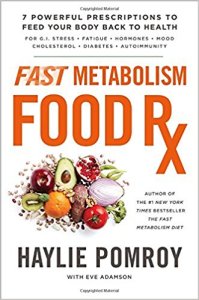
Nutritionist Hailey Pomroy, author of Fast Metabolism Food Rx, recommends using food as “metabolic medicine.”
“Food integrates with your body to create health in a powerful way.”
She explains health using the formula E + M = H which means
Eating, Exercise, Environment plus
Metabolism, Metabolic pathways, Me equals
Health, Homeostasis, Harmony
In this formula, E stands for everything we put into our bodies and everything around us, including people, our jobs, and the weather.
M is what is inside of you, including your genetic makeup, and what happens when your body processes (or metabolizes) food, nutrients, toxins, and medications.
“Health doesn’t always mean you are disease free, It means your body has created a homeostasis or internal balance, …is a constant state of healthy adaptation or flux.”
So, what does HEALTH mean to you?
Considering their advice, think about what health means to you.
Use these questions to get started.
- Do you use any technology to manage your health and medical care? If so, is it helpful, or just more busy work?
- What is your relationship with your personal physician? Do you rely on your doctor to tell you what you should do, or recommend what you should do to stay healthy and treat ailments?
- Do you know what medical conditions you are at risk for, and what you can do to prevent them?
- What health measures are important to you, like blood pressure, cholesterol, weight, BMI, mammogram, and why?
- Are you “living life to the fullness” and if not, why not? What could you change to make that happen?
- How do you use food?
- What factors make up your E and your M? Do they add up to the Health that you want to create?
exploring the HEART of health
I’d love for you to follow this blog. I share information and inspiration to help you transform challenges into opportunities for learning and growth.
Add your name to the subscribe box to be notified of new posts by email. Click the link to read the post and browse other content. It’s that simple. No spam.
I enjoy seeing who is new to Watercress Words. When you subscribe, I will visit your blog or website. Thanks and see you next time.
Dr. Aletha
- About Dr. Aletha
- How to Use this Site
- Make Your Life Easier
- Search by Category
- Share the HEART of health
- my Reader Rewards Club
- RoboForm Password Manager





 watercress words by Dr Aletha