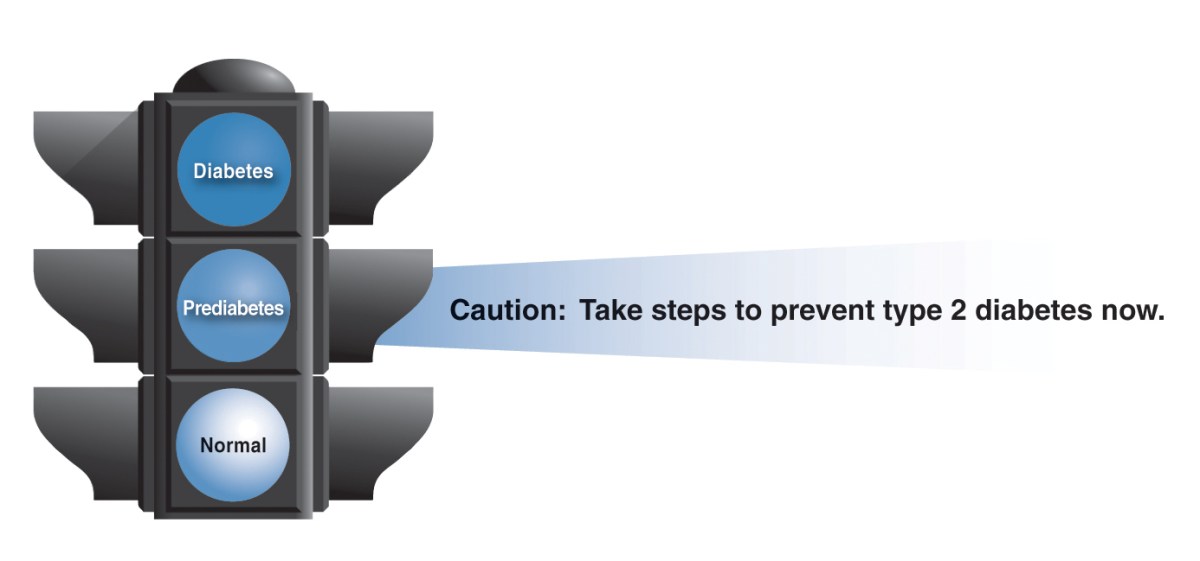
10 Silent Signs of Diabetes

Diabetes mellitus type 2, often linked to obesity, complicates blood glucose control for overweight individuals. It contributes to serious complications such as heart disease, kidney failure, and neuropathy. Early diagnosis and effective management through lifestyle changes and medication are crucial. Everyone should be aware of symptoms and high-risk factors for diabetes.

updated November 11, 2025

Diabetes mellitus type 2, sometimes called “sugar diabetes”, is one reason  I have posted several articles about obesity.  Obesity is strongly associated with diabetes.

People who are overweight or obese are at greater risk of developing diabetes, and if they are diabetic, their blood glucose (sugar) will be more difficult to control. Unfortunately, some of the medicines used to treat diabetes cause weight gain, or make weight loss difficult.
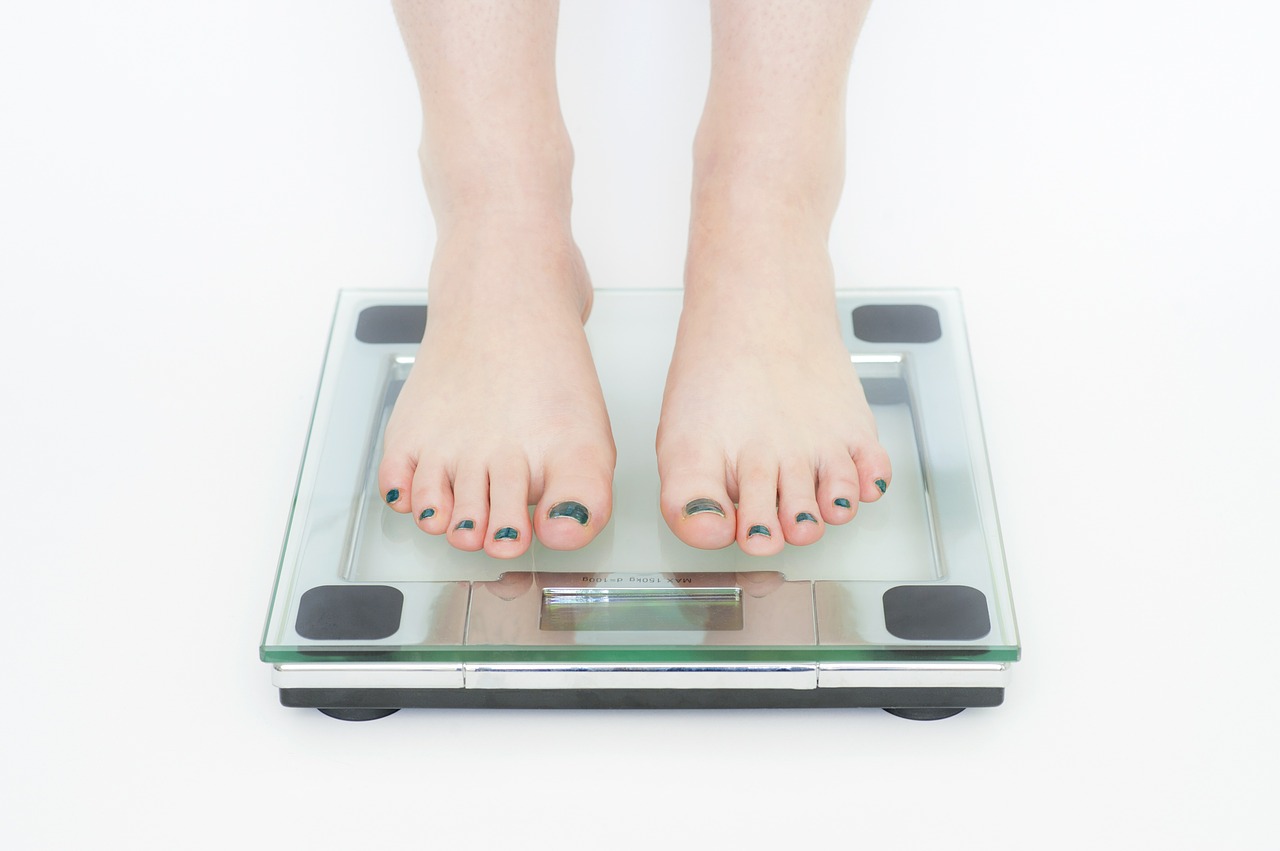
Diabetes and obesity are interrelated; we don't always know which came first.
Diabetes and obesity are interrelated; we don’t always know which came first.

Diabetes-a misunderstood disease.

People know cancer, heart disease, stroke, and Alzheimer’s disease are serious, but may minimize diabetes. They would be more concerned if they know diabetes directly contributes to many other conditions that decrease quality as well as length of life.

Diabetes directly contributes to

  1. atherosclerosis, a fancy name for narrowed or blocked arteries, the blood vessels that carry oxygen rich blood; this can lead to heart attacks, stroke, loss of vision-retinopathy,  limb pain, and amputation
  2. loss of kidney function, called nephropathy, which can progress into ESRD (end stage renal disease)
  3. damage to nerves, causing painful neuropathy with numbness and tingling in the feet, impotence, bowel and bladder dysfunction, dizziness among other symptoms.
diagram of the human heart
Heart diseases affect any and sometimes multiple parts of the heart- the atria, ventricles, the valves, the aorta, the pulmonary artery and veins, the walls and the coronary arteries (not shown in this diagram. )

Diabetes-a Treatable Disease

First, diabetes is easy to diagnose; a simple blood test, sometimes repeated for confirmation, can find it quickly.

Second, through a combination of lifestyle  and medication, diabetes can be controlled effectively.

diabetes-528678_1280
Diabetes is treated with a combination of diet, exercise, and medication. Many diabetic persons monitor their blood sugar regularly.

Diagnosing Diabetes

Anyone can develop diabetes; even children and teenagers are developing it now.

Anyone with these symptoms persistently should see their doctor, as they can indicate undiagnosed diabetes.

  1. extreme thirst
  2. increased hunger
  3. significant weight loss without trying
  4. unexplained fatigue
  5. blurry vision
  6. frequent urination
  7. tingling hands and feet
  8. sexual problems
  9. sores that don’t heal
  10. heat intolerance in warm weather

We know that some people are at greater risk- so they should be tested for diabetes even without symptoms

Persons at higher than average risk include 

  • older age, especially over age 40
  • overweight/obese persons
  • women with a history of gestational diabetes (diabetes during pregnancy)
  • Black, Native American and Hispanic persons in the United States;  (worldwide various other ethnic groups are at higher risk)
  • Family history of diabetes, especially if in a parent or sibling
  • Persons with high blood pressure and/or high cholesterol
It is especially important to control blood pressure and cholesterol when diabetes is present.
Control of blood pressure and cholesterol when diabetes is present.
 
Detailed information about diabetes can be found here
 

The National Institute of Diabetes and Digestive and Kidney Diseases-Diabetes Overview


Exploring the HEART of Health

I’d love for you to follow this blog and follow me on social media.

I share information and inspiration to help you transform challenges into opportunities for learning and growth.

Add your name to the subscribe box to be notified of new posts by email. Click the link to read the post and browse other content. It’s that simple. No spam.

I enjoy seeing who is new to Watercress Words. When you subscribe, I will visit your blog or website. Thanks and see you next time.

Dr. Aletha

How to lose weight when nothing else has worked.

In helping people lose weight, there is a significant gap that needs to be closed. When diet/exercise fails, we need something less invasive  before resorting to surgery with its significant risks and complications. One option is prescription medication.

This post has been updated July 22, 2021

On this blog we’ve looked at

how lifestyle changes can make losing weight possible and

which weight loss programs work best.

 But what if those do not work? Studies show that any low fat, low carb , or other restricted calorie diet can lower weight, but then weight tends to plateau and may even rise again.

For severely overweight people, especially with a BMI of 30 or more, this means that even if they lose weight, they still have not reached  a healthy weight. For them, some type of weight loss (bariatric) surgery may be considered.

For some, medication is a good option for weight loss.
For some people, medication is an acceptable option for weight loss.

One option is prescription medication. Prescribing drugs for weight loss is not new, and has been an approach used by some retail weight loss clinics, “weight doctors”, for years.

Most of these programs used stimulant type drugs, amphetamines, to decrease appetite. People do lose weight on these because they eat less, but the drugs’ effect tends to diminish with time. They also have high potential for abuse and dependence.

When the non-amphetamine drug Meridia (sibutramine) was released, we thought we had found the solution- an effective drug without the risk and side effects. of amphetamines.  However, once a significant risk of  serious cardiac effects was found, its use was suspended.

Another drug, orlistat,  seemed promising. Known by the brand names of Xenical and Alli, it works in the gut to block the absorption of fat. But patients found the unpleasant side effects of gas, diarrhea and oily stools not worth the benefit.

In past few years  several new drugs have come to the party.

Belviq, lorcaserin, a serotonin agonist with uncertain action on appetite; as of September 2020, this has been withdrawn from the market.

Qysmia, a combination of two drugs- phentermine/topiramate,a stimulant and an antiseizure drug,

Contrave, also a combo -naltrexone, used for alcohol dependence and bupropion, an antidepressant

Saxenda, liraglutide; unique in that it is taken by subcutaneous (SC) injection similar to insulin; it also is used for diabetes under the name Victoza

Wegovy, semaglutide, also a subcutaneous injection, given just once weekly, rather than daily like Saxendra

Please note: none of these drugs are approved for use in pregnancy, and are in fact contraindicated, meaning they are unsafe in pregnancy and probably unsafe while breastfeeding. 

an MRI of the human brain

These drugs all work in the brain to control appetite and increase satiety, the feeling of fullness. The long term solution to preventing and reversing obesity may lie in finding new ways to control the processes in the brain that control eating behavior. Much of obesity management research is directed to this area. 

Learn more about the use and side effects of these drugs here-

via Diet Pills, Prescription Weight Loss Drugs, Appetite Suppressants.


exploring the HEART of health

Dr. Aletha