Head into the flu season with these 6 tips

We should all take influenza and COVID-19 seriously; consider my suggestions, talk to your personal doctor, keep up with recommendations from your local public health professionals, and do your part to keep your family and community well.

Influenza and Coronavirus

When I first published this post, I didn’t know these basic recommendations help fight another serious infectious respiratory disease-COVID-19 due to the SARS-CoV-2.

1. If you think you have the “flu”, remember it could be something else.

To many people “the flu” is any respiratory illness characterized by fever, cough, congestion, fatigue, and aches. That term has become so nonspecific even we doctors use it that way. But flu should refer to influenza,  one of many viruses that cause respiratory illness. The other major ones are the COVID-19 virus and RSV (respiratory syncytial virus).

Several other viruses cause mild respiratory illnesses  such as

  • rhinosinusitis, aka “colds”, upper respiratory infections-URIs,
  • bronchitis,
  • pharyngitis (sore throat)

Pneumonia is a respiratory illness caused by several viruses and bacteria and less commonly fungi. I’m not discussing those in this post.
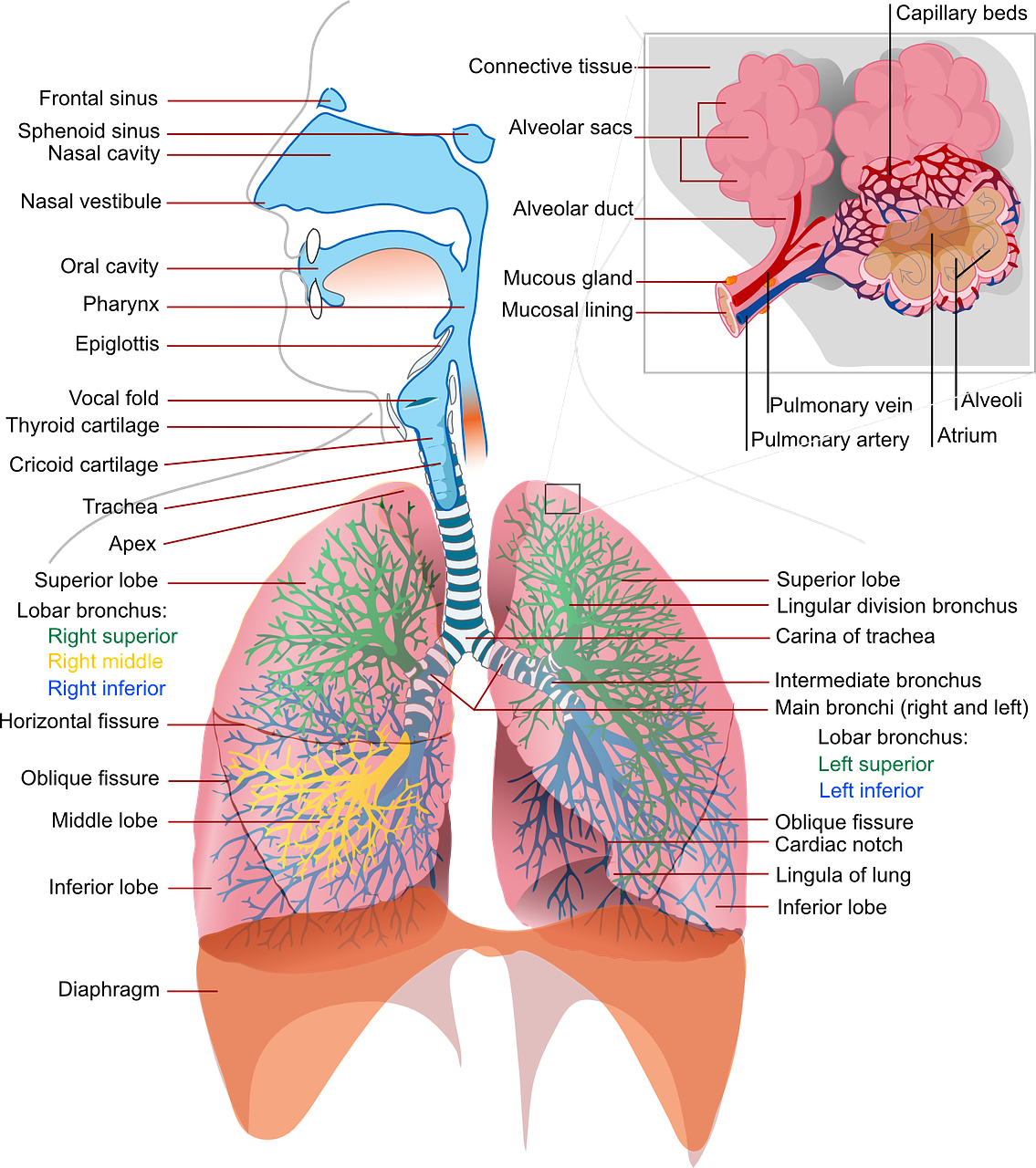
The human respiratory system
The respiratory tract including the nose, sinuses, mouth, throat, trachea, bronchi in blue and the lungs (pink). Infections can involve the breathing organs from the nose all the way down to the lungs. (photo complimentary from Pixabay)

2. If your doctor thinks you have influenza or COVID, take it seriously .

Before the  “rapid flu” test, we doctors diagnosed influenza by the characteristic symptoms,  exam, and knowing there was an outbreak in the community. The test is helpful for confirmation but like the COVID test may be negative depending on when the test occurs.

3. The best way to prevent influenza is by vaccination.

The World Health Organization (WHO), Centers for Disease Control and Prevention(CDC) , the National Foundation for Infectious Disease and other reputable medical organizations recommend vaccination against influenza.

People refuse vaccination because they believe it is ineffective, unnecessary, dangerous, toxic, unnatural, subversive, and who knows what else.  I don’t think I or anyone else are going to change their minds.

My family and I always get vaccinations which have successfully protected us without side effects or adverse reactions. There are risks, just like there are with any medical procedure, or lots of other things we do in life. In this case, we have decided the benefit outweighs the risk.

If you don’t want a “flu shot”, discuss it with your doctor before saying no. Your doctor can explain any concerning information you have heard and offer reassurance Please listen.

4. Stay away from others if you are sick.

It’s not a coincidence that influenza outbreaks coincide with the American holiday season (approximately November through January). So to protect us all,

  • Stay home if you are sick, and ask your family, co-workers, and employees to do the same.
  • Cover your nose and mouth when coughing or sneezing; use your sleeve, not your hand.
  • Keep your hands away from your eyes, nose, and mouth.
  • Wash your hands frequently, thoroughly, and long enough.
  • Wash frequently touched surfaces with disinfectant.
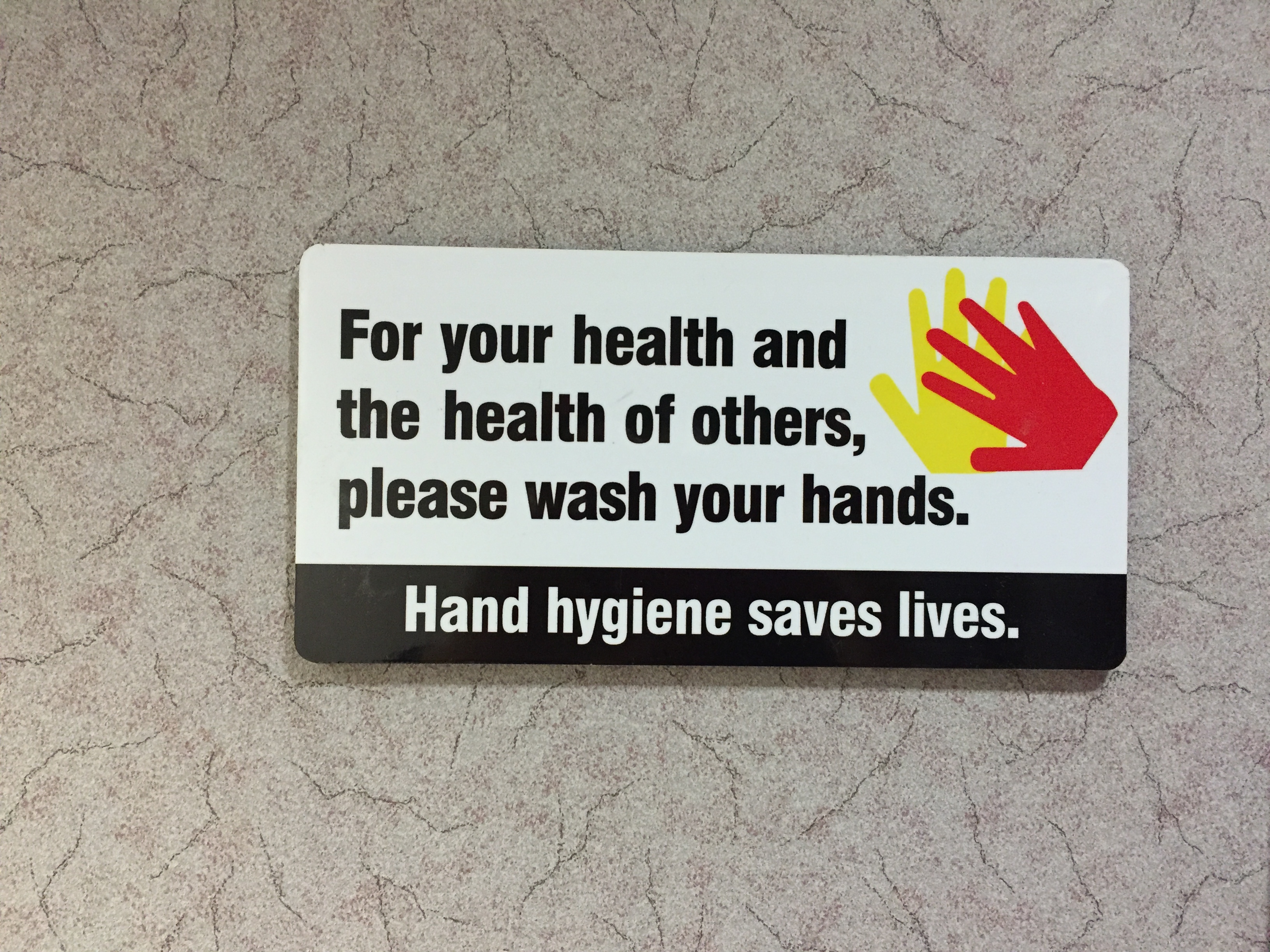
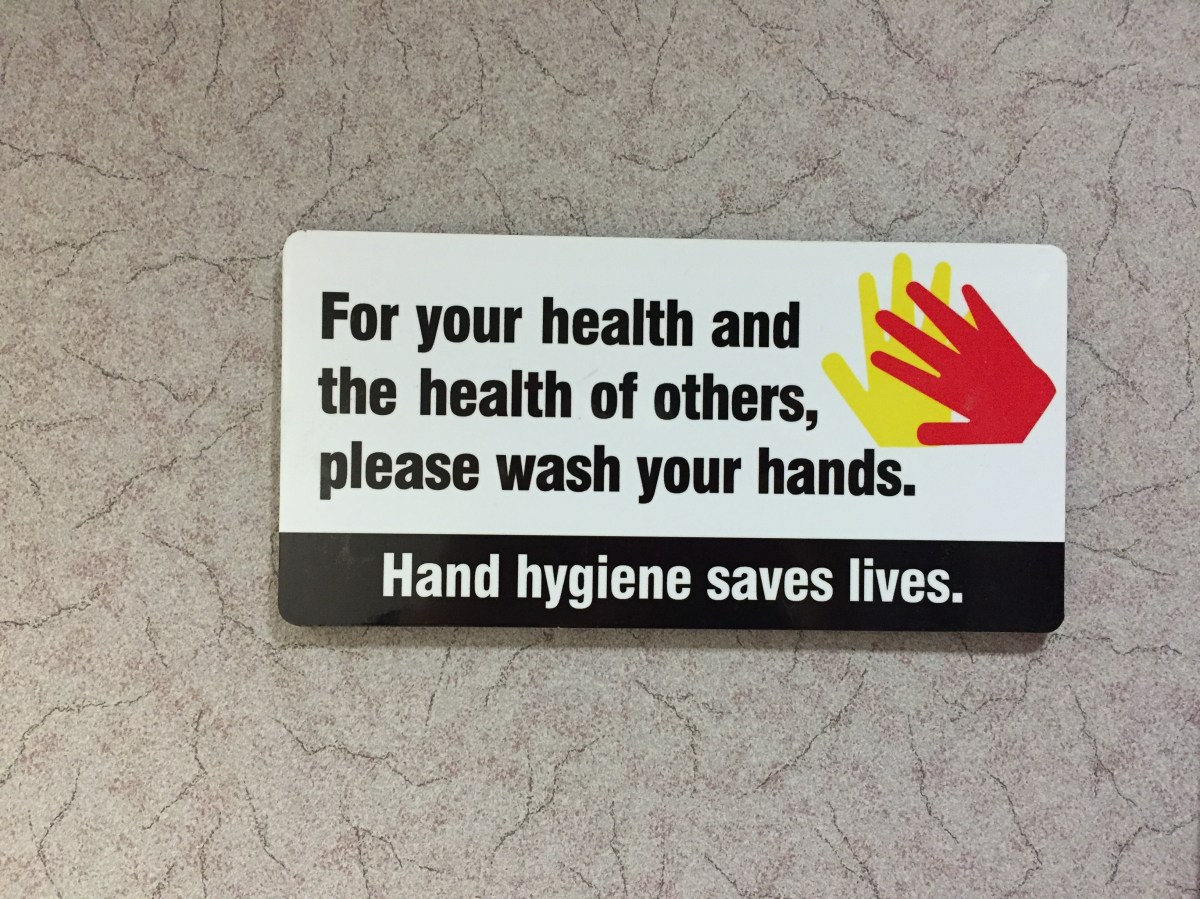
Hand hygiene saves lives.
a common sight now in public restrooms

5. If you get sick, don’t ask your doctor for an antibiotic.

Antibiotics attack bacteria. Influenza and 99% of all respiratory illnesses are due to viruses.

There are influenza antiviral drugs that will “shorten the duration and severity of symptoms” by 1-2 days if started early. The effectiveness is uncertain for an illness that will resolve within 10-14 days regardless. But if it gets you back to school or work a day earlier, it may be worth the cost-they are not cheap drugs.

For COVID, the antivirals minimize the chance of the illness becoming severe, especially for high-risk people.

Otherwise, the treatment is“symptomatic” or “supportive” care for the milder respiratory infections.

  • Rest; eat and drink as normally as possible; extra fluids if running a fever 
  • Non-prescription cough/congestion /pain/fever meds

Acetaminophen for aches and fever

Lozenges for sore throat, cough, and congestion

Breathing moist air using a humidifier helps with cough and congestion.

(The previous are affiliate links. )

6. Influenza and COVID complications

People die from complications of influenza, and infants, young children and the elderly have the most significant risk. The most common fatal complication is bacterial pneumonia, an infection in the lung. Influenza can also attack the nervous system causing brain inflammation (encephalitis and/or meningitis) and paralysis in the form of Guillain-Barre syndrome.
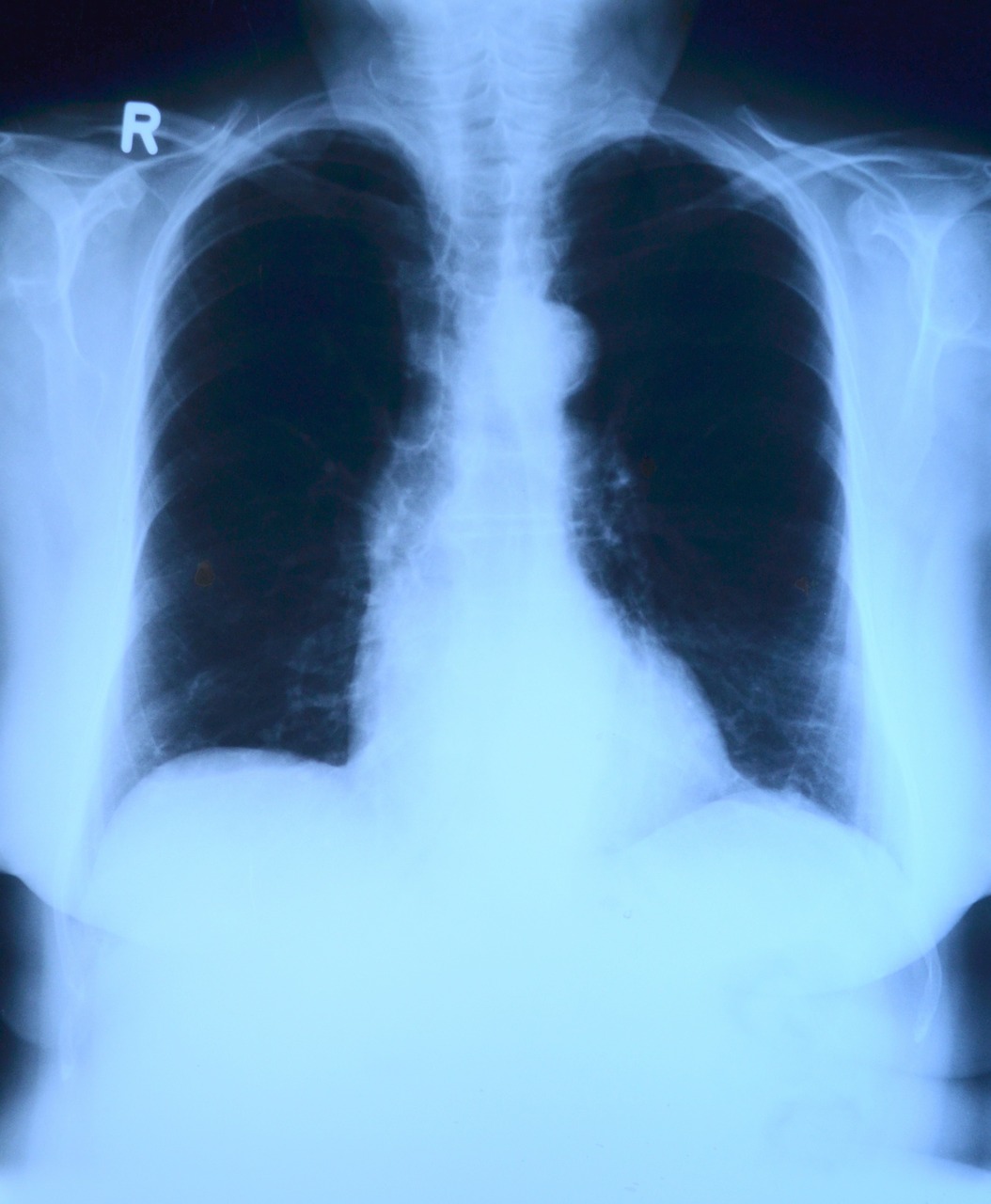
an xray of healthy lungs with no signs of pneumonia.
Healthy lungs with no signs of pneumonia.

Persons with chronic illnesses like diabetes, lung disorders, depressed immune systems, and cancer are at greater risk of complications and should always consult a physician if feeling ill. If you don’t know if you fall into that category, ask your doctor.

what you really need to know

We should all take influenza and COVID-19 seriously; consider my suggestions, talk to your personal doctor, keep up with recommendations from your local public health professionals, and do your part to keep your family and community well.

Here are some previous posts about infections.

Get Smart About Antibiotics

“Most common infections, such as colds, flu, most sore throats, bronchitis, and many sinus and ear infections, are caused by viruses and do not respond to antibiotic treatment. “

6 smart facts about antibiotics

“You may think of antibiotics as safe, harmless drugs with no potential for serious effects.  Usually, antibiotics are well tolerated and safe. But serious side effects are possible, though infrequent.”

Sorting out sinusitis

“If you have a bacterial sinus infection with more than mild symptoms, an antibiotic may relieve symptoms and help you recover sooner. “

Exploring the HEART of health

I’d love for you to follow this blog. I share information and inspiration to help you transform challenges into opportunities for learning and growth.

Add your name to the subscribe box to be notified of new posts by email. Click the link to read the post and browse other content. It’s that simple. No spam.

I enjoy seeing who is new to Watercress Words. When you subscribe, I will visit your blog or website. Thanks and see you next time.

(This and other posts on this blog contain affiliate links that may pay a small commission to this blog, while you pay nothing extra, but only if you click, look, and make a purchase. Quite a deal for us both. )

Medical stethoscope and heart on a textured background

Dr Aletha

6 Tips to Cope During a Flu Epidemic

The post discusses influenza, emphasizing its symptoms, diagnosis, and prevention, particularly through vaccination. It acknowledges the similarities between influenza and COVID-19 symptoms. Antiviral medications like Tamiflu and Xofluza are mentioned for treatment. The article promotes awareness of complications, especially for high-risk individuals, and encourages preventive measures to protect oneself and others.

updated January 27, 2026

This post was originally written and posted 2 years before we had even heard of SARS-CoV-2, aka COVID-19. Four years later, “flu” symptoms are just as likely to be due to COVID as influenza, maybe more so. Still, we need to be vigilant because neither has disappeared. This post focuses on influenza.

To many people “the flu” is any respiratory illness characterized by some combination of fever, cough, congestion, headache, fatigue,  and body aches. That term has become so nonspecific even we doctors use it that way.

But, correctly, it refers to influenza, one of many viruses that cause illness. The illnesses caused by the other viruses are “colds”, upper respiratory infections, aka URIs, bronchitis, pharyngitis, sinusitis, and pneumonia.

The human respiratory system
The respiratory tract including the nose, sinuses, mouth, throat, trachea, bronchi in blue and the lungs (pink). Infections can involve the breathing organs from the nose all the way down to the lungs. (photo complimentary from Pixabay)

Before the rapid flu test, using a nasal swab, we doctors diagnosed influenza by the characteristic symptoms, confirmatory findings on exam, and knowing there was an outbreak in the community.

The test is not absolutely necessary but is helpful for confirmation in the event the illness doesn’t progress as expected or to differentiate it from other illnesses, especially COVID.

Vaccination-key to prevention

The World Health Organization (WHO), Centers for Disease Control and Prevention(CDC) , the National Foundation for Infectious Disease and every other reputable medical organization recommends vaccination against influenza.

My family and I always get vaccinations which have successfully protected us without side effects or adverse reactions. There are risks, as is the case for any medical procedure, or other things we do in life. In this case we have decided the benefit outweighs the risk.

Other tips to stay well and protect others

  • Stay home if you are sick, and ask your family, co-workers and employees to do the same.
  • If you absolutely must go out among other people, put an effective mask over your nose and mouth.
  • Cover your nose and mouth when coughing or sneezing
  • Wash your hands frequently.
  • Clean frequently touched surfaces.
Hand hygiene saves lives.
a common sight now in public restrooms

    Antiviral (influenza) medications

    Tamiflu

    The antiviral drug Tamiflu, generic oseltamivir,  will “shorten the duration and severity of symptoms” by 1-2 days, if started early (within 24-48 hours). There is some evidence that it will also lessen the risk of serious complications , especially in higher risk people (see below ).

    I warn people that even with Tamiflu they will still feel miserable for a few days. But if it gets you back to school or work a day earlier, it may be worth the cost.

    Oseltamivir can also be prescribed for prevention, if you know you have had close contact with someone with confirmed influenza, such as a household member. It’s only effective though for that episode, a 10 day course taken as soon as possible after exposure.

    Xofluza

    Xofluza, generic baloxavir, is for treatment of uncomplicated influenza for children and adults 12 years and older, who have been sick for no more than 48 hours. Patients take 2 tablets as a single dose. It can also be used post exposure .

    Relenza

    Relenza, generic zanamivir, is a dry powder that is inhaled twice daily for 5 days or daily for prevention

    Peramivir

    Peramivir (Rapivab): A single-dose intravenous (IV) injection for 6 months and older, typically only used for patients needing admission to a hospital . 

    Home care of influenza

    • Rest; eat and drink as normally as possible; extra fluids if running a fever 
    • Non-prescription cough/congestion /pain/fever meds

    Don’t confuse Tamiflu (generic oseltamivir) a prescription anti-viral drug with Theraflu, an over the counter drug that treats symptoms.Theraflu does not affect the course of the illness.

    Here are more  general guidelines  on what to do if you get a respiratory illness from FamilyDoctor.org.

    Flu complications

      Influenza causes uncomfortable disabling symptoms but most people recover fairly quickly and fully. In some cases influenza can progress rapidly and overwhelm the respiratory and/or nervous systems,  leading to death.

      People also die from complications of influenza, and infants, young children and the elderly have greatest risk.The most common fatal complication is bacterial pneumonia, infection in the lung.

      Influenza can also attack the nervous system causing brain inflammation (encephalitis and/or meningitis) and paralysis in the form of Guillain Barre syndrome .

      an xray of healthy lungs with no signs of pneumonia.
      Healthy lungs with no signs of pneumonia.

      High risk persons-take influenza seriously

      Persons with chronic illnesses like diabetes, lung disorders, chronic liver or kidney disease, depressed immune systems and cancer , as well as infants and persons of advanced age are at greater risk of complications and should always consult a physician if feeling ill. If you are not sure if you fall into that category, ask your doctor.

      Exploring the HEART of Health

      I’d love for you to follow this blog. I share information and inspiration to help you transform challenges into opportunities for learning and growth.

      Add your name to the subscribe box to be notified of new posts by email. Click the link to read the post and browse other content. It’s that simple. No spam.

      I enjoy seeing who is new to Watercress Words. When you subscribe, I will visit your blog or website. Thanks and see you next time.

      Dr. Aletha