
Daylight Saving Time ends November 3
Some of us will be in new time zones. Maybe not completely new, but our time will change by one hour as Daylight Saving Time ends and we resume standard time on November 3.
That means sunsets will come even earlier than they have been, and there will be fewer daylight hours until the first day of winter, December 21. If you live south of the equator, you welcome more sunshine instead.
For most people, “falling back” is less disruptive to sleep than “springing forward.” To make the adjustment a little easier, you can adjust your sleep/wake schedule gradually in the mornings and/or evenings a week before the change.
Otherwise, when the time changes you can enjoy sleeping an extra hour (if you can) or waking up earlier than usual until your body adjusts

Health Insurance Enrollment for 2025
Many people have a chance to change their health insurance in November.
For Medicare recipients, October 15 through December 7 is open enrollment where we can change from regular Medicare to an Advantage Plan. Or, if you are already in an Advantage Plan, you can switch to a different one.
Medicare is available to anyone at age 65 and certain other people.
Medicare health plans provide
Part A (Hospital Insurance) and Part B (Medical Insurance) benefits to people with Medicare. These plans are generally offered by private companies that contract with Medicare. They include
Medicare Advantage Plans (Part C), Medicare CostPlans,Demonstrations/Pilots, and Program of All-inclusive Care for the Elderly (PACE).
Medicare Part D covers prescription drugs.
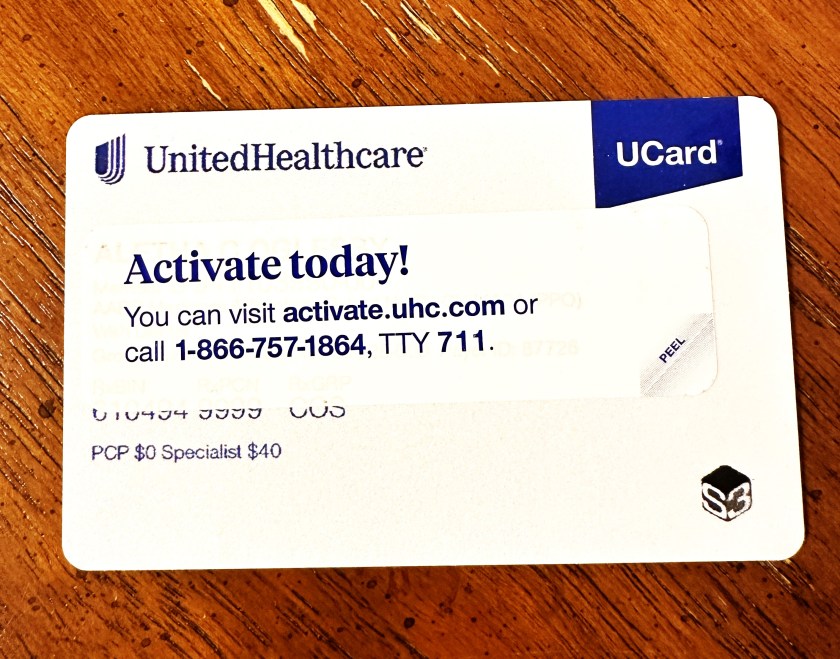
If you aren’t eligible for Medicare or an employer-sponsored insurance plan, you may get coverage through the Health Insurance Marketplace, with open enrollment starting November 1. This program was established by the Affordable Care Act, also known as ObamaCare.
If you are covered by an employer-sponsored health plan, you may be required to sign up for next year’s coverage, especially if you want to change coverage options. Otherwise, you may automatically be enrolled into the same plan.
Whatever plan you choose, you should carefully evaluate your options, especially out-of-pocket costs. In a previous post, I reported on the problem of medical debt which often occurs due to unexpected expenses not covered by insurance.
A less expensive insurance plan could cost more if it requires higher deductibles and co-pays than you would with a plan with higher premiums. You should consider the cost of anticipated health care as you choose coverage while planning for unexpected medical expenses.

November 5-United States Election
The official day to vote is Tuesday, November 5, but millions of people have already voted. My husband and I voted on Halloween, a first for us.
But technically, we do not elect the President and Vice-President that day. Here is how it works.
Timeline of key presidential election dates
- Nov. 5, 2024—Election Day
The voters in each state choose electors to serve in the Electoral College. - By Dec. 11, 2024—Electors appointed
The executive of each state signs the Certificate of Ascertainment to appoint the electors chosen in the general election. - Dec. 17, 2024—Electors vote
The electors in each state meet to select the president and vice president of the United States. - Jan. 6, 2025—Congress counts the vote
Congress meets in joint session to count the electoral votes. - Jan. 20, 2025—Inauguration Day
The president-elect is sworn in as president of the United States.
Source: The National Archives and Records Administration
Let’s all do our part to ensure a fair, safe, secure, and trustworthy election. Be careful what you share on social media; don’t believe everything others share.
Remember that elections involve people, and people make mistakes. A mistake is not cheating. Recognized mistakes should be acknowledged and corrected. Unsubstantiated accusations, threats, and violence are unacceptable. Cheating should be proven and guilty people held accountable.
Remember the people running elections in your community are your neighbors, and treat them as such. Consider volunteering yourself.
January 6, 2021 happened once, it doesn’t have to happen again.

Exploring the HEART of Health
I’d love for you to follow this blog. I share information and inspiration to help you transform challenges into opportunities for learning and growth.
Add your name to the subscribe box to be notified of new posts by email. Click the link to read the post and browse other content. It’s that simple. No spam.
I enjoy seeing who is new to Watercress Words. When you subscribe, I will visit your blog or website. Thanks and see you next time.

 watercress words by Dr Aletha