Science-our friend, not foe

This post highlights the importance of science and technology, emphasizing that progress and prosperity are directly tied to advancements in these fields. We are indebted to scientists for modern conveniences and medical advances. One is the significant medical impact of Henrietta Lacks’ cells, unknowingly donated and immortal, which have led to several major scientific discoveries.

Whoever desires progress and prosperity, whoever would advance humanity to a higher plane of civilization, must further the work of the scientist in every way he possibly can.

You might think this is a recent statement, but it is not. It was written over a hundred years ago. Here is an expanded version taken from the original source.

Take from the air every aeroplane; from the roads every automobile; from the country every train; from the cities every electric light; from ships every wireless apparatus; from oceans all cables; from the land all wires; from shops all motors; from office buildings every elevator, telephone and typewriter; let epidemics spread at will; let major surgery be impossible

all this and vastly more, the bondage of ignorance, where knowledge now makes us free, would be the terrible catastrophe if the tide of time should but ebb to the childhood days of men still living!…

Therefore, whoever desires progress and prosperity, whoever would advance humanity to a higher plane of civilization, must further the work of the scientist in every way he possibly can.

The Work of the Scientist. JAMA. 2022;327(9):882. doi:10.1001/jama.2022.0191

Originally Published March 4, 1922 | JAMA. 1922;78(9):649. (JAMA Revisited is transcribed verbatim from articles published previously, unless otherwise noted.)

Written in 1922, this author could not mention space flight, GPS, computers, CT and MRI scanners, modern drugs and surgical techniques, organ transplantation, DNA, and a myriad other modern conveniences we take for granted.

I don’t ride trains, I’m not sure what a “wireless apparatus” is, and I haven’t used a typewriter in years. I don’t understand the current aversion, suspicion, and contempt for those who study and work in the STEM fields-science, technology, engineering, and math.

But every time we use our mobile phones, computers, access the internet, or stream videos or music, we can thank the scientists who made it possible.

(This and other posts on this blog contain affiliate links that may pay a small commission to this blog, while you pay nothing extra, but only if you click, look, and make a purchase. Quite a deal for us both. )

Science books and reviews

I have reviewed or recommended several science books on this blog and this post gathers them together in one place. Bookmark this list post for easy reference later.
THE MUTANT PROJECT-a book review

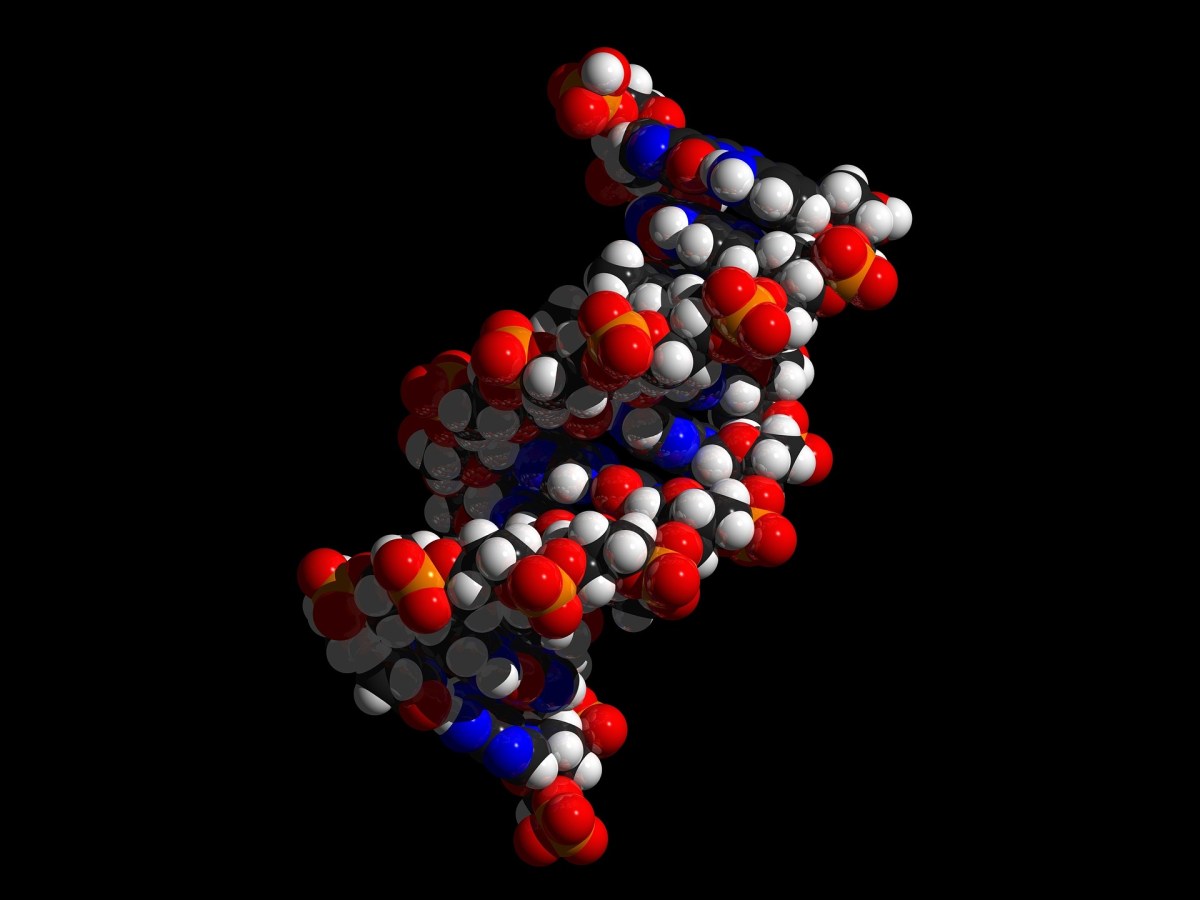
At the same time, some of the more entrepreneurial see the potential for using genetic modification to selectively breed desirable and profitable human traits-high IQ, increased muscle mass, or designer skin color, and enhanced fertility, including choosing the gender of babies.

Keep reading

Despite the name, this book is not about COVID-19.
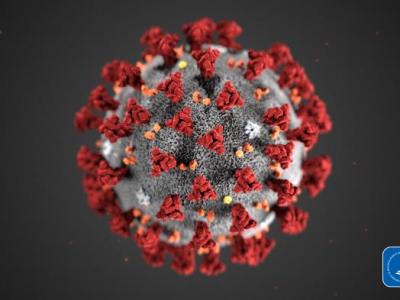
Pandemic- a book review

If you like history, current events, medical science, or just want to be more knowledgeable about why we should be concerned about infections , antibiotic resistance and vaccine phobia, you should read this book.

Keep reading
World of Wonders-a book review

This post reviews “World of Wonders” by Aimee Nezhukumatathil, a collection of mini memoirs celebrating the marvels of nature. Through personal stories and insights, the author connects human lives to those of other living creatures, inviting readers to appreciate Earth’s diversity. Supported by exquisite illustrations, the book offers a captivating exploration of the extraordinary world…

Keep reading
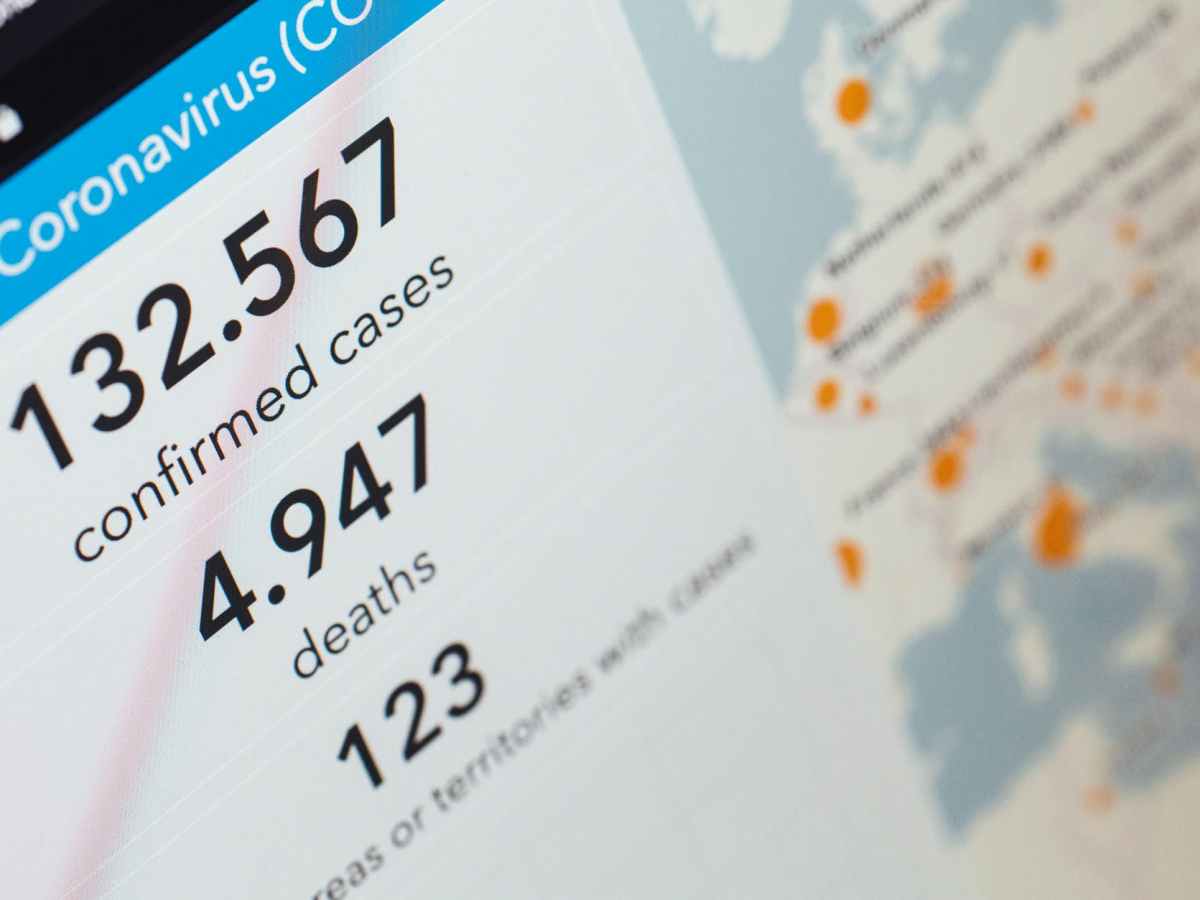
5 steps to understand statistics about health risks

The article discusses the role of statistics in understanding health outcomes, particularly in breast cancer and COVID-19. It highlights the importance of epidemiology in guiding medical decisions and emphasizes the need for clear communication of data to prevent misinformation. Understanding statistics can lead to better health choices and disease prevention.

Keep reading

Do you know how the universe started? Read what these men think.

I want to introduce you to my new guest blogger, Web developer, David Hynes.  David has a Bachelor of Science degree in Industrial Engineering and an MBA. Before retiring, he worked with my husband as a Senior Staff Information Analyst for a large oil company. He follows politics, technology and science and enjoys music and travel.  I enjoy David’s social media posts which are thoughtful and articulate. He recently commented about an engaging book he was reading and posted a summary of the main points from the first part of the book. He graciously gave permission…

Keep reading

The Immortal Life of Henrietta Lacks 

I haven’t reviewed this book but I read it and wondered why I didn’t know this story before, a true account of a simple but strong woman whose death gave a priceless gift to science- immortal cells.

“Her name was Henrietta Lacks, but scientists know her as HeLa. She was a poor Southern tobacco farmer who worked the same land as her slave ancestors, yet her cells—taken without her knowledge—became one of the most important tools in medicine: The first “immortal” human cells grown in culture, which are still alive today, though she has been dead for more than sixty years.

HeLa cells were vital for developing the polio vaccine; uncovered secrets of cancer, viruses, and the atom bomb’s effects; helped lead to important advances like in vitro fertilization, cloning, and gene mapping; and have been bought and sold by the billions. 

Yet Henrietta Lacks remains virtually unknown, buried in an unmarked grave.

As author Rebecca Skloot so brilliantly shows, the story of the Lacks family—past and present—is inextricably connected to the dark history of experimentation on African Americans, the birth of bioethics, and the legal battles over whether we control the stuff we are made of. 

Intimate in feeling, astonishing in scope, and impossible to put down, The Immortal Life of Henrietta Lacks captures the beauty and drama of scientific discovery, as well as its human consequences.” from Amazon

exploring the HEART of health through books about science

I hope you will bookmark this page in case you don’t have time to read all the posts.

I’d love for you to follow this blog. I share information and inspiration to help you turn health challenges into health opportunities.

Add your name to the subscribe box to be notified of new posts by email. Click the link to read the post and browse other content. It’s that simple. No spam.

I enjoy seeing who is new to Watercress Words. When you subscribe, I will visit your blog or website. Thanks and see you next time.
a world globe with two crossed bandaids

Doctor Aletha

And please check out my page full of suggestions to make your life easier.

5 steps to understand statistics about health risks

The article discusses the role of statistics in understanding health outcomes, particularly in breast cancer and COVID-19. It highlights the importance of epidemiology in guiding medical decisions and emphasizes the need for clear communication of data to prevent misinformation. Understanding statistics can lead to better health choices and disease prevention.

updated June 12, 2025

I reviewed a journal article about breast cancer, and as most medical articles do, it started with statistics.

Before the COVID-19 pandemic, you probably weren’t too familiar with the medical science of epidemiology, which is all about statistics.

Epidemiology is the branch of medical science that investigates all the factors that determine the presence or absence of diseases and disorders.

National Institutes of Health

Statistics help us understand what has happened, what is happening, and what may or will happen. Statistics can help determine how something happened.

Epidemiology provides information that can be used to change outcomes in health and disease. Those outcomes may involve life or death.

Health data doesn’t help us much if it stays in medical journals or textbooks. Physicians and other healthcare clinicians use it to counsel patients and make medical recommendations about preventive care, diagnosis, and treatment of diseases.

How doctors use statistics to help patients

You might say we use them as “talking points” to convince people to do things we believe will help them and to avoid doing things we think might hurt them. You’ve seen the same thing happen when public health officials make recommendations about COVID-19 suppression. So a doctor might

recommend you do something -get a mammogram or wear a mask

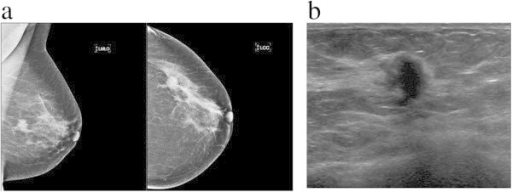
a mammogram image
a mammogram revealing a breast cancer image source- National Library of Medicine, Open-i
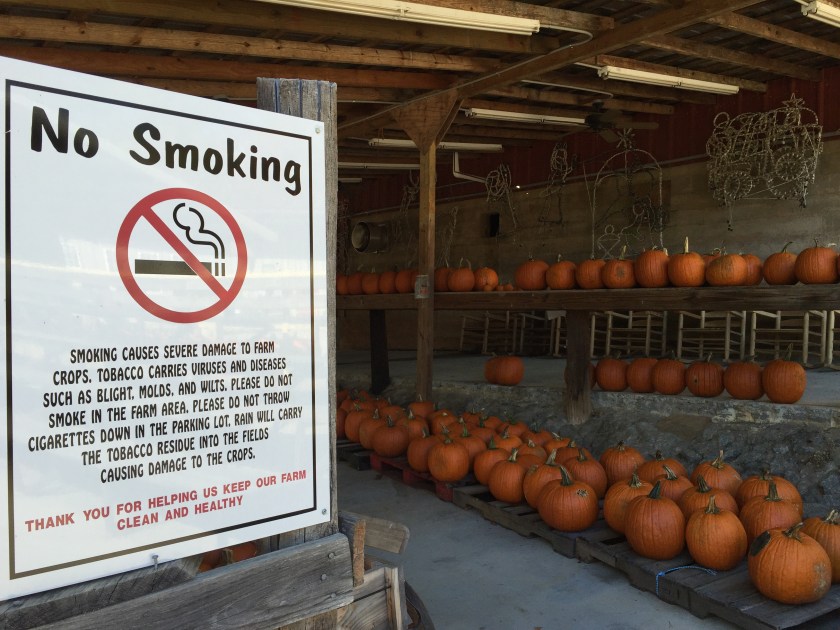
caution you against doing something -smoking cigarettes or gathering in crowds
No Smoking sign with pumpkins
Ask your doctor about ways to help you stop smoking.
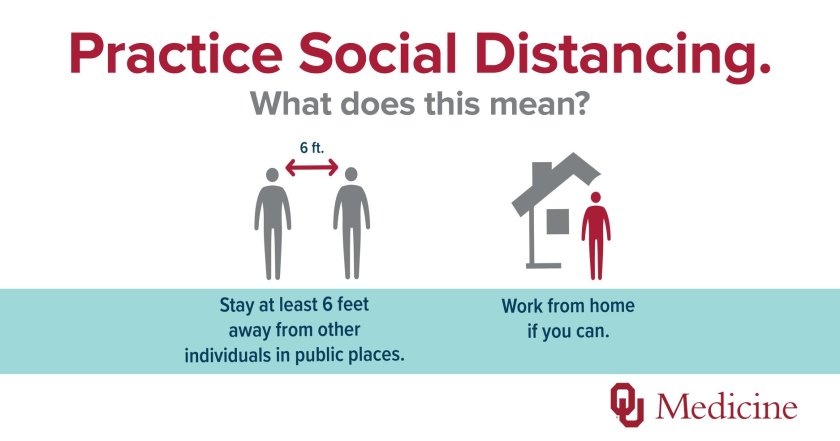
encourage a behavior-wearing sunscreen or keeping 6 feet distance
Practice Social Distancing

all based on knowing the epidemiology of breast, lung, and skin cancers, and COVID-19 based on statistics.

Breast cancer incidence and risk

So getting back to the breast cancer article, I think many women overestimate their risk of getting and dying from breast cancer. According to the article, in the

past 5 years, 2.3 million cases of breast cancer

in women have been diagnosed in the United States (breast cancer does occur in men but the number is so low it does not change this total significantly)

The mortality rate for breast cancer is 20 deaths/100,000 women. The most recent number for deaths in 1 year is 42,000. (United States)

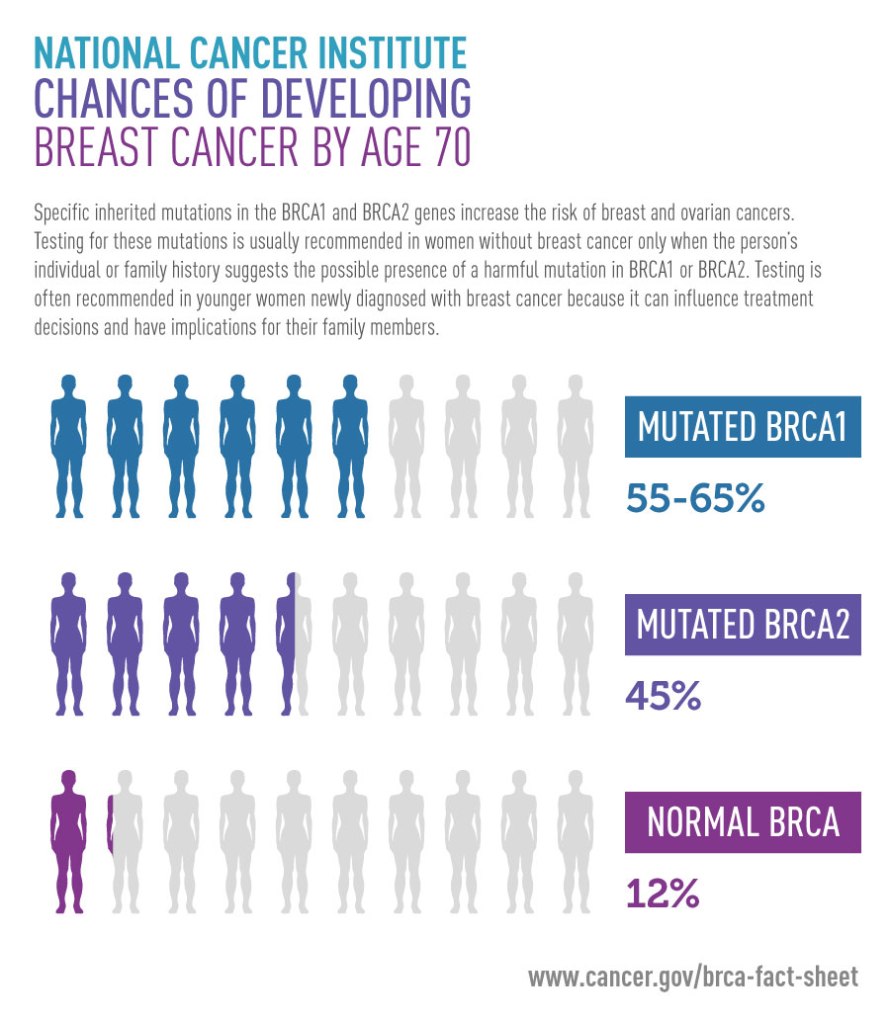
chance of developing breast cancer by age 70-National Cancer Institute
Source: National Cancer Institute (NCI)
The majority of women have NORMAL BRCA.

COVID-19 by comparison

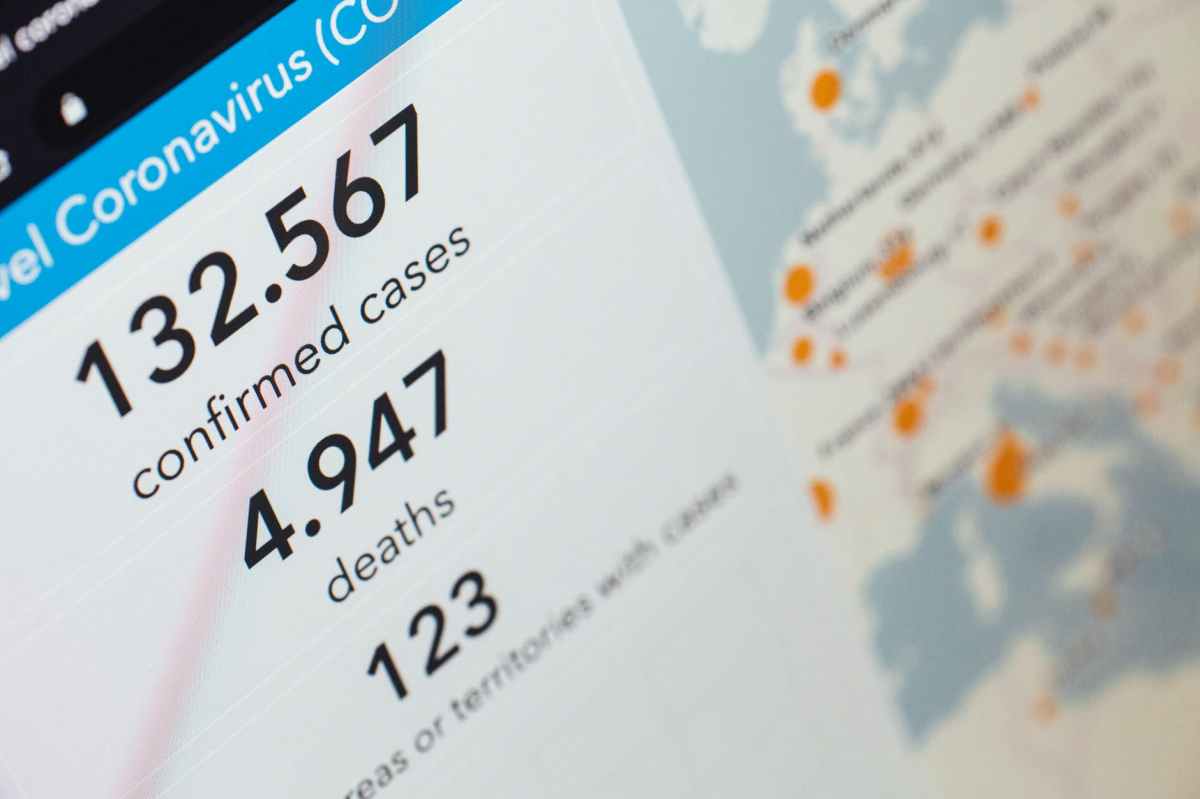
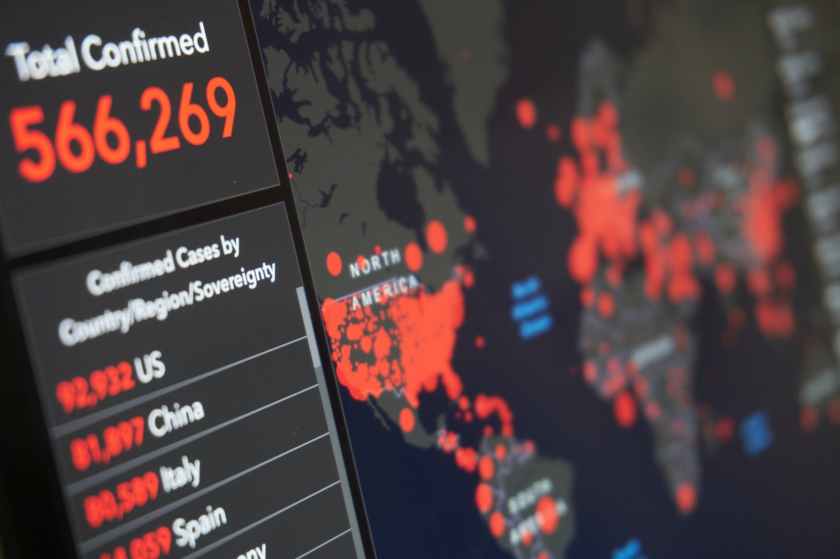
There were 27 million cases of COVID-19 February 2020-February 2021

diagnosed in both men and women in the United States. (And many experts suspect that thousands of cases have gone unrecognized.)

The mortality rate for COVID-19 then was approximately 134/100,000 people. The current number of deaths in the past year is 460,000. (These numbers are compiled by Johns Hopkins University and are current as of the original published day of this post)

Photo by Anton Uniqueton on Pexels.com

WHO, the World Health Organization, reports that 2.3 million new cases of breast cancer occurred last year, while in less than a year there have been 105 million diagnosed cases of COVID-19.

Did these numbers surprise you?
Did they cause you to change your mind about something?
Will you change behavior based on these numbers?

What does it matter?

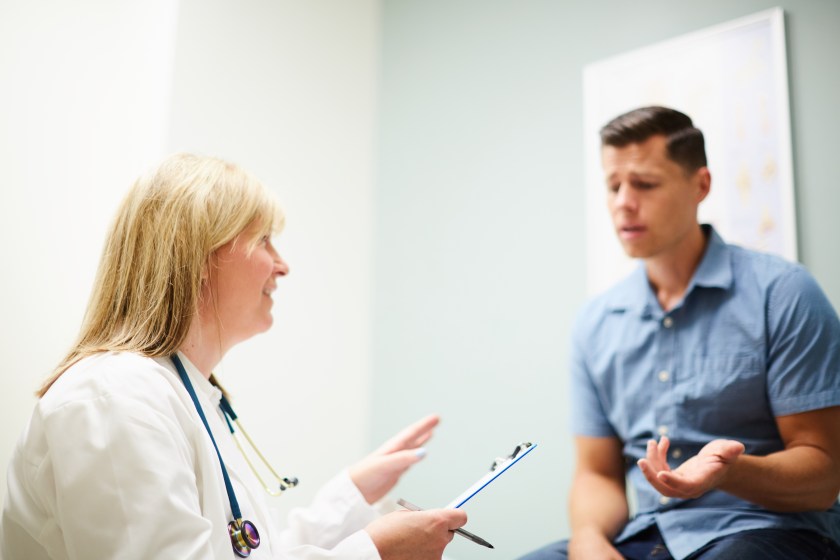
Healthcare professionals use statistics to understand and predict health risks, then counsel their patients about maintaining health and preventing disease, disability, and early death. One way they do so is with screening tests, like mammograms, to detect early breast cancer when it is easier to treat. successfully.

a female physician talking to a male patient

Public health professionals do the same thing, but apply the knowledge to large populations of people, such as infants, children, adolescents, pregnant women, or the elderly. And sometimes to an entire neighborhood, town, state, or nation, as we’ve seen happen with the SARS-CoV-2 pandemic, recommending masking, social distancing, handwashing, and vaccination.

But when health, especially public health, becomes politicized, these “talking points” can be used to

  • inflame rather than inform
  • manipulate not motivate
  • confuse rather than comfort
  • cause panic instead of instilling peace.

This is more likely to happen when we don’t understand the statistics and reasoning behind the recommendations. I believe much of the misinformation shared on social media unintentional, but stems from misunderstanding of the intended message.

The Data Detective: Ten Easy Rules to Make Sense of Statistics

This is the title of a new book by Financial Times columnist Tim Harford in which he tries to answer the question

Why do we believe what isn’t true?

In an interview by Erica Pandey, Harford encourages us to be curious and open-minded, and ask the right questions with a desire to understand. When you read or hear some new or disturbing information about any controversial topic, ask yourself if the teller is trying to make you smarter or trying to win an argument.

(AXIOS Today podcast February 5, 2021)

(This is an affiliate link, meaning it may pay a commission to this blog is a sale occurs.)

If we can toss aside our fears and learn to approach them clearly—understanding how our own preconceptions lead us astray—statistics can point to ways we can live better and work smarter.

The Data Detective listing on Amazon

My 5 guidelines for making sense of information

  • RECOGNIZE any bias, inconsistencies, contradictions; does it confirm what you already know? If not, why not? What is it trying to make you believe?
  • RESEARCH other sources and other media, what do they say about the topic, and are they credible?
  • REVIEW all the information you find trustworthy; do you have all the information you need to make a conclusion?
  • RECONSIDER when new information becomes available or circumstances change; if significant, you may need to start the process all over.
  • REMEMBER almost everything is subject to reinterpretation; as the numbers change, so may the conclusions. Statistics give us a chance to learn and understand, but aren’t the best way to prove a point or to win arguments .

final thoughts-Know Your Chances

(an affiliate link)

How to see through the hype in medical news, ads, and public service announcements

be a healthy skeptic. That doesn’t mean you have to be a cynic, simply disbelieving all the health messages you hear.

Instead, it means approaching messages critically: looking out for—and seeing through—common tactics used to exaggerate the importance of health problems or actions you can take to address them.

These tactics include emphasizing unimportant outcomes, avoiding numbers, or presenting statistics in ways that make them seem more important than they really are.

Know Your Chances: Understanding Health Statistics, by Steven, Woloshin, Lisa M. Schwartz, and H. Gilbert Welch. © 2008 by the Regenets of the University of California. Published by the University of California Press. (Read free at this link)

Exploring the HEART of Health

Find up-to-date information about breast cancer from The American Cancer Society and in Breast Cancer Clear & Simple (an affiliate link)

I’d love for you to follow this blog. I share information and inspiration to help you turn health challenges into health opportunities.

Add your name to the subscribe box to be notified of new posts by email. Click the link to read the post and browse other content. It’s that simple. No spam.

I enjoy seeing who is new to Watercress Words. When you subscribe, I will visit your blog or website. Thanks and see you next time.

Dr. Aletha