President Biden Confronts SARS-CoV-2 (COVID-19)-an update

In his 2023 State of the Union Address, President Joe Biden highlighted significant progress in fighting the pandemic. COVID deaths are down by 90 percent, and he aims to end the public health emergency soon. The United States government’s response involves various agencies, and the President’s Cabinet secretary manages the COVID-19 response. President Biden and Vice President Harris have developed a comprehensive 7-point plan to confront and control COVID-19, focusing on vaccination, mitigation, and global leadership.

update February 24, 2023

In his 2023 State of the Union Address, President Joe Biden said,

 let’s recognize how far we came in the fight against the pandemic itself.

While the virus is not gone, thanks to the resilience of the American people and the ingenuity of medicine, we’ve broken the COVID grip on us.

COVID deaths are down by 90 percent. We’ve saved millions of lives and opened up our country — we opened our country back up.

And soon, we’ll end the public health emergency.

looking back at COVID-19

On March 11,2021 President Biden addressed the country about the current progress of ending the pandemic. He said

I carry a card in my pocket with the number of Americans who have died from COVID to date. It’s on the back of my schedule. As of now, the total deaths in America: 527,726.

President Biden

He announced we will have enough vaccine for every adult to be vaccinated by the end of May 2021.

Concerning current vaccination progress, we have vaccinated

  • 65% of people over age 65
  • 70% of people over age 70

Concerning schools he said

with the passage of the American Rescue Plan — I thank the House and Senate for passing it — and my…. plan to vaccinate teachers and school staff….. we can accelerate the massive, nationwide effort to reopen our schools safely and meet my goal… of opening the majority of K-8 schools in my first 100 days in office. This is going to be the number one priority of my new Secretary of Education, Miguel Cardona.

President Biden

Thanks to usnews.com for publishing the complete transcript of his speech at this link.

President Joe Biden on the Coronavirus Pandemic

The United States government and healthcare

Here is a brief review of the healthcare agencies of the United States government.
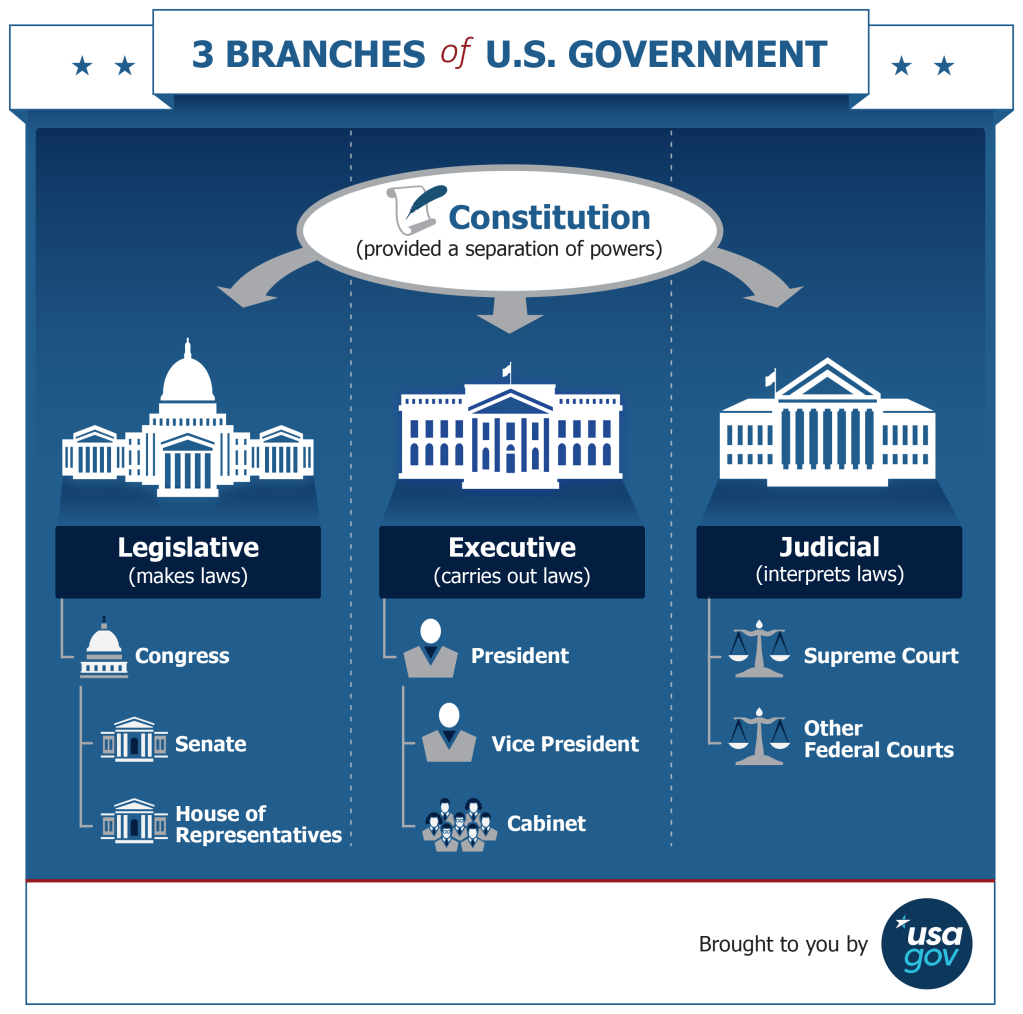
The President leads the Executive Branch of the government, including all of the departments and agencies headed by the Cabinet members, including the Department of Health and Human Services.

The sitting President heads the Executive Branch of the U.S. Government.

The Department of Health and Human Services ,through the President’s Cabinet secretary, manages the response to COVID-19. Other Cabinet members and their Departments are involved as well.

The agencies most involved in the COVID-19 response include

  • Health and Human Services-HHS
  • Federal Emergency Management Agency-FEMA
  • Centers for Disease Control-CDC
  • National Institutes of Health-NIH
  • Federal Drug Administration-FDA
  • Small Business Administration-SBA
  • Veterans Administration-VA
  • Department of Defense -DOD
  • Treasury Department
  • State Department

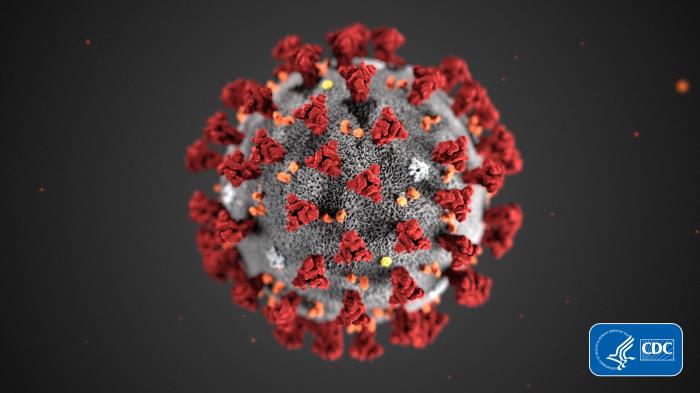
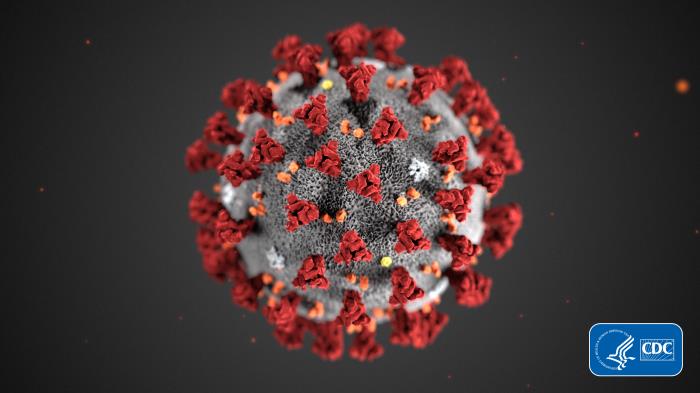
an electron microscope image of the coronavirus
the Coronavirus SARS-CoV-2, responsible for causing COVID-19- photo used with permission, CDC.GOV

December 31, 2019-China reports the coronavirus to WHO-the World Health Organization.

2020-The Biden-Harris Plan

During their campaign for the White House, Mr. Biden and his running mate, Kamala Harris posted a 7 point plan to confront and control COVID-19.

2021-National Strategy for the COVID-19 Response and Pandemic Preparedness

President Biden, Vice President Harris, and their science and healthcare teams developed a plan with 7 goals to end the pandemic and prevent others. You can read the entire 200 page report at the link. Here is a list of the 7 goals with a few of the points of each goal.

1. Restore trust with the American people.
  • establishes a federal COVID-19 response team to coordinate efforts
  • regular public briefings led by science experts
  • track and make data available to the public by the CDC

Centers for Disease Control and Prevention (CDC) activated its Emergency Operations Center (EOC) to coordinate with the World Health Organization (WHO), federal, state and local public health partners, and clinicians in response to the coronavirus disease 2019 (COVID-19) outbreak. CDC is closely monitoring the situation and working 24/7 to provide updates.
Centers for Disease Control and Prevention (CDC) activated its Emergency Operations Center (EOC) to coordinate with the World Health Organization (WHO), federal, state and local public health partners, and clinicians in response to the coronavirus disease 2019 (COVID-19) outbreak. CDC is closely monitoring the situation and working 24/7 to provide updates credit James Gathany, public domain
2.Mount a safe, effective, and comprehensive vaccination campaign.
  • increase the production of vaccines
  • give states clearer projections on vaccine availability
  • partner with states to create more vaccine centers
  • launch a national campaign to educate and encourage Americans on vaccine
3. Mitigate spread through expanding masking, testing, data, treatments,health care workforce, and clear public health standards.
  • asking Americans to wear masks for 100 days (note-this adds to any state or local recommendations or mandates on mask use)
  • require masks on public transportation
  • the CDC develop guidelines to help schools and businesses to reopen
  • create programs to develop new treatments for COVID-19

cloth facial coverings to prevent transmission of COVID-19
Mask use required on airplanes, trains, and other public transportation
4.Immediately expand emergency relief and exercise the Defence Production Act.
  • increase emergency funding to the states for pandemic costs, including for PPE and use of National Guard
  • invoke the Defense Production Act to increase the supply of PPE, and testing and vaccination supplies
5. Safely reopen schools, businesses, and travel while protecting workers.
  • develop a national strategy to reopen most schools within 100 days
  • federal agencies to issue updated guidance on protection for workers
  • asks Congress to provide financial aid to schools, universities, and daycares (cost in the billions)

a girl with a large backpack, walking to a school bus
6. Protect those most at risk and advance equity, including across racial, ethnic and rural/urban lines.
  • establishes an equity task force to address disparities based on race, ethnicity, and geography
  • create a U.S. Public Health Workforce to help with testing and vaccinations in their communities
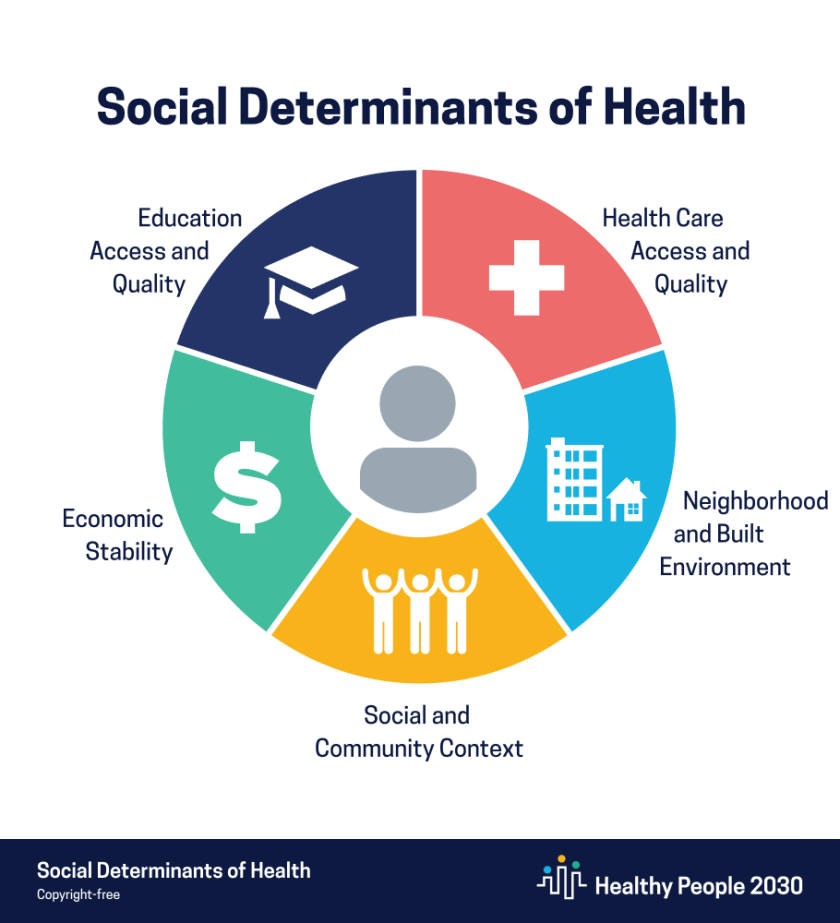
Healthy People 2030, U.S. Department of Health and Human Services, Office of Disease Prevention and Health Promotion. Retrieved [date graphic was accessed], from https://health.gov/healthypeople/objectives-and-data/social-determinants-health
7. Restore U.S. leadership globally and build better preparedness for future threats.
  • rejoin the World Health Organization
  • increase humanitarian aid and support efforts to fight COVID-19 around the world
  • asks for Congressional support to establish a national center to prepare for future biological threats

2 bandaids crossed on a world globe
photo from the Lightstock collection (affiliate link)

Exploring the HEART of health

I’d love for you to follow this blog. I share information and inspiration to help you turn health challenges into health opportunities.

Add your name to the subscribe box to be notified of new posts by email. Click the link to read the post and browse other content. It’s that simple. No spam.

I enjoy seeing who is new to Watercress Words. When you subscribe, I will visit your blog or website. Thanks and see you next time.

Dr. Aletha

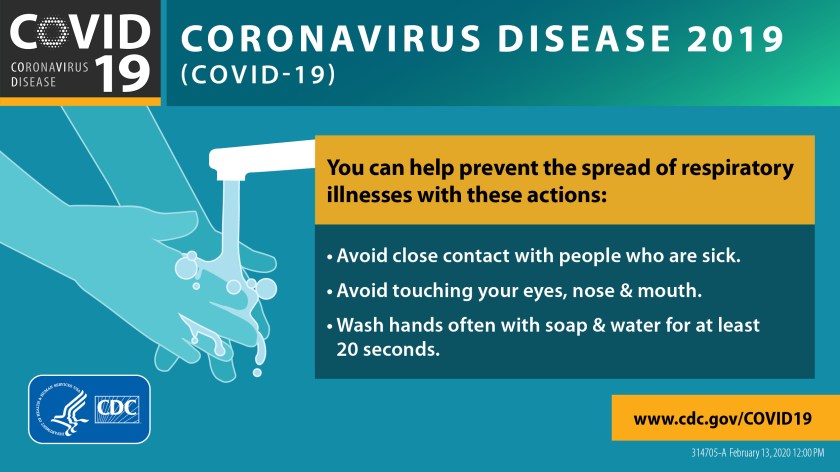
And this is still good advice to prevent the spread of COVID-19 and other contagious diseases.
Vital questions you should ask about immunization

This coronavirus pandemic is serious. We don’t yet have a vaccine or effective treatments. To protect ourselves, our familes, and our entire communities we should all be practicing social distancing and other hygiene measures as we wait for a safe, effective vaccine and treatments.

View post to subscribe to site newsletter.

The sickness and deaths COVID-19 has caused makes immunization more important than ever. While social distancing, hand hygiene, and a clean environment are vital, a safe and effective vaccine will bolster those measures. Around the world, scientists are working on a vaccine for this novel coronavirus.

Fewer and fewer people have had experience with serious infectious diseases like measles, rubella, polio, and diphtheria, so maybe that explains why in recent years immunization rates for many diseases have plummeted. Also due to misinformation about the value and risk of immunization, some people lost confidence in vaccines to protect us against disease without causing significant side effects or adverse events.

As a result, we still have outbreaks of measles and whooping cough (pertussis) and seasonal influenza disease and deaths. The threat of a new virulent disease due to a novel coronavirus highlights the value of immunization.

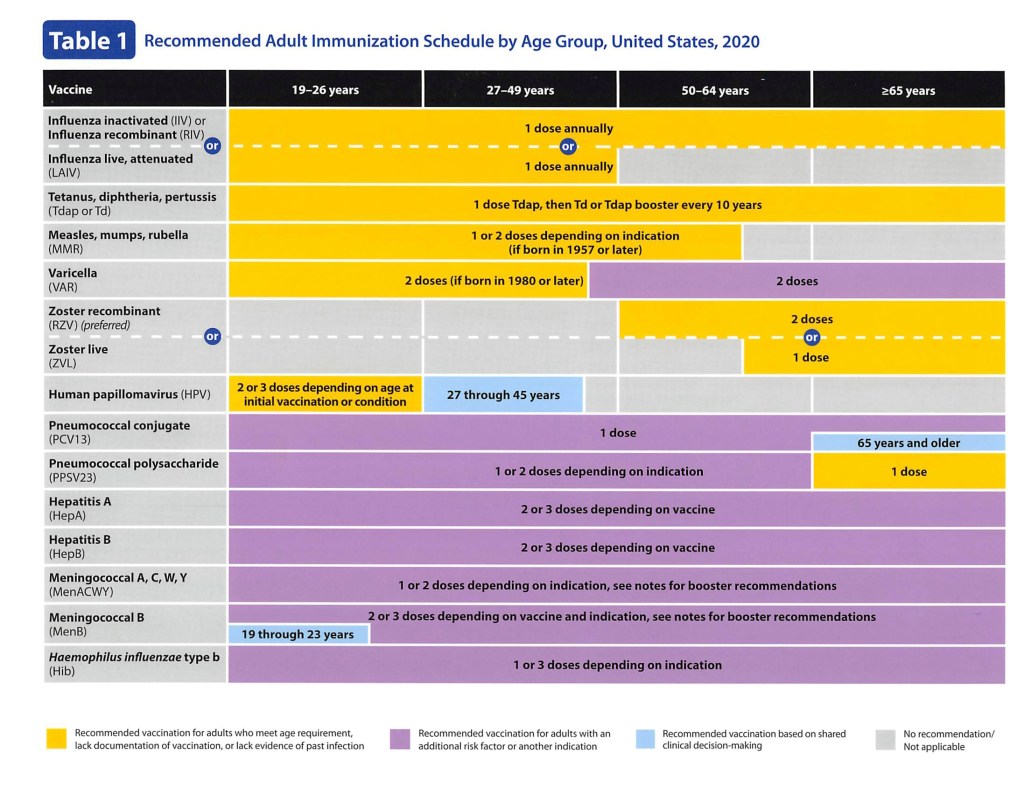
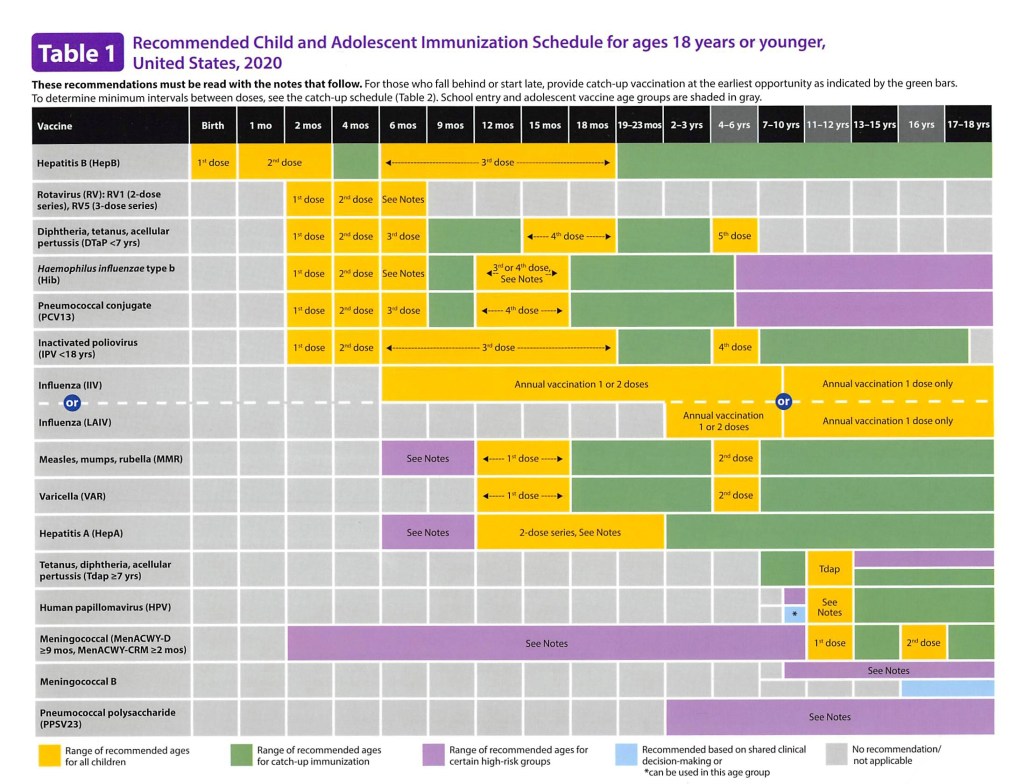
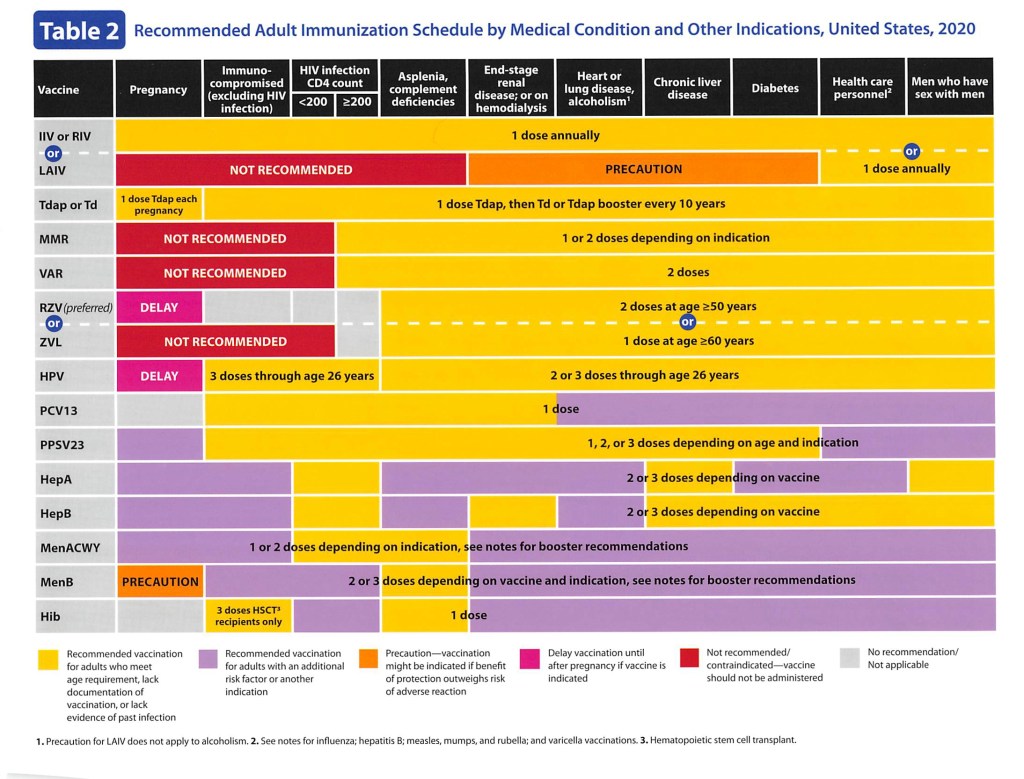
immunizations by age

On the first two charts, vaccines are listed on the far left column. On the top row, find your age, then scroll down to find the vaccines appropriate for you.

RECOMMENDED ADULT IMMUNIZATIONS 2020
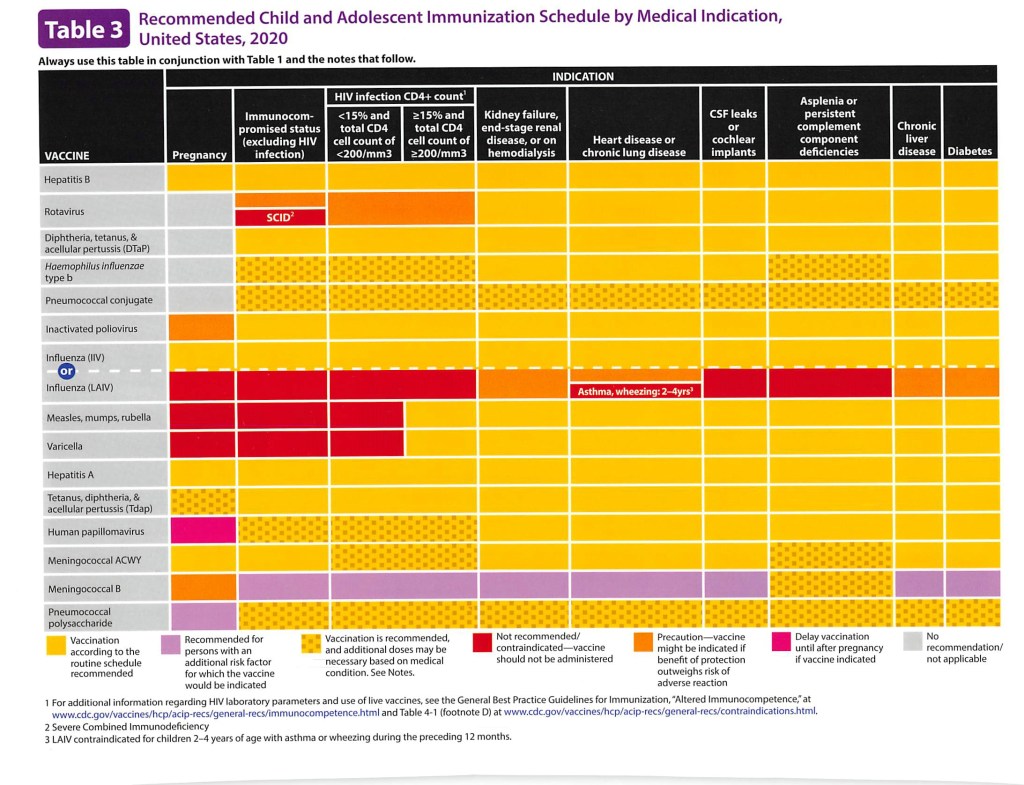
RECOMMENDED CHILD AND ADOLESCENT IMMUNIZATIONS 2020

questions to ask about vaccines and the immunization process include.

  • What contagious diseases am I likely to be exposed to or at risk for?
  • What are the risks of those diseases?
  • What are the risks of a particular vaccine for me?
  • What are the risks versus benefits of immunization?
  • What else can we do to prevent an infection?

vaccines by medical condition

On these charts vaccines are also listed on the far left column. Across the top row are various medial conditions that should be considered along with age in recommending a particular vaccine. It’s just as important to know what vaccines you should not receive as those that you should.

2020 vaccination recommendations from the CDC

Please visit the CDC website for complete details about the various vaccines and discuss your need for immunizations with your and your children’s physicians.

“Am I contagious?”

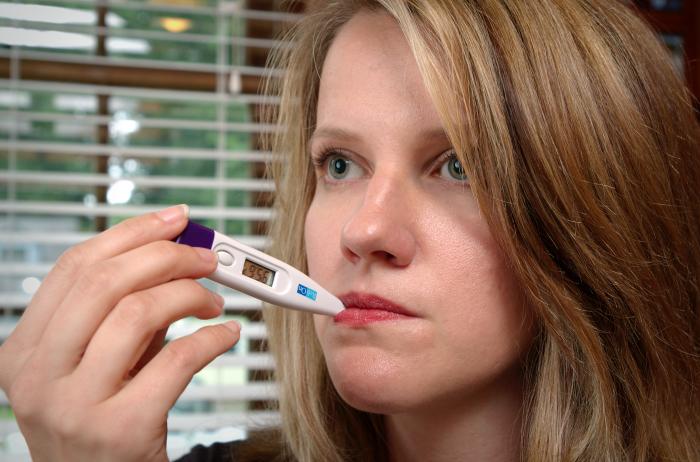
Most of us have gone to work, school or social events with symptoms suggestive of infection- a cough, runny nose, upset stomach- putting our friends and colleagues at risk. Isolation of sick people and quarantine of their contacts slows the spread of infectious disease and is helping to contain the COVID-19 pandemic.

Even before COVID-19, patients visit me with new onset symptoms, or symptoms that have been present several days, and ask “am I contagious?” Most of the time I can’t tell them definitely whether they are or not. When in doubt, it’s best to not expose other people unnecessarily, especially those who are most susceptible.

This coronavirus pandemic is serious. We don’t yet have a vaccine or effective treatments. To protect ourselves, our familes, and our entire communities we should all be practicing social distancing and other hygiene measures as we wait for a safe, effective vaccine and treatments.

RESOURCES FOR understanding COVID-19

an electron microscope image of the coronavirus
used with permission, CDC.GOV

Tips from your Family Doctor

CDC-Coronavirus Disease 2019

exploring and sharing the HEART of health

Thanks for reading and sharing this important information about protecting the HEART of health.

Dr.  Aletha 

These may be good options as long as we need to stay in our homes.

a way to exercise at home

a way to get medical supplies delivered

a source for food if you don’t have local delivery

homeschool resources