President Biden, COVID-19, and Beyond

In his 2023 State of the Union Address, President Joe Biden highlighted significant progress in fighting the pandemic. His approach emphasized vaccine accessibility, minimizing spread, safely reopening business and schools, and srotecting the most vulnerable.

update June 30, 2026

On March 11,2021 President Biden addressed the country about the current progress of ending the COVID-19 pandemic. He said

I carry a card in my pocket with the number of Americans who have died from COVID to date. It’s on the back of my schedule. As of now, the total deaths in America: 527,726.

He announced the country will have enough vaccine for every adult to be vaccinated by the end of May 2021.

Concerning current vaccination progress, we have vaccinated 65% of people over age 65 and 70% of people over age 70. About schools, he said

with the passage of the American Rescue Plan — I thank the House and Senate for passing it — and my…. plan to vaccinate teachers and school staff….. we can accelerate the massive, nationwide effort to reopen our schools safely and meet my goal… of opening the majority of K-8 schools in my first 100 days in office. This is going to be the number one priority of my new Secretary of Education, Miguel Cardona.

In his 2023 State of the Union Address, President Joe Biden said,

 let’s recognize how far we came in the fight against the pandemic itself.

While the virus is not gone, thanks to the resilience of the American people and the ingenuity of medicine, we’ve broken the COVID grip on us.

COVID deaths are down by 90 percent. We’ve saved millions of lives and opened up our country — we opened our country back up.

And soon, we’ll end the public health emergency.

But we will remember the toll and pain that will never go away for so many. More than 1 million Americans have lost their lives to COVID.

Families grieving. Children orphaned. Empty chairs at the dining room table.

We remember them, and we remain vigilant.

Thanks to usnews.com for publishing the complete transcript of his speech at this link.

President Joe Biden on the Coronavirus Pandemic
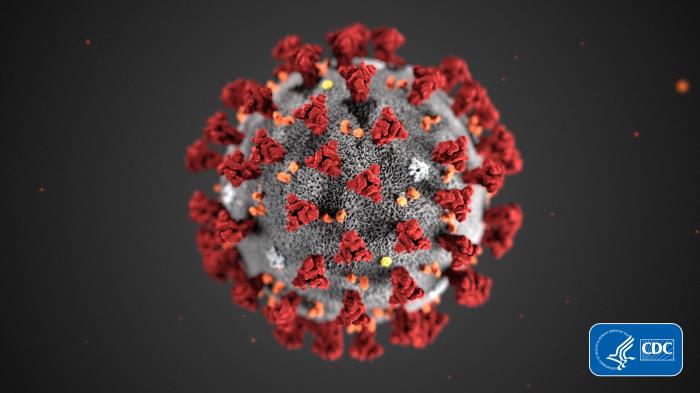
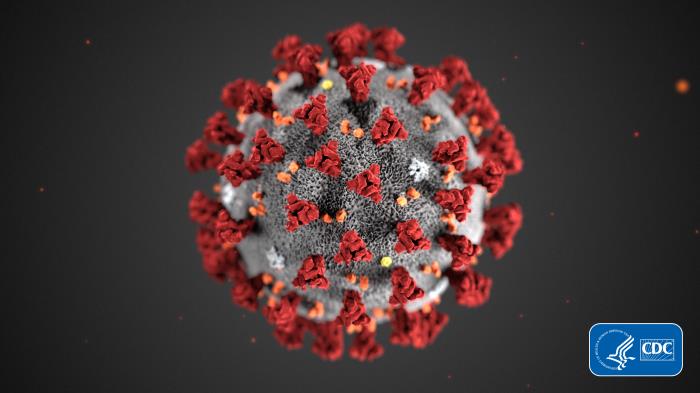
an electron microscope image of the coronavirus
the Coronavirus SARS-CoV-2, responsible for causing COVID-19- photo used with permission, CDC.GOV

2020-The Biden-Harris Plan

During their campaign for the White House, Mr. Biden and his running mate, Kamala Harris, posted a 7-point plan to confront and control COVID-19.

2021-National Strategy for the COVID-19 Response and Pandemic Preparedness

(This report was available at whitehouse.gov but is no longer active.)

President Biden, Vice President Harris, and their science and healthcare teams developed a plan with 7 goals to end the pandemic and prevent others. . Here is a list of the 7 goals with a few of the points of each goal.

1. Restore trust with the American people.
  • establishes a federal COVID-19 response team to coordinate efforts
  • regular public briefings led by science experts
  • track and make data available to the public by the CDC

Centers for Disease Control and Prevention (CDC) activated its Emergency Operations Center (EOC) to coordinate with the World Health Organization (WHO), federal, state and local public health partners, and clinicians in response to the coronavirus disease 2019 (COVID-19) outbreak. CDC is closely monitoring the situation and working 24/7 to provide updates.
Centers for Disease Control and Prevention (CDC) activated its Emergency Operations Center (EOC) to coordinate with the World Health Organization (WHO), federal, state and local public health partners, and clinicians in response to the coronavirus disease 2019 (COVID-19) outbreak. CDC is closely monitoring the situation and working 24/7 to provide updates credit James Gathany, public domain
2.Mount a safe, effective, and comprehensive vaccination campaign.
  • increase the production of vaccines
  • give states clearer projections on vaccine availability
  • partner with states to create more vaccine centers
  • launch a national campaign to educate and encourage Americans on vaccine
3. Mitigate spread through expanding masking, testing, data, treatments,health care workforce, and clear public health standards.
  • asking Americans to wear masks for 100 days (note-this adds to any state or local recommendations or mandates on mask use)
  • require masks on public transportation
  • the CDC develop guidelines to help schools and businesses to reopen
  • create programs to develop new treatments for COVID-19

cloth facial coverings to prevent transmission of COVID-19
Mask use required on airplanes, trains, and other public transportation
4.Immediately expand emergency relief and exercise the Defence Production Act.
  • increase emergency funding to the states for pandemic costs, including for PPE and use of National Guard
  • invoke the Defense Production Act to increase the supply of PPE, and testing and vaccination supplies
5. Safely reopen schools, businesses, and travel while protecting workers.
  • develop a national strategy to reopen most schools within 100 days
  • federal agencies to issue updated guidance on protection for workers
  • asks Congress to provide financial aid to schools, universities, and daycares (cost in the billions)

a girl with a large backpack, walking to a school bus
6. Protect those most at risk and advance equity, including across racial, ethnic and rural/urban lines.
  • establishes an equity task force to address disparities based on race, ethnicity, and geography
  • create a U.S. Public Health Workforce to help with testing and vaccinations in their communities
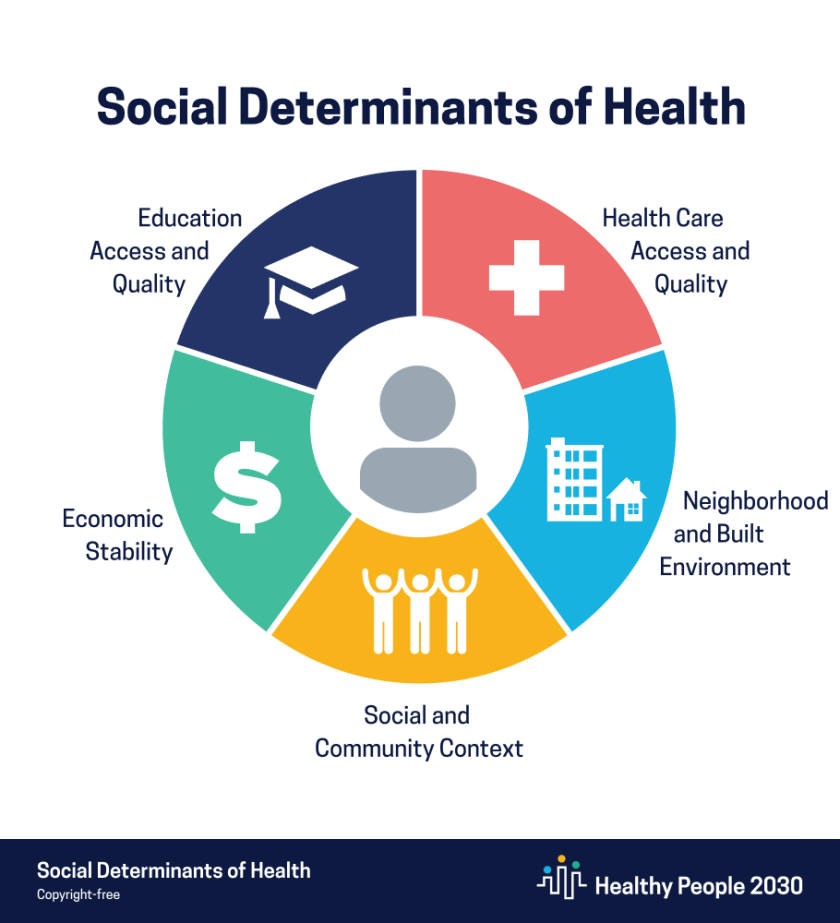
Healthy People 2030, U.S. Department of Health and Human Services, Office of Disease Prevention and Health Promotion. Retrieved [date graphic was accessed], from https://health.gov/healthypeople/objectives-and-data/social-determinants-health
7. Restore U.S. leadership globally and build better preparedness for future threats.
  • rejoin the World Health Organization
  • increase humanitarian aid and support efforts to fight COVID-19 around the world
  • asks for Congressional support to establish a national center to prepare for future biological threats
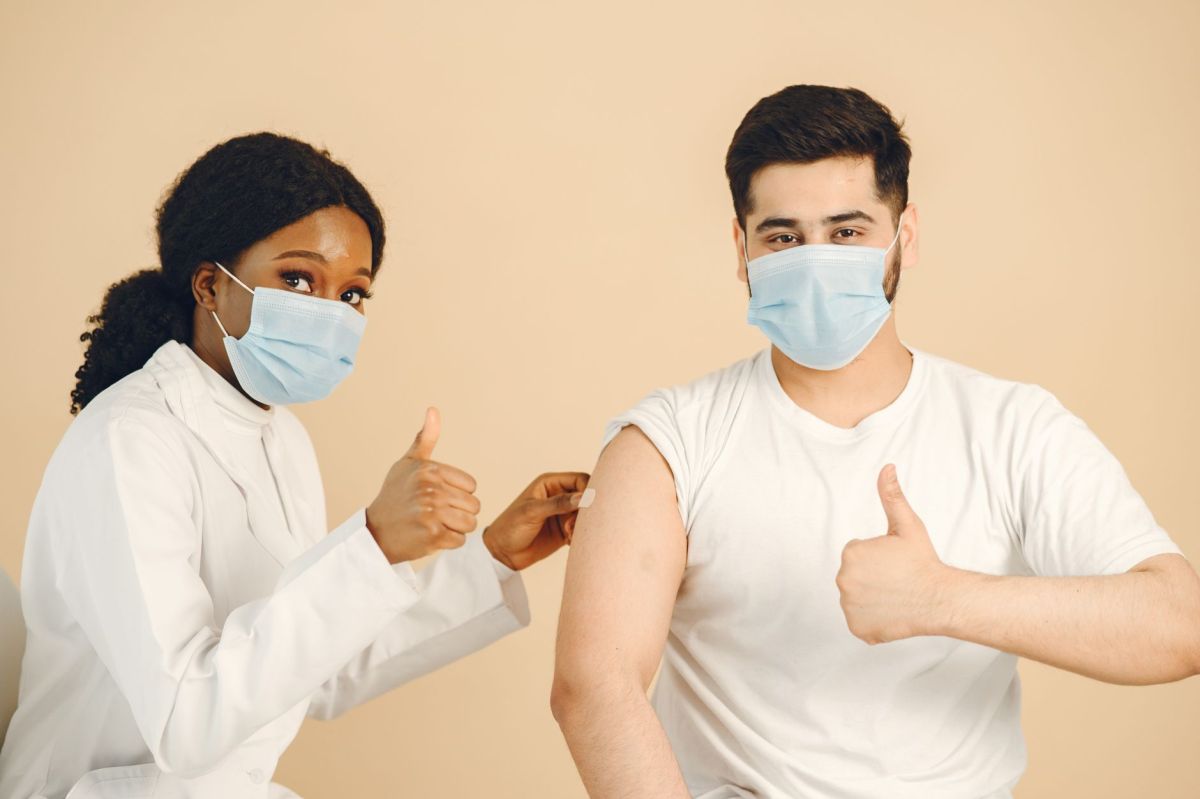
2 bandaids crossed on a world globe
photo from the Lightstock collection (affiliate link)

Life After the Pandemic

Did you expect to live during a pandemic? Probably not, I know I didn’t expect to not only live but practice medicine while a contagious virus spread through the world.

In what ways was your daily life impacted by the pandemic and how did you cope with those challenges?

What did you learn that might help you in a future medical crisis, either public or private?

If you or your family have persistent health challenges due to COVID, are you finding sources for help and support? What else might help you toward regaining health and wholeness?

Resources for Dealing with Post-COVID Health Issues

Long Covid Resources -CDC

Long Covid Alliance

RECOVER COVID Initiative

Exploring the HEART of health

I’d love for you to follow this blog and follow me on social media.

I share information and inspiration to help you transform challenges into opportunities for learning and growth.

Add your name to the subscribe box to be notified of new posts by email. Click the link to read the post and browse other content. It’s that simple. No spam.

I enjoy seeing who is new to Watercress Words. When you subscribe, I will visit your blog or website. Thanks and see you next time.

Dr. Aletha

Public Health vs. Civil Liberty-the Eternal Dilemma

The post examines the ongoing challenges public health during disease outbreaks like COVID-19, measles, and cyclosporiasis. We need to manage the tension between individual liberties and public health measures, highlighting the need for balance to effectively manage health crises .We don’t seem to handle these tension well.

updated July 26, 2026

I wrote this post at the height of the first year of the pandemic. It occurs to me that we are seeing new examples of this dilemma.

Measles cases in the United States are at the highest levels in 30 years due to relaxed requirements for measles vaccination in children. We have a Secretary of Health who minimizes the value of vaccination and doubts the opinion of immunization scientists and physicians. Many people now distrust expert advice.

(Some links to government websites on this blog, such as whitehouse.gov, cdc.gov, nih.gov, and others, have been deleted or updated since January 2025.)

The original post

Since the start of the pandemic, and since it has become so politicized and polarized, I have wondered what the late Dr. Charles Krauthammer might have written in his Washington Post column. For many years he commented on all things political, social, and occasionally medical, having left his psychiatric medical practice for a journalism career.

As I searched my previous posts about him, I found reference to a piece discussing a situation similar to COVID-19-the Ebola epidemic of 2014.

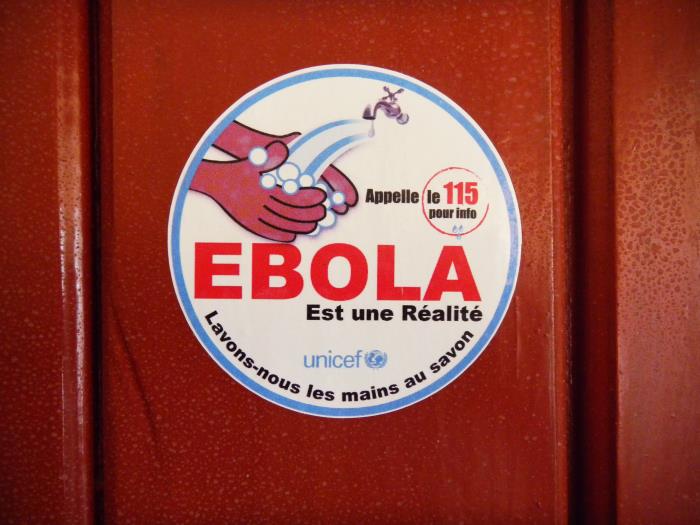
sign which says EBOLA, "wash hands with soap"
this image depicts an illustrative sticker that had been produced by the United Nations Children’s Fund, or UNICEF, which emphasized the importance of handwashing in the battle against this viral disease. credit to CDC/ Dr. Heidi Soeters, public domain

In 2014 when an Ebola epidemic broke out in Africa, a Liberian man entered the United States, became ill, and presented to a hospital emergency room; before he was isolated, healthcare workers were exposed. He was eventually diagnosed with Ebola and a nurse became infected. It caused a public health scandal which was widely criticized.

Fortunately, although deadly, Ebola is not as casually transmitted as coronavirus and never rose to pandemic proportions. But certain aspects of its presence in the United States mimic an aspect of COVID-19 which is hotly debated-personal freedom vs the common good.

Dr. Krauthammer wrote a piece commenting on this. I am quoting a few key paragraphs that particularly apply to the COVID-19 crisis. In italics, I have inserted words referring to the specifics of the 2020 pandemic.

man sitting in front of computer monitor at the CDC.
Centers for Disease Control and Prevention (CDC) activated its Emergency Operations Center (EOC) to assist public health partners in responding to the coronavirus disease 2019 (COVID-19) outbreak first identified in Wuhan, China.Credit James Gathany, Public domain

Coronavirus vs civil liberties

(quoting Dr. Krauthammer, unless noted)

Unnervingly, the U.S. public health services remain steps behind the Ebola virus (Coronavirus). Contact tracing is what we do, Centers for Disease Control Director Tom Frieden (Robert Redfield) assured the nation. It will stop the epidemic “in its tracks.”

These missteps raise questions of competence, candor and false confidence. But the problem is deeper. And it rests not in our doctors but in ourselves.

In the face of a uniquely dangerous threat, we Americans have trouble re-calibrating our traditional (and laudable) devotion to individual rights and civil liberties. That is the fundamental reason we’ve been so slow in getting serious about Ebola (COVID-19). Consider:

Privacy

In normal circumstances, privacy deserves absolute respect. But these are not normal circumstances. We’re talking about a possible epidemic by an unseen pathogen that kills 70 percent of its victims. Contact tracing is the key to stopping it, we’ve been told. 

Note: As of June 23, 2020, in the United States, COVID-19 has caused death in

  • 0/1000 cases in children
  • 1-8/1000 cases in people 18-49 years old
  • 29/1000 cases in ages 50-64 years
  • 100-300/1000 cases in ages 65 years and older.
Quarantine

Quarantine is the ultimate violation of civil liberties. Having committed no crime, having done no wrong, you are sentenced to house arrest or banishment. It’s unfair. It’s, well, un-American. But when an epidemic threatens, we do it because we must.

(Note: Americans have been asked to quarantine if they have come in close contact with someone confirmed with COVID-19. If they have the infection, they must self-isolate for at least 10 days. )

Evacuation

Training and equipping every hospital in America to treat this rare disease would be ridiculously expensive and 99 percent wasted. Every Ebola (COVID-19) patient should be evacuated to a specialized regional isolation center, such as the ones in Atlanta, Omaha or Bethesda.

(Note: With the large number of COVID-19 hospitalizations, it is impractical to treat all patients at isolation centers. However, their care requires a high level of medical sophistication only available at large medical centers by physicians, nurses, and other professionals trained in critical and intensive care. Such care can potentially overwhelm the medical system, making care of COVID-19 patients more difficult and making care of other critically ill patients less available.)

Travel bans

The CDC argues that a travel ban would stop the flow of medical assistance to West Africa. This is silly. Simply make an exception for health-care workers. They apply to federal authorities, who charter their flights (or use military aircraft already headed there) and monitor their movements until 21 days (14 days) after their return home.

(Note: Non-essential travel to China from the United States was banned soon after the onset of the COVID-19 pandemic, and travel to other parts of the world followed. Ironically in July of 2020, some countries banned entry of arrivals from the United States due to a surge in cases. Some states instituted quarantine requirements for visitors from other states to limit spread during the summer surge of cases. )

President Obama, in his messianic period, declared that choosing between security and liberty was a false choice. On the contrary. It is the eternal dilemma of every free society. Politics is the very process of finding some equilibrium between these two competing values.

Regarding terrorism, we’ve developed a fairly reasonable balance. But it took time. With Ebola (COVID-19), we don’t have time. Viruses don’t wait. The sooner we reset the balance — the sooner we get serious — the safer we will be.

Here is a link to his original article.

Charles Krauthammer: Ebola vs civil liberties

Resetting the balance with COVID-19

To contain and “flatten the curve” of COVID-19 cases, American citizens have been asked to limit or even avoid many common activities; these restrictions have been met with resistance and outright defiance. These include

  • closing “non-essential” businesses
  • closing schools
  • closing religious institutions
  • closing entertainment venues
  • deferring private social gatherings
  • avoiding non-essential travel
  • maintaining “social distance” when in public
  • wearing face coverings in public and at home if ill
cloth facial coverings to prevent transmission of COVID-19

This last one, wearing face coverings to prevent the spread of coronavirus containing droplets, has at times been the most contentious among people, with some enthusiastically embracing their use and some rejecting.

Even the two presidential candidates initially gave different responses, with Mr. Trump refusing to wear one while Mr. Biden did. (By mid July, Mr. Trump began wearing a mask and urged citizens to do so.)

We’re instead asking Americans to use masks, socially distance, and employ vigorous hygiene — wash your hands every chance you get — while sheltering high-risk populations.  We are imploring young Americans to avoid packed bars and other crowded indoor gatherings.  Be safe and be smart.

President Donald Trump, July 21, 2020

Some cities passed ordinances making masks mandatory, although some didn’t. By late July 2020 many major retailers including Walmart , Target, Costco, and CVS required customers to wear a face cover to enter their stores.

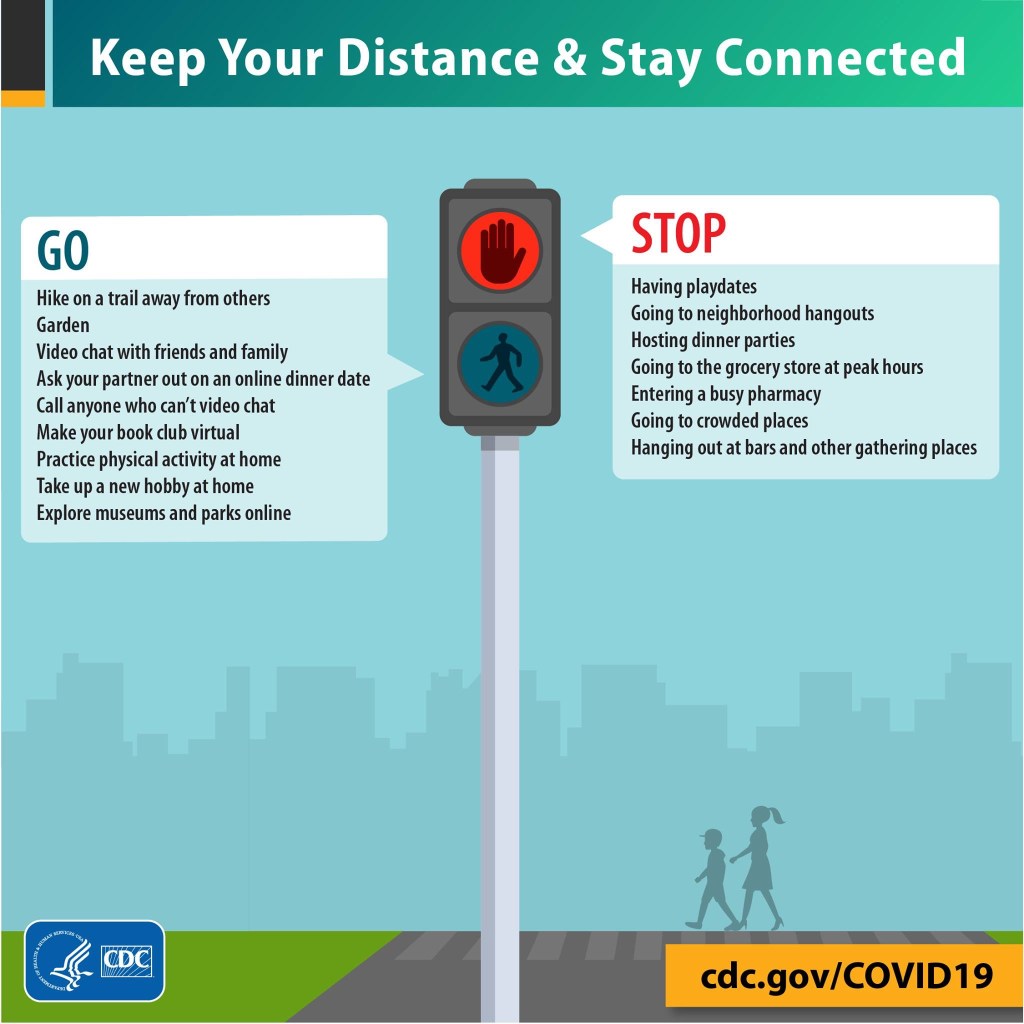
from the CDC website

Life vs Liberty

In 1776 when the American colonies threw off unjust English rule, the leaders declared independence based on the rights of

Life, Liberty, and the Pursuit of Happiness

The Declaration of Independence

But when Life is threatened by disease, Liberty may also be threatened- and it remains to be seen if the democratic government they established can save both.

exploring the HEART of health

I’d love for you to follow this blog and follow me on social media.

I share information and inspiration to help you transform challenges into opportunities for learning and growth.

Add your name to the subscribe box to be notified of new posts by email. Click the link to read the post and browse other content. It’s that simple. No spam.

I enjoy seeing who is new to Watercress Words. When you subscribe, I will visit your blog or website. Thanks and see you next time.

Dr. Aletha
before you leave you may enjoy

Dr. Charles Krauthammer- eternal Washington Nationals fan

When I read Charles Krauthammer book, Things That Matter, one of the most important things I learned wasn’t about politics, medicine, or ethics, subjects he knew well and wrote about often. I learned that he was a die hard Washington Nationals baseball fan.