updated July 26, 2026
I wrote this post at the height of the first year of the pandemic. It occurs to me that we are seeing new examples of this dilemma.
Measles cases in the United States are at the highest levels in 30 years due to relaxed requirements for measles vaccination in children. We have a Secretary of Health who minimizes the value of vaccination and doubts the opinion of immunization scientists and physicians. Many people now distrust expert advice.
(Some links to government websites on this blog, such as whitehouse.gov, cdc.gov, nih.gov, and others, have been deleted or updated since January 2025.)
The original post
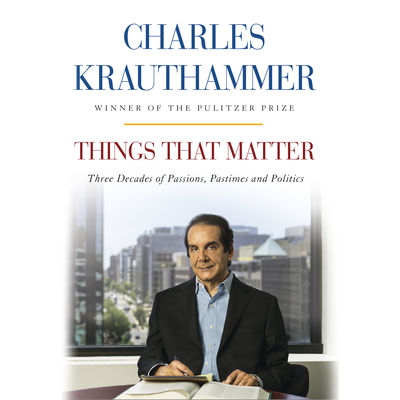
Since the start of the pandemic, and since it has become so politicized and polarized, I have wondered what the late Dr. Charles Krauthammer might have written in his Washington Post column. For many years he commented on all things political, social, and occasionally medical, having left his psychiatric medical practice for a journalism career.
As I searched my previous posts about him, I found reference to a piece discussing a situation similar to COVID-19-the Ebola epidemic of 2014.
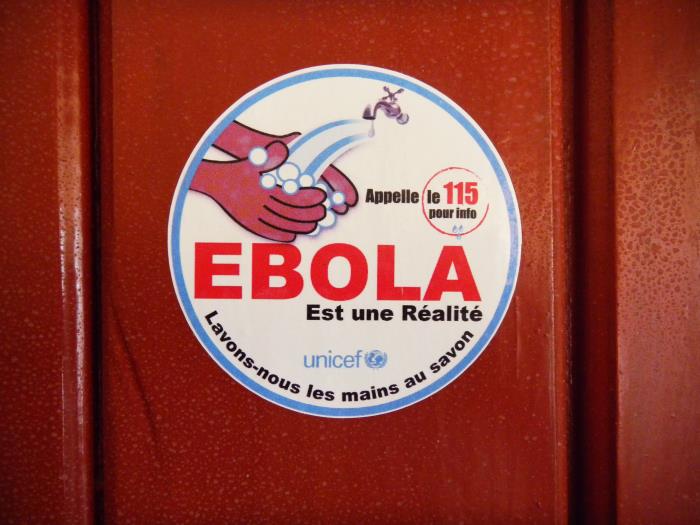
In 2014 when an Ebola epidemic broke out in Africa, a Liberian man entered the United States, became ill, and presented to a hospital emergency room; before he was isolated, healthcare workers were exposed. He was eventually diagnosed with Ebola and a nurse became infected. It caused a public health scandal which was widely criticized.
Fortunately, although deadly, Ebola is not as casually transmitted as coronavirus and never rose to pandemic proportions. But certain aspects of its presence in the United States mimic an aspect of COVID-19 which is hotly debated-personal freedom vs the common good.
Dr. Krauthammer wrote a piece commenting on this. I am quoting a few key paragraphs that particularly apply to the COVID-19 crisis. In italics, I have inserted words referring to the specifics of the 2020 pandemic.

Coronavirus vs civil liberties
(quoting Dr. Krauthammer, unless noted)
Unnervingly, the U.S. public health services remain steps behind the Ebola virus (Coronavirus). Contact tracing is what we do, Centers for Disease Control Director Tom Frieden (Robert Redfield) assured the nation. It will stop the epidemic “in its tracks.”
These missteps raise questions of competence, candor and false confidence. But the problem is deeper. And it rests not in our doctors but in ourselves.
In the face of a uniquely dangerous threat, we Americans have trouble re-calibrating our traditional (and laudable) devotion to individual rights and civil liberties. That is the fundamental reason we’ve been so slow in getting serious about Ebola (COVID-19). Consider:
Privacy
In normal circumstances, privacy deserves absolute respect. But these are not normal circumstances. We’re talking about a possible epidemic by an unseen pathogen that kills 70 percent of its victims. Contact tracing is the key to stopping it, we’ve been told.
Note: As of June 23, 2020, in the United States, COVID-19 has caused death in
- 0/1000 cases in children
- 1-8/1000 cases in people 18-49 years old
- 29/1000 cases in ages 50-64 years
- 100-300/1000 cases in ages 65 years and older.
Quarantine
Quarantine is the ultimate violation of civil liberties. Having committed no crime, having done no wrong, you are sentenced to house arrest or banishment. It’s unfair. It’s, well, un-American. But when an epidemic threatens, we do it because we must.
(Note: Americans have been asked to quarantine if they have come in close contact with someone confirmed with COVID-19. If they have the infection, they must self-isolate for at least 10 days. )
Evacuation
Training and equipping every hospital in America to treat this rare disease would be ridiculously expensive and 99 percent wasted. Every Ebola (COVID-19) patient should be evacuated to a specialized regional isolation center, such as the ones in Atlanta, Omaha or Bethesda.
(Note: With the large number of COVID-19 hospitalizations, it is impractical to treat all patients at isolation centers. However, their care requires a high level of medical sophistication only available at large medical centers by physicians, nurses, and other professionals trained in critical and intensive care. Such care can potentially overwhelm the medical system, making care of COVID-19 patients more difficult and making care of other critically ill patients less available.)
Travel bans
The CDC argues that a travel ban would stop the flow of medical assistance to West Africa. This is silly. Simply make an exception for health-care workers. They apply to federal authorities, who charter their flights (or use military aircraft already headed there) and monitor their movements until 21 days (14 days) after their return home.
(Note: Non-essential travel to China from the United States was banned soon after the onset of the COVID-19 pandemic, and travel to other parts of the world followed. Ironically in July of 2020, some countries banned entry of arrivals from the United States due to a surge in cases. Some states instituted quarantine requirements for visitors from other states to limit spread during the summer surge of cases. )
President Obama, in his messianic period, declared that choosing between security and liberty was a false choice. On the contrary. It is the eternal dilemma of every free society. Politics is the very process of finding some equilibrium between these two competing values.
Regarding terrorism, we’ve developed a fairly reasonable balance. But it took time. With Ebola (COVID-19), we don’t have time. Viruses don’t wait. The sooner we reset the balance — the sooner we get serious — the safer we will be.
Here is a link to his original article.
Charles Krauthammer: Ebola vs civil liberties
Resetting the balance with COVID-19
To contain and “flatten the curve” of COVID-19 cases, American citizens have been asked to limit or even avoid many common activities; these restrictions have been met with resistance and outright defiance. These include
- closing “non-essential” businesses
- closing schools
- closing religious institutions
- closing entertainment venues
- deferring private social gatherings
- avoiding non-essential travel
- maintaining “social distance” when in public
- wearing face coverings in public and at home if ill

This last one, wearing face coverings to prevent the spread of coronavirus containing droplets, has at times been the most contentious among people, with some enthusiastically embracing their use and some rejecting.
Even the two presidential candidates initially gave different responses, with Mr. Trump refusing to wear one while Mr. Biden did. (By mid July, Mr. Trump began wearing a mask and urged citizens to do so.)
We’re instead asking Americans to use masks, socially distance, and employ vigorous hygiene — wash your hands every chance you get — while sheltering high-risk populations. We are imploring young Americans to avoid packed bars and other crowded indoor gatherings. Be safe and be smart.
President Donald Trump, July 21, 2020
Some cities passed ordinances making masks mandatory, although some didn’t. By late July 2020 many major retailers including Walmart , Target, Costco, and CVS required customers to wear a face cover to enter their stores.
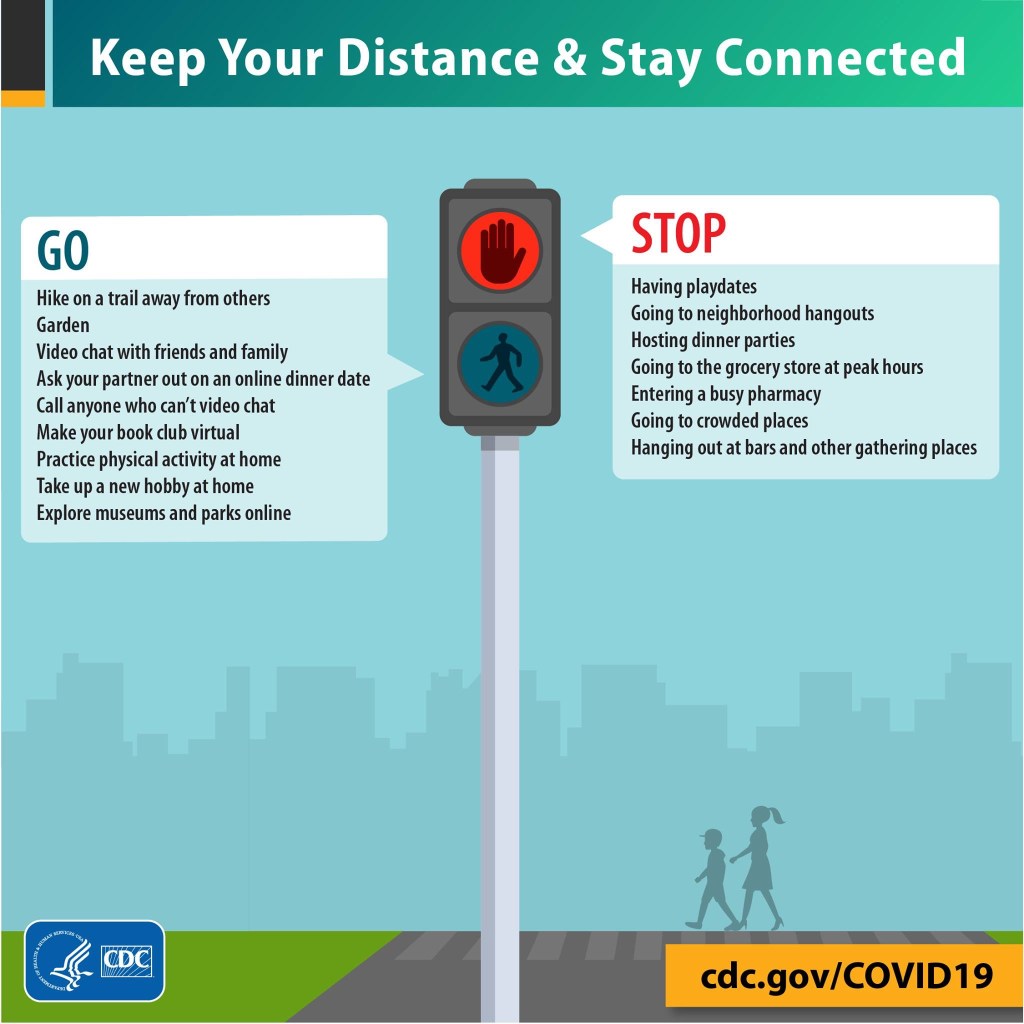
Life vs Liberty
In 1776 when the American colonies threw off unjust English rule, the leaders declared independence based on the rights of
Life, Liberty, and the Pursuit of Happiness
The Declaration of Independence
But when Life is threatened by disease, Liberty may also be threatened- and it remains to be seen if the democratic government they established can save both.
exploring the HEART of health
Thank you for reading this post. Please follow this blog and me on social media.
I share information and inspiration to help you transform challenges into opportunities for learning and growth.
Add your name to the subscribe box to be notified of new posts by email. Click the link to read the post and browse other content. It’s that simple. No spam.
I enjoy seeing who is new to Watercress Words. When you subscribe, I will visit your blog or website. Thanks and see you next time.
Dr. Aletha
- About Dr. Aletha
- How to Use this Site
- Make Your Life Easier
- Search by Category
- Share the HEART of health
- my Reader Rewards Club
- RoboForm Password Manager
before you leave you may enjoy

Dr. Charles Krauthammer- eternal Washington Nationals fan
When I read Charles Krauthammer book, Things That Matter, one of the most important things I learned wasn’t about politics, medicine, or ethics, subjects he knew well and wrote about often. I learned that he was a die hard Washington Nationals baseball fan.