Fighting disease at the CDC-from malaria to COVID-19

Since early 2020, acronyms, especially in medicine, have gained attention due to the COVID-19 outbreak. Initial reports from Johns Hopkins highlighted the need for urgent public health responses. The CDC, established to combat communicable diseases, plays a crucial role in monitoring and informing about COVID-19. Knowledge continues to evolve rapidly.

update February 11, 2025

The CDC website has moved all articles about COVID-19, SARS-CoV-2, into its archives. This post may have CDC links that are no longer active, or have moved. You may be directed to the new link at the CDC website.

Defining Disease

Since the start of 2020, you’ve probably heard and learned more acronyms than ever before. Medicine, chemistry, computer science, the military, and government use acronyms- abbreviations formed from the initial letters of words to create new words. Acronyms make it easier to write and say complicated names. But in medicine, sometimes they represent serious and dangerous diseases-

  • MI-myocardial infarction, heart attack
  • CVA-cerebrovascular accident, stroke
  • DM-diabetes mellitus
  • HIV-AIDS-human immunodeficiency virus-acquired immunodeficiency syndrome
  • SARS-CoV-sudden acute respiratory syndrome (due to coronavirus )
  • SARS-CoV-2 sudden acute respiratory syndrome(due to coronavirus 2)

SARS-CoV-2

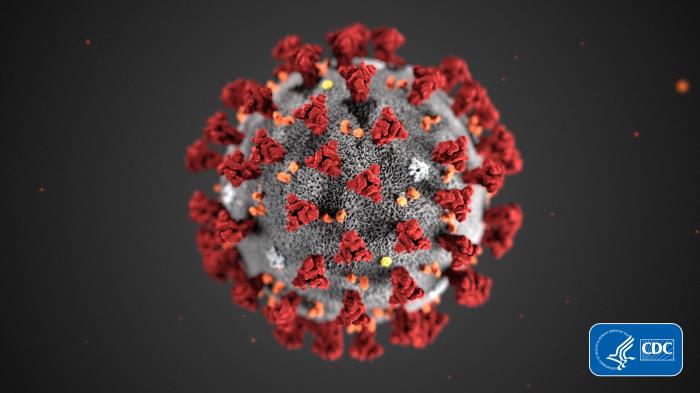
In an online article on March 3, 2020, three physicians from Johns Hopkins School of Public Health reported a December 2019 outbreak of viral pneumonia in Wuhan China, a city of several million people, a place I had never heard of. Scientists determined they were infected with a novel (new) coronavirus which they called SARS-CoV-2, which was soon shortened to COVID-19-corona virus disease 2019. The World Health Organization, WHO, declared this a Public Health Emergency of International Concern. The authors concluded

it is clear now that COVID-19 will spread widely in the world, including in the U.S….health care and public health systems need to move quickly forward in their efforts to be ready to confront this disease around the country

Drs. Adalja, Toner, Inglesby,March 3, 2020, JAMA, The Journal of the American Medical Association
symptoms of COVID-19-fever, cough, shortness of breath

I don’t remember if I had seen that article, but I had been reading about COVID-19 on several medical websites. On March 5, 2020 I spoke at my local DARDaughters of the American Revolution-meeting as chair of the Women’s Issues Committee, which focuses on family, career, and health. By mid April when I looked back at my notes , I was stunned to realize how much had happened and how much our lives had changed in a mere 6 weeks. Here’s what I reported to the group that day.

Learning about COVID-19

Our country and the world are confronting a new and serious health challenge which just a few weeks ago we knew little about but are learning more every day- the COVID-19 disease outbreak.  This crisis presents a unique opportunity for us as citizens to watch the private and the public healthcare sectors work together to control and contain the spread of this disease.

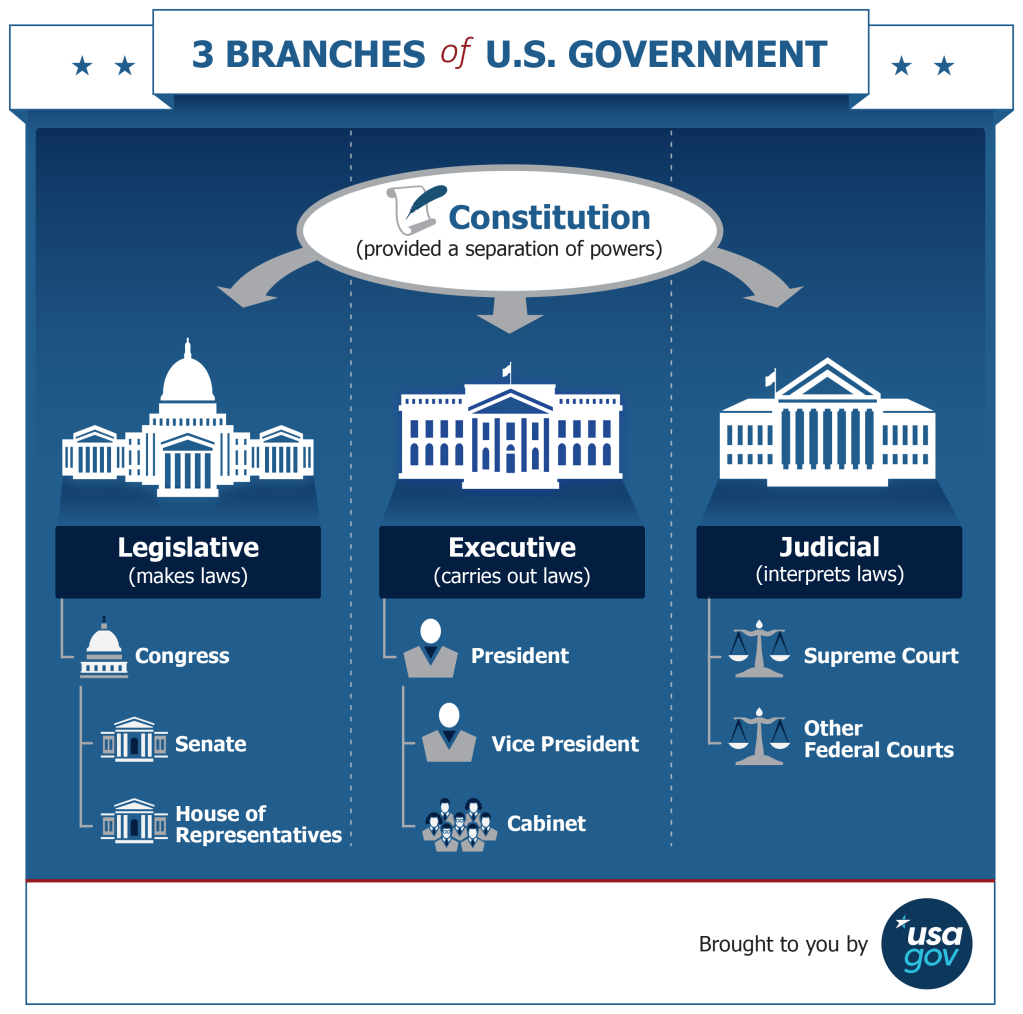
The public health response is coordinated by President Donald Trump –POTUS-and the U.S. Department of Health and Human Services (HHS). The Secretary of Health and Human Services, Alex Azar ,serves in the President’s cabinet.

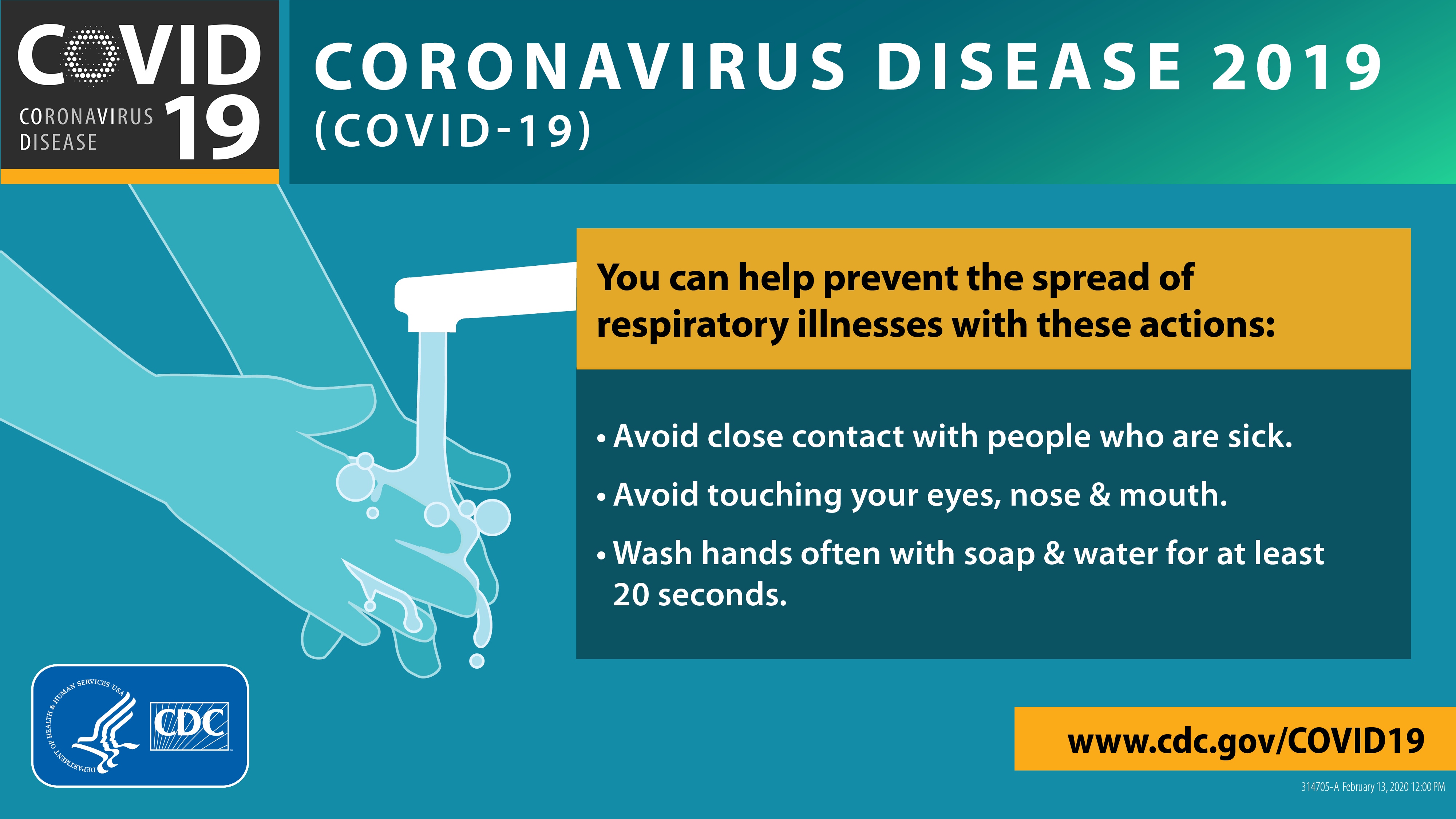
avoid contact with sick people, do not touch your eyes, nose, mouth; wash hand often

“effective Health and Human Services”

The mission of the U.S. Department of Health and Human Services (HHS) is

“to enhance and protect the health and well-being of all Americans by providing for effective health and human services and by advances in the sciences underlying medicine, public health, and social services.”

The Constitution doesn’t mention health or medical care but maybe the department’s creation was inspired by the preamble to the Constitution which pledges to “promote the general welfare.”

In terms of spending, HHS is now the largest government agency, surpassing even the Department of Defense-DoD. The 2121 budget proposal includes $94.5 billion in discretionary funds and $1.3 trillion in mandatory funding for HHS. (This was prior to the 2020 COVID-19 response.)

This HHS budget funds multiple agencies including 

  • CMS- Centers for Medicare and Medicaid
  • ACA- the Health Insurance Marketplace for the Affordable Care Act 
  • FDA-the Food and Drug Administration 
  • IHS- the Indian Health Service 
  • NIH, the National Institutes of Health, which includes the National Institute of Allergy and Infectious Disease (NIAID) directed by Dr. Anthony Fauci
  • Head Start and other services to children
  • Services to disabled and elderly people
  • Mental health and substance abuse programs 
  • USPHS- the US Public Health Service including the Surgeon General (OSG)
  • CDC-the Centers for Disease Control and Prevention 

What is the CDC ?

The CDC’s mission is

“to work 24/7 to protect America from health, safety and security threats, both foreign and in the U.S.”

The Communicable Disease Center (CDC) opened on one floor of a small building in Atlanta Georgia in 1946, with a simple yet challenging mission: prevent malaria from spreading across the nation, from the southern states, the heart of the malaria zone.

With a budget of $10 million and 400 employees, the agency acquired trucks, sprayers, and shovels to wage war on mosquitoes, whose bite transmits malaria. 

CDC Founder Dr. Joseph Mountin advocated for public health issues and for CDC to extend its responsibilities to other communicable diseases. He was a visionary public health leader with high hopes for this small and insignificant branch of the Public Health Service. 

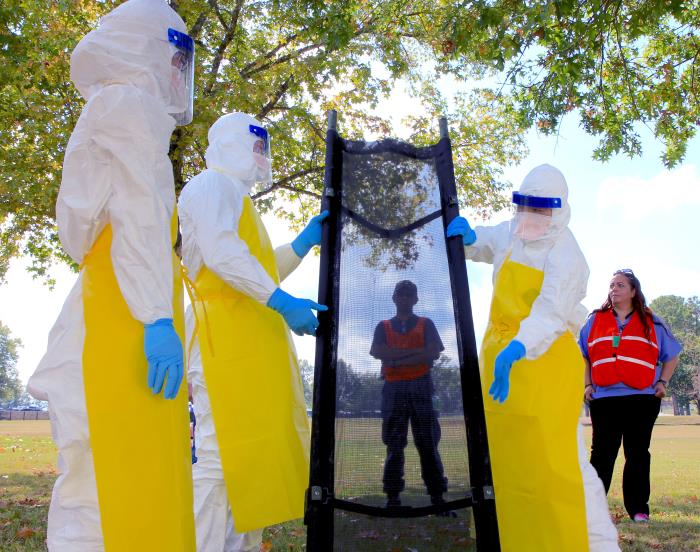
This image was created by Centers for Disease Control and Prevention (CDC) Public Health Advisor, Cleopatra Adedeji, RRT, BSRT, while the CDC’s 2014, Domestic Training Course for healthcare workers was underway. Outside the mock Ebola Treatment Unit (ETU), under the tutelage of CDC Medical Officer, Dr. Satish Pillai (center, behind gurney), and lead by Epidemic Intelligence Service (EIS) Officer, Dr. Mary Choi, this group of three students, was in the process of assembling, and properly disinfecting a transport gurney they had used in this simulated Ebola patient care scenario.
Additional Information:
The 3-day courses took place at the U.S. Federal Emergency Management Agency Center for Domestic Preparedness in Anniston, Alabama. Training participants included physicians, nurses and other providers who were to be deployed to countries affected by the Ebola epidemic, thereby, providing direct patient care. “The primary purpose of the course was to ensure that clinicians intending to provide medical care to patients with Ebola have sufficient knowledge of the disease, and its transmission routes in order to work safely and efficiently in a well-designed ETU.” CDC/ Cleopatra Adedeji, RRT, BSRT, public domain

In 1947, CDC paid Emory University $10 for 15 acres of land in Atlanta that now serves as CDC headquarters. Since then, its focus has expanded to include all communicable diseases, safety, traveler’s health, environmental health issues, prevention of chronic diseases, and to provide practical help to state health departments when requested.

The CDC and COVID-19

Since February 15, 2020, led by Director Dr. Robert Redfield, the CDC has been studying, monitoring, researching, and reporting the status of the SARS-CoV-2 virus and the disease that apparently first entered the U.S. in January 2020, COVID-19. Both the general public, healthcare professionals, and government officials depend on the agency for up-to-date and accurate information.

Knowledge about COVID-19 grows and changes daily, and what we thought was true yesterday may be far different tomorrow. I have never seen the medical community acquire and apply knowledge about a disease process so quickly in the 42 years I have been in healthcare.

Dr. Mountin and the other professionals who started out with the goal of eliminating the threat of malaria likely never imagined that their future colleagues would face such a formidable foe. The $10 spent on a plot of land in Atlanta is proving to be one of the best investments our country has made.

exploring the HEART of public health

I’d love for you to follow this blog. I share information and inspiration to help you turn health challenges into health opportunities.

Add your name to the subscribe box to be notified of new posts by email. Click the link to read the post and browse other content. It’s that simple. No spam.

I enjoy seeing who is new to Watercress Words. When you subscribe, I will visit your blog or website. Thanks and see you next time.

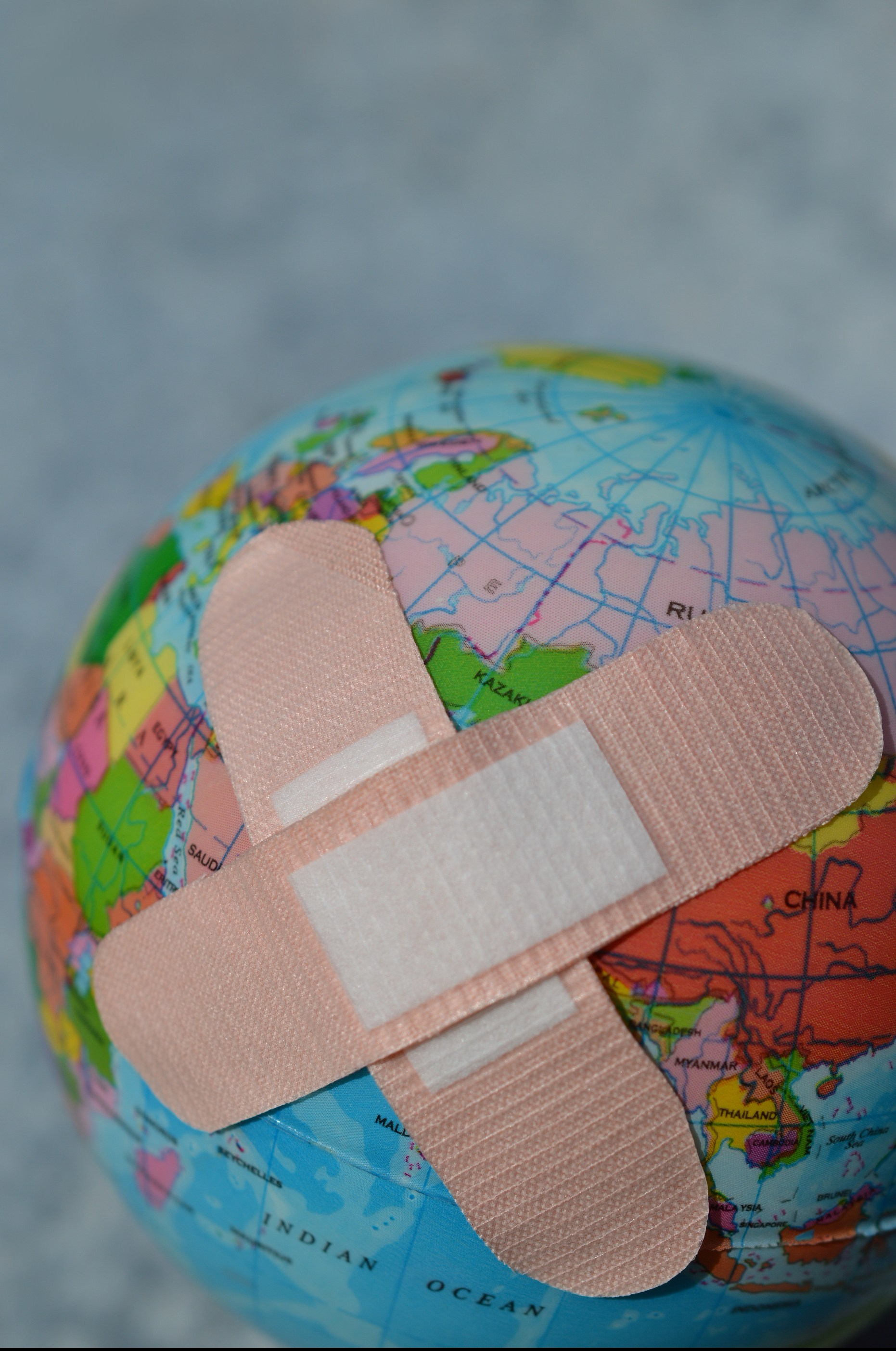
a world globe with two crossed bandaids

Doctor Aletha

Improving health with 7 life elements

7 ways to improve your health #MakeHealthPrimary#UCR

On this blog we explore the HEART of HEALTH

Many years ago Bruce Larson wrote,

“There’s a Lot More to Health Than Not Being Sick .”


He proposed health is not just the opposite of un-health, disease, illness, informity- and I agree.

There's a Lot More to Health than Not Being Sick by Bruce Larson

I have seen this proven in the lives of countless patients.

I have treated patients who did not have a diagnosed disease, but yet did not feel or act healthy. Other patients who had a long list of ailments still managed to live active, healthy lives.

Defining Health

The WHO, World Health Organization, says

“Health is a state of complete physical, mental and social well-being and not merely the absence of disease or infirmity.”

(The bibliographic citation for this definition is: Preamble to the Constitution of WHO as adopted by the International Health Conference, New York, 19 June – 22 July 1946; signed on 22 July 1946 by the representatives of 61 States (Official Records of WHO, no. 2, p. 100) and entered into force on 7 April 1948. The definition has not been amended since 1948.)

Improving health with 7 life elements- watercresswords.com

Health in 7 Dimensions

I recently discovered a definition of health that includes those points but goes even further. The University of California, Riverside, Human Resources department promotes wellness among its staff and students with a Seven Dimensions of Wellness program.

This program considers aspects of life which you might not think impact  health but do significantly affect wellbeing, or the lack of.

Let’s look at  their 7 points which I’m going to expand with my own thoughts.

Social Wellness- relating to and connecting  with other people in our world.

This includes family, friends, co-workers, neighbors, even strangers.

Loneliness is  a significant health problem: it contributes to ill health, and even risk of dying prematurely.

The New York Times health writer Jane Brody reviewed medical studies that show

Social interaction is critical for mental and physical healthstatue of 3 men dancing and playing instruments

Emotional Wellness- understanding our feelings and coping with life challenges.

Emotionally well people understand that feeling angry, sad, fearful or stressed will happen, and are able to not let those feelings cripple them. They use the times of  hope, love, joy and happiness to build a reserve on which to draw in difficult times.

Spiritual Wellness – what brings, peace, harmony, and purpose to our lives.

Our sense of ethics, morals, right, and wrong is usually based on what we believe to be true and meaningful,  woman with hands bowed in prayerand likely involves faith and support for an organized belief system or religion. Without belief in something, our lives can drift aimlessly and we can fall into restlessness, doubt our purpose, and lose hope for the future.

MOTHER TERESA-COME BE MY LIGHT a book cover
The saint, Mother Teresa, lived her life committed to the purpose she felt called to do- take care of the poor, sick, and suffering people in India.

Environmental Wellness – how you feel about where you live and work.

Whether it’s your own home, your neighborhood, city, country, or the world, your environment can make you feel safe and protected , or can make you feel uncomfortable and insecure, depending on the quality of the air, water, and physical surroundings.

Where you live often determines your access to basic services and goods necessary for health and wellness, what doctors call the social determinants of health  such as

  • doctor’s and dentist’s offices
  • hospitals
  • pharmacies
  • grocery stores that sell nutritious food

as well as access to schools, church, jobs, entertainment.

sign on an urgent care clinic

Environment may even change our genetic makeup. According to an article shared at Smithsonian.com

“A team of researchers from Northwestern University led by anthropology professor Thom McDade have shown that DNA can also be modified by your environment during childhood. What’s more, the authors conclude in the journal Proceedings of the National Academy of Sciences, those modifications can affect how or when you develop certain illnesses during adulthood.”

Occupational Wellness- finding personal fulfillment from our jobs or our chosen career .

Feeling that we are contributing to the society we live in, whether it’s through employment, voluntary service, or nurturing a family unit can give us a sense of accomplishment and self-worth.

When you realize that we often spend the majority of our waking hours at work, you can see why work has a major impact on our health. In my medical practice, I frequently encounter patients with job problems that impact their health.  This includes

  • physical demands, exposure to dangerous substances, environments, and situations
  • time demands, shift work, long hours, lack of time off
  • job insecurity due to uncertain employer stability, unclear job expectations, inadequate training
  • interpersonal conflicts with supervisors, other employees, clients, customers

These can lead to

  • physical injuries
  • fatigue, sleep deprivation
  • feelings of stress, anxiety, depression

Read about how a bad work environment may be worse than being unemployed in this CNN report.

 Bad work environment-bad for your health

drawing of a man reading a book which hides his face

Intellectual Wellness- opening  our minds to new ideas and experiences in order to increase our knowledge and skills

Whether through formal education in a school or through individual learning pursuits , keeping our minds active seems to be a key to remaining fit and active as we age, and may even slow or prevent the onset of dementia, as recommended by the Alzheimer’s Association. 

Stay Mentally Active.

THE SPIRIT OF LEARNING IS A LASTING FRONTIER
plaque in front of the Bizzell Library, at the University of Oklahoma

 “THE SPIRIT OF

LEARNING IS

A LASTING

FRONTIER.”

Physical Wellness-  the ability to maintain a healthy quality of life that allows us to get through our daily activities without undue fatigue or physical stress.

These dimensions of health aren’t linear so much as they are circular-one leads to another. Addressing our physical health makes the other 6 easier to accomplish. In this category we would consider

  • weight management
  • physical activity
  • avoiding substances like tobacco, alcohol, illicit drugs
  • adequate quality sleep

WHO’s “Prerequisites for Health”

The World Health Organization later expanded their health definition .

They wrote, “To reach a state of complete physical, mental and social well-being, an individual  must be able

  • to identify and to realize aspirations,
  • to satisfy needs, and
  • to change or cope with the environment.

Health is a resource for everyday life, not the objective of living.

Health is a positive concept emphasizing social and personal resources, as well as physical capacities.”

I encourage you to read Rev. Larson’s book; There's a Lot More to Health than Not Being Sick by Bruce Larsonit’s vintage but still challenging and inspirational.

Explore the 7 Dimensions of Wellness page and the other information the University of California, Riverside offers to their employees and to us, and for which I thank them.


Now think about which of the 7 dimensions you need to work on, devote more attention to, or change, to reach your optimal state of wellness. 

I’m certainly going to look harder at my own life to see where I need to make changes. Here are some questions to consider.

When was the last time I read a book about something I didn’t already know about?

How can I make more time for social activities with friends and family?

Is my job a source of intellectual stimulation and satisfaction, or does it drain my emotional and physical energy?

GOALS written on a sheet of paper
What new goals will help me achieve the health i want?

Are there habits I need to change to improve my physical well-being-lose weight, quit smoking, eat more nutritious foods?

Do I make time for goal setting, self-assessment,  meditation, nurturing and practicing my faith?

Who do I need to forgive, and what situations do I need to lay aside and move on?

I would love for you to leave a comment or send me a message if you just want me to know. 

Here are some other posts that might inspire you in your exploration.

Health is Primary
Health is Primary, a program committed to improving the health care system and patients’ health

7 surprising reasons to be smoke free

6 steps to losing weight and gaining hope

Use your phone to get fit

Expert advice to sleep well every night