Still Looking for Peace on Earth

I have updated my first Christmas post for the ten-year anniversary of this blog, My late friend Bill provided the cover image. I share the special bond he had with my husband, their shared experiences of war, and how art served as therapy for Bill. I invite you to reflect on loss and legacy during the holiday season.

This is an updated version of the first Christmas post I wrote for this blog ten years ago, 2015. I had no plans to write a blog for any length of time, much less ten years.

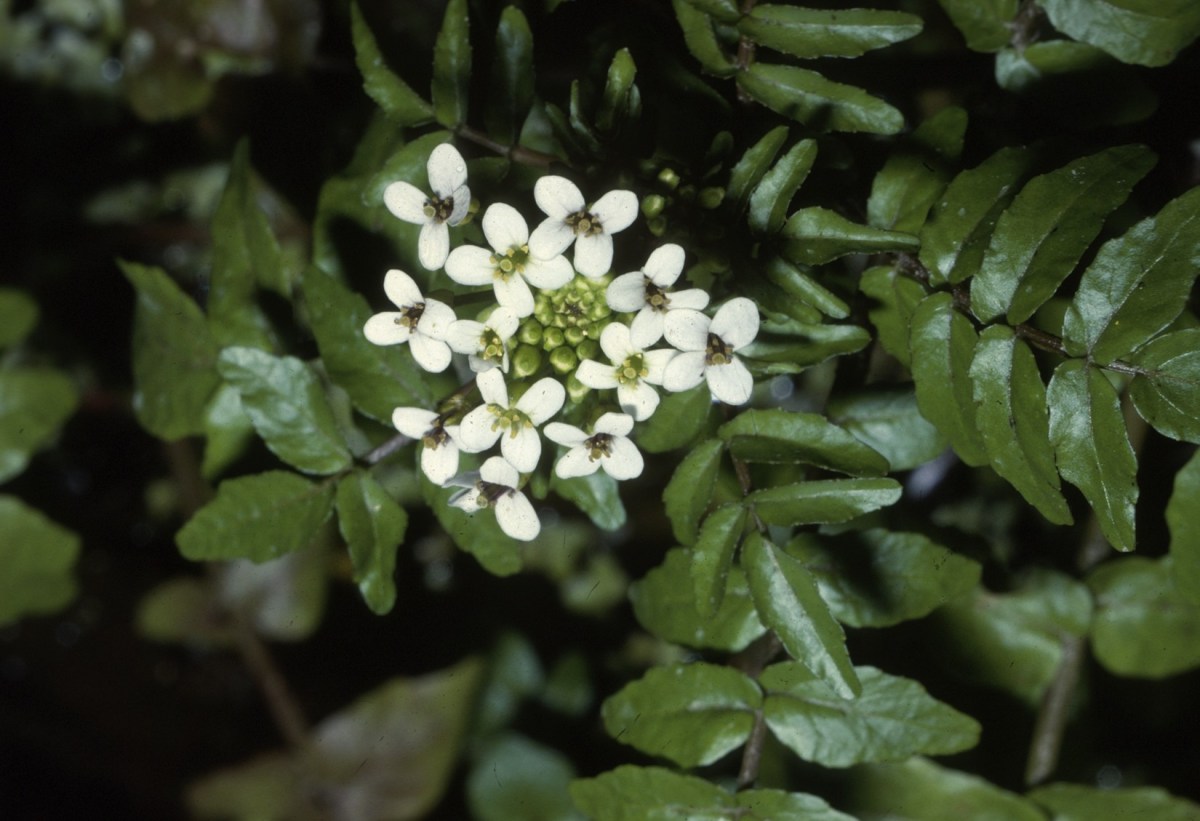
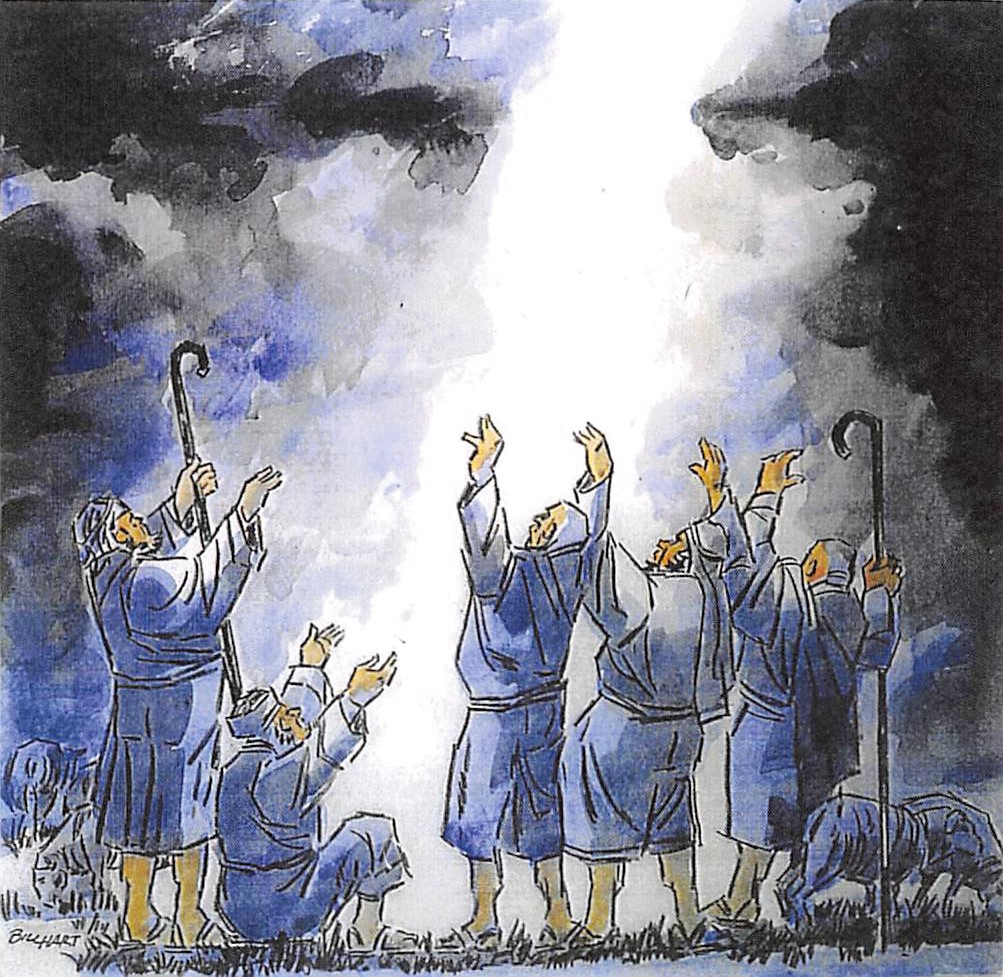
The same cover photo depicts a Biblical scene from the Christmas story. Some shepherds tending their flocks were visited by angels.

And in the same region there were shepherds out in the field, keeping watch over their flock by night. 

 And an angel of the Lord appeared to them, and the glory of the Lord shone around them, and they were filled with great fear. 

 And the angel said to them,

Fear not, for behold, I bring you good news of great joy that will be for all the people.  For unto you is born this day in the city of David a Savior, who is Christ the Lord. 

 And this will be a sign for you: you will find a baby wrapped in swaddling cloths and lying in a manger.” 

 And suddenly there was with the angel a multitude of the heavenly host praising God and saying,

Glory to God in the highest,
    and on earth peace among those with whom he is pleased
!

Luke 2:11–14, ESV

The Holy Bible, English Standard Version. ESV® Text Edition: 2016. Copyright © 2001 by Crossway Bibles, a publishing ministry of Good News Publishers.

Christmas manger display
For to us a child is born, to us a son is given; and the government shall be upon his shoulder, and his name shall be called Wonderful Counselor, Mighty God, Everlasting Father, Prince of Peace. Of the increase of his government and peace, there will be no end. (Isa. 9:6–7)
Photo by Dr. Aletha

Shepherds, Angels, and Two Soldiers

The cover image was on a Christmas card my husband, Raymond, and I received from our dear friends Bill and Greta Hart, whom we met at our church.

Like my husband, Bill was an Army veteran. Raymond served three years, including a tour in Vietnam. Bill was sent to Europe during World War II and was among the men who stormed Normandy on June 6 to liberate France.

Though they served in two very different wars, with different outcomes, Bill and Raymond bonded over their shared experience. They both carried invisible wounds of the mind and heart that others couldn’t see.

Bill was a professional artist, but art was not just his job. It was his therapy, a balm for his pain, a source for the peace he had fought for but did not feel himself.

So he drew this picture of the shepherds hearing the joyful message of peace coming to earth, put it on Christmas cards, and sent the message to his friends.

Both Bill and Greta have passed away after living into their 90s. They remained faithful members of our church. He continued drawing and painting until the day he died. With her sister, Greta taught Bible lessons after school in local elementary schools. With her passing, other women have continued her mission.

Thoughts

Who is missing in your life this holiday season? What thoughts come to your mind as you remember them? What feelings stir in you?

What do you want others to remember about you? What will you do now to make that happen?

Exploring the HEART of Health

I’d love for you to follow this blog. I share information and inspiration to help you turn health challenges into health opportunities.

Add your name to the subscribe box to be notified of new posts by email. Click the link to read the post and browse other content. It’s that simple. No spam.

I enjoy seeing who is new to Watercress Words. When you subscribe, I will visit your blog or website. Thanks and see you next time.

an evergreen wreath with holly

Dr. Aletha

Read more about Bill Hart here.

Remembering D-Day through Art

In 1943, as a 20 year old, Bill joined the Army, deployed to England, and prepared for the invasion. What he thought would be a grand adventure turned into a nightmare which he vividly captured in his book.

Keep reading

How to Dwell on Advent

Many people find using their phones a convenient way to read and meditate on the Bible. And it’s easy to do so with the Dwell Bible App. With Dwell you can listen to and read the Bible and special devotional offerings for Advent, Lent, and throughout the year.
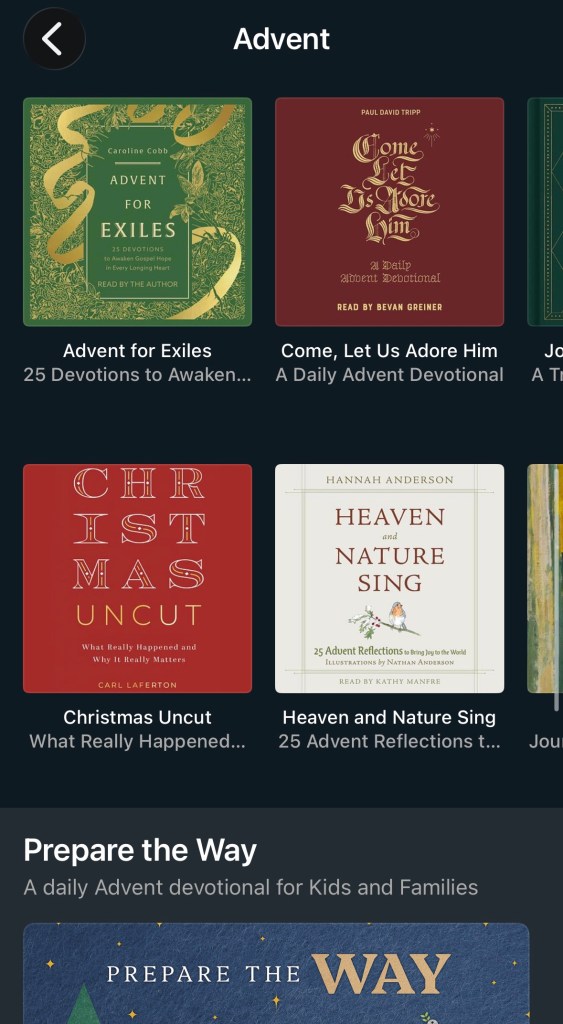
Screenshot of the Advent offerings on the Dwell app

Watercress- from tasty to toxic; and a book recommendation

Fascioliasis is found in all continents except Antarctica, in over 70 countries,  especially where there are sheep or cattle. People usually become infected by eating raw watercress or other water plants contaminated with immature parasite larvae.

View post to subscribe to site newsletter.

In casual reading, I rarely find mention of watercress in any context, so it’s startling when I do. The most recent popped up in a memoir about Bruce Murray, a New Zealand soldier who had escaped a German POW camp in World War II. After almost encountering a small camp of enemy soldiers, he took cover in the only hiding place he could find-a swamp.

He decided to sit tight, confident the soldiers would move on. They didn’t. His food was soon exhausted, so he was reduced to eating some sort of watercress and a palm-like weed that grew nearby.. which with the swamp water he was forced to drink kept him going.

By the 5th day, half delirious, he walked into the German campsite..they delivered him back to the POW camp.

It took days to recover from the severe gastroenteritis he’d contracted from the swamp

written by Doug Gold

watercress- an aquatic species

In another watercress post, my references came from the U.S. Department of Agriculture, USDA, website. In this post I pulled from another government agency, the Department of the Interior, or DOI. The information is much the same, but looks at watercress from a somewhat different angle.

While the agriculture department’s focus is on farming, food, and nutrition, the interior department focuses on the environment , wildlife, and geology.

The U.S. Geological Survey, USGS, considers watercress a “nonindigenous aquatic species” or NAS. It is native to Eurasia and Asia and introduced to North America by cultivation and dispersed by wind, water, and animals. Characteristics include

  • fast growing, perennial herb
  • aquatic-cold lakes and slow moving streams
  • grows “floating or prostrate in mud”
  • most abundant in summer and autumn
  • flowers March to October
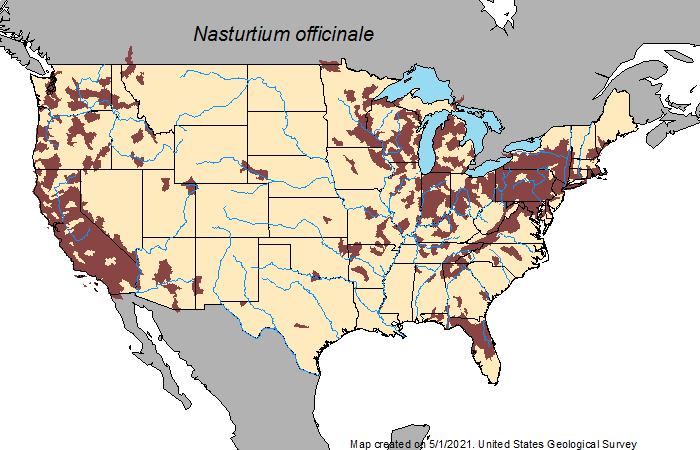
U.S. map showing distribution of Nasturtium officinale
dark areas represent significant presence of watercress

Bruce encountered watercress while being held prisoner in eastern Europe, but watercress has migrated to North America.

Nasturium officinale is
  • a perennial herb that grows at the water’s surface along the edges of cold lakes and reservoirs, and along slow-moving streams and rivers
  • may be a noxious weed or invasive. In arid regions of western states, it can alter function and block streams.

Watercress is
  • an edible green with a peppery flavor that is commonly used in salads, as a garnish, or cooked, and which
  • contains significant amounts of iron, calcium and folic acid, in addition to vitamins A and C.
  • Many benefits from eating watercress are claimed, such as that it acts as a mild stimulant, a source of phytochemicals and antioxidants, a diuretic, an expectorant, and a digestive aid. It may also have cancer-suppressing properties, and is widely believed to help defend against lung cancer. 

In Bruce’s case, watercress kept him from starving.

But watercress can be toxic, causing illness. Bruce developed a gastroenteritis -abdominal cramping, diarrhea, vomiting-which might have been due to a variety of bacteria, parasites, or viruses contaminating the water. But he may have had a case of

Fascioliasis

Fascioliasis is a parasitic infection typically caused by Fasciola hepatica, which is also known as “the common liver fluke” or “the sheep liver fluke.”

Fascioliasis is found in all continents except Antarctica, in over 70 countries,  especially where there are sheep or cattle. People usually become infected by eating raw watercress or other water plants contaminated with immature parasite larvae.

The young worms move through the intestinal wall, the abdominal cavity, and the liver tissue, into the bile ducts, where they develop into mature adult flukes that produce eggs. The pathology typically is most pronounced in the bile ducts and liver.

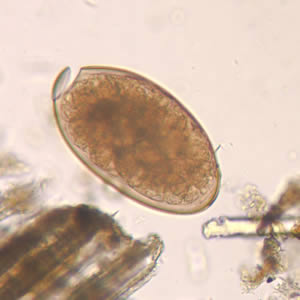
Fasciola hepatica egg in an unstained wet mount (400x magnification): F. hepatica eggs are broadly ellipsoidal, operculated, and measure 130–150 μm by 60–90 μm. (CDC Photo: DPDx)

Fasciola hepatica egg in an unstained wet mount (400x magnification): F. hepatica eggs are broadly ellipsoidal, operculated, and measure 130–150 μm by 60–90 μm. (CDC Photo: DPDx)

 Fasciola infection is both treatable and preventable.No vaccine is available to protect people against Fasciola infection.

In some areas of the world where fascioliasis is found (endemic), special control programs are in place or are planned. Strict control of the growth and sale of watercress and other edible water plants is important.

Individual people can protect themselves by not eating raw watercress and other water plants, especially from Fasciola-endemic grazing areas. As always, travelers to areas with poor sanitation should avoid food and water that might be contaminated (tainted). Vegetables grown in fields that might have been irrigated with polluted water should be thoroughly cooked, as should viscera from potentially infected animals.

The NOTE THROUGH the WIRE

The incredible true story of a prisoner of war and a resistance heroine

Food poisoning from watercress and swamp water were not the only hazards Bruce Murray faced as an Allied POW in Nazi controlled Europe; despite brutal treatment at the hands of sadistic guards, inadequate food, and inclement weather , he risked execution if caught assisting local partisan resistance fighters.

One such resistance fighter was a young woman, Josefine Lobnik, who worked as a courier for the underground resistance movement., passing documents and weapons . Despite the threat of torture and death if caught, she was determined to fight to free her country from enemy occupation which had already caused her family to lose everything.

Author Doug Gold writes about his wife’s parents, telling the story of how the war and their mutual determination to fight the horrors of Nazi aggression brought them together against all odds. Unfortunately, neither of them lived to see their story brought to life.

I could not put this book down and I think you will find it equally engageing. It is an almost unbelievable love story and tribute to all who are willing to risk everything for the sake of democracy and decency. I would recommend it even if it did not mention watercress.

Praised as an “unforgettable love story” by Heather Morris, New York Times bestselling author of The Tattooist of Auschwitz, this is the real-life, unlikely romance between a resistance fighter and prisoner of war set in World War II Europe.

Amazon

exploring the HEART of health

Dr. Aletha