Continue loving each other as brothers and sisters in Christ.
Always remember to help people by welcoming them into your home. Some people have done that and have helped angels without knowing it.
Don’t forget those who are in prison. Remember them as though you were in prison with them.
And don’t forget those who are suffering. Remember them as though you were suffering with them.
graphic created and offered by Lightstock.com, stock photo site
Dr Tim Chester is a pastor of Grace Church Boroughbridge, North Yorkshire; a faculty member of Crosslands; and author of over 40 books.
Weekend words is a regular feature of watercress words. At the end of the work week we share words of faith, hope and love from the Bible and other carefully selected writings.
Use these links to share the heart of health wherever you connect.
Learn what meds you should avoid and why #MindOverMeds#DrWeil#IntegrativeMedicine#bookreview
When I wrote the post 7 overused drugs, I knew other doctors would agree with me, but I didn’t know that a well known doctor was publishing a book that agrees with it.
Published this year by Little, Brown and Company, MIND OVER MEDSteaches you to know
After the introduction, each chapter stands alone if you want to explore a particular class of medication. The book can also be useful as a reference manual. For each chapter Dr. Weil also collaborated with colleagues with expertise in those areas.
Besides 4 of the 7 drugs that I discussed in my post, Dr. Weil discusses 7 other broad categories that I will briefly review.
general principles about drug use
Don’t stop taking a prescription medication suddenly, unless instructed to by a physician.
Wean off medications gradually, supervised by a physician.
Don’t attempt to stop medication without first initiating other measures to manage the condition the medication was prescribed for. (paraphrased from the introduction)
Dr. Weil reviewed four medication groups that I discussed in this post- 7 overused drugs
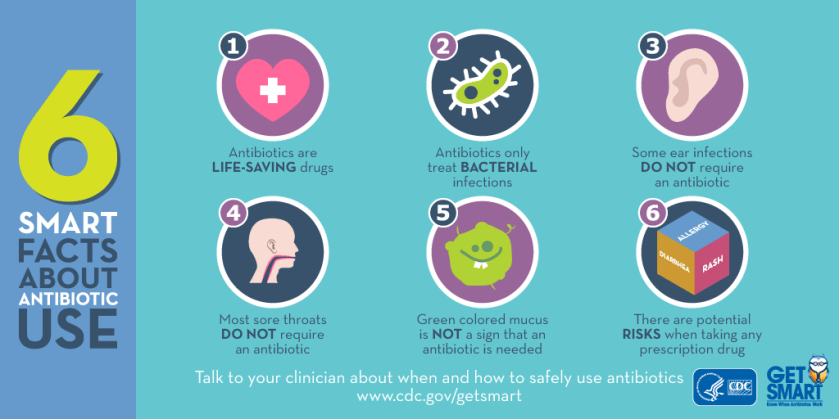
Antibiotics
Sleep aids
Nonsteroidal Anti-inflammatory Drugs (NSAIDs)
Opioids and the Treatment of Chronic Pain
Neither of us reject these drugs completely; rather we urge caution,
don’t rush to use them without trying non-drug treatments first or concurrently,
use only when absolutely necessary, and
be aware of potential side effects and harms.
7 other classes of overused medication
1.Statins- medication used to lower blood cholesterol and prevent heart disease
“Current emphasis on statin therapy should be
balanced by equal emphasis on lifestyle changes.”
Heart diseases affect any and sometimes multiple parts of the heart- the atria, ventricles, the valves, the aorta, the pulmonary artery and veins, the walls and the coronary arteries (not shown in this diagram. )
2. Medication for GERD- gastroesophageal reflux disease, commonly referred to as reflux or heartburn
“Heartburn is a warning sign of disturbed GI function that should prompt us to identify and change the habits responsible for it.”
3. Antihistamines (allergy meds) and Medications for the Common Cold and Flu
These are in two separate chapters but I group them together since the same meds can be used to treat all three conditions.
“People with allergic rhinitis and others…would be wise not to rely on antihistamines, but to try natural remedies and lifestyle change …to control symptoms.”
“Most healthy people recover from both colds and flu on their own with no need for drugs, prescription or OTC (over the counter). “
I included antihistamines on my list of drugs that are underused. I was referring to people with severe uncontrolled allergy. Dr. Weil seems to concur with their use in this case.
4. Steroids- the steroids in the cortisone family, not the anabolic steroids
“Save these powerful drugs for serious conditions and try to slowly wean off them once improvement occurs.”
5. Psychiatric Medications for Adults, Children and Adolescents and for Attention Deficit Hyperactivity Disorder (ADHD)
Dr. Weil’s discussion of these medications takes up three chapters but I’m grouping them together.
These drugs are on my list of underused drugs. I said that because severe mental illness symptoms usually needs medication for adequate control and those people should stay on medication indefinitely, until a physician recommends stopping. Otherwise, I agree with Dr. Weil that milder illness may not need medication.
“Antidepressant drugs are indicated for major depression, not for routine management of mild to moderate depression, for which more effective and safer treatment options exist.”
“Medication treatment should always be integrated with psychotherapy and other non-pharmacological approaches and should be discontinued as soon as possible” (the chapter on children)
“ADHD is highly overdiagnosed. Children with learning or behavioral difficulties should be carefully evaluated before being labeled with the disorder.”
6. Antihypertensive (hypertension or high blood pressure) Drugs and Medications for Diabetes
I’m grouping these together because these
two conditions frequently occur together, what we in medicine call comorbidity.
“In treating high blood pressure, it is extremely important to take individual uniqueness into account.”
“Our health care system and our society should encourage better lifestyle choices by making these…more accessible and more affordable…by changing diet, increasing physical activity ..many will be able to keep their use of medications to a minimum..”
7. Medications for Osteopenia (thin bones) and Other Preconditions
“Most people with osteopenia have …low fracture risk. They do not need drug therapy, since the risk outweighs the benefit.”
If you need to check if any of your medications fall into any of these categories, you can check at this link, or ask a question in the comments or here.
High blood pressure is often treated with medications.
Insulin injections are used to control high blood sugar in persons with diabetes.
Last words about medication overuse
Dr. Weil offers these last words(among several others) about using meds wisely.
To consumers-
Be informed. Do not take medications (of any kind) unless you know the reason, how they work, and the potential benefits versus the potential risks.
To pharmacists-
Be knowledgeable about the dietary supplements, herbal remedies, and other natural products that consumers are taking.
To physicians, nurses, and allied health care providers-
Be informed about alternatives to medications therapy for the health conditions you see.
To all readers of his book
Contact your elected representatives to end direct-to-consumer advertising of prescription medications.
So what are the alternatives to using drugs for these and other conditions? I’ll tell you what Dr. Weil says, as well as other experts, in my next post. Or, you can get Dr. Weil’s book and find out now.






 watercress words by Dr Aletha