When we read about far away tragic events in the news, it’s easy to feel disconnected, and to think things like that don’t happen in my circle. Behavioral health professionals tell us that most people became numb to the massive number of deaths from the COVID-19 pandemic because we can’t relate to that much tragedy.
But when things happen on a smaller scale, it’s easier to identify with the victims; we’re more likely to empathize and feel sadness, especially if we feel some type of personal connection. But even if not, we all suffer when bad things happen to other people, like they did in Pittsburgh, Pennsylvania October 2018.
post updated October 2022
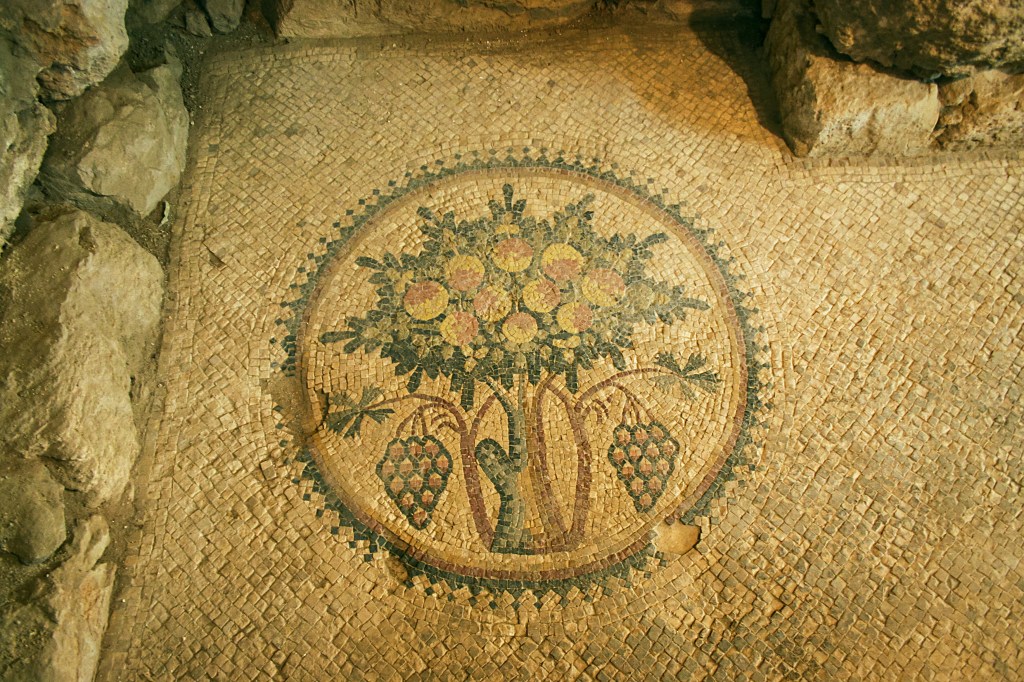
Attack at Tree of Life synagogue
“On Oct. 27,2018 a man, armed with a belly full of anti-Semitic hatred and the kind of semi-automatic weaponry that United States Navy SEALs carry into battle, stormed into the Tree of Life synagogue in Pittsburgh. It was a Saturday morning — the sabbath. People had gathered to praise God and just find a few moments of spiritual peace. What came to be known — ironically — as the “Tree of Life Massacre” was not the worst mass shooting in American history. It wasn’t even the worst in 2018 when our nation was targeted with 323 mass shootings.
But, as with the killing of 17 students and teachers on Feb. 14, 2018 at Marjory Stoneman Douglas High School in Parkland, Florida, the murders at Pittsburgh’s Tree of Life synagogue seemed to push America’s struggle with gun violence down a deeper and more tragic hole. Not even a school or a house of God on the sabbath could be spared from gun violence. What was America becoming? “
An unexpected connection
In early October 2018, I received an email from a physician I had never met. He had written a book and asked me to read and review it on my blog. I agreed and posted a review here.
A couple of weeks later I was horrified by news that another mass shooting had occurred in the U.S., this time at a synagogue in a community called Squirrel Hill. A few days later, I remembered I had seen that name before.
The physician who wrote to me, Dr. Jonathan Weinkle, practices at the Squirrel Hill Health Center. And he is Jewish.
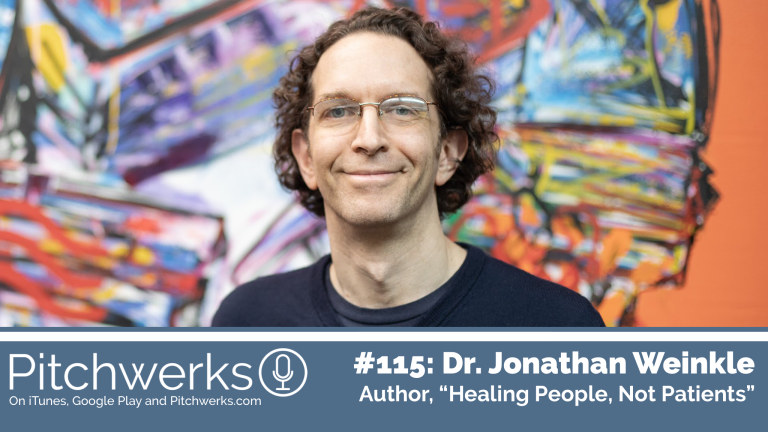
Attack at Squirrel Hill, Pittsburgh, Pennsylvania
Squirrel Hill is considered a historic center for Jewish life in Pittsburgh. It is home to more than a quarter of Jewish households in the Pittsburgh area, according to a Brandeis University study of the Greater Pittsburgh Jewish community.
I emailed him and was relieved to learn he was safe. He had attended a Bat Mitzvah there just the week before the attack.
But as I had feared, some of the victims were his friends and colleagues.
One of the victims I learned about through our professional organization, the American Academy of Family Physicians, AAFP. Dr. Jerry Rabinowitz’s death was reported on the organization’s Facebook page. He was a friend and colleague of Dr. Weinkle.
Also killed was dentist Dr. Rich Gottfried who worked at the Squirrel Hill Health Center where Dr. Weinkle practices.
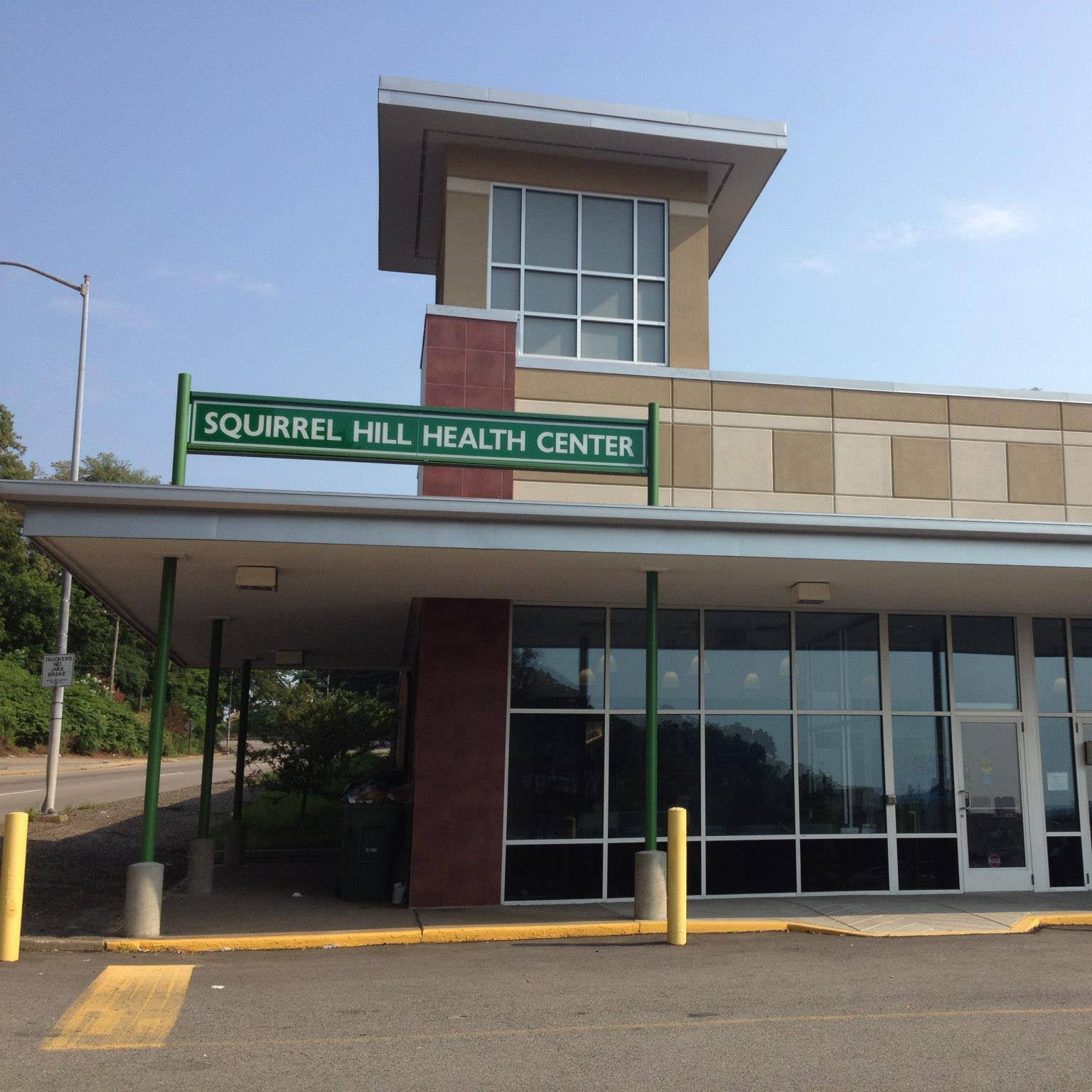
Dr. Weinkle eulogizes his friends
Dr. Weinkle wrote reflections about his two friends and colleagues, shared them with me, and graciously consents to my sharing with you.
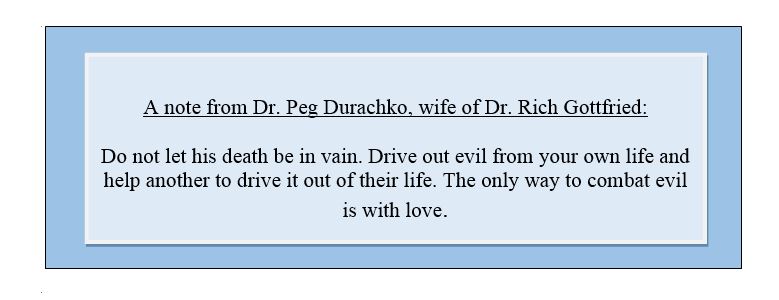
Dr. Rich Gottfried
The Hebrew letters often hint at a common object: bet hints at bayit, a house. Gimel hints at gamal, a camel. And shin? Why, shen, of course – tooth.
I like to think that the reason for this is that shin, or rather sin, which is the same letter with the dot moved to the other side, is also the first letter in sameach, happy. And what do we do when we are happy? We smile and show our teeth.
My colleague Rich Gottfried smiled all the time; as people spoke at his funeral, or around the office this week, almost all took note of his smile. He was the Hines Ward of dentists, it would seem – always smiling.
Rich brought happiness to people through their own teeth, too. Poor dentition is a major source of shame for people, afraid to smile or look someone in the eye for fear of having their decayed teeth be the only thing the other person will see. For a person without dental insurance, or without substantial means, dental work or even preventive care can be prohibitively expensive. A Hobson’s choice – shame, or bankruptcy?
Rich listened to that struggle. Even when he was in full time private practice, he blocked off time to do pro bono work for the uninsured . And as he and his wife Peg Durachko, who was not only his life partner but his dental partner, wound down their practice as they approached retirement, they brought their services to us, at a community health center that treated many people who had never seen a dentist in their lives.
They overcame the fear that one dental cleaning might lead to all the teeth falling out, and got things set right for the first time ever. Culturally competent dentistry – now those are healers who listen.
Shin stands for something else, too – Shadai, the almighty God. It is the letter on every mezuzah on every Jewish door, reminding us that God has our backs, and that we need to refresh ourselves on what God wants from us every time we enter or leave a room. And for Rich Gottfried, what God wanted from him was to be a blessing to others around him, through his talents in taking care of their shin-ayim.

Dr. Jerry Rabinowitz
“Do not console a person whose deceased relative lies before him” Pirke Avot 4:23
Well, now we have begun to bury them; the time of consolation for the families and community of my murdered friends has begun. They are no longer lying before us and we must begin to fix their memories in our minds.
Among the dead October 27th were two men who epitomized the title of this site: “Healers who Listen.” A third still clings to life and with God’s help may recover to help the rest of us heal. Over the next three days I will remember each of them.
Jerry Rabinowitz was laid to rest yesterday, October 30th. In the hour before the funeral I was with a friend who told me that Jerry had been his doctor. With a wry smile, he told me,
“The first time I went to him we were in there for an hour and a half – and the first thirty minutes had nothing to do with my health.”
He listened to get to know the person sitting in front of him before diving into the rabbit hole of the purely physical.
At the funeral, Jerry’s partner Ken Cieselka spoke of “their finest hour” as a practice – the late 1980s, when they began caring for patients with HIV/AIDS. The disease was then incurable, and the people suffering from it were then considered by many to be untouchable.
But not by Jerry and Ken. They listened to the voice of suffering that no one else would ease, and understood it was their responsibility to do so.
At the synagogue, Jerry heard gunfire. In that sound, he did not hear a warning to get out. He heard people being hurt, of people who would need his help.
There is a Jewish concept that the choleh l’faneinu, the ill person in front of us, should get our attention first. For Jerry even being aware of that person’s illness or suffering, even in danger, even where he could not see them, put them l’fanav, right in front of him, where he had to help them.
He listened, and met his end as he lived his life, caring for people.
I assume Jerry did not have a chance to read Healing People, Not Patients; it was only published a month ago and he was as busy as I was. The truth is that he did not need to read my manifesto of compassionate, personal healing. He lived it; he could have written it himself.


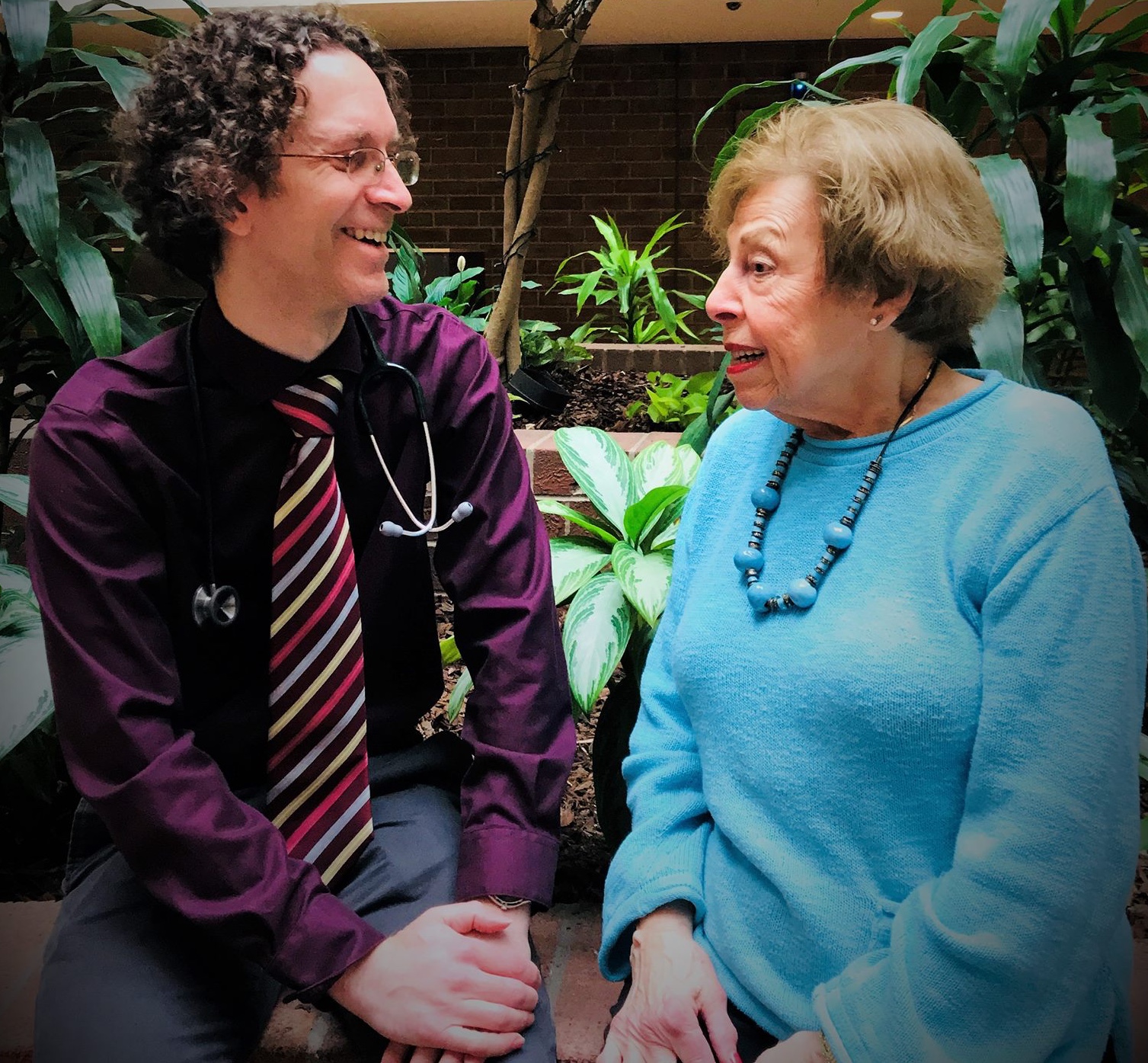
Dr. Weinkle concluded his note to me, writing,
“ The good news is that unlike other pogroms that have afflicted my people over the centuries, this one was carried out by a lone wolf and the majority of our neighbors are on our side, not the side of the perpetrators. There is strength and hope in that beyond measure.”
Visit Dr. Weinkle’s website , Healers Who Listen
A Tree of Life: The Pittsburgh Synagogue Shooting
Filmmaker Trish Adlesic’s documentary “A Tree of Life: The Pittsburgh Synagogue Shooting” is a deeply personal portrait of those who survived the horror of the Oct. 27, 2018, massacre.
Told through first-person accounts, the film documents the violence and terror that unfolded that day —but it is also a story of survival and strength seen through the eyes of survivors, family members of those who were killed and the community.
The film premieres on HBO October 26, 2022.
sharing the HEART of health
Thank you for joining me to honor Dr. Weinkle’s colleagues. Please share this post and my review of his enlightening book, HEALING PEOPLE, NOT PATIENTS.