As a family physician, I explore the HEART of HEALTH in my work, recreation, community, and through writing. My blog, Watercress Words, informs and inspires us to live in health. I believe we can turn our health challenges into healthy opportunities. When we do, we can share the HEART of health with our families, communities, and the world. Come explore and share with me.
The Christmas holiday season is starting earlier each year, often causing stress through shopping, cooking, and family gatherings. While celebrating with loved ones can bring joy, it can also create emotional tension. Managing expectations and preparing for potential stressors can help individuals find peace and enjoyment during this challenging time.
updated December 8, 2025
The Christmas holiday season seems to start earlier every year. Rather than post Thanksgiving, it now appears right after Halloween, if not Labor Day in early September.
Once activities move into high gear we may start wondering if it really is
The extra work of shopping, cooking, decorating, wrapping, planning, and entertaining can make it the least wonderful time.
We welcome celebrating with family and friends, yet find those encounters create emotional tension and strain. When we feel sad that loved ones can’t be with us, either through distance or death, the season can become the worst of the year.
By anticipating stressful holiday events and the feelings they trigger, we can prepare ourselves for the physical and emotional stress of the holiday season, and find a way to enjoy the festivities with “hearts all a-glowin’.”
Resources for Conquering Holiday Stress
Writer Bruce Y. Lee takes a lighthearted but serious look at the holiday season and suggests music may help us cope better in
“Twelve Days of Christmas”: Keep perspective. If the Holidays are tough for you, remember that the season is temporary and will pass.
Try not to take yourself and things too seriously. Just make sure you maintain healthy habits and avoid behaviors that will lead to health problems (such as gaining weight) beyond the holiday season.”
“Don’t worry about how things should be. Most people have less than perfect holiday gatherings — they have family tension, melancholy, and dry turkey too.
If you have negative feelings, don’t try to deny them. Remember that there’s nothing wrong or shameful or unusual about feeling down during the holidays.
Can’t say no? Then keep your gatherings small and intimate. Get together with a few of your closest friends or relatives for the holidays.
Choose to throw the big blowout parties at another time of the year, when you and your guests will have fewer commitments competing for your precious time.”
“The secret to a happy holiday is learning to collaborate and to create a plan that is uniquely yours with a goal to experience more serenity, more joy, and more opportunities to nurture the souls of those you love.
But, most important, it is to remember the greatest gift ever given, the gift of the Christ Child. Take time to simply sit and ponder this amazing miracle. “
(an affiliate link provided for your convenience and to help support this blog)
And in this blog post, Joshua Becker reminds us to
“Traditions should draw our attention to the underlying reason for the season. Traditions should not detract from the season, they should elevate it.”
5 keys to manage holiday stress before it manages you
Set realistic expectations for yourself and others.
Anticipate stressful situations, places, and people.
Plan and prepare carefully, but stay flexible for the unexpected.
Keep your self-care routine- healthy eating, exercise, adequate sleep.
Remember what is most important about the season-family, friends, faith.
How will you manage holiday stress?
Which of the 5 keys listed above do you most need to focus on?
What makes that important for you?
What do you need to do today to make and implement a plan for success?
Sharing the HEART of Christmas
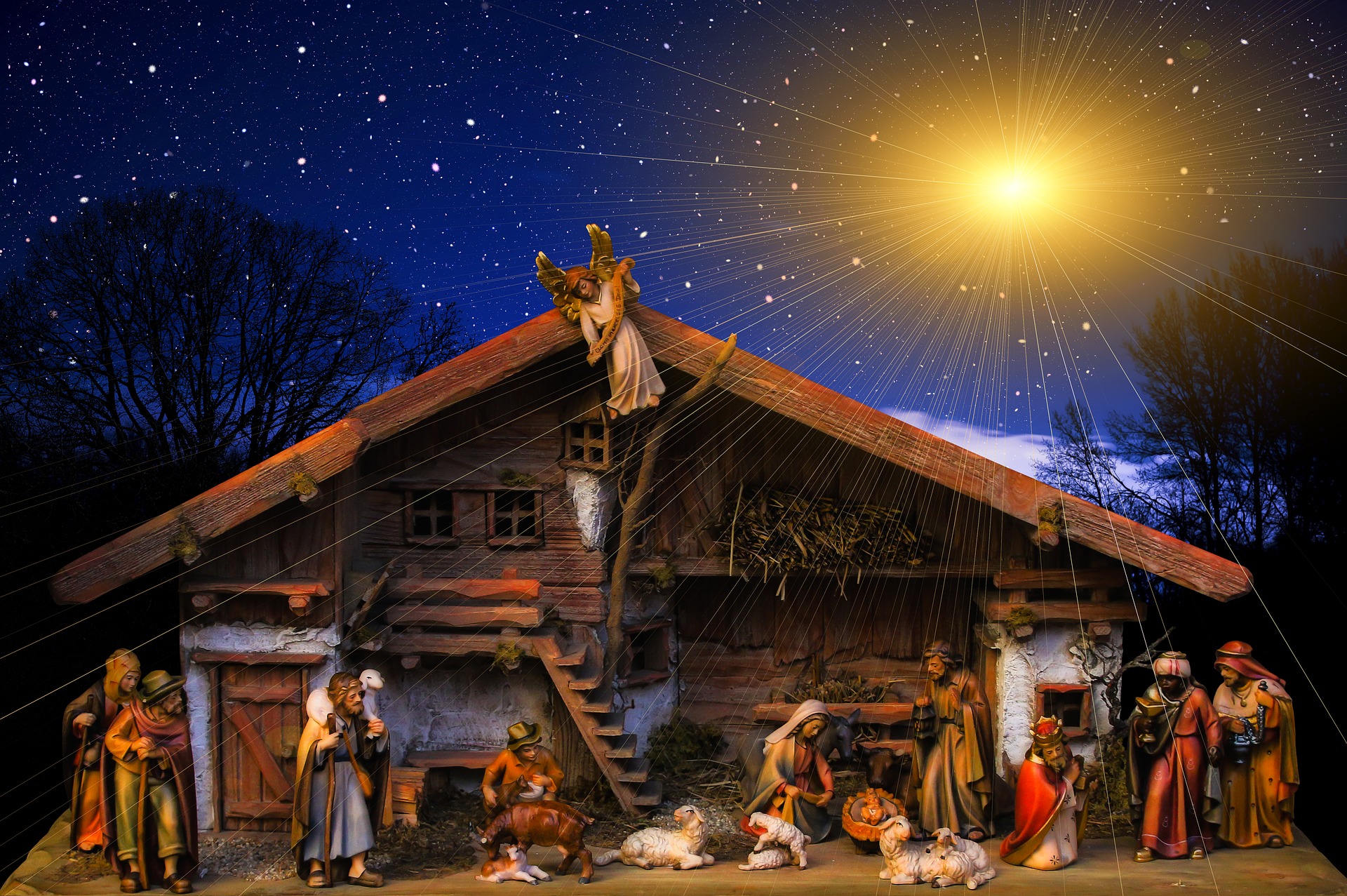
Thanks to Pixabay for the Christmas photos used in this post.
Thank you for reading this post. Please follow this blog and me on social media.
I share information and inspiration to help you transform challenges into opportunities for learning and growth.
Add your name to the subscribe box to be notified of new posts by email. Click the link to read the post and browse other content. It’s that simple. No spam.
I enjoy seeing who is new to Watercress Words. When you subscribe, I will visit your blog or website. Thanks and see you next time.
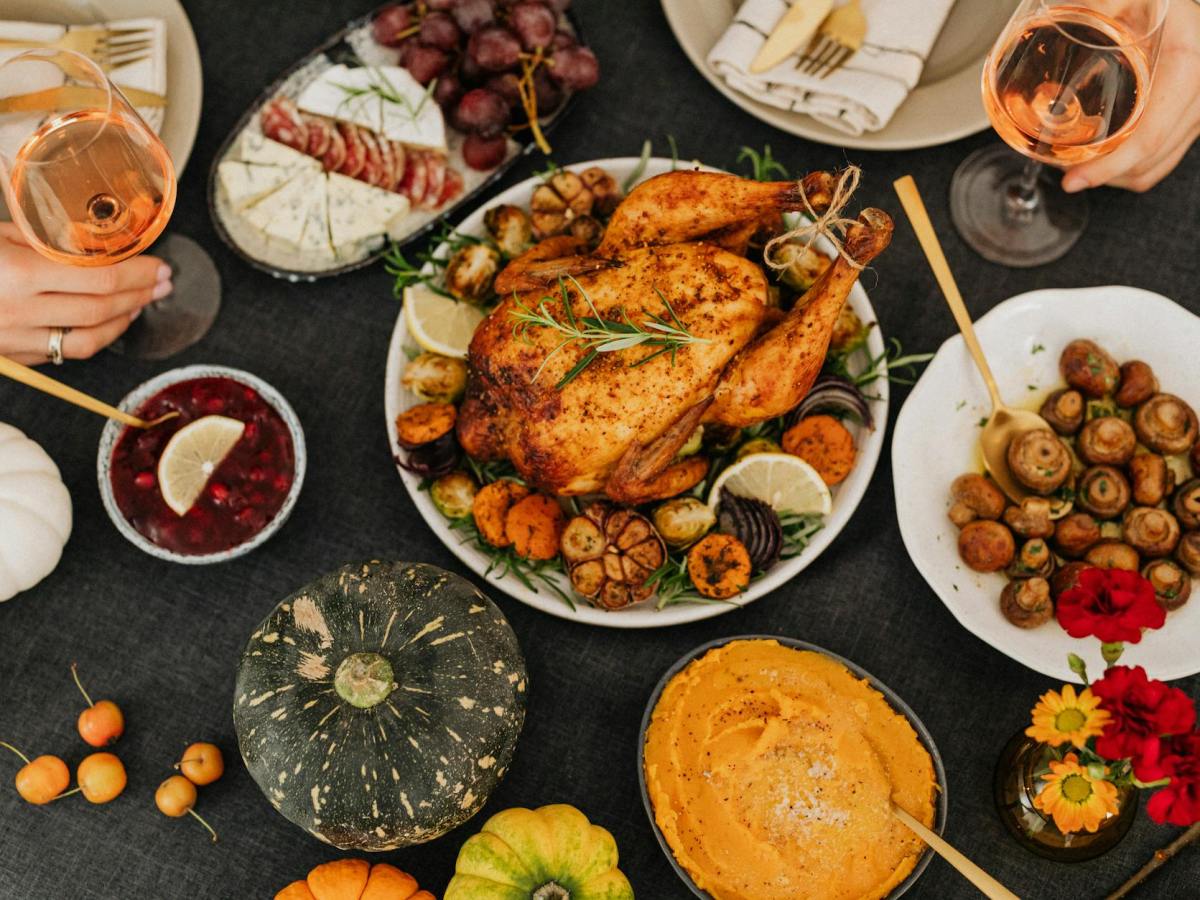
This post shares how holiday foods like marshmallows and eggnog, appear in traditions and songs. Holiday foods can challenge nutritional management of multiple health conditions. Here are practical tips for planning meals to accommodate dietary needs, while offering insights on healthy eating and managing sobriety during festivities. Ultimately, we can celebrate human connections over food.
I reflect on my blogging journey, inspired by a Swedish immigrant doctor’s blog, “A Country Doctor Writes.” He shares personal Thanksgiving experiences from his early days in America and invites readers to explore his thoughts on the holiday. And some photos from my travels to country towns.
When I started blogging I reviewed other medical blogs since I knew nothing about blogging. I was intrigued by a Swedish immigrant doctor’s blog about his lengthy career practising medicine in rural Maine. He calls it A Country Doctor Writes because that’s what he is.
I guess I’m American enough, after spending ten more years here (Maine) than in Sweden, to start to get a little philosophical at Thanksgiving.
I spent my first Thanksgiving in this country not far from where the Pilgrims landed at Plymouth Rock, as an exchange student with a Jewish family, three houses down from an African American family in an otherwise white Anglo Saxon distant suburb of Boston.
Dr. Hans Duvevelt
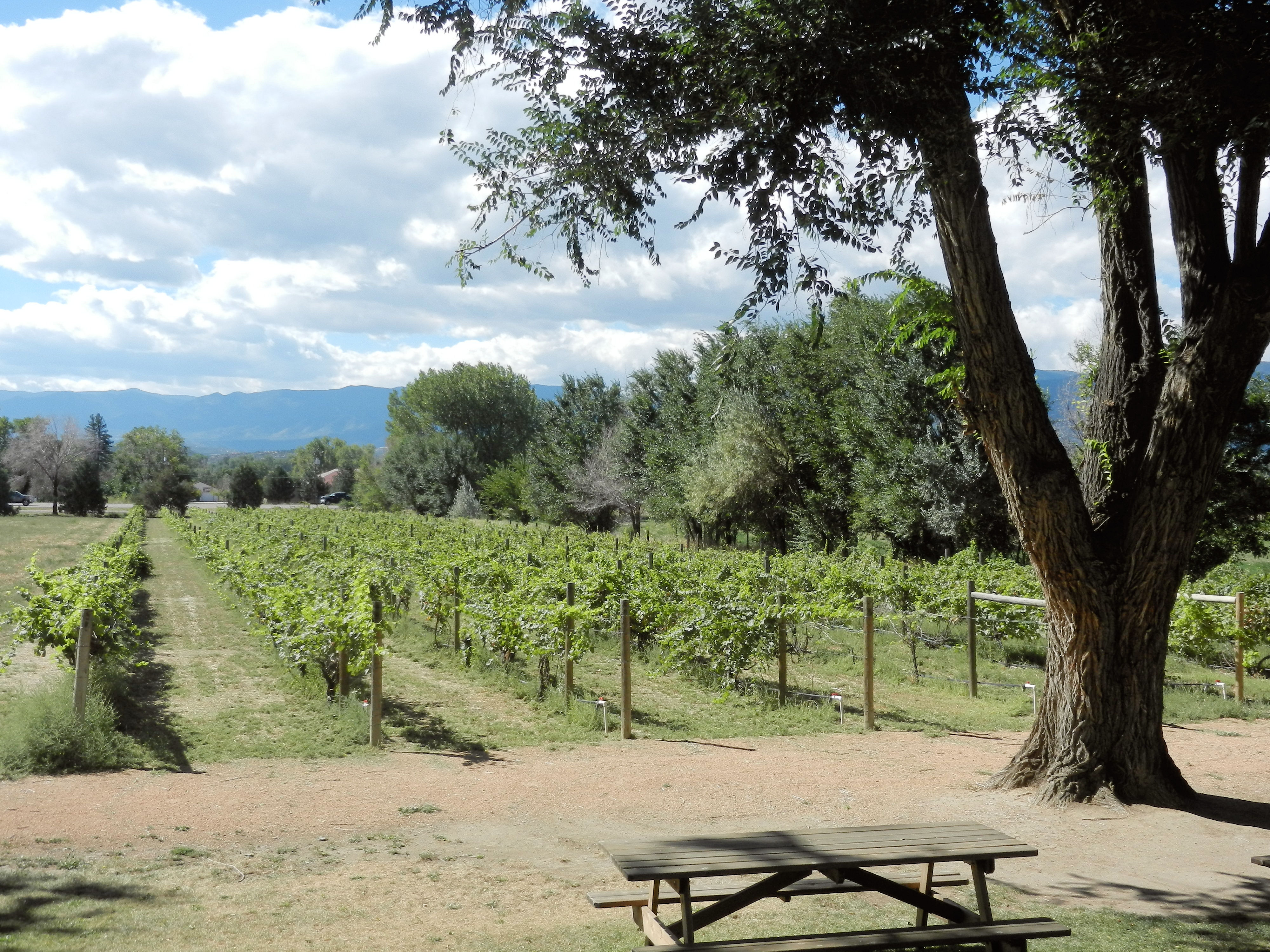
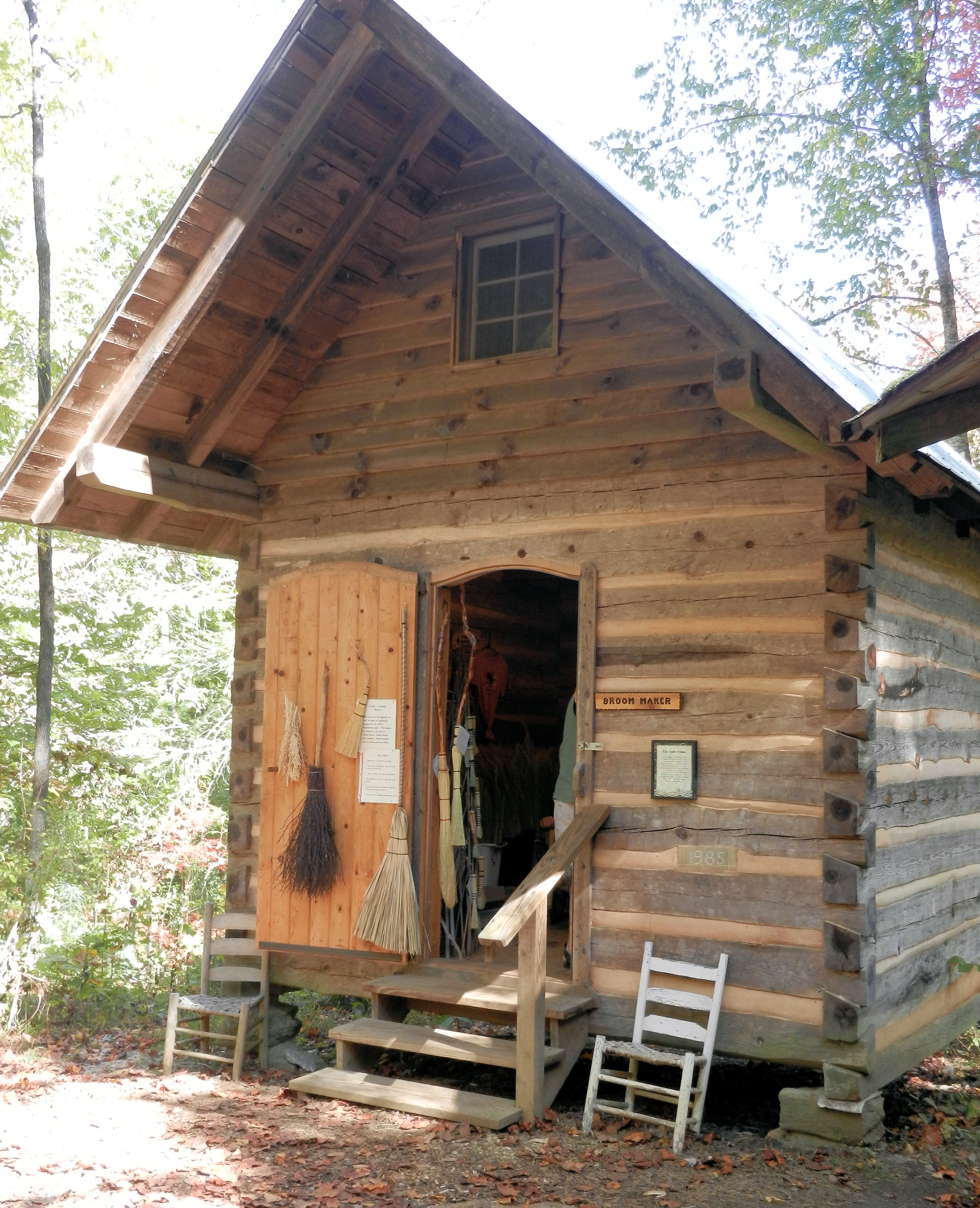
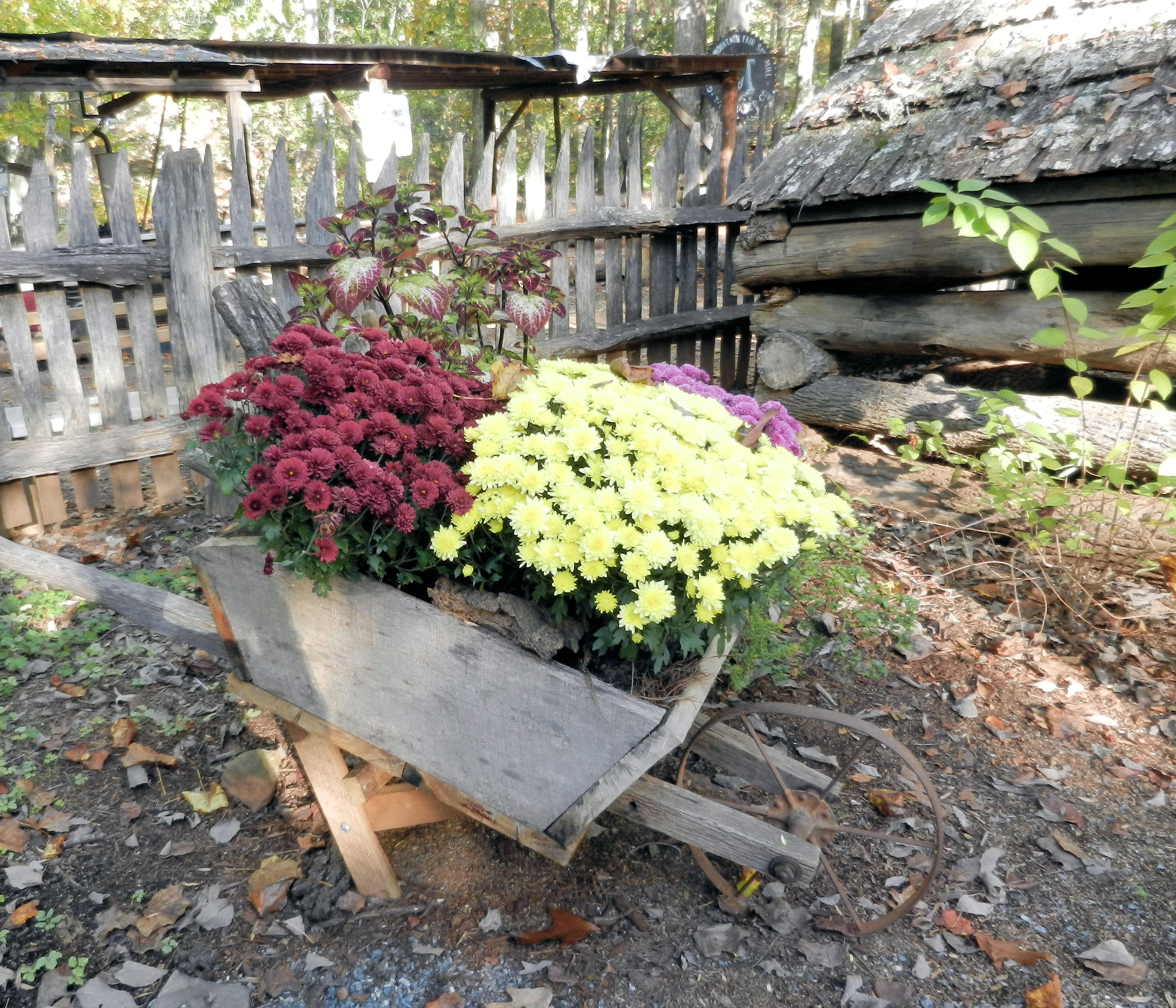
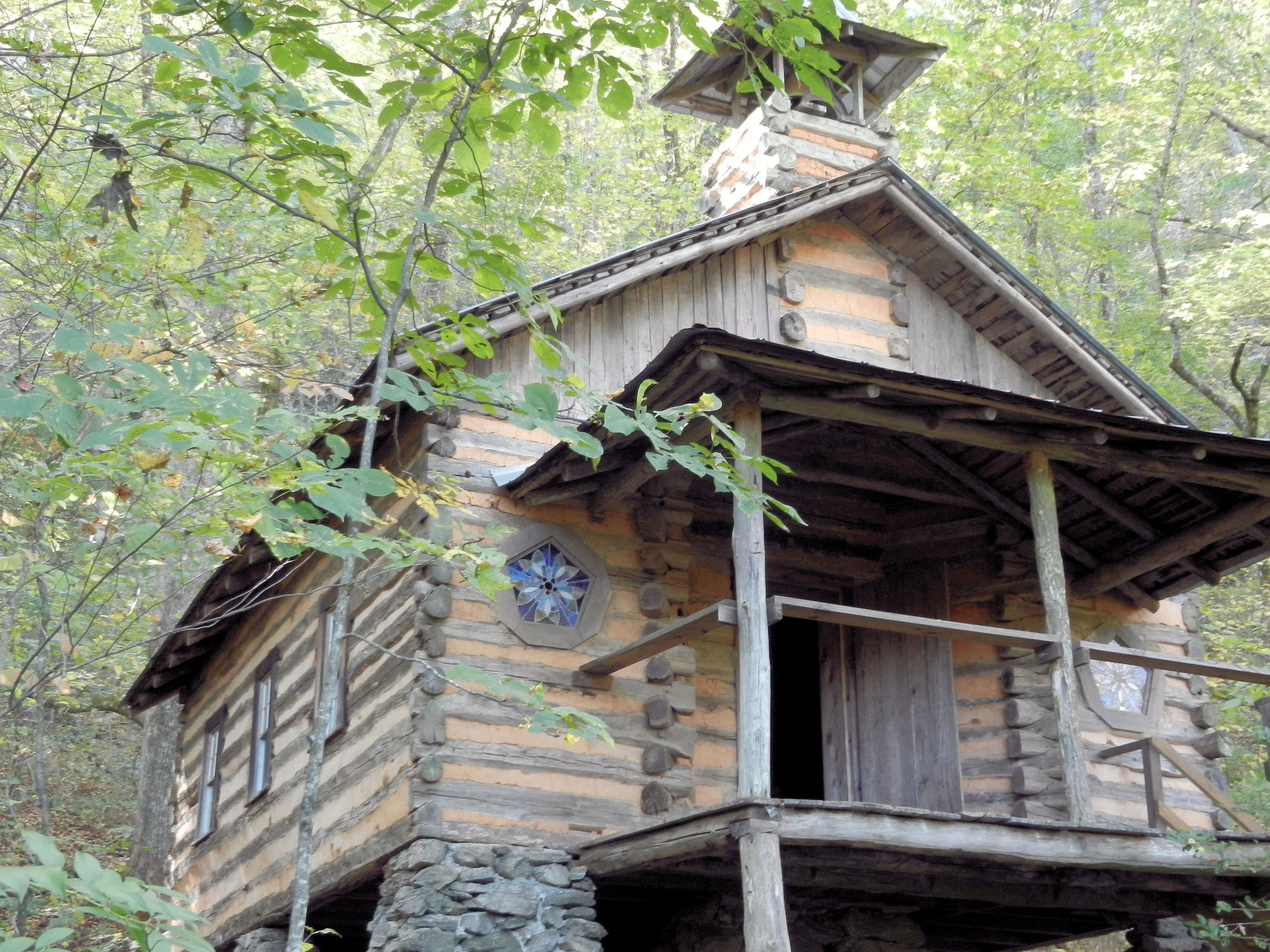
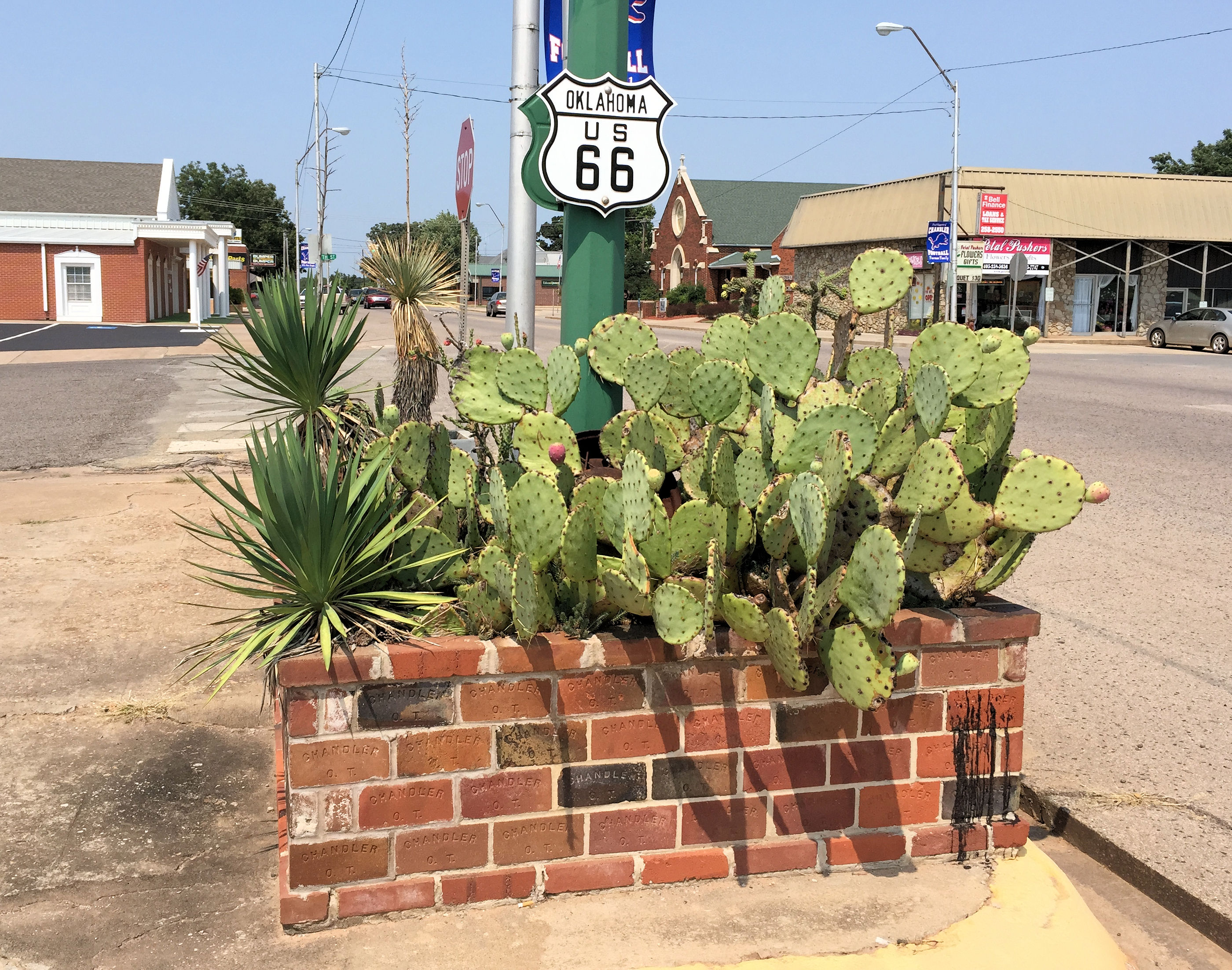
Continue at the link to read his thoughts about this traditional holiday in his adopted country. And enjoy my photographs from visits to other parts of rural America.
Thank you for reading this post. Please follow this blog and me on social media.
I share information and inspiration to help you transform challenges into opportunities for learning and growth.
Add your name to the subscribe box to be notified of new posts by email. Click the link to read the post and browse other content. It’s that simple. No spam.
I enjoy seeing who is new to Watercress Words. When you subscribe, I will visit your blog or website. Thanks and see you next time.