Books Traveling to People Boosts Reading

Books are valuable and popular in an increasingly digital world. National Bookmobile Day and Operation Paperback promote reading accessibility. Bookmobiles serve communities lacking libraries, while Operation Paperback delivers books to military personnel. Both initiatives celebrate reading’s role in personal growth and community support.

Computers, tablets, and smartphones make it easy to read on the go, without carrying books or audio devices. But there is still need and demand for physical books, magazines, and recorded sources of information and entertainment. Here are two special ways that fulfill that need.

Celebrate National Bookmobile Day

Bookmobiles are mobile libraries that transport books from one local community to another. Bookmobiles make reading more accessible to people who don’t have access to physical public libraries.

National Bookmobile Day , March 22, 2026, celebrates this bookmobile service. The occasion celebrates the work and dedication of the many people involved, including library professionals, drivers, and donors.

National Bookmobile Day – April 22, 2026

The first public library I visited was a bookmobile.

Every week the bookmobile parked next to my elementary school. I  climbed the steps into the bus, and walked down the book- lined aisle. These books took me to faraway places, introduced me to famous people, and helped me dream of what I could do with my life.

I read about people who tried new things, made discoveries, travelled around the world and invented products that changed our lives.

From books  I discovered the mysteries of the human body and read about  people who studied to understand it, to uncover the causes of diseases, and work to cure them.

And I learned about people who used their talents, time and knowledge to make the world a better place. From the library, my dream of working in healthcare was born and nurtured.

Before I graduated from elementary school, a permanent library was built at the site where the bookmobile parked. I continued to make the library my second home, and learned to love the new building.

Go here to learn about the history of National Bookmobile Day

statue of boy reading a book
photo by Dr. Aletha, at a park in Bixby, Oklahoma

Recycle Books

Do you buy new or used books, magazines, audiobooks, or DVDs? What do you do with them after you read them?

Last year I began participating in a unique project to service members, veterans, and their families-Operation Paperback.

Operation Paperback

Operation Paperback began in 1999, sending its first shipments to Kuwait and Saudi Arabia. It has since shipped over 3.7 million books to 30+ locations overseas.

With 19,000+ volunteers from all 50 states, these individual citizens, American families, and community groups form a network of shippers that send around 15,000 books per month.

They value the praise received at home, the words that mean the most are those that come directly from those served. They appreciate the efforts.

On behalf of my unit and those that received your books through Operation Paperback here at our deployed location, thank you. We greatly appreciate the time and effort you have put into providing us a measure of comfort while we are separated from our friends and family.

Having people out there supporting us during this past holiday season provided us all a welcome respite from normal day-to-day operations. Thank you for your support and dedication during this time. Warm Regards

By: Jessica E (Overseas) (from the website)

Operation Paperback is a non-profit, tax-exempt 501(c)(3) organization incorporated in the State of Pennsylvania. Donations are tax-deductible to the full extent of the law.

There are two ways you can help Operation Paperback.

  • Donate money to help fund the purchase and shipment of high-demand genres and other special request books.
  • Send books, new or gently used, directly to troops, veterans, and their families. As a volunteer shipper, you will collect and ship your own books using the addresses they provide.

How will you help? Learn more and sign up here.

Cover Image

This post’s cover photo was created using AI.

Exploring the HEART of Health

Thank you for reading this post. Please follow this blog and me on social media.

I share information and inspiration to help you transform challenges into opportunities for learning and growth.

Add your name to the subscribe box to be notified of new posts by email. Click the link to read the post and browse other content. It’s that simple. No spam.

I enjoy seeing who is new to Watercress Words. When you subscribe, I will visit your blog or website. Thanks and see you next time.

Dr. Aletha

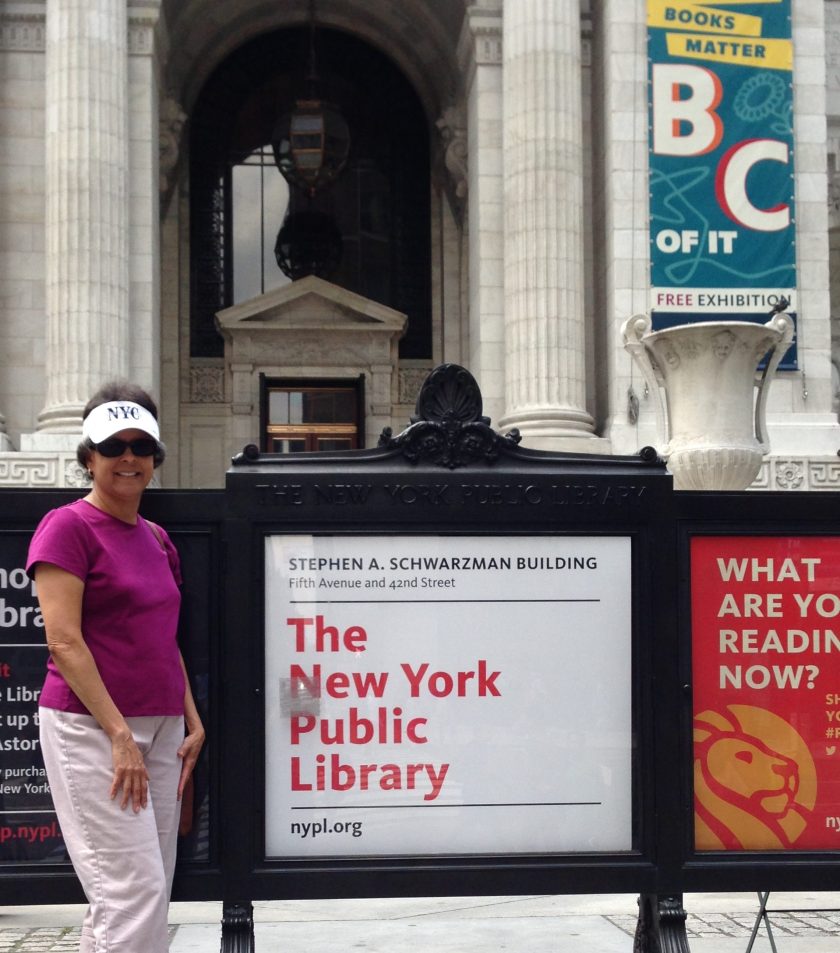
Me, at the New York Public Library, on a long-ago trip

How 99 Ways to Die Might Save Your Life-a book review

In this post I review “99 Ways to Die and How to Avoid Them.” Dr. Ashely Alker, an emergency physician, humorously outlines various health risks and preventive measures. Combining personal anecdotes with medical insights, she emphasizes the importance of awareness in avoiding fatal incidents and advises readers to prioritize health habits over misinformation, and seeking medical care as soon as possible.

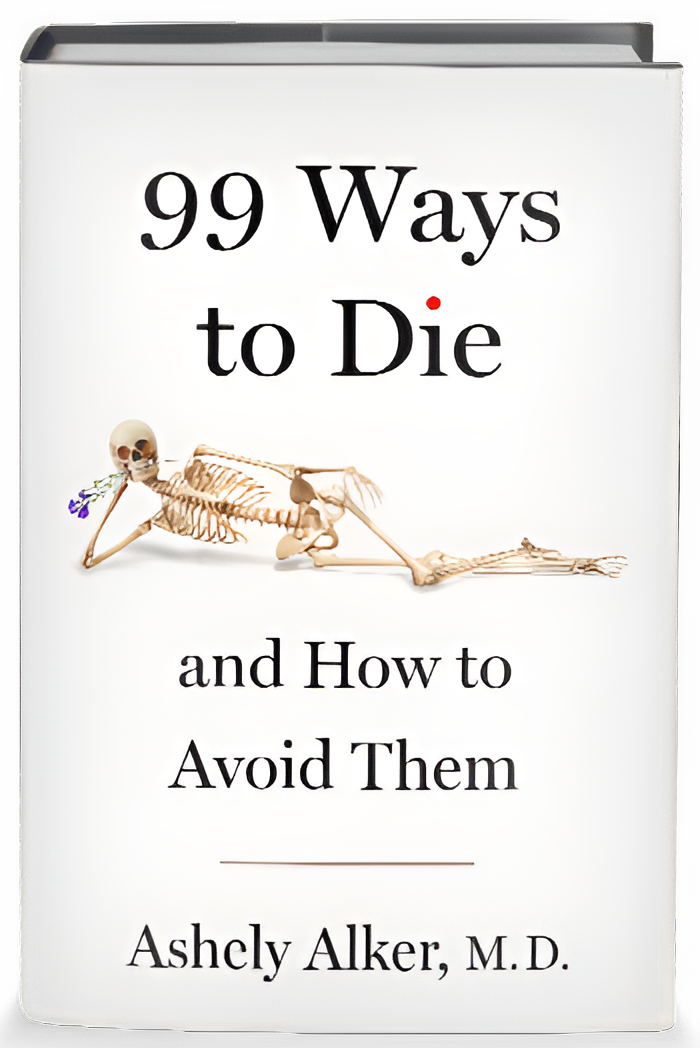
99 Ways to Die

And How to Avoid Them

by Ashely Alker, M.D.

Published January 2026 by St. Martin’s Press

Thank you, NetGalley and publisher, for sending this book for review consideration.

Why would a medical doctor write about ways to die? Aren’t they supposed to keep people alive?

Yes, and that’s why Dr. Ashely Alker, a “death escapologist”, wrote 99 Ways to Die. As an emergency medicine specialist, she says this book is bad for business. Reading it, and following her advice, may keep you out of her emergency room. Better yet, it may save your life.

Dr. Adler briefly shares her pre-medical life and education, including overseas study for a master’s degree in public health. She relates personal experiences with illness and the healthcare system, which led her to medical school and residency.

The table of contents reads like a textbook of emergency medicine, in that it includes both illnesses and situations that can lead to illness. Some of them you have no doubt heard of.

  • Heart Attacks
  • Cancer
  • Ebola virus
  • Nuclear blast radiation

But have you heard of

  • Schistosomiasis,
  • Mad Cow disease,
  • Venomous agent X,
  • Takotsubo cardiomyopathy

And you’ve heard of but may not believe can be deadly.

  • Influenza,
  • Measles,
  • High Blood Pressure,
  • Pregnancy,
  • Health Influencers (yes, she really wrote this)

She devotes ample discussion to infections, both bacteria, viral, fungi, and even parasites. One whole chapter is on vaccine-preventable infections (obviously, she advocates vaccination)

One of the top five frequent causes of death is accidental trauma, which is often overlooked in discussions of preventive medicine. Not Dr. Adler. She details the ways things like drugs, animals, vehicle crashes, crime, sports, weather, and war can harm and kill us. And don’t forget the dangers of food and water!

You may be thinking this book must be highly technical. She does use scientific names and terms, which she explains in simple language. Her tone is engaging and conversational. She is blunt, sometimes humorous, but always perfectly serious.

She shares stories of her own patients with these conditions; details changed for privacy. Is some of it gory or scary? Maybe, depending on your comfort level and how much you want to know about the human body and how it can be misused and abused.

Disease and death affect all of life and history, as she points out in discussing the impact of the influenza epidemic of 1918 and the COVID-19 pandemic of 2020. I found her discussion of the atomic bombs dropped on Hiroshima and Nagasaki, Japan in World War II particularly poignant.

The initial blasts killed over 200,000 civilians, with many more dying later from radiation illness. In her review of biological and chemical warfare, she suggests we consider carefully who we put into power.

 From this book, you will learn that health is more than knowing your blood pressure and cholesterol. Our risk of disease is more due to where and how we live, and our socioeconomic status. The most important number for your health may be your zip code in the United States.

None of us expect to die from an automobile collision, hypothermia, homicide, drowning, tornado, poisoning, insect bite, or war, but we might and she explains how to avoid it. Common sense things-wear a seat belt, dress for the weather, apply insect repellent, don’t believe medical misinformation you read online. Learn CPR and save someone else’s life.

I’m a physician and worked in ERs, but I still learned from her book. So, I believe you will also. Her main takeaway is to value and care for your body, you only have one. As she wrote in her dedication

May we all be alive this time next year.

Dr. Ashely Alker

Read an excerpt

Note: She does not intend this book to replace advice from your own personal physician. References to CDC recommendations are to those issued before January 1, 2025.

The Author

Ashely Alker, M.D., M.Sc., is an emergency medicine physician on a mission to improve public health. While completing her master’s degree, Dr. Alker studied at Harvard School of Public Health’s multinational institute in Cyprus. She lived near the United Nations Green Zone and worked in humanitarian affairs at the Unit for the Rehabilitation of Victims of Torture.

After graduating from the George Washington University School of Medicine, Dr. Alker served as a healthcare advisor for a member of the US Congress. During her residency in emergency medicine at the University of California, San Diego, Dr. Alker became a technical consultant and medical screenwriter, improving medical accuracy on over twenty shows, including TV and film for Netflix, Hulu, HBO, and Disney.

Her nonprofit, Meaningful Media, connects writers, artists, and reporters with certified public health experts to develop scientifically accurate messaging.

Images in this Post

The book image and Dr. Alker’s photo are from her website.

What do you think?

What do you think about a physician writing a book about dying?

What is the most unusual, bizarre, or unexpected cause of death that you know about?

How will reading this review and/or the book impact your idea of what will cause your own death?

Exploring the HEART of Health

Thank you for reading this post. Please follow this blog and me on social media.

I share information and inspiration to help you transform challenges into opportunities for learning and growth.

Add your name to the subscribe box to be notified of new posts by email. Click the link to read the post and browse other content. It’s that simple. No spam.

I enjoy seeing who is new to Watercress Words. When you subscribe, I will visit your blog or website. Thanks and see you next time.

Use this search box for related posts on this blog or other topics of interest to you.

Dr. Aletha