Exploring -the HEART

exploring the heart for Valentine’s Day


Since Valentine’s Day occurs this month, I’ve decided to highlight the heart and heart disorders in my next few posts. I hope you learn something about how your heart works, what can go wrong, and how we can prevent and treat heart disorders.

(Except for the EKG tracing, the graphics in this post are compliments of Pixabay. Thanks to the photographers who donate photos. )

Our brain controls the actions of the body’s other organs, but the heart supplies the power that keeps everything working smoothly, including the brain. Using the intricate “highway” system of arteries and veins, the heart pumps blood carrying oxygen, water, and nutrients to every cell in the body.
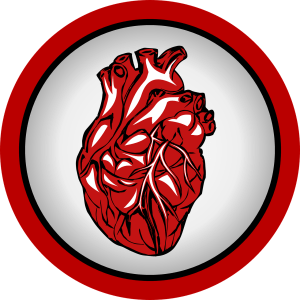
diagram of the human heart

The heart is a muscle which works much like the other muscles in your body. Unlike the muscles in your arms and legs, you can’t control the movement of your heart muscle.

Your  heart is about the size of your fist. It sits in the chest, behind the breast bone (sternum) and slightly to the left.

This link shows and describes the Anatomy of the Heart

in detail .

diagram of the human heart
The heart alternately fills with blood from the body, then pumps blood out to the entire body. Between these times it gets blood to and from the lungs.

With every contraction the Heart pumps blood through the arteries ; each contraction produces the familiar heartbeat. Most adult hearts beat from 60 to 100 times per minute.

The adult heart pumps approximately 5.5 quarts or liters of blood throughout the body, depending on the person’s size and medical condition.
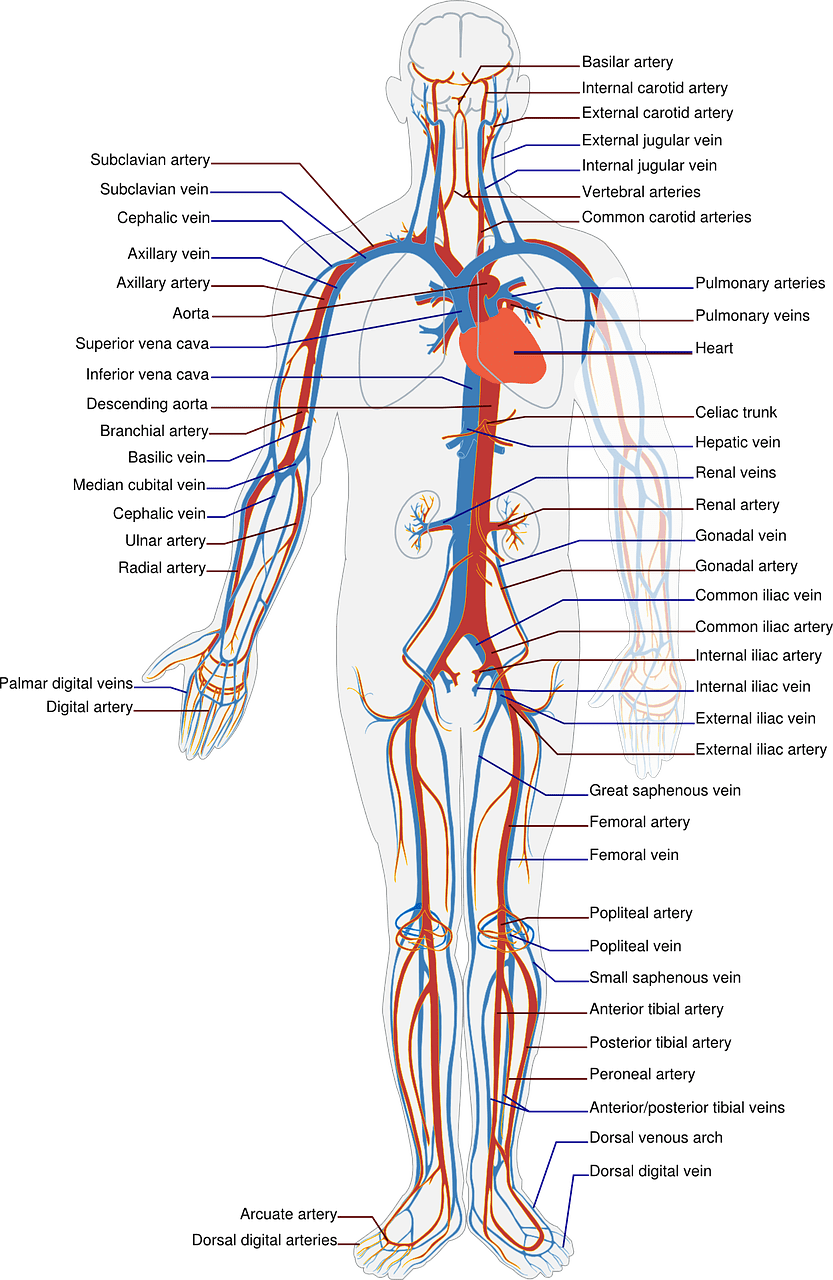
diagram of the veins and arteries
The blue Veins carry blood back to the heart; The red Arteries carry blood containing oxygen away from the heart out to the body.

Blood pressure measures the force of the heart’s pumping action. Doctors consider the healthiest blood pressure to be below 130/80.  There is no absolute “normal” minimum blood pressure.
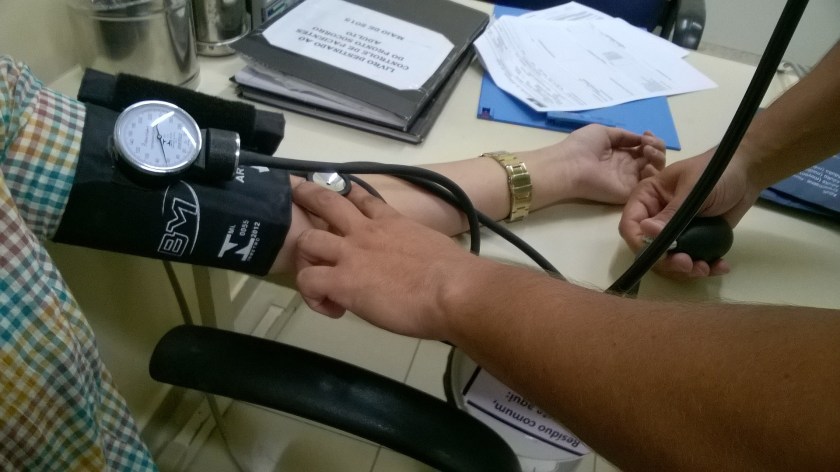
taking blood pressure

At this link you can watch an animation showing

how the heart works
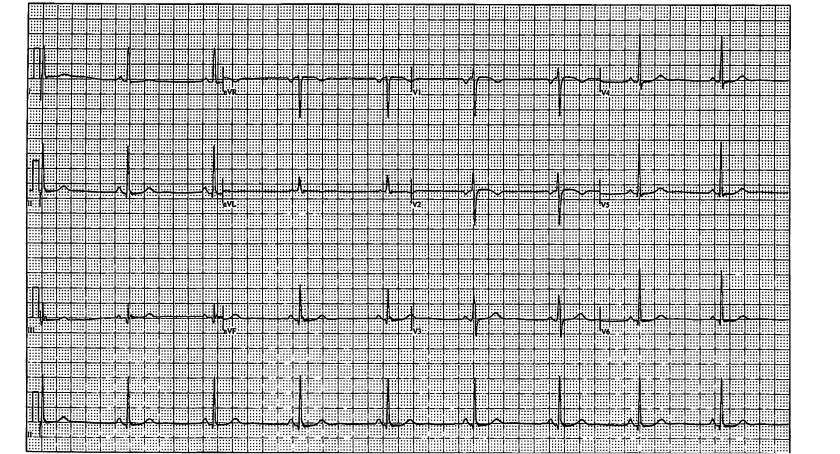
electrocardiogram- tracing
An electrocardiogram, EKG, records the heart beats produced by the heart’s electrical system.

An electrocardiogram, EKG  or ECG , records the heart’s electrical activity; the electrical system makes the heart work, similar to the electricity that powers the appliances in your home. (We usually say EKG instead of ECG to avoid confusion with an EEG, an electroencephalogram, which measures the electrical system of the brain.)

This link explains how the heart’s electrical system works.

Explore the heart further at these follow up posts

Exploring -when HEARTS break

7 Steps to a Healthy Heart


10 Silent Signs of Diabetes

Diabetes mellitus type 2, often linked to obesity, complicates blood glucose control for overweight individuals. It contributes to serious complications such as heart disease, kidney failure, and neuropathy. Early diagnosis and effective management through lifestyle changes and medication are crucial. Everyone should be aware of symptoms and high-risk factors for diabetes.

updated November 11, 2025

Diabetes mellitus type 2, sometimes called “sugar diabetes”, is one reason  I have posted several articles about obesity.  Obesity is strongly associated with diabetes.

People who are overweight or obese are at greater risk of developing diabetes, and if they are diabetic, their blood glucose (sugar) will be more difficult to control. Unfortunately, some of the medicines used to treat diabetes cause weight gain, or make weight loss difficult.

Diabetes and obesity are interrelated; we don't always know which came first.
Diabetes and obesity are interrelated; we don’t always know which came first.

Diabetes-a misunderstood disease.

People know cancer, heart disease, stroke, and Alzheimer’s disease are serious, but may minimize diabetes. They would be more concerned if they know diabetes directly contributes to many other conditions that decrease quality as well as length of life.

Diabetes directly contributes to

  1. atherosclerosis, a fancy name for narrowed or blocked arteries, the blood vessels that carry oxygen rich blood; this can lead to heart attacks, stroke, loss of vision-retinopathy,  limb pain, and amputation
  2. loss of kidney function, called nephropathy, which can progress into ESRD (end stage renal disease)
  3. damage to nerves, causing painful neuropathy with numbness and tingling in the feet, impotence, bowel and bladder dysfunction, dizziness among other symptoms.
diagram of the human heart
Heart diseases affect any and sometimes multiple parts of the heart- the atria, ventricles, the valves, the aorta, the pulmonary artery and veins, the walls and the coronary arteries (not shown in this diagram. )

Diabetes-a Treatable Disease

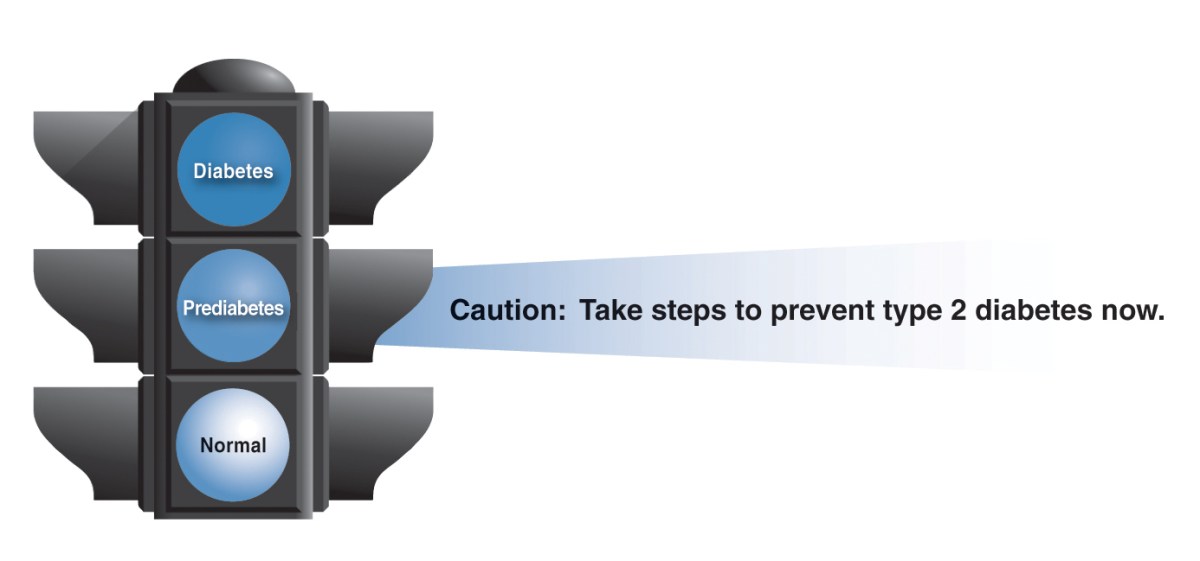
First, diabetes is easy to diagnose; a simple blood test, sometimes repeated for confirmation, can find it quickly.

Second, through a combination of lifestyle  and medication, diabetes can be controlled effectively.

diabetes-528678_1280
Diabetes is treated with a combination of diet, exercise, and medication. Many diabetic persons monitor their blood sugar regularly.

Diagnosing Diabetes

Anyone can develop diabetes; even children and teenagers are developing it now.

Anyone with these symptoms persistently should see their doctor, as they can indicate undiagnosed diabetes.

  1. extreme thirst
  2. increased hunger
  3. significant weight loss without trying
  4. unexplained fatigue
  5. blurry vision
  6. frequent urination
  7. tingling hands and feet
  8. sexual problems
  9. sores that don’t heal
  10. heat intolerance in warm weather

We know that some people are at greater risk- so they should be tested for diabetes even without symptoms

Persons at higher than average risk include 

  • older age, especially over age 40
  • overweight/obese persons
  • women with a history of gestational diabetes (diabetes during pregnancy)
  • Black, Native American and Hispanic persons in the United States;  (worldwide various other ethnic groups are at higher risk)
  • Family history of diabetes, especially if in a parent or sibling
  • Persons with high blood pressure and/or high cholesterol
It is especially important to control blood pressure and cholesterol when diabetes is present.
Control of blood pressure and cholesterol when diabetes is present.
 
Detailed information about diabetes can be found here
 

The National Institute of Diabetes and Digestive and Kidney Diseases-Diabetes Overview


Exploring the HEART of Health

I’d love for you to follow this blog. I share information and inspiration to help you turn health challenges into health opportunities.

Add your name to the subscribe box to be notified of new posts by email. Click the link to read the post and browse other content. It’s that simple. No spam.

I enjoy seeing who is new to Watercress Words. When you subscribe, I will visit your blog or website. Thanks and see you next time.

Dr. Aletha