
Antibiotics save lives.
“The discovery of penicillin in 1928 by Alexander Fleming was one of the greatest scientific achievements of the 20th century. It’s hard to imagine a world before the development of what many consider to be miracle drugs; however, just 90 years ago antibiotics weren’t available.”
CDC website
Prior to the discovery of penicillin, infectious diseases frequently caused death, probably the most common cause prior to the mid-20th century. Now they have been surpassed by heart disease, cancer and trauma.
We are less likely to from an infectious disease because of immunization, improved hygiene, sanitation, safe food and water, improved nutrition, and antibiotics. However, changes in our environment and genetic changes in bacteria and viruses create opportunity for infectious diseases to become new and deadly threats.

Antibiotics are used to treat infections caused by bacteria.
In a broad sense, the word antibiotic could refer to any drug that kills or stops germs, or in other words, organisms that cause disease. But we usually reserve it to refer to bacteria type organisms. There are many families of bacteria; two of the most common are the Streptococci, or Strep and the Staphylococci, or Staph (pronounced staff). There are different drugs that work on other infections caused by viruses, fungus, and parasites.

Ear infections may or may not need treatment with an antibiotic.
Ten years ago we thought all ear infections must be treated with antibiotics. Now we know that some resolve spontaneously, so antibiotic prescribing is not automatic. In some circumstances, they are still recommended
- Infants less than 6 months old
- Toddlers under 2 years old with both ears infected
- A ruptured ear drum (perforated tympanic membrane) with pus draining
In other cases, it may be safe to wait 2-3 days before giving an antibiotic if symptoms have not resolved.
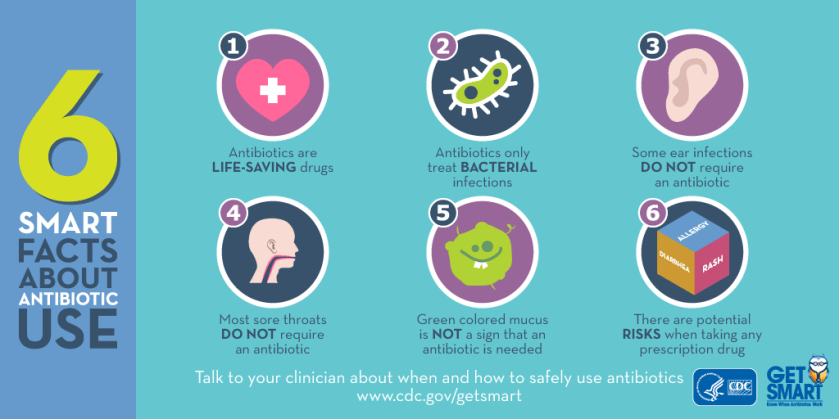
A sore throat usually gets better without an antibiotic.
Unless it is due to an infection with the Streptococcus bacteria, “Strep throat”. Greater than 90% of sore throats are caused by viruses, including those which cause colds and influenza. Mono, the “kissing disease”, (infectious mononucleosis) is also caused by a virus called Epstein-Barr. None of these are treatable with antibiotics, although influenza symptoms can be lessened with an anti-viral drug.
Strep throat is usually treated with penicillin but symptoms may not get better any faster than without. The goal in using an antibiotic is to prevent rheumatic fever, a complication of strep which is now rare in the United States.

The color of mucus, pus, or drainage does not determine the need for an antibiotic.
Some infections may cause characteristic colors or odors, but that alone is not used to diagnose or treat bacteria. If there is pus or other drainage, a sample may be collected and sent to a lab for a culture- attempting to grow any bacteria present. Sometimes this is misleading, since our bodies harbor lots of bacteria normally.
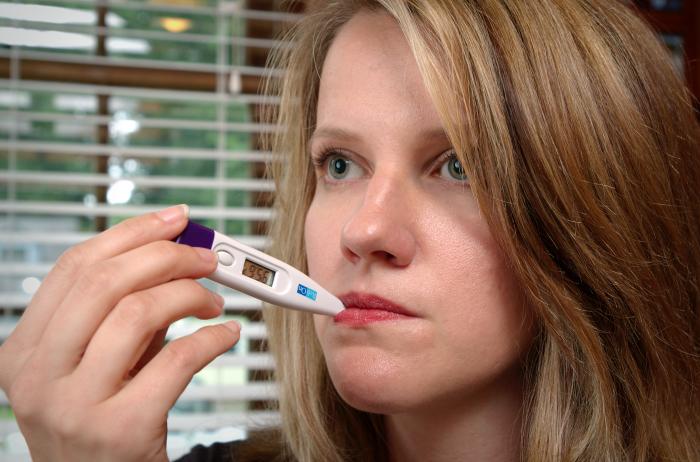
Like all drugs, antibiotics have potential risks.
You may think of antibiotics as safe, harmless drugs with no potential for serious effects. Usually antibiotics are well tolerated and safe. But serious side effects are possible and dangerous, though rare.
Here are some of the potential serious risks of popular frequently used antibiotics
- Penicillin- anemia (loss of red blood cells), injury to kidneys and nerves
- Cephalexin- seizures, liver problems leading to yellow jaundice
- Sulfa- increased sensitivity to sunlight, inflammation of the pancreas
- Azithromycin (Z-Pak) irregular heart rhythm, injury to liver and pancreas
- Ciprofloxacin- seizures, depression, rupture of tendons





 watercress words by Dr Aletha