Ice cream from a plant was contaminated with Listeria monocytogenes, causing illness and deaths. Listeriosis is a foodborne illness caused by this bacteria, present in raw and processed foods. Symptoms include fever, chills, and upset stomach. Treatment involves antibiotics. Pregnant women, older adults, and those with weak immune systems are most at risk.
Ice cream from an ice cream plant may have been contaminated with a bacteria, Listeria monocytogenes. Although few people have been affected, at least 3 deaths have been connected to this infection.
What is Listeria?
Listeriosis is a foodborne illness caused by Listeria monocytogenes, bacteria found in soil and water. It can be in a variety of raw foods as well as in processed foods and foods made from unpasteurized milk. Listeria is unlike many other germs because it can grow even in the cold temperature of the refrigerator.
This illustration depicts a three-dimensional (3D), computer-generated image of a grouping of Listeria monocytogenes bacteria. The artistic recreation was based upon scanning electron microscopic (SEM) imagery.Illustrator: Jennifer Oosthuizen, from the CDC, public domain
Symptoms include fever and chills, headache, upset stomach and vomiting. Treatment is with antibiotics.
Anyone can get the illness. But it is most likely to affect pregnant women and unborn babies, older adults, and people with weak immune systems. To reduce your risk:
Use precooked and ready-to-eat foods as soon as you can
Avoid raw milk and raw milk products
Heat ready-to-eat foods and leftovers until they are steaming hot
Wash fresh fruits and vegetables
Avoid rare meat and refrigerated smoked seafood
Exploring the HEART of Health
I’d love for you to follow this blog. I share information and inspiration to help you transform challenges into opportunities for learning and growth.
Add your name to the subscribe box to be notified of new posts by email. Click the link to read the post and browse other content. It’s that simple. No spam.
I enjoy seeing who is new to Watercress Words. When you subscribe, I will visit your blog or website. Thanks and see you next time.
Please visit these pages to learn more about me and this blog.
Bacterial infections can be treated with antibiotics, while antiviral medications are limited. Vaccines exist for several viruses and bacteria, including influenza, MMR, and Hepatitis strains. However, diseases like malaria and HPV require additional attention. Many infections lack preventive vaccines, emphasizing the importance of consulting physicians for advice on vaccinations and disease prevention.
Virus vs Bacteria
One major difference between bacterial and viral infections is the treatment. We have many more effective antibiotics (drugs which fight bacteria) than we do antiviral drugs.
And antibiotics do not affect viruses. Despite that fact, patients often expect and even demand their physicians prescribe antibiotics for viral infections such as influenza, colds and bronchitis- and unfortunately too often we physicians do it anyway.
Influenza- the vaccine is given annually and targeted to the strains of virus predicted to be active in any given year.
Measles (rubeola), Mumps, Rubella (German measles) -I am grouping these together since their vaccines are usually given together as the MMR. Recent outbreaks of measles have been attributed to the decline in vaccination rates.
Polio, a disease parents feared when I was a child, due to to risk of permanent paralysis, now essentially eradicated in the United States
Rotavirus, in infants and small children, a common cause of gastroenteritis- vomiting and diarrhea, with or without fever and abdominal pain
HPV, the human papilloma virus, causes warts of all kinds, but the vaccine is targeted to the strains that cause genital warts and cervical cancer
The cousin viruses, Hepatitis A and Hepatitis B.
Hepatitis is an infection of the liver, which can range from a mild disease to life threatening. Hepatitis A is spread through contaminated food or water. Hepatitis B is spread through contact with infected blood or other body fluids.
Another set of cousins, Varicella Zoster (VZ) virus causes two different infections and thus has two vaccines. The original infection is varicella or chickenpox, formerly a common childhood illness but not seen often now due to the vaccine. When it reactivates, usually years later in adulthood, it is known as zoster or shingles.
There are also several vaccines usually reserved for travel to specific areas of the world, occupational exposure, military service or other special circumstances. These include vaccines for anthrax, typhoid, cholera, (bacteria) and yellow fever, smallpox,and rabies (viruses).
Diseases for which there is no vaccine
One of the most serious is malaria, caused by a parasite transmitted by infected mosquitos. Malaria is rarely a risk in northern or extreme southern areas of the world, but for the tropics, especially sub-Saharan Africa it is a major health problem. (A vaccine is being tested.)
Otherwise we all are at risk of other serious infections that we cannot yet prevent with immunization. These include
HIV-human immunodeficiency virus ,and most other sexually transmitted diseases including HSV- herpes simplex virus, gonorrhea, syphilis, and chlamydia.
HCV- Hepatitis C
Most respiratory viruses, including rhinovirus, cause of the common cold; RSV-respiratory syncytial virus and infectious mononucleosis
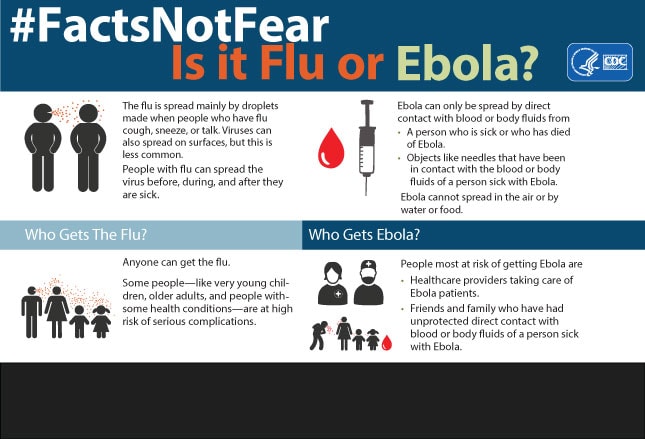
The Ebola virus
Borrelia, not really a bacteria, it’s a spirochete, which causes Lyme (not lime) disease
And the bacteria Staphylococcus, which causes “staph” (not staff) infections of the skin and Streptococcus, which causes “strep throat”.
If you have any questions or concerns about which vaccines you might need to protect yourself against infections, please consult your own personal physician.
Prevention is a focus in healthcare now and immunization has been one of the most effective ways to prevent disease ever developed. The list of diseases that are “vaccine preventable” is long and continues to grow. Vaccine recommendations may be based on a person’s Vaccine administration may vary by Immunization protocols have become so complex…
Exploring the HEART of health
I’d love for you to follow this blog. I share information and inspiration to help you transform challenges into opportunities for learning and growth.
Add your name to the subscribe box to be notified of new posts by email. Click the link to read the post and browse other content. It’s that simple. No spam.
I enjoy seeing who is new to Watercress Words. When you subscribe, I will visit your blog or website. Thanks and see you next time.





 watercress words by Dr Aletha