How to cope with winter illness

As winter brings respiratory illnesses like colds and flu, it’s essential to understand symptoms such as fever, cough, and sore throat. While most recover, high-risk individuals should seek medical help. Stay home, wash hands frequently, use medications wisely, and be patient with recovery, which may take days to weeks.

updated January 2, 2025

This information is current as of the date of original publication or update. It may have changed by the time you read this. I invite you to fact-check what you read here.

Please do not use this information for diagnosis or treatment purposes. Before making health decisions, discuss with your physician or other qualified healthcare provider.

What are the symptoms of winter illnesses?

Chances are you or someone close to you will have a respiratory illness this winter, illnesses we frequently lump into the category of “colds and flu”.  This usually means illnesses with some combination of these symptoms-

  • Sneezing, stuffy  or runny nose,
  • coughing
  • sore throat, hoarseness
  • ear pain, fullness
  • fever,
  • body aches, fatigue, 
  • nausea, vomiting, diarrhea 
  • headache.

We call these by various names but they have much in common, including symptoms and treatment. Let’s talk about what you can do to cope when they hit your family.

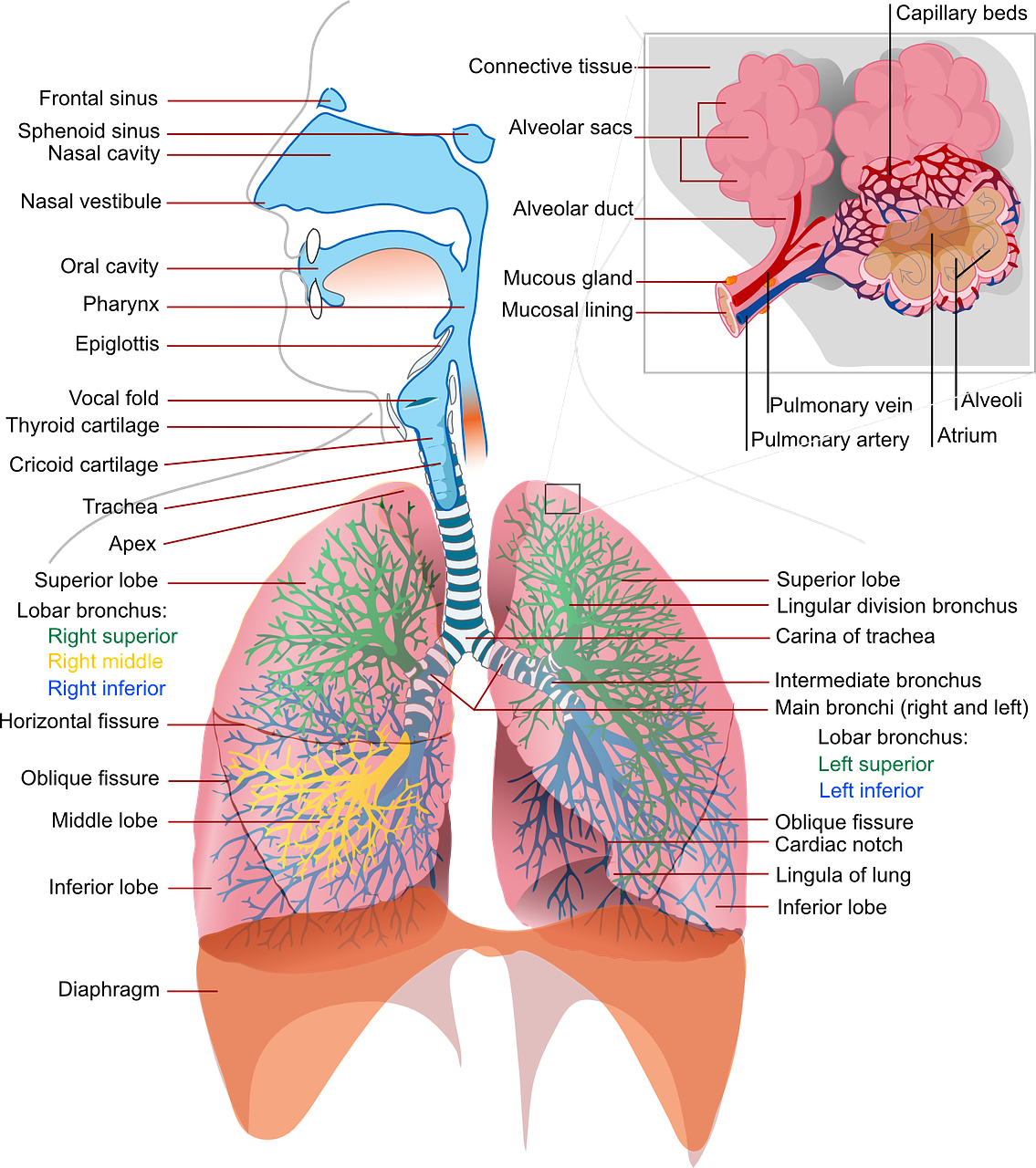
diagram of the nose and sinuses
Winter illnesses commonly affect the nose, throat, sinuses, ears and lungs.


Don’t panic.

Most otherwise healthy people recover from common respiratory illnesses. You may be miserable for several days and need several weeks to feel back to normal, but you won’t suffer any permanent harm.

Fever , especially in children, alarms parents. Don’t ignore it but don’t panic either.

Reading this post should help you keep calm about fever .

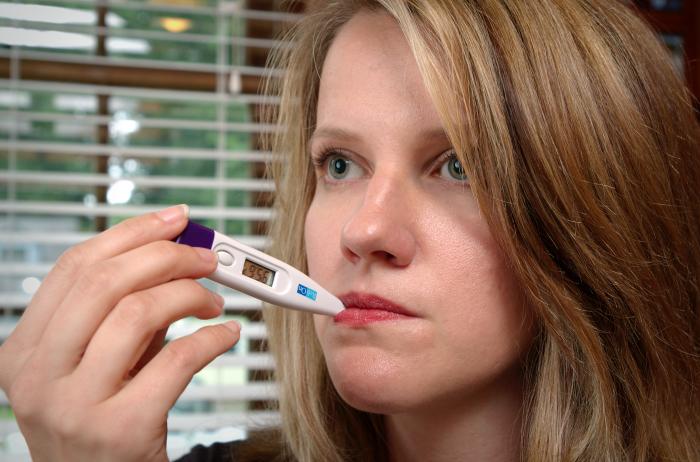
a woman taking her temperature
This photograph depicted a woman who was using a modern, battery-powered oral thermometer, in order to measure her body temperature. In order to return an accurate reading, this particular type of thermometer needed to be placed beneath the user’s tongue, for a set amount of time, beeping when the ambient, sublingual temperature was reached. Photo credit-James Gathany, CDC, public domain

Some people are at risk of developing severe symptoms and serious complications from respiratory illnesses, so seek medical help sooner, rather than later. These include

  • Infants, especially under one month old
  • Elderly,  now a relative term, advanced age, especially combined with chronic disease
  • Those with chronic lung disease, like asthma, COPD, emphysema, cystic fibrosis
  • People on drugs that suppress the immune system
  • Other chronic diseases – diabetes, liver disease, kidney disease, heart disease, cancer 

If you are not sure if you fit into one of these categories, ask your doctor.

Check here for tips on the difference between a cold (acute rhino-sinusitis) and flu (influenza)

rhinoceros
“Rhino” obviously means NOSE.

What you need to know about influenza. 

Stay home.

This is when you shouldn’t share—germs, that is. These illnesses spread from person to person, so minimize contact.

Keep your kids home from school and stay home from work, at least the first few days, when you are the most contagious. Avoid crowds and public gatherings when there is widespread illness in your community.

Resting, getting extra sleep, drinking fluids, and staying warm and dry make staying at home therapeutic.

Wash hands.

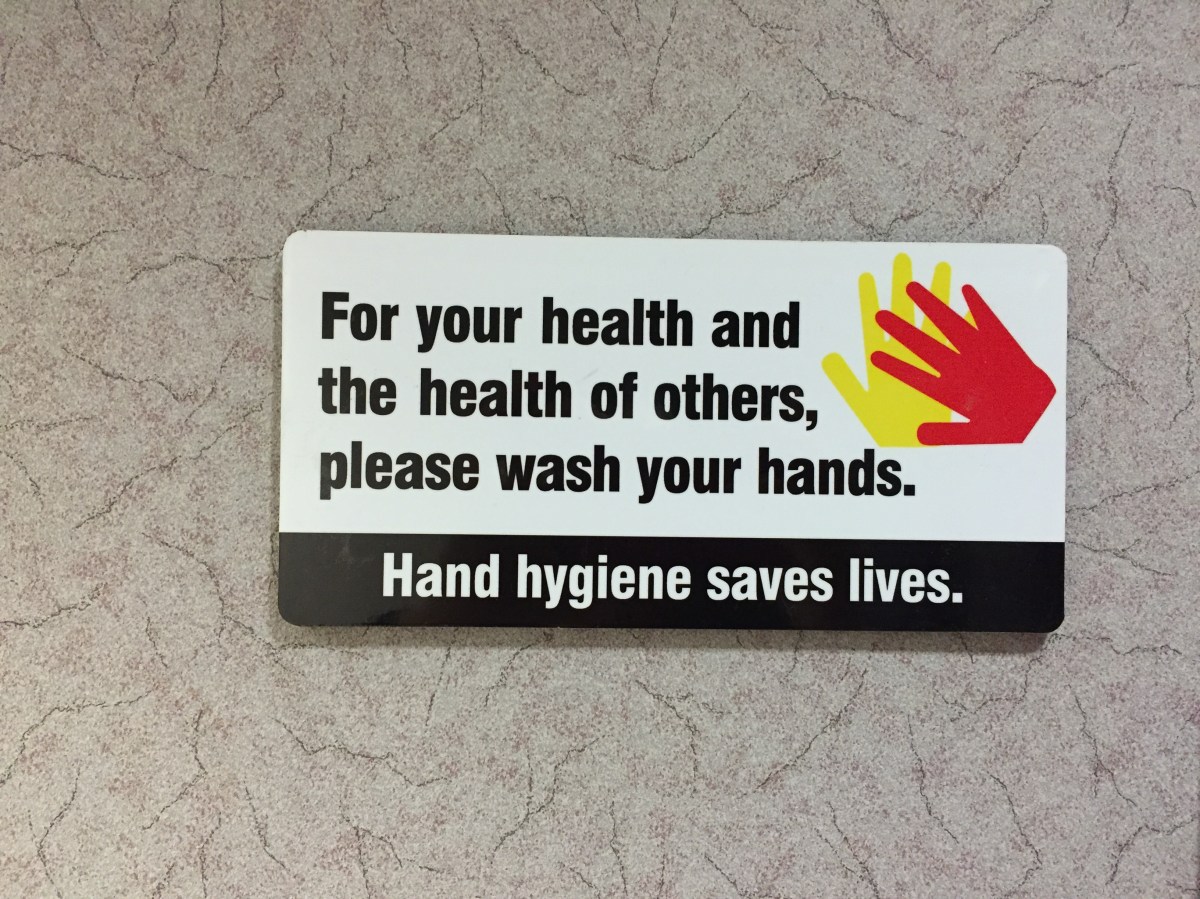
Speaking of person-to-person contact, the best way to avoid getting or giving germs is to wash your hands often, but especially after being with others , using a restroom,  and before cooking or eating. Cleaning household surfaces helps too, as well as clothing and linens.

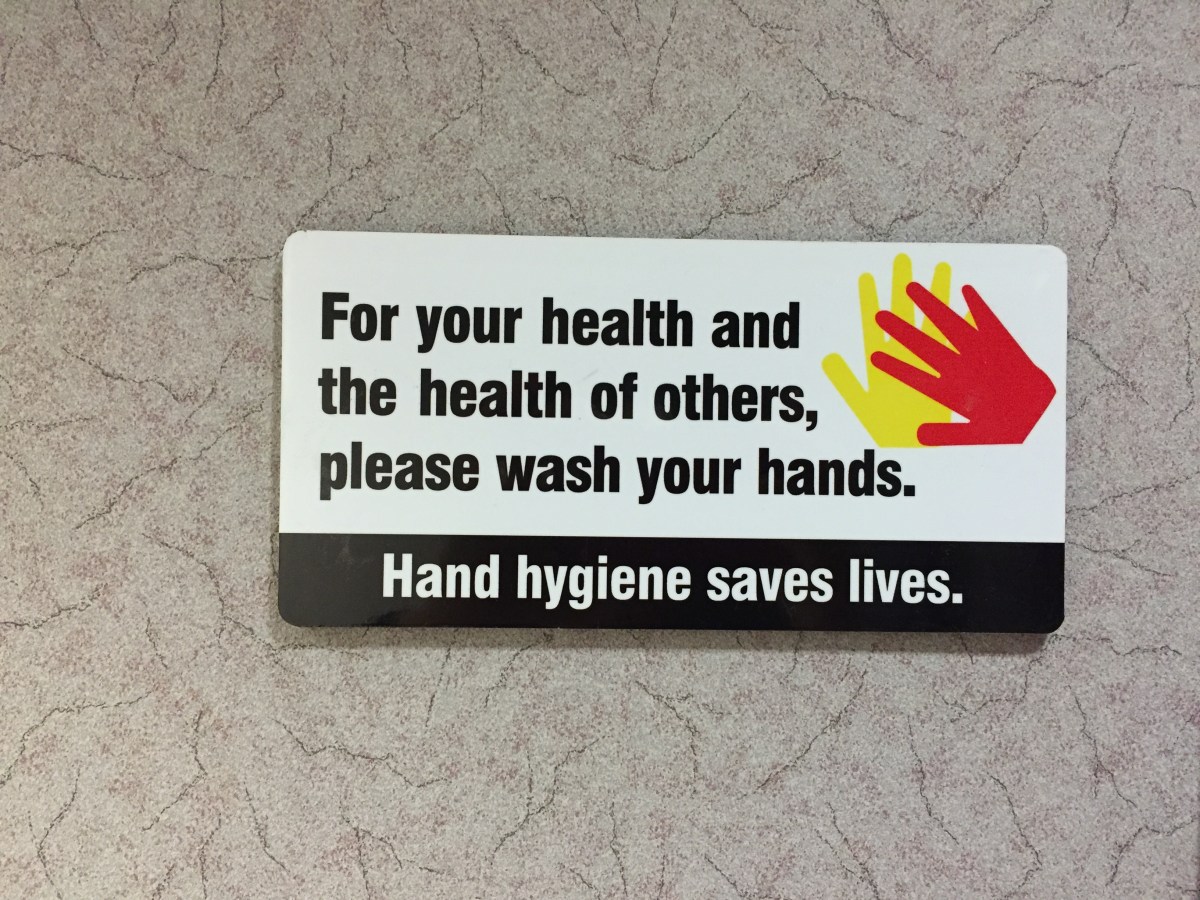
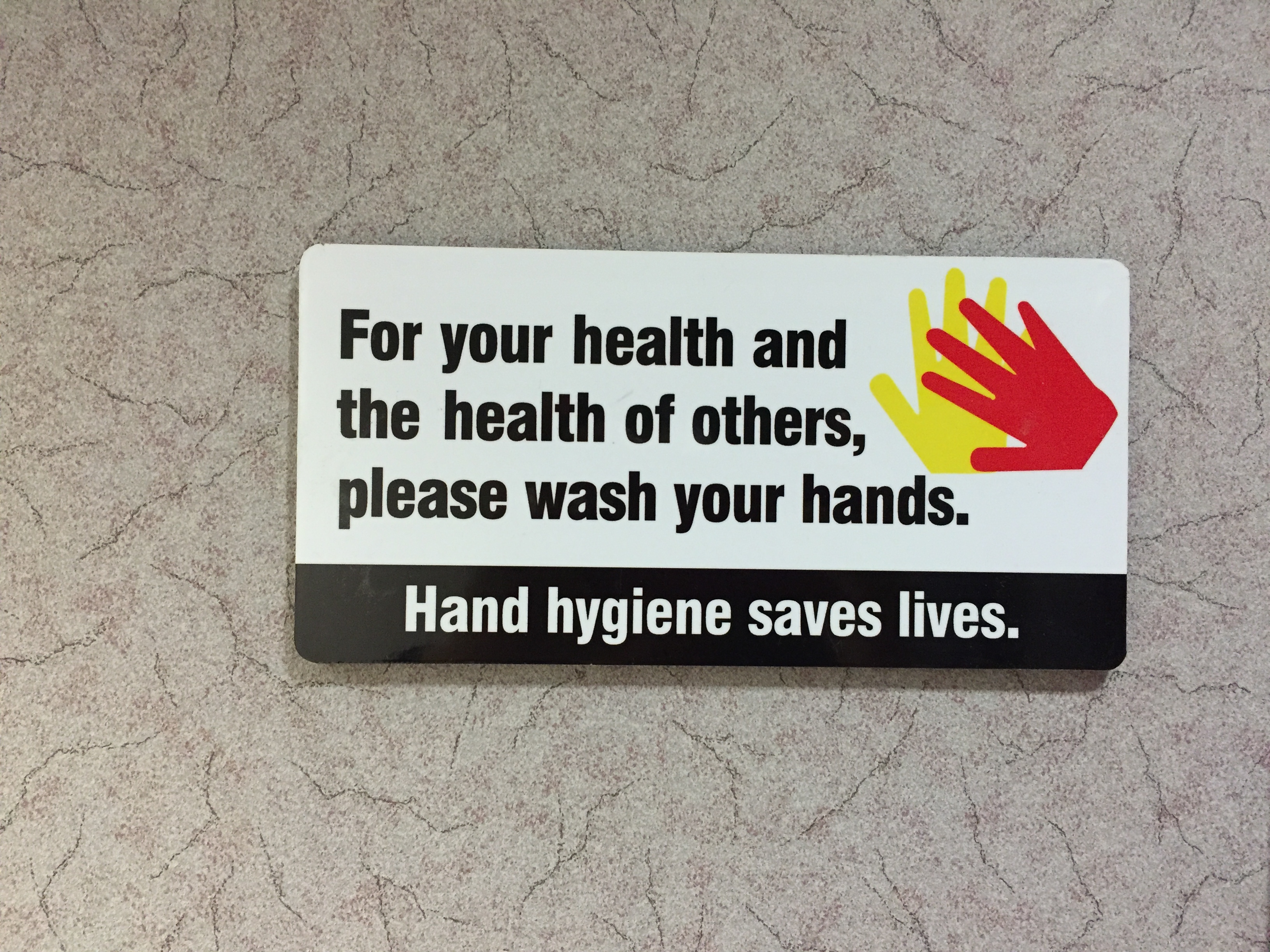
Hand hygiene saves lives.
a common sight now in public restrooms


Use medication wisely.

Some of these illnesses have a specific medication that clear it faster- strep throat, influenza, pneumonia. The others will “run their course” and meds are used to help relieve symptoms.

Many people assume that any illness with fever, sore throat, and cough will improve with an antibiotic. The fact is, most will not. Antibiotics only treat infections caused by bacteria, and most of these are caused by viruses. To learn more read about

How flu and COVID-19 are different


How to navigate the antibiotic highway 

These illnesses cause the greatest overuse of antibiotics, contribute to the cost of health care, and the development of antibiotic resistance. Please do not insist on an antibiotic if the doctor says you don’t need it; if offered an antibiotic, ask why.

6 smart facts about antibiotic use

Does nasal drainage and congestion need treatment with an antibiotic?

Maybe not. Learn how to sort out sinusitis.


WebMD offers this advice on choosing non-prescription cold remedies


 Be patient

The “24-hour virus” is for the most part a myth. Expect to be ill anywhere from 3 to 10 days; some symptoms, especially cough, can linger for weeks. If you are a smoker, this is a great time to quit. 

But if after 7-10 days you are getting progressively worse, instead of better, something more may be going on, so it’s wise to seek professional medical help.

exploring the HEART of winter illness

Please help your friends by sharing this information (but not your germs) on your social media pages.

I’d love for you to follow this blog. I share information and inspiration to help you transform challenges into opportunities for learning and growth.

Add your name to the subscribe box to be notified of new posts by email. Click the link to read the post and browse other content. It’s that simple. No spam.

I enjoy seeing who is new to Watercress Words. When you subscribe, I will visit your blog or website. Thanks and see you next time.

Dr. Aletha

“Over the Rainbow”-and a volcano in Hawaii

This post reflects on Israel Kamakawiwo’ole’s rendition of “Somewhere Over the Rainbow,” emphasizing his unique voice and connection to Hawaiian culture. It highlights his struggles with obesity and early death at 38, while contrasting Hawaii’s beauty with his legacy. I share my personal experiences in Hawaii, encouraging future adventures.

updated December 6, 2025

israel kamakawiwo’ole somewhere over the rainbow

The first time I listened to this song, I had never heard of the artist. I was captivated by his calm, smooth voice, as well as his unique version of an iconic song.

In case you’re not old enough to remember (I’m not either), the song Over the Rainbow was written for the movie The Wizard of Oz in 1939. As Dorothy from Kansas became stranded in Oz, the late actress Judy Garland sang the song which won an Academy Award and is “one of the greatest movie songs of all times.”

(This post includes affiliate links, which help fund this blog, but cost you nothing extra. Thank you. )

IZ- THE SINGER

Unlike Dorothy, Israel kamakawiwo’ole was not from Kansas, far from it. He was a native and lifelong resident of Hawaii. (I have been to both places; they could not be more different.)

He was a popular and beloved citizen and celebrity and his music represented and extolled the island’s geography and culture.

Unfortunately, he developed morbid obesity. At a reported height of 6’2” (1.88 m) and weighing 757 pounds (343 kilos), his body mass index (BMI) was 97. (BMI over 30 is defined as obese).

I have discussed BMI and obesity in a previous post What is obesity and why does it matter?

Due largely to his excess weight, his health suffered from lung and heart problems, eventually causing his untimely death at only 38 years old. All of Hawaii mourned his passing.

Fortunately, he left for Hawaii and the world a wealth of music to enjoy.

HAWAII- THE BIG ISLAND 

Several years ago my husband accompanied me to Hawaii to attend a medical conference. (If you have to sit and listen to medical lectures all day, that is definitely the place to do it)

Hawaii, the 50th state added to the United States of America,  is made up of 6 major islands.  The conference was on the Big Island, which is also called Hawaii.

One of the largest and most active volcanoes in the world is there at Hawaii Volcanoes National Park,  so it is a must-see. And we did.

couple , flowers, waterfall
leis (flowers) around our neck upon arrival

Exploring the volcano

boats, dock, water
On an island, you’re never far from water and boats
a hammock stretched between palm trees on the beach makes for a relaxing vacation.
Hawaii is often called a paradise for good reason

Thanks for sharing my memories of Hawaii, I hope you can go there too.

Where are you planning to go on your next adventure? What will make it a memorable experience for you and your traveling companions?

Exploring the HEART of health

I’d love for you to follow this blog. I share information and inspiration to help you transform challenges into opportunities for learning and growth.

Add your name to the subscribe box to be notified of new posts by email. Click the link to read the post and browse other content. It’s that simple. No spam.

I enjoy seeing who is new to Watercress Words. When you subscribe, I will visit your blog or website. Thanks and see you next time.

a world globe with two crossed bandaids

Doctor Aletha