6 things you need to know to fight influenza

a review of how to recognize, prevent, and treat influenza

Thanks for visiting. Please review the updated version of this post .

6 Tips to Cope During a Flu Epidemic

The post discusses influenza, emphasizing its symptoms, diagnosis, and prevention, particularly through vaccination. It acknowledges the similarities between influenza and COVID-19 symptoms. Antiviral medications like Tamiflu and Xofluza are mentioned for treatment. The article promotes awareness of complications, especially for high-risk individuals, and encourages preventive measures to protect oneself and others.

Keep reading

  1. If you think you have “the flu”, you probably don’t.

To many people “the flu” is any respiratory illness characterized by some combination of fever, cough, congestion, fatigue and aches. That term has become so nonspecific even we doctors use it that way. But it more correctly refers to influenza, which is just one of many viruses that cause illness. The illnesses caused by the other viruses are usually called “colds”, upper respiratory infections, aka URIs, bronchitis, pharyngitis, sinusitis and pneumonia.

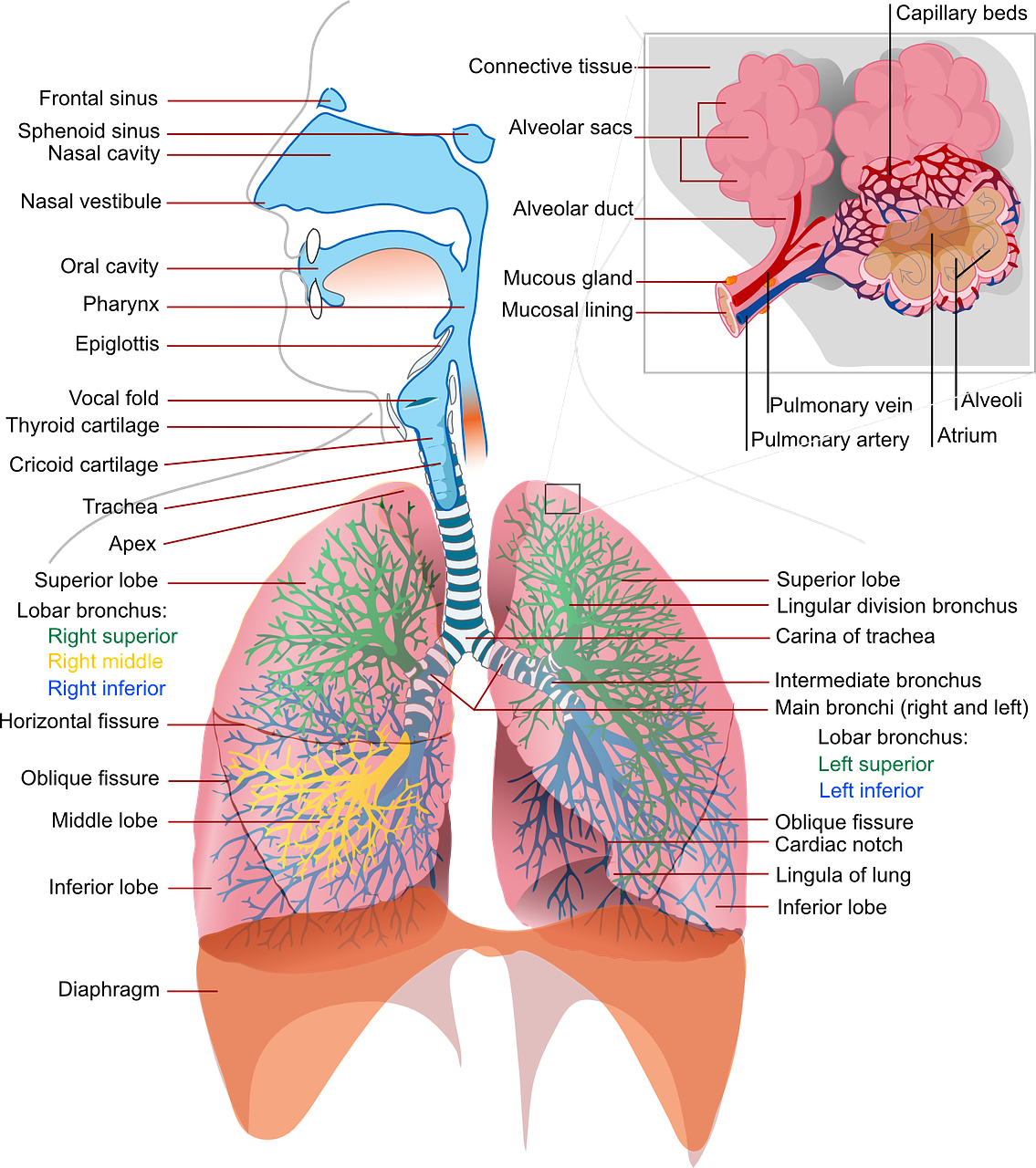
The human respiratory system
The respiratory tract including the nose, sinuses, mouth, throat, trachea, bronchi in blue and the lungs (pink). Infections can involve the breathing organs from the nose all the way down to the lungs. (photo complimentary from Pixabay)
  1. If your doctor thinks you have “the flu”, you probably do.

Prior to the availability of the “rapid flu” test, we doctors diagnosed influenza the characteristic symptoms, confirmatory findings on exam, and knowing there was an outbreak in the community. The test is not absolutely necessary but is helpful for confirmation in the event the illness doesn’t progress as expected. Besides, we can charge for it and patients have come to expect it now.

3. The best way to prevent influenza is by vaccination.

The World Health Organization (WHO), Centers for Disease Control and Prevention(CDC) , the National Foundation for Infectious Disease and every other reputable medical organization recommends vaccination against influenza. People refuse vaccination (some even at recommendations of physicians) because they believe it is ineffective, unnecessary, dangerous, toxic, unnatural, subversive, and who knows what else. And  I don’t think I or anyone else am going to change their minds.

My family and I always get vaccinations which have successfully protected us without side effects or adverse reactions. There are risks, just like there are with any medical procedure, or lots of other things we do in life. In this case we have decided the benefit outweighs the risk.

  1. If you want to avoid getting influenza, avoid being around people who may be infected.

This means everyone, since one may be contagious 2 to 3 days before symptoms. It’s not a coincidence that influenza outbreaks coincide with the American holiday season (approximately November through January). So to protect us all,

  • Stay home if you are sick, and ask your family, co-workers and employees to do the same.
  • Cover your nose and mouth when coughing or sneezing
  • Wash your hands frequently.
  • Wash frequently touched surfaces frequently.
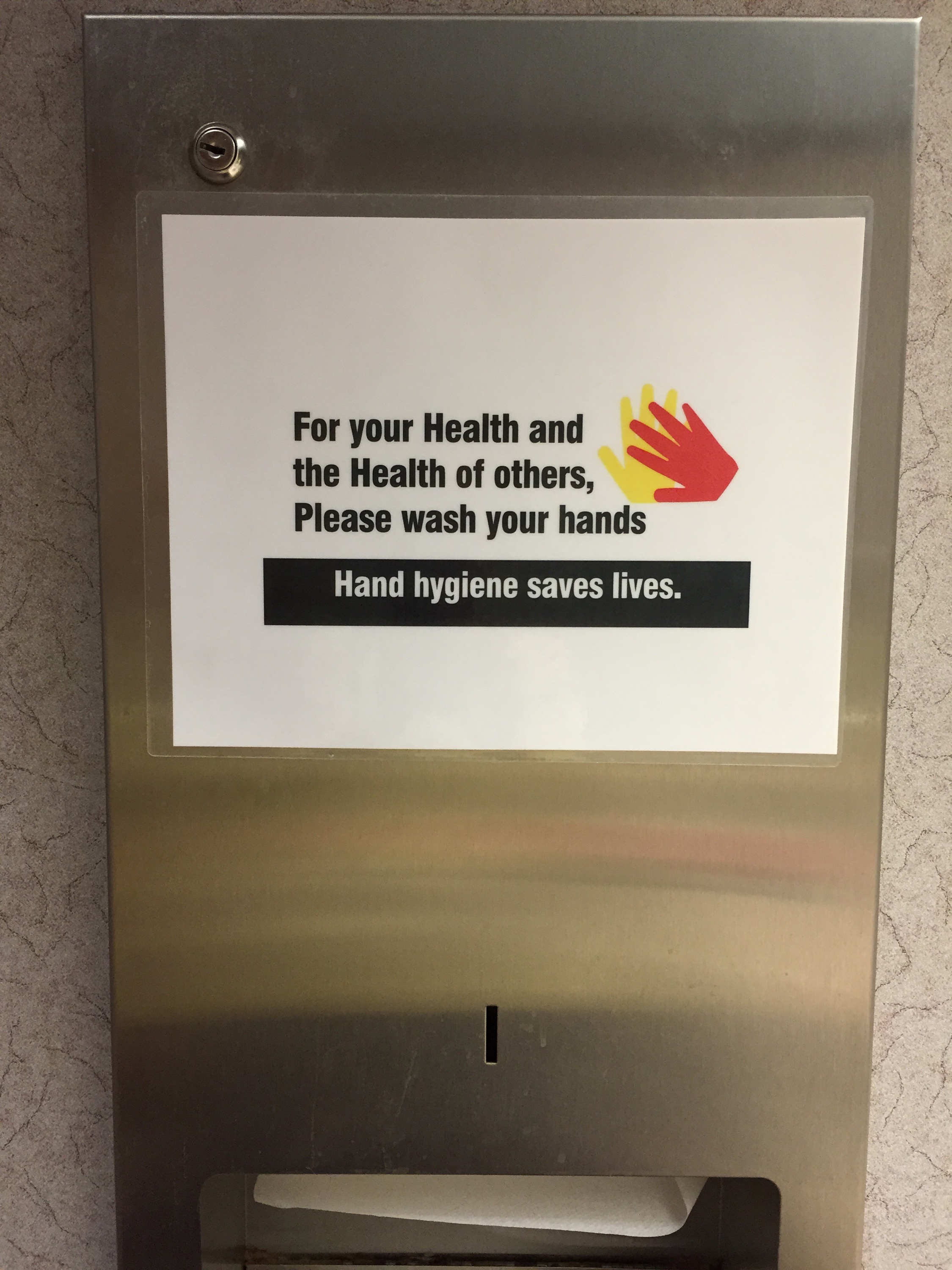
sign saying wash your hands
  1. If you do get sick, don’t ask your doctor for an antibiotic.It will not help. 

    Antibiotics attack bacteria. Influenza and 99% of all respiratory illnesses are due to viruses.

There are 4 antiviral drugs that will “shorten the duration and severity of symptoms” by 1-2 days, if started early. The effectiveness is uncertain for an illness that will resolve within 10-14 days regardless. But if it gets you back to school or work a day earlier, it may be worth the cost-they are not cheap drugs.

Otherwise, the treatment is“symptomatic” or “supportive” care:

  • Rest; eat and drink as normally as possible; extra fluids if running a fever 
  • Non-prescription cough/congestion /pain/fever meds

Here are  general guidelines  on what to do if you get a respiratory illness.

  1. You can die from influenza, but you probably won’t.

I cringed last year when a friend wrote on her social media page, “My doctor said, ‘No one dies of the flu’.” And, technically, that is true. People die from complications of influenza, and infants, young children and the elderly have greatest risk.The most common fatal complication is bacterial pneumonia, infection in the lung. Influenza can also attack the nervous system causing brain inflammation (encephalitis and/or meningitis) and paralysis in the form of Guillain Barre syndrome .

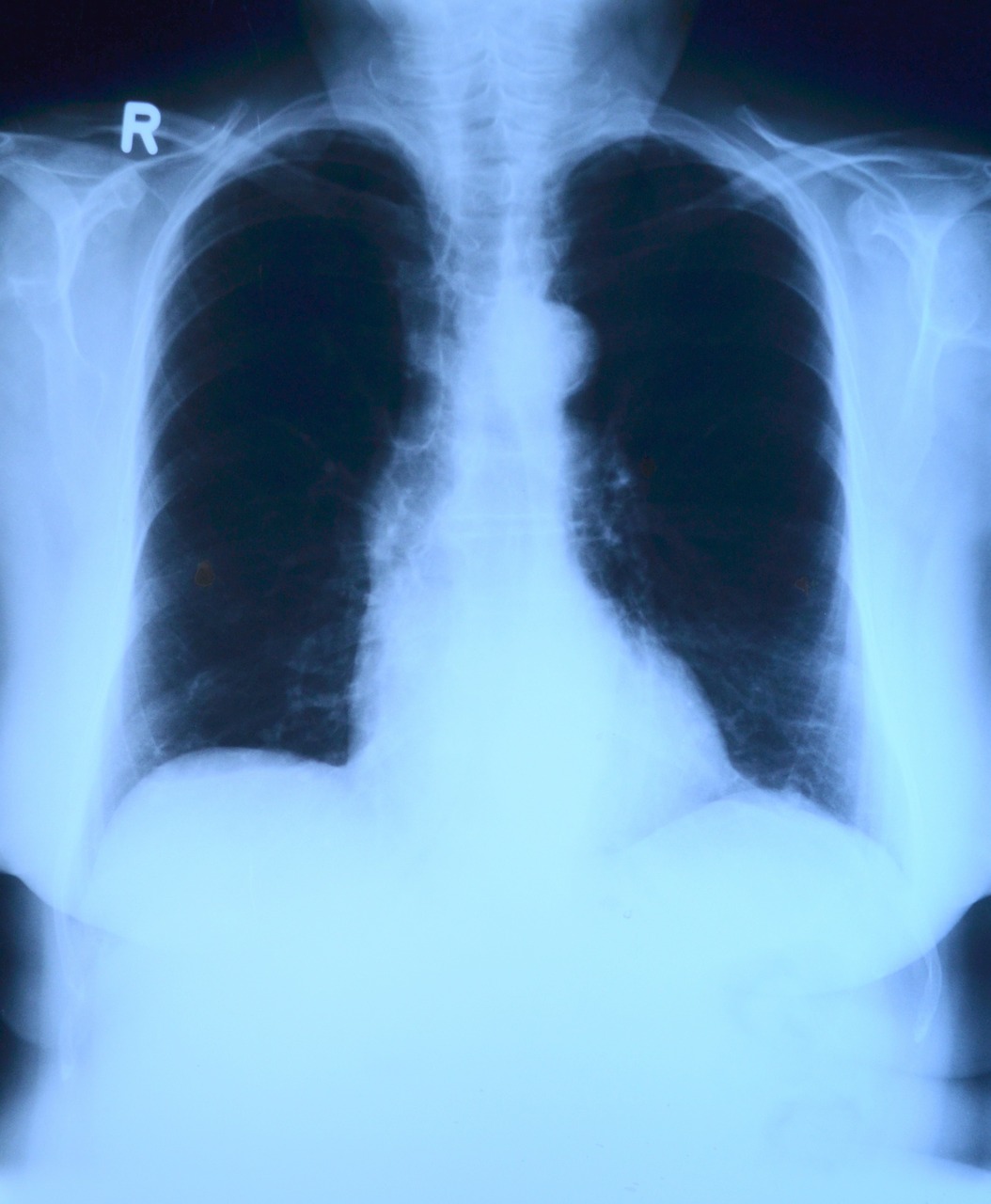
an xray of healthy lungs with no signs of pneumonia.
Healthy lungs with no signs of pneumonia.

Persons with chronic illnesses like diabetes, lung disorders, depressed immune systems and cancer are at greater risk of complications and should always consult a physician if feeling ill. If you are not sure if you fall into that category, ask your doctor.

Influenza is a disease to take seriously; consider my suggestions, talk to your doctor, and stay healthy this season.

Recognizing and preventing the health effects of violence

Exposure to violence leads to multiple types of mental and behavioral disorders :depression, post-traumatic stress disorder, anxiety, sleep and eating disorders, substance abuse and suicide attempts. Adults who experienced childhood trauma struggle with stress due to finances, family and jobs. Abused children often  commit crime as adults.

I read the newspaper article in disbelief, then grief; a family of five, parents and three children, murdered in their home in my community. Even more shocking, the assailants were their other two teen-aged children!

Things like this just don’t happen here, a suburban city that is quiet, peaceful and secure. Statistically, one of the safest cities in our state and even the country. But that doesn’t make us immune- violence can happen anywhere to anybody.

“siblings charged with first-degree murder in stabbings of family members”

I  know. Two of my husband’s relatives were murdered. One of them survived multiple wounds from a vicious assault, only to die from a second attack.  The other one died from an in-home attack, a case that is still open and cold- the killer has never been arrested and brought to justice.

I served as the doctor at a summer camp for children in foster care . Almost all had suffered physical abuse .

“Mother accepts plea deal, prison time for committing child neglect, abuse “

What is interpersonal violence?

The World Health Organization defines interpersonal violence as

“the intentional use of physical force or power, threatened or actual, against another person, group or community that results in or has a high likelihood of resulting in injury, death, psychological harm, maldevelopment, or deprivation.”

The major agencies that track statistics on interpersonal violence, call it

  • “a pervasive public health, social and developmental threat.”
  • “a leading cause of death, particularly in children, adolescents and young adults.”

“Reporter, photographer  shot and killed during live report”

Did you know that exposure to violence can

  • Cause immediate physical wounds and
  • Result in long-lasting mental and physical health conditions?

Violence matters because it 

  • Directly affects health care cost and payments
  • Indirectly stunts economic development
  • Increases inequality
  • Erodes human capital

Violence causes physical injuries many of which are fatal or leave permanent disability. Other results include sexually transmitted infections, including HIV, and unintended pregnancy and pregnancy complications.

“Elderly woman beaten to death by two people she lived with. “

Medical effects of violence

Violence contributes to several chronic medical conditions   although the exact relationship is not  clear.  These include heart disease, cancer, chronic lung disease (possibly due to smoking), diabetes, alcohol abuse and obesity.

“Rape charges filed against man accused of attacking pregnant woman “

Mental and emotional effects of violence

Exposure to violence leads to multiple types of mental and behavioral disorders :depression, post-traumatic stress disorder, anxiety, sleep and eating disorders, substance abuse and suicide attempts. Adults who experienced childhood trauma struggle with stress due to finances, family and jobs. Abused children often  commit crime as adults.

“Teen suspected in violent crime spree arrested”

Our health care system encourages prevention, but tends to focus on the prevention of cancers, heart disease, infectious disease and dementia.

But given the far reaching consequences of interpersonal violence,preventing the resulting health problems is just as important. The  multiple factors that contribute to violence makes that a daunting task.

Violence is  a public health, social and political problem. Physicians, mental health professionals, teachers, and law enforcement deal with the effects in the course of our work every day.

Opportunities for prevention

The article concludes with a summary of “opportunities for prevention.” The emphasis is on starting in childhood to address the factors than can lead to violence and to focus on the family unit and schools.

What can we do to prevent violence ?

  1. Early childhood visitation
  2. Parenting training
  3. School-based social-emotional learning approach
  4. Early childhood education , Head Start as an example
  5. Public policy; for  example , addressing laws related to alcohol sales, since alcohol consumption is associated with violence
  6. Therapeutic approaches , including CBT- cognitive behavioral therapy

“Mothers band together to protect Chicago neighborhood”


Read a  true story about surviving violence

( this is an affiliate link; at no extra cost to you, this blog may receive a commission if you buy through this link; thanks.)

The Rising -Murder, Heartbreak, and the Power of Human Resilience in an American Town 

by Ryan D’Agostino

The astonishing story of one man’s recovery in the face of traumatic loss—and a powerful meditation on the resilience of the soul


On July 23, 2007, Dr. William Petit suffered an unimaginable horror: Armed strangers broke into his suburban Connecticut home in the middle of the night, bludgeoned him nearly to death, tortured and killed his wife and two daughters, and set their house on fire. He miraculously survived, and yet living through those horrific hours was only the beginning of his ordeal.

Broken and defeated, Bill was forced to confront a question of ultimate consequence: How does a person find the strength to start over and live again after confronting the darkest of nightmares?

In The Rising, acclaimed journalist Ryan D’Agostino takes us into Bill Petit’s world, using unprecedented access to Bill and his family and friends to craft a startling, inspiring portrait of human strength and endurance.

To understand what produces a man capable of surviving the worst, D’Agostino digs deep into Bill’s all-American upbringing, and in the process tells a remarkable story of not just a man’s life, but of a community’s power to shape that life through its embrace of loyalty and self-sacrifice as its most important values. Following Bill through the hardest days—through the desperate times in the aftermath of the attack and the harrowing trials of the two men responsible for it—The Rising offers hope that we can find a way back to ourselves, even when all seems lost.

Today, Bill Petit has remarried. He and his wife have a baby boy. The very existence of this new family defies rational expectation, and yet it confirms our persistent, if often unspoken, belief that we are greater than what befalls us, and that if we know where to look for strength in trying times, we will always find it.

Bill’s story, told as never before in The Rising, is by turns compelling and uplifting, an affirmation of the inexhaustible power of the human spirit.

reprinted from a Goodreads review

Exploring the HEART of understanding and preventing the health effects of violence

All the quotes about violent crimes that I used in this post I found in recent news headlines. They are all from true events.

please help support this blog; consider starting with the cost of a beverage

Choose an amount

$5.00
$25.00
$50.00

Or whatever works for you

$

I welcome and appreciate your support, it helps fund this blog and share the HEART of health all over the world.

Excess funds are donated to health related charities.
Dr. Aletha

Donate

How to survive an active shooter

Shootings in the United States have resulted in numerous casualties across diverse demographics. An active shooter poses a significant threat, necessitating preparedness. The recommended response includes three strategies: RUN to safety, HIDE if escape is impossible, and FIGHT as a last resort. Prioritizing personal and collective safety is crucial.