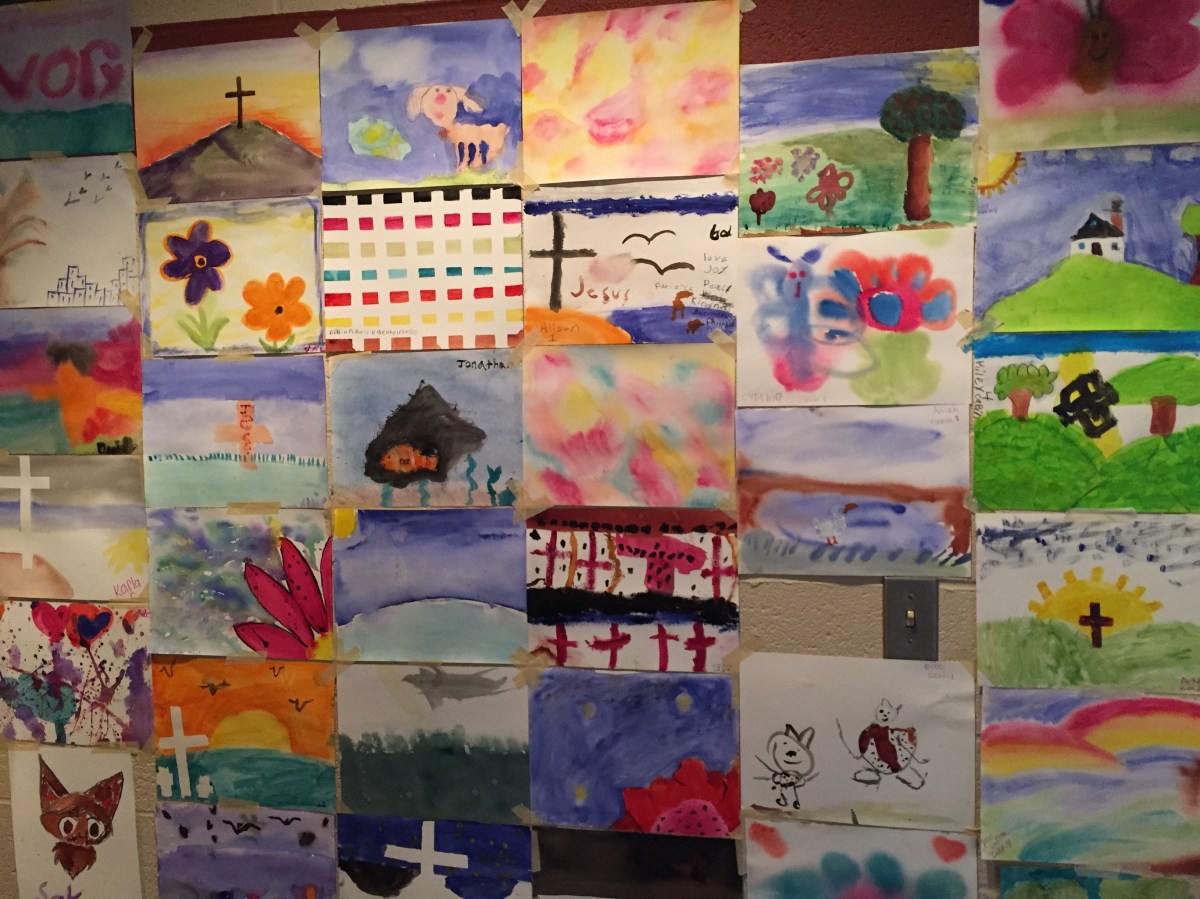
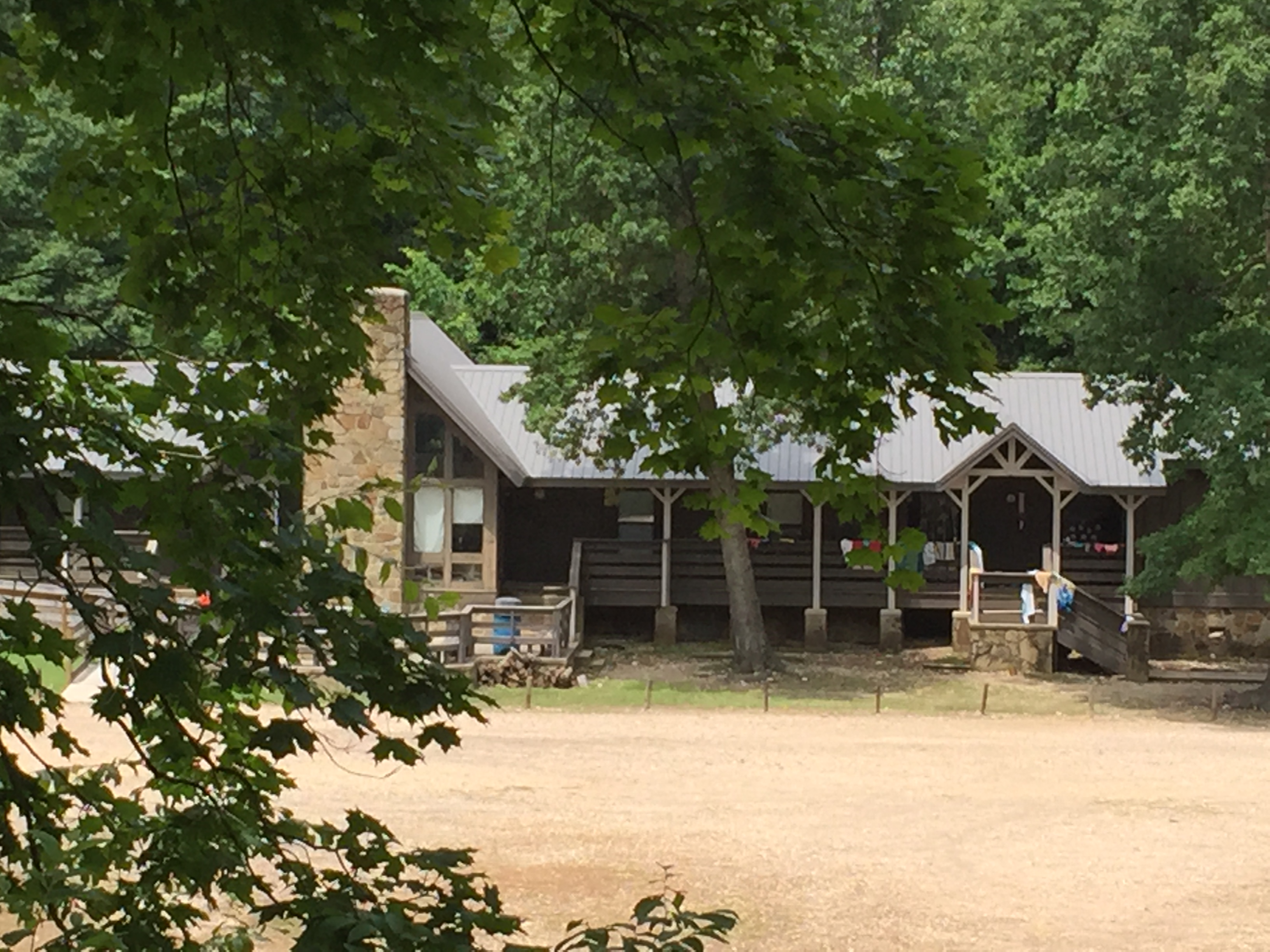
For one week I was the doctor at an exclusive summer camp for children age 7 through 11 years. Only a few children are accepted to this camp from those who qualify. There are strict requirements for admission, but once a child qualifies, they can return every year until they reach 11. Both boys and girls are recruited to attend.
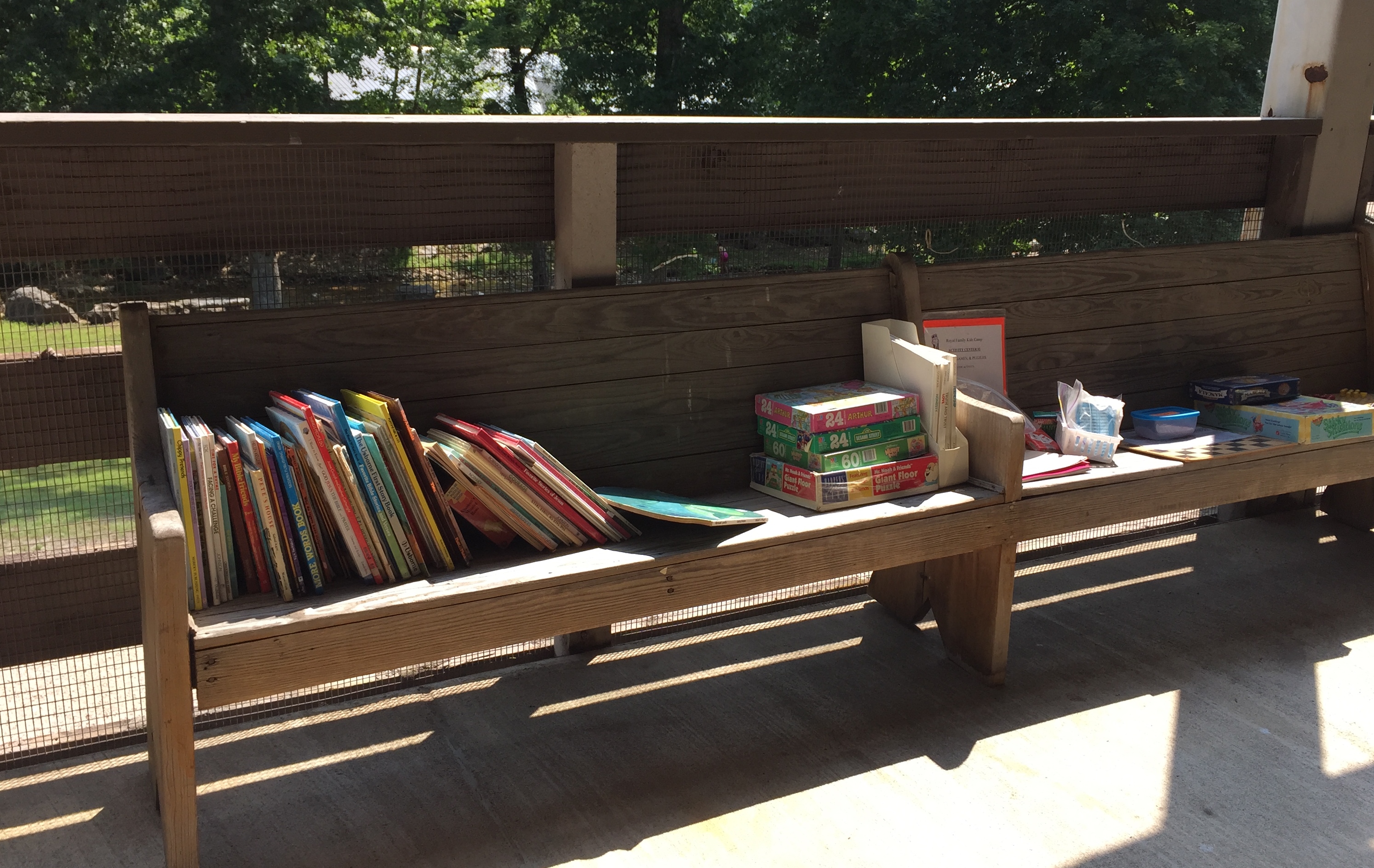
So exclusive is this camp that the ratio of staff to children is almost one to one. Some activities are done in large groups; others are done in groups of four campers with at least 2 adults. There were adult staff in charge of leading music, teaching crafts, hiking, fishing, swimming and drama presentations. Additional staff came each evening for special programs and a birthday party for everyone. Since we were there the week of Independence Day, there was a fireworks show one evening.
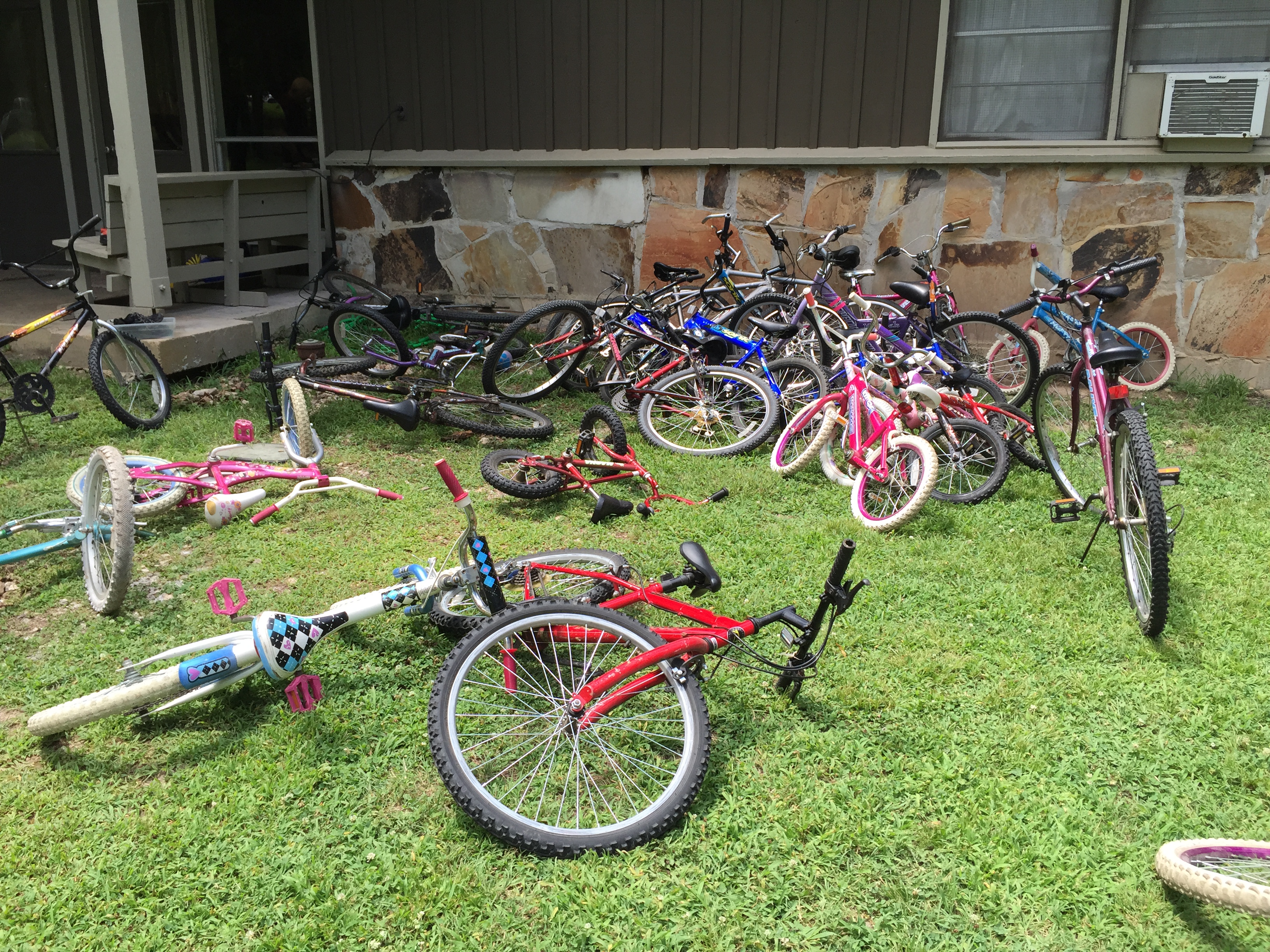
Three hot meals, served all-you-can-eat style, and snacks were provided daily. Assisted by a registered nurse, I oversaw treatment of any injuries, assessed illness and dispensed medications. The campers slept in air-conditioned cabins with full bath facilities, supervised by adult staff.
The total cost of running this 5 day camp is in the tens of thousands of dollars; the cost to each child’s family-nothing. Sound wonderful to you? The kind of camp you would like to send your child or grandchild to? No, it isn’t.
This camp is exclusive but you can’t buy your way into this camp. It is not for the children of the rich and famous, celebrities, entertainers, politicians, or doctors. This camp is reserved for children who are in the foster care system- children who have been abused, neglected and/or abandoned by their parents.
A special camp for special kids
Royal Family Kids has been confronting abuse and changing lives since 1990 by sponsoring these camps . The camps are staffed by local people for children in their community. All are volunteers. Funds to pay for the camp are raised by individual and corporate donations, grants, and old fashioned fund raisers like pie auctions .
Child abuse is a preventable, treatable medical condition- and a crime.
The American Academy of Pediatrics calls it “a public health problem with lifelong health consequences for survivors.”
The World Health Organization calls it a “global priority” due to its potential impact on social and economic development.
All organizations that deal with child abuse agree that prevention is much more effective than treating the effects of abuse.

Many of these children land in the foster care system which can be another form of abuse. Foster children may be shuffled from one home to another without warning, separated from siblings, leaving behind personal possessions like clothes, toys, books and photos. They have few opportunities to do normal kid activities like summer camps, family vacations, play sports and music lessons.
Why Royal Family Kids
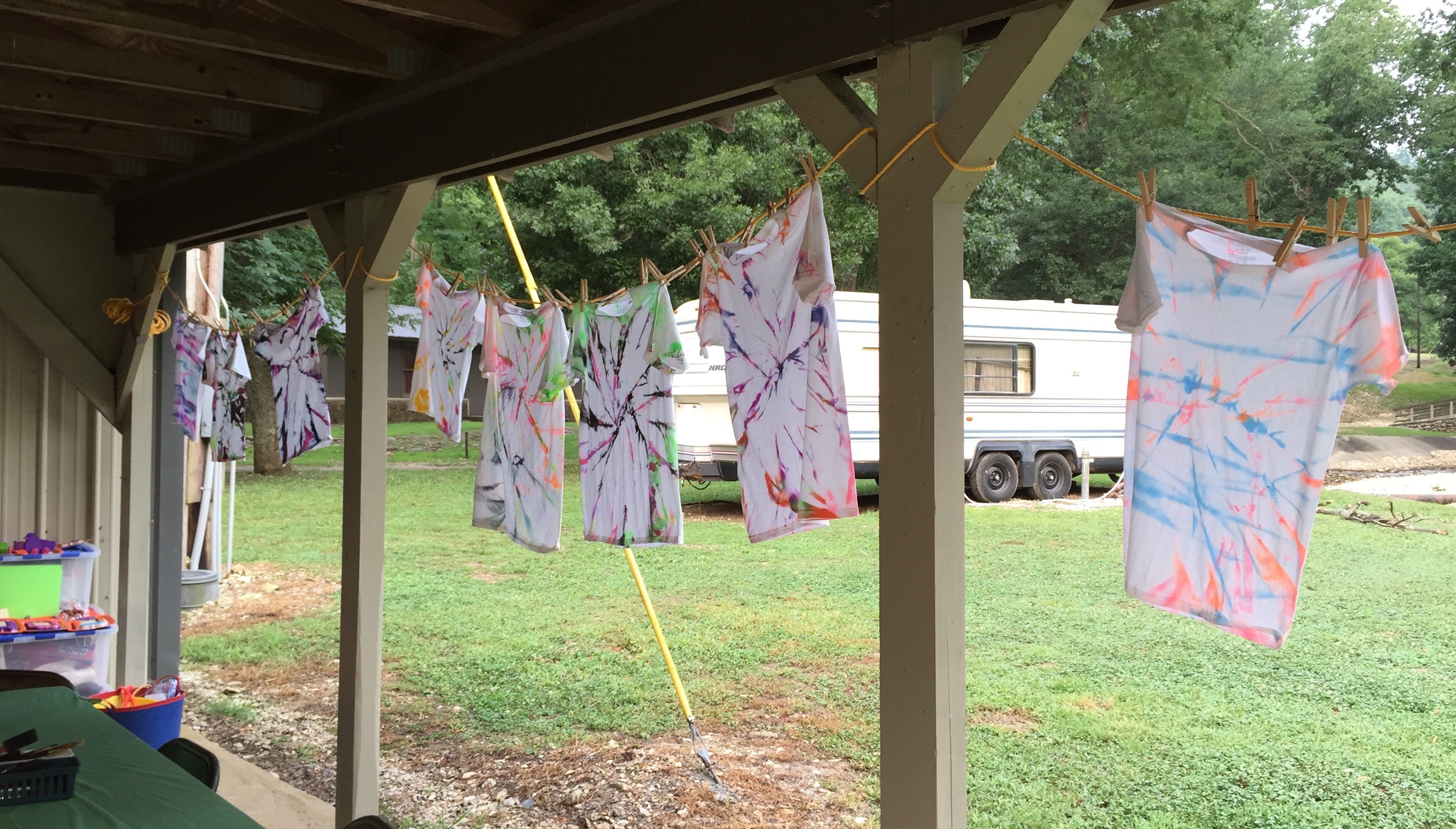
That is why our camp is so important. For their week at camp, each child gets caring attention from safe adults, many of whom return year after year. The goal of the camp is to create positive memories for kids who have few. Each craft is carefully packed to go with the child, as is a small photo album filled with pictures of their activities at camp.
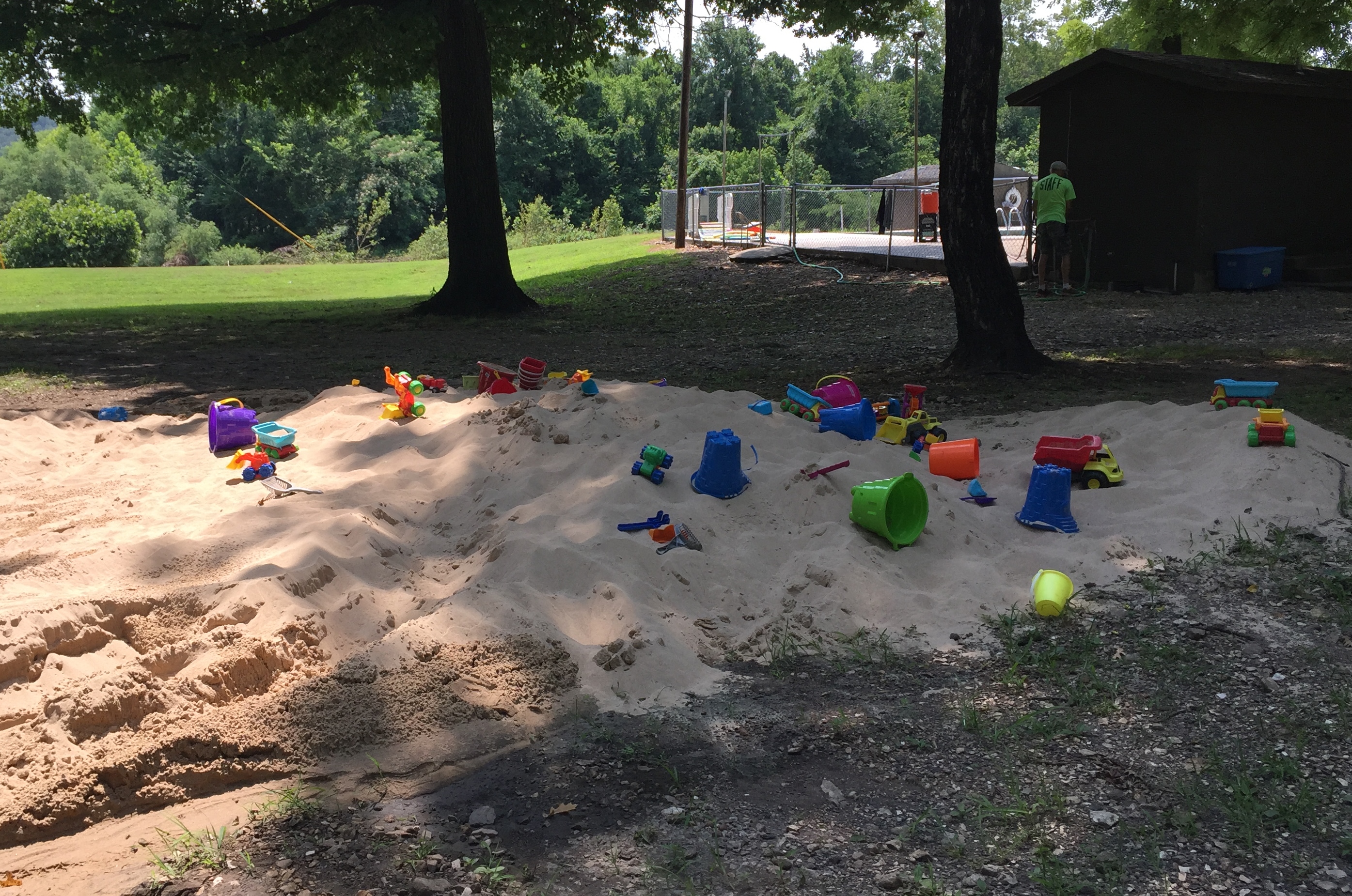
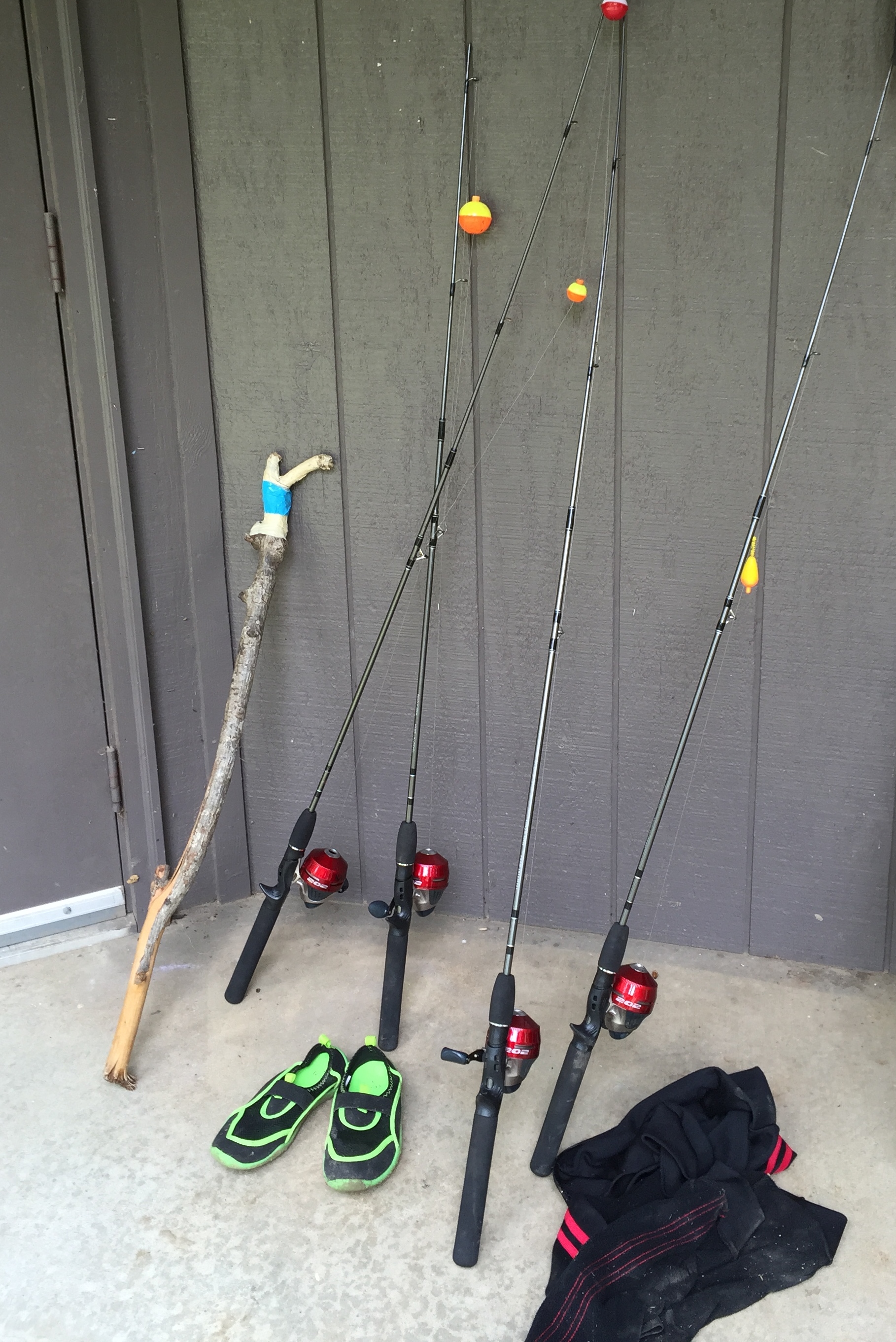
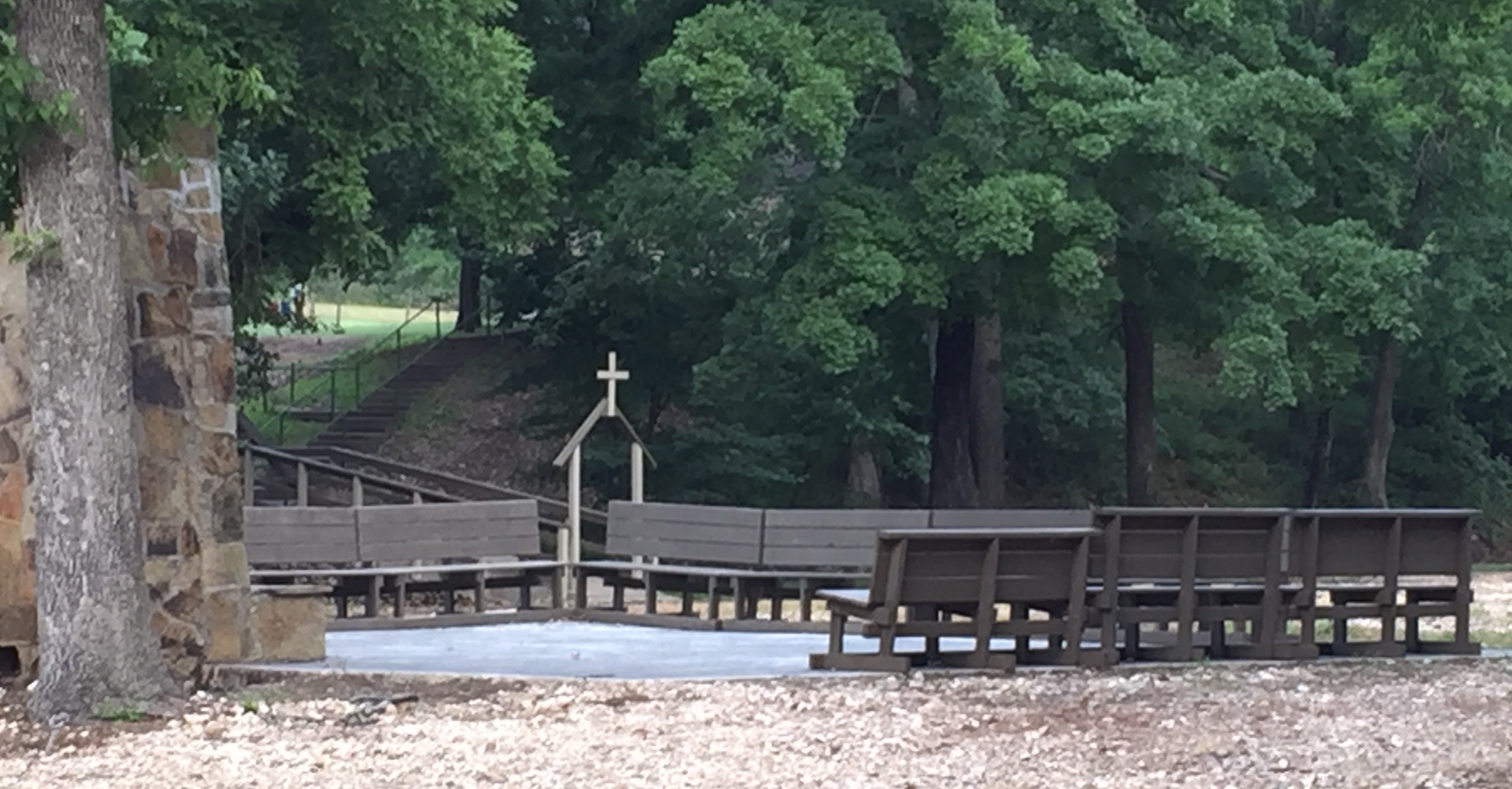
For the sake of their privacy and protection, I cannot show pictures of the children to you, but these photos from the camp give you an idea of the fun things they did that week. Most important, they are taught that their life has value and that they can overcome the challenging situation that has brought them here.
If you suspect a child is being abused, here is how you can help.
Contact the National Child Abuse Hotline
or your local child protective agency – find the number at this link.
Together we can help every child feel safe and create positive memories. Thank you.
(This is not an affiliate link. Donations to Royal Family Kids are not shared with this blog.)




 watercress words by Dr Aletha