Then a leader whose name was Jairus, arrived. When he saw Jesus, he fell at his feet,pleading fervently with him.
“My little daughter is dying,” he said. “Please come and lay your hands on her; heal her so she can live.”
Jesus went with him, and all the people followed, crowding around him.
When they came to the home Jesus saw much commotion and weeping and wailing.He went inside and asked, “Why all this commotion and weeping? The child isn’t dead; she’s only asleep.”
The crowd laughed at him. But he made them all leave, and he took the girl’s father and mother and his three disciples into the room where the girl was lying.
Holding her hand, he said to her, “Talitha koum,”which means “Little girl, get up!”And the girl, who was twelve years old, immediately stood up and walked around! They were overwhelmed and totally amazed.
A woman in the crowd had suffered for twelve years with constant bleeding.She had heard about Jesus, so she came up behind him through the crowd and touched his robe.For she thought to herself, “If I can just touch his robe, I will be healed.”Immediately the bleeding stopped, and she could feel in her body that she had been healed of her terrible condition. And he said to her, “Daughter, your faith has made you well. Go in peace. Your suffering is over.”
Excerpt from NLT WOMEN’S DEVOTIONAL from Tyndale House publishers
“We live in a culture that idolizes health, independence, and strength while it shuns illness and weakness. Yet at some time in our lives we all find ourselves in real need of someone’s help. In some cases, we must swallow our pride and humbly reach out to receive the help offered, because we find ourselves in an extremely desperate situation. That’s when all pretenses of self-sufficiency have to be discarded. But what about accepting help from others? This step can still be very difficult. As believers in Jesus, we are called to be his hands and feet here on earth. Sometimes we will be the one bringing aid and comfort to others; sometimes we will be the ones on the receiving end. The amazing thing about God’s family is that we share his healing touch as we share our stories of his love in our lives and help each other through difficult times.”
You can receive this and other e-devotionals by email free by joining the
As a member, you’ll have access to inspiring literature, Bibles, special promotional offers, and much more. Earning points is easy—you’ll receive 25 points just for signing up!
You can also earn points when you:
Shop at Tyndale.com or NavPress.com
Refer a friend
Write reviews
Take surveys
Sign up for e-newsletters and e-devotionals
And more!
My Reader Rewards Club is a great way to earn free books and Bibles for yourself, friends, and family! Your journey to earning free faith-based products starts HERE.
(By signing up through these links, I also have a chance to earn free books that I may review for this blog.)
Use these links to share the heart of health wherever you connect.
He proposed health is not just the opposite of un-health, disease, illness, informity- and I agree.
I have seen this proven in the lives of countless patients.
I have treated patients who did not have a diagnosed disease, but yet did not feel or act healthy. Other patients who had a long list of ailments still managed to live active, healthy lives.
“Health is a state of complete physical, mental and social well-being and not merely the absence of disease or infirmity.”
(The bibliographic citation for this definition is: Preamble to the Constitution of WHO as adopted by the International Health Conference, New York, 19 June – 22 July 1946; signed on 22 July 1946 by the representatives of 61 States (Official Records of WHO, no. 2, p. 100) and entered into force on 7 April 1948. The definition has not been amended since 1948.)
Health in 7 Dimensions
I recently discovered a definition of health that includes those points but goes even further. The University of California, Riverside, Human Resources department promotes wellness among its staff and students with a Seven Dimensions of Wellness program.
This program considers aspects of life which you might not think impact health but do significantly affect wellbeing, or the lack of.
Let’s look at their 7 points which I’m going to expand with my own thoughts.
Social Wellness- relating to and connecting with other people in our world.
This includes family, friends, co-workers, neighbors, even strangers.
Loneliness is a significant health problem: it contributes to ill health, and even risk of dying prematurely.
The New York Times health writer Jane Brody reviewed medical studies that show
Emotional Wellness- understanding our feelings and coping with life challenges.
Emotionally well people understand that feeling angry, sad, fearful or stressed will happen, and are able to not let those feelings cripple them. They use the times of hope, love, joy and happiness to build a reserve on which to draw in difficult times.
Spiritual Wellness – what brings, peace, harmony, and purpose to our lives.
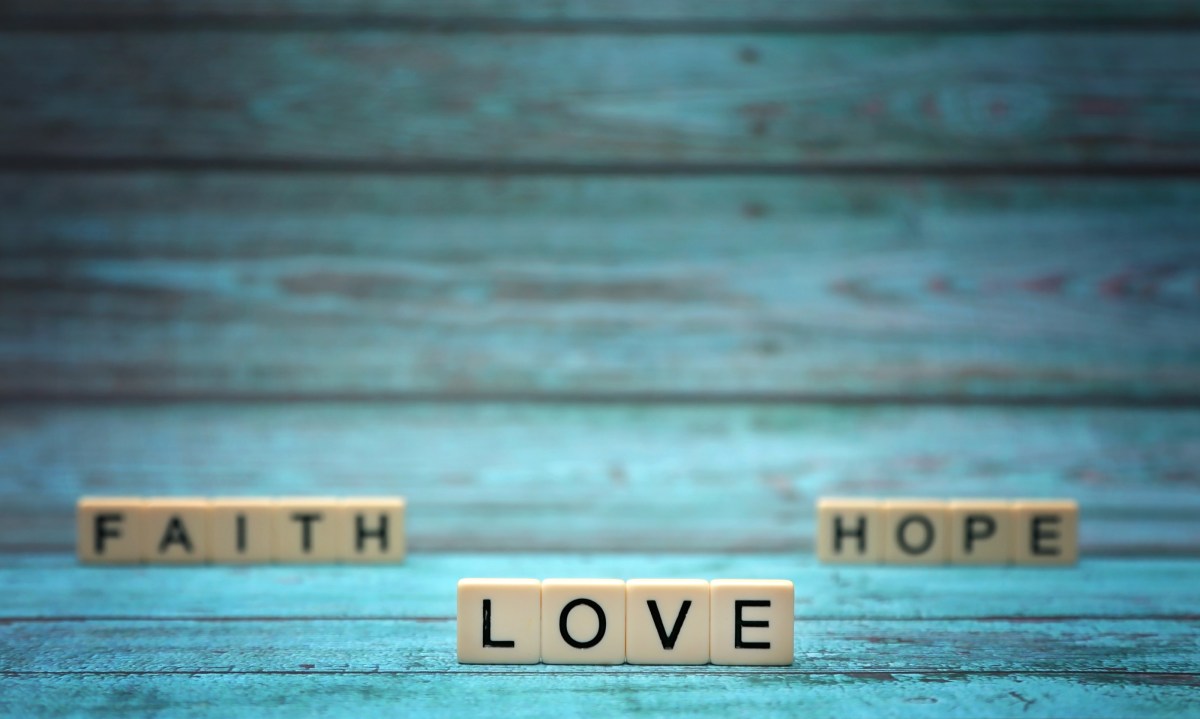
Our sense of ethics, morals, right, and wrong is usually based on what we believe to be true and meaningful, and likely involves faith and support for an organized belief system or religion. Without belief in something, our lives can drift aimlessly and we can fall into restlessness, doubt our purpose, and lose hope for the future.
The saint, Mother Teresa, lived her life committed to the purpose she felt called to do- take care of the poor, sick, and suffering people in India.
Environmental Wellness – how you feel about where you live and work.
Whether it’s your own home, your neighborhood, city, country, or the world, your environment can make you feel safe and protected , or can make you feel uncomfortable and insecure, depending on the quality of the air, water, and physical surroundings.
Where you live often determines your access to basic services and goods necessary for health and wellness, what doctors call the social determinants of health such as
doctor’s and dentist’s offices
hospitals
pharmacies
grocery stores that sell nutritious food
as well as access to schools, church, jobs, entertainment.
Environment may even change our genetic makeup. According to an article shared at Smithsonian.com
“A team of researchers from Northwestern University led by anthropology professor Thom McDade have shown that DNA can also be modified by your environment during childhood. What’s more, the authors conclude in the journal Proceedings of the National Academy of Sciences, those modifications can affect how or when you develop certain illnesses during adulthood.”
Occupational Wellness- finding personal fulfillment from our jobs or our chosen career .
Feeling that we are contributing to the society we live in, whether it’s through employment, voluntary service, or nurturing a family unit can give us a sense of accomplishment and self-worth.
When you realize that we often spend the majority of our waking hours at work, you can see why work has a major impact on our health. In my medical practice, I frequently encounter patients with job problems that impact their health. This includes
physical demands, exposure to dangerous substances, environments, and situations
time demands, shift work, long hours, lack of time off
job insecurity due to uncertain employer stability, unclear job expectations, inadequate training
interpersonal conflicts with supervisors, other employees, clients, customers
These can lead to
physical injuries
fatigue, sleep deprivation
feelings of stress, anxiety, depression
Read about how a bad work environment may be worse than being unemployed in this CNN report.
Intellectual Wellness- opening our minds to new ideas and experiences in order to increase our knowledge and skills
Whether through formal education in a school or through individual learning pursuits , keeping our minds active seems to be a key to remaining fit and active as we age, and may even slow or prevent the onset of dementia, as recommended by the Alzheimer’s Association.
plaque in front of the Bizzell Library, at the University of Oklahoma
“THE SPIRIT OF
LEARNING IS
A LASTING
FRONTIER.”
Physical Wellness- the ability to maintain a healthy quality of life that allows us to get through our daily activities without undue fatigue or physical stress.
These dimensions of health aren’t linear so much as they are circular-one leads to another. Addressing our physical health makes the other 6 easier to accomplish. In this category we would consider
weight management
physical activity
avoiding substances like tobacco, alcohol, illicit drugs






 and likely involves faith and support for an organized belief system or religion. Without belief in something, our lives can drift aimlessly and we can fall into restlessness, doubt our purpose, and lose hope for the future.




 watercress words by Dr Aletha