
Since Valentine’s Day occurs this month, I’ve decided to highlight the heart and heart disorders in my next few posts. I hope you learn something about how your heart works, what can go wrong, and how we can prevent and treat heart disorders.
(Except for the EKG tracing, the graphics in this post are compliments of Pixabay. Thanks to the photographers who donate photos. )
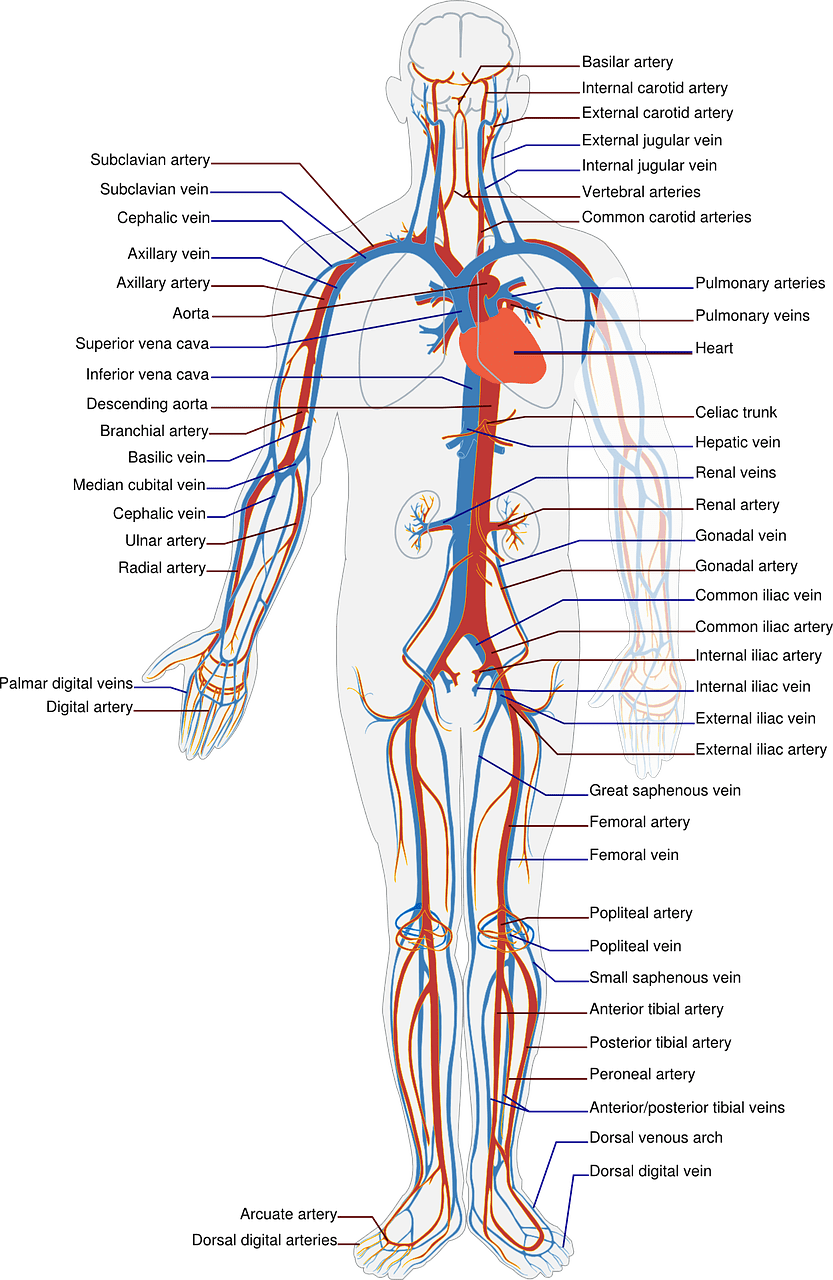
Our brain controls the actions of the body’s other organs, but the heart supplies the power that keeps everything working smoothly, including the brain. Using the intricate “highway” system of arteries and veins, the heart pumps blood carrying oxygen, water, and nutrients to every cell in the body.
The heart is a muscle which works much like the other muscles in your body. Unlike the muscles in your arms and legs, you can’t control the movement of your heart muscle.
Your heart is about the size of your fist. It sits in the chest, behind the breast bone (sternum) and slightly to the left.
This link shows and describes the Anatomy of the Heart
in detail .

With every contraction the Heart pumps blood through the arteries ; each contraction produces the familiar heartbeat. Most adult hearts beat from 60 to 100 times per minute.
The adult heart pumps approximately 5.5 quarts or liters of blood throughout the body, depending on the person’s size and medical condition.
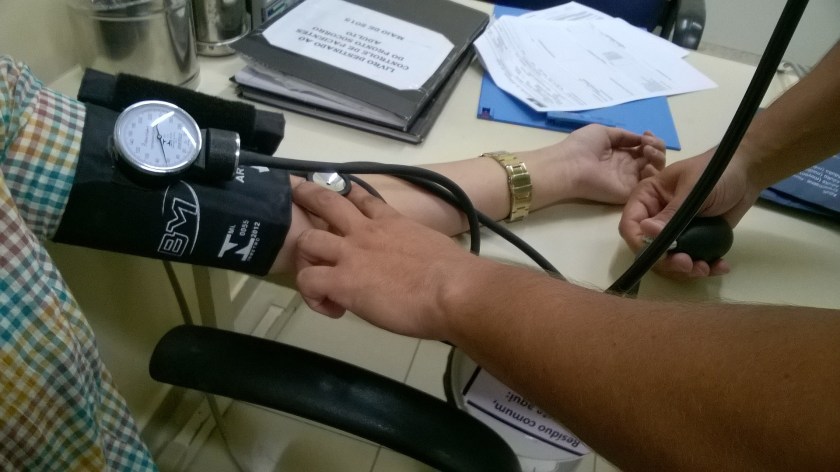
Blood pressure measures the force of the heart’s pumping action. Doctors consider the healthiest blood pressure to be below 130/80. There is no absolute “normal” minimum blood pressure.
At this link you can watch an animation showing
how the heart works
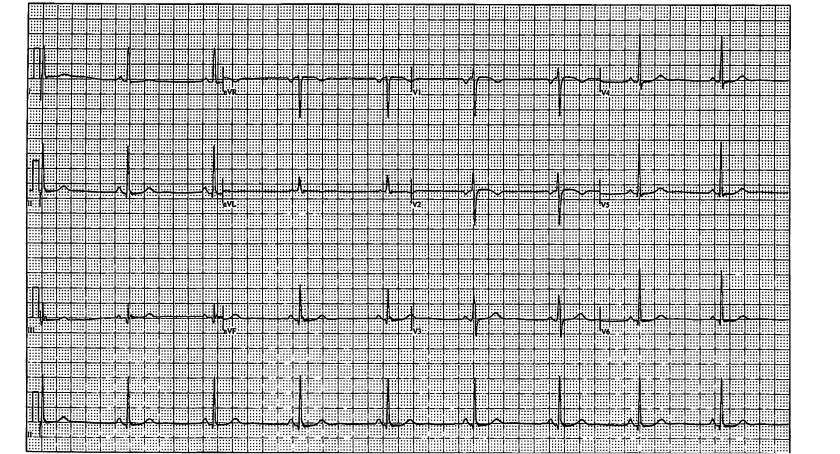
An electrocardiogram, EKG or ECG , records the heart’s electrical activity; the electrical system makes the heart work, similar to the electricity that powers the appliances in your home. (We usually say EKG instead of ECG to avoid confusion with an EEG, an electroencephalogram, which measures the electrical system of the brain.)
This link explains how the heart’s electrical system works.
Explore the heart further at these follow up posts



 watercress words by Dr Aletha