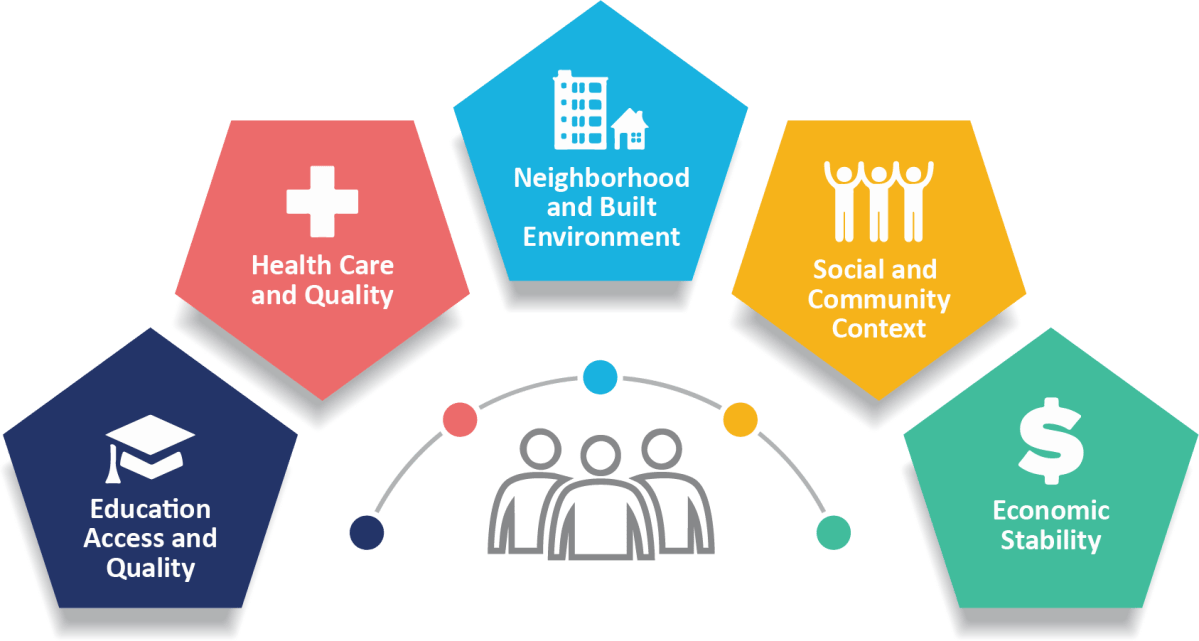
Health, wellbeing, or longevity need not be difficult, expensive, or complicated. The concept of the Seven Dimensions of Wellness highlights the integration of social, emotional, spiritual, environmental, occupational, intellectual, and physical aspects to achieve overall health and wellness.
He proposed health is not just the opposite of un-health, disease, illness, or infirmity- and I agree.
I have seen this proven in the lives of countless patients.
I have treated patients who did not have a diagnosed disease, but yet did not feel or act healthy. Other patients who had a long list of ailments still managed to live active, healthy lives.
“Health is a state of complete physical, mental and social well-being and not merely the absence of disease or infirmity.”
I recently discovered a definition of health that includes those points but goes even further. I found it on a college website but have since learned many institutions use same concept. It’s called
The Seven Dimensions of Wellness
This program considers aspects of life which not only impact physical and mental health but also determine our sense of overall well-being, or the lack of.
Social Wellness- relating to and connecting with other people in our world.
This includes family, friends, co-workers, neighbors, even strangers.
Loneliness is a significant health problem: it contributes to ill health, and even the risk of dying prematurely.
The New York Times health writer Jane Brody reviewed medical studies that show
Emotional Wellness- understanding our feelings and coping with life challenges.
Emotionally well people understand that feeling angry, sad, fearful or stressed will happen, and don’t let those feelings cripple them. They use times of hope, love, joy and happiness to build a reserve for difficult times.
Spiritual Wellness – what brings, peace, harmony, and purpose to our lives.
Our sense of ethics, morals, right, and wrong is usually based on what we believe to be true and meaningful, and likely involves faith and support for an organized belief system or religion.
Without belief in something, our lives can drift aimlessly and we can fall into restlessness, doubt our purpose, and lose hope for the future.
Environmental Wellness – how you feel about where you live and work.
Whether it’s your own home, your neighborhood, city, country, or the world, your environment can make you feel safe and protected, or uncomfortable and insecure, depending on the quality of the air, water, and physical surroundings.
Where you live often determines your access to basic services and goods necessary for health and wellness, including
doctor’s and dentist’s offices
hospitals
pharmacies
grocery stores that sell nutritious food
as well as access to schools, church, jobs, entertainment.
Environment may even change our genetic makeup. According to an article shared at Smithsonian.com
“A team of researchers from Northwestern University led by anthropology professor Thom McDade have shown that DNA can also be modified by your environment during childhood. What’s more, the authors conclude in the journal Proceedings of the National Academy of Sciences, those modifications can affect how or when you develop certain illnesses during adulthood.”
Occupational Wellness- finding personal fulfillment from our jobs or our chosen career.
Feeling that we are contributing to the society we live in, whether it’s through employment, voluntary service, or nurturing a family unit can give us a sense of accomplishment and self-worth.
When you realize we often spend the majority of our waking hours at work, you see why work has a major impact on our health. In my medical practice, I frequently encounter patients with job problems that impact their health. This includes
physical demands, exposure to dangerous substances, environments, and situations
time demands, shift work, long hours, lack of time off
job insecurity due to uncertain employer stability, unclear job expectations, inadequate training
interpersonal conflicts with supervisors, other employees, clients, customers
These can lead to
physical injuries
fatigue, sleep deprivation
feelings of stress, anxiety, depression
Read about how a bad work environment may be worse than being unemployed in this CNN report.
Intellectual Wellness- opening our minds to new ideas and experiences to increase our knowledge and skills
Whether through formal education in a school or through individual learning pursuits, keeping our minds active seems to be a key to remaining fit and active as we age, and may even slow or prevent the onset of dementia.,
“THE SPIRIT OF LEARNING IS A LASTING FRONTIER.”
Physical Wellness- the ability to maintain a healthy quality of life that allows us to get through our daily activities without undue fatigue or physical stress.
These dimensions of health aren’t linear so much as they are circular-one leads to another. Addressing our physical health makes the other 6 easier to accomplish. So consider
weight management
physical activity
avoiding substances like tobacco, alcohol, illicit drugs
This post is part of a series on heart health, covering heart anatomy, diseases, risk factors, symptoms, and ways to maintain heart health. It discusses types of heart disease, risk factors including genetics and lifestyle, symptoms indicating heart problems, and preventative measures such as quitting smoking, managing weight, and controlling stress.
This post is part of my HEART HEALTH series.
In the first post, I introduced you to the HEART, its anatomy, and how it works.
Heart diseases affect any and sometimes multiple parts of the heart- the atria, ventricles, the valves, the aorta, the pulmonary artery and veins, the walls and the coronary arteries (not shown in this diagram. )
In the second post, we looked at ways the HEART can “break”.
7 important forms of HEART DISEASE.
Congenital heart disease
Cardiomyopathy
Coronary artery disease/myocardial infarction ( heart attack)- the most common cause of death in the United States
Congestive heart failure
Sudden cardiac death
Arrhythmia
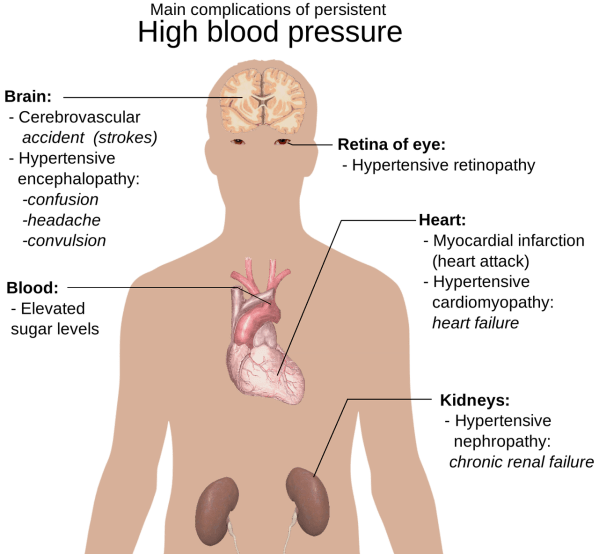
Hypertension
In sudden cardiac death, the heart stops beating abruptly
In this post, we look at protecting our HEARTS from disease, disability, and death.
What increases your risk of developing HEART disease?
There are 7 important risk factors for heart disease
smoking
hypertension
excess body weight
sedentary lifestyle, too little physical activity
high blood fats (cholesterol)
high blood sugar (glucose)
poor nutrition
Other risk factors cannot be changed. These include
gender– unfortunately males are somewhat more at risk, especially at younger ages.
age– our risk increases as our age does.
ethnicity– some ethnic groups have a higher risk. In the United States these are African Americans, Native Americans, Hispanics. These may be due to genetics, and/or social determinants of health.
Family history– This means a close relative, like a parent or sibling, who developed heart disease young, or less than 50 years old.
7 symptoms that may indicate a heart problem
Chest pain– this is probably the most recognized heart disease symptoms, but is not unique to heart disease, nor is it always found in heart disease.
Shortness of breath– especially if it occurs with minimal exertion, or if you find you have less tolerance for exertion.
Palpitations– this means feeling like your heart is beating too fast, too hard, or at irregular intervals.
Fatigue- especially if out of proportion to physical activity, if you tire more easily or quickly, or seem to have less energy than in the past
Unexplained weight gain or swelling in the feet and legs
Dizziness or lightheadedness when standing or walking, especially after exertion.
Syncope, the medical term for fainting or passing out, especially if no other obvious cause (some people know they faint at the sight of blood, or with certain smells; that form of fainting is usually harmless, unless injured from falling)
Eat less junk food,make healthier food choices. Learn easy ways to shop healthier from the American Heart Association
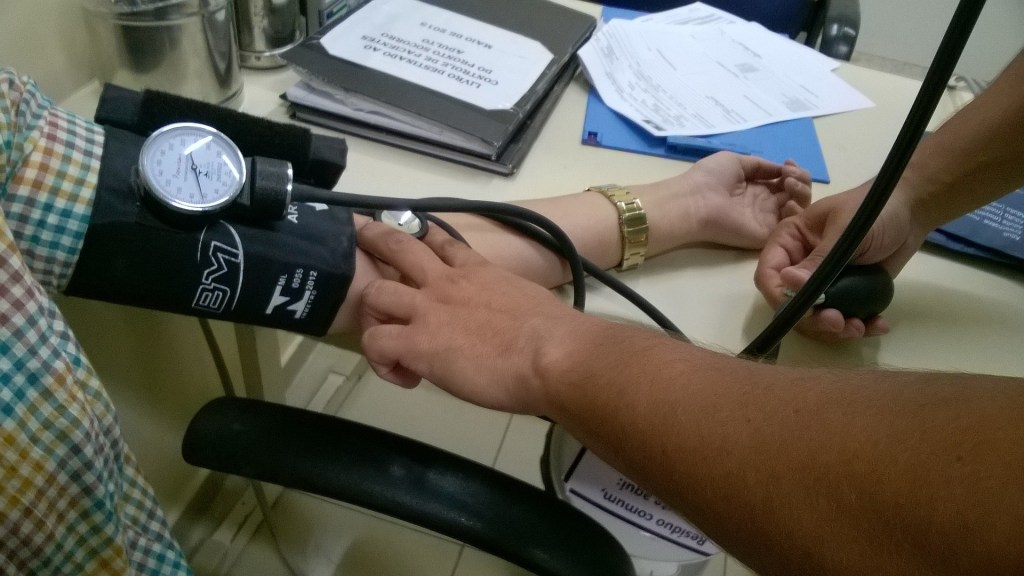
Have your blood pressure checked regularly (ask your doctor how often). If you have hypertension, follow your doctor’s management plan, which may include medication. Learn more from FamilyDoctor.org
Control and manage stress. Medical studies suggest that emotional stress can bring on cardiovascular disease. You can learn more from Dr. James Marroquin’s fascinating post.
a wise saying, in more ways than one thanks to TriciaGoyer.com
Exploring the HEART of Health
Thank you for reading this post. I strive to make them worth your time.
I share information and inspirationkindlingtransformation in your body, mind, and spirit.
You can follow this blog in two easy ways. One is to put your email address into the box below.
Another way is to follow me on Facebook, where I share new posts, timely topics, photos, and an occasional cartoon.