updated April 18, 2025
On April 19, 1995 I was seeing patients in my family practice office in Tulsa Oklahoma when my medical assistant told me a bomb had exploded in Oklahoma City, 90 miles away.
We didn’t have computers or cell phones so I turned on a radio. The words I heard shocked and saddened me.
It was true. A massive bomb had exploded at the Federal building in downtown Oklahoma City, something I thought only happened overseas.
Who would bomb a building in Oklahoma?
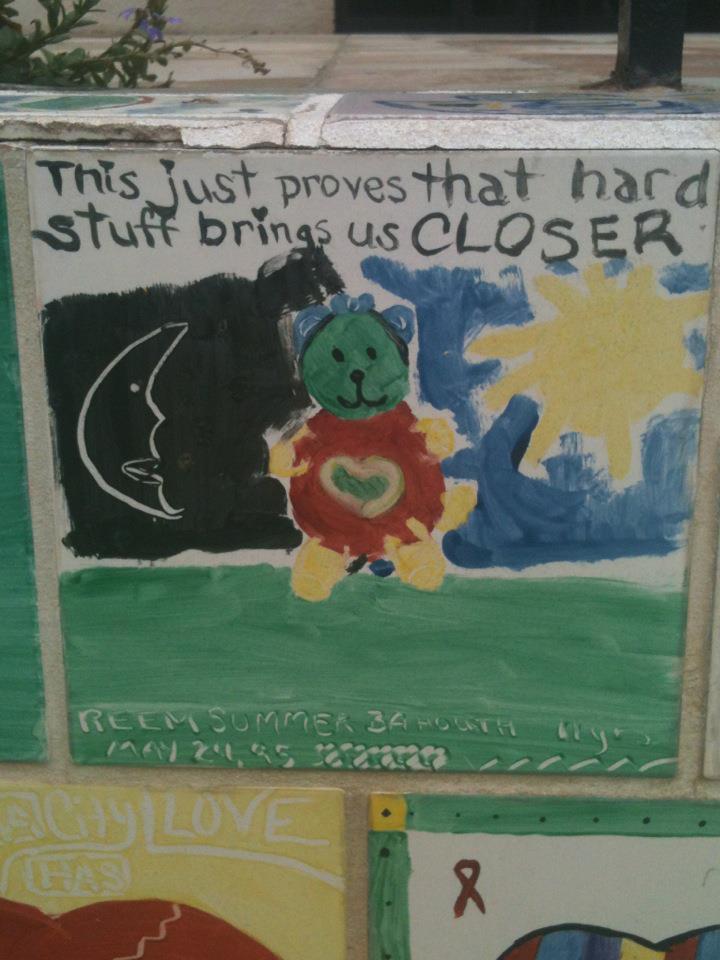
That day in Oklahoma City showed some of the best in our state and our country as people, some with no training, risked their lives to help rescue people who were injured and trapped inside.
Firefighters and police came from all over the United States to help. People donated food and first aid supplies. I was proud to be an Oklahoman then and now, and still grieve for the loss we sustained that day.
Oklahoma City National Memorial and Museum
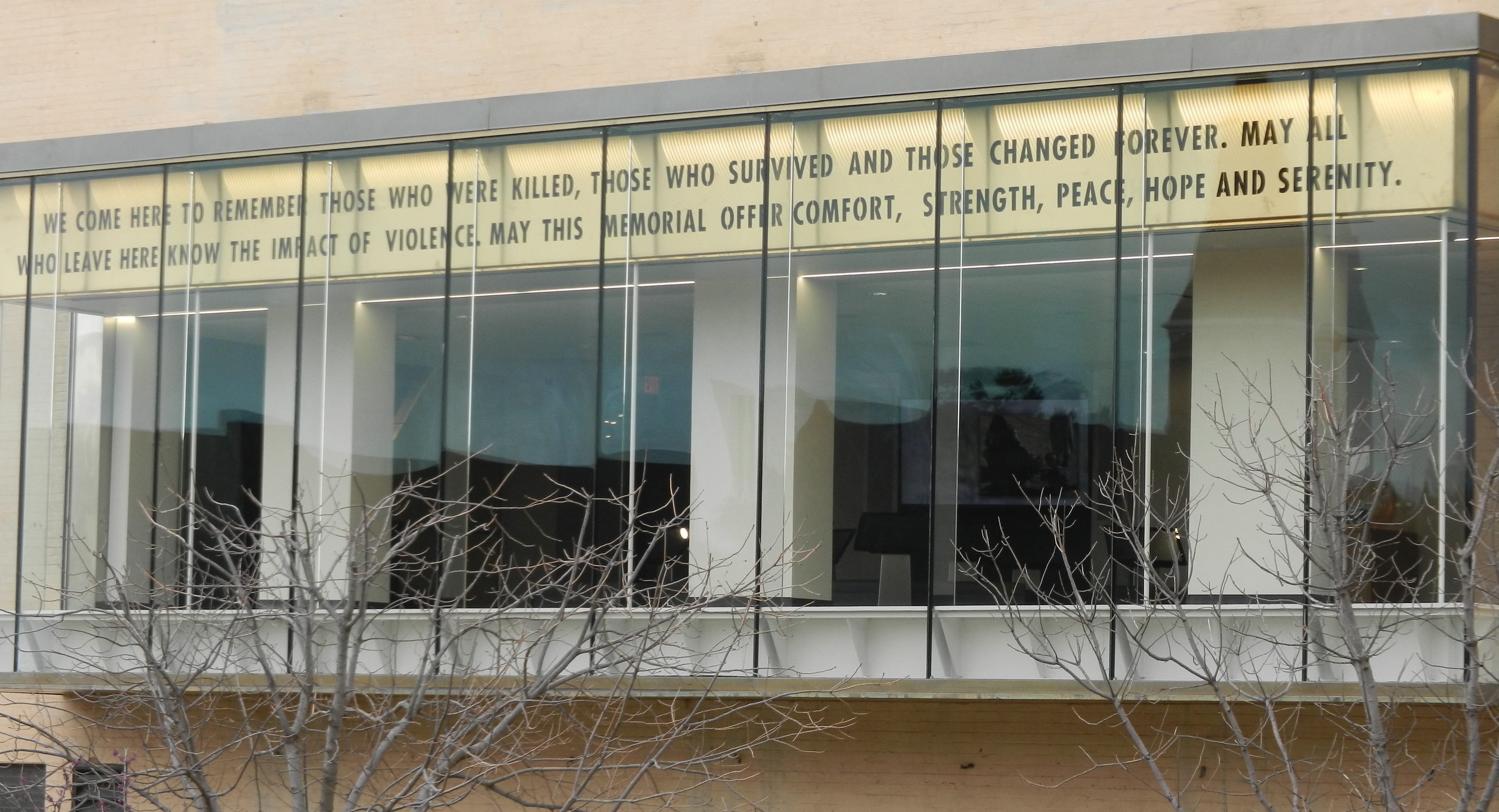
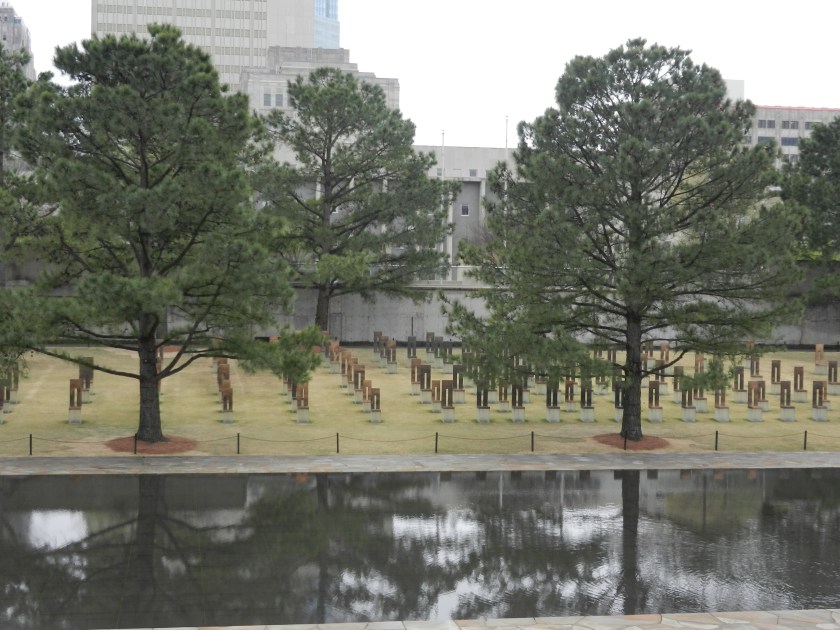
Today a beautiful memorial and museum stands at the site of the rubble where 168 people died-employees, visitors, children. When you visit Oklahoma, don’t miss seeing this moving tribute to their memory. You will never feel the same.
Cover Image
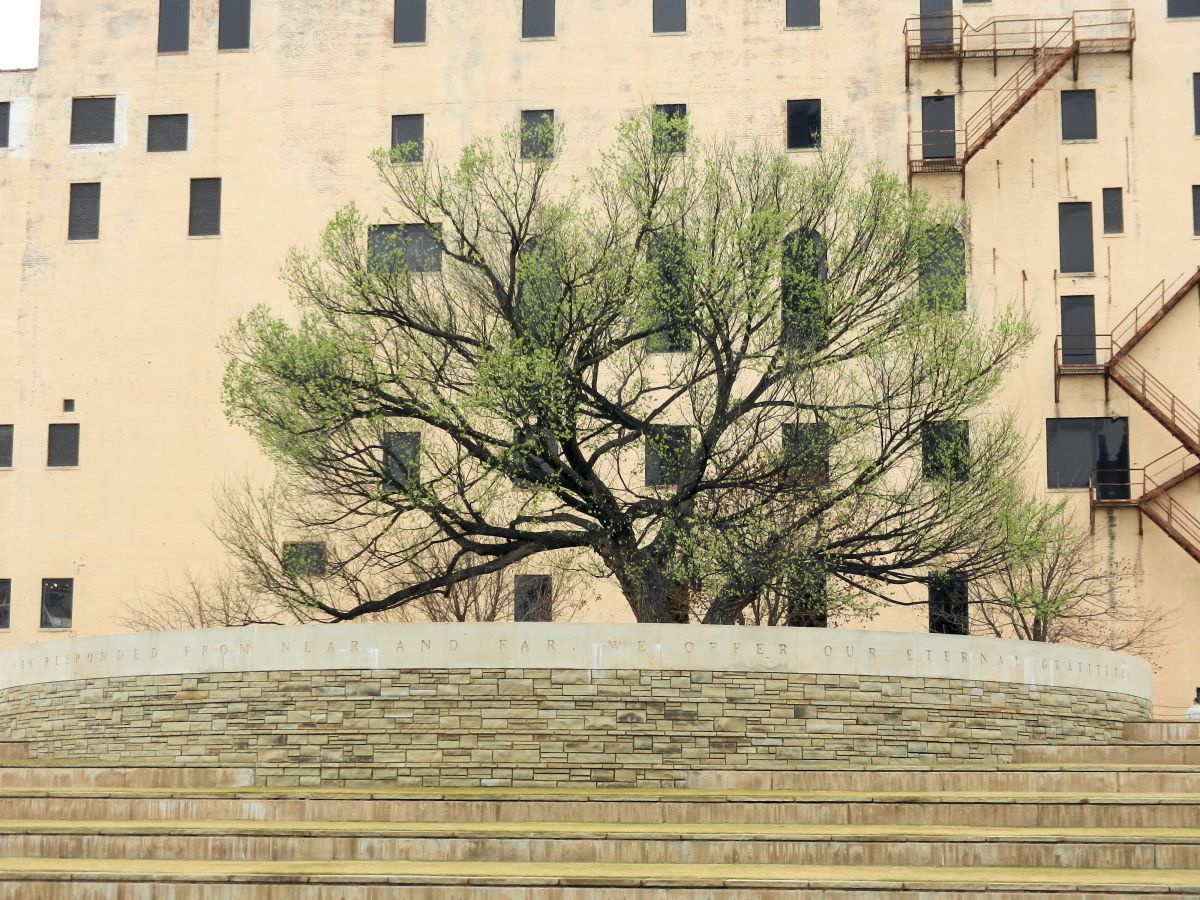
I took the cover image of the Survivor Tree.
“Before the bombing, the tree was important because it provided the only shade in the downtown parking lot. People would arrive early to work just to be able to park under the shade of the tree’s branches.
On April 19, 1995, the tree was almost chopped down in order to recover pieces of evidence that hung from its branches after a 4,000 pound bomb that killed 168 and injured hundreds exploded just yards away.”
Continue reading the tree’s history at this link.
In this post, I wrote more about the event.

Remembering the Oklahoma City bombing April 19, 1995
April 19 is the anniversary of the 1995 bombing of the Alfred P. Murrah Federal Building, in Oklahoma City, Oklahoma, which remains the deadliest domestic “homegrown” terrorist incident in the United States. I lived there in the 1970s while in medical school and residency at the University of Oklahoma Medical Center and visit frequently. These are…
Keep readingsharing the HEART of health
Thank you for remembering the Oklahoma City bombing with me on the 30th anniversary. I took the photos in this post during one of my visits to the site.
I’d love for you to follow this blog. I share information and inspiration to help you transform challenges into opportunities for learning and growth.
Add your name to the subscribe box to be notified of new posts by email. Click the link to read the post and browse other content. It’s that simple. No spam.
I enjoy seeing who is new to Watercress Words. When you subscribe, I will visit your blog or website. Thanks and see you next time.
Dr. Aletha
- About Dr. Aletha
- How to Use this Site
- Make Your Life Easier
- Search by Category
- Share the HEART of health
- my Reader Rewards Club
- RoboForm Password Manager






 watercress words by Dr Aletha