Less red meat + more vegetables = less cancer

The World Health Organization has officially classified red meat and processed meat as carcinogens-that is, likely to cause cancer if eaten regularly and recommends

“reducing consumption of these products (red and processed meats) to reduce the risk of colorectal cancer” .

WHO

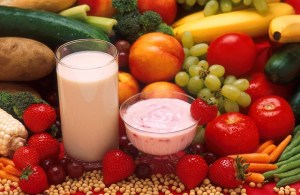
Benefits of eating vegetables

In another post I shared some related information about diet and the risk of colon cancer – what is the risk of cancer in people who do not eat meat, or who eat very little?

cows in a field
American beef is popular

NEJM Journal Watch (New England Journal of Medicine) published this report in 2015.

“Vegetarian Diets Are Associated with Lower Risk for Colorectal Cancer”

In this North American prospective study, researchers identified the eating habits of 78,000 adults  for 7 years,   A prospective study means the people studied are followed or observed over a continuing period of time, usually years.

Participants followed one of five diets:

  1. Vegans: No eggs, dairy, fish, or meat
  2. Lacto-ovo vegetarians: Eggs and dairy, but no fish or meat
  3. Pescovegetarians: Eggs, dairy, and limited fish, but no meat
  4. Semivegetarians: eggs, dairy, and limited fish plus meat (≤1 time per week)
  5. Nonvegetarians: eggs, dairy, and fish plus meat (>1 time per week)
plate of vegetables
a meat free appetizer-hummus, cucumbers, crackers, and pita bread

results of the study

In that 7 years, 490  people developed colon cancer.

After adjusting for certain personal and clinical factors, they reported that all four vegetarian groups had a 22% lower risk of colon cancer than non vegetarians.

Most impressive was a 43% lower risk for the pescovegetarians.

They concluded that any diet in which fruit and vegetable intake is emphasized has health benefits, including lower risk for colon cancer.  And that eating fish in particular may be even more beneficial in regard to colon cancer.

Vegetarian diets are popular for various reasons, some related to health, some related to concern for animals or the environment.

 Besides cancer prevention, diets high in fruits and vegetables help to prevent and control

  • diabetes,
  • heart disease,
  • obesity, and
  • high blood pressure.

.

other resources

What the American Cancer Society says about diet and cancer.

More detail about the World Health Organization’s report on the link between red meat and cancer.

green leafy vegetables
Watercress and other greens are among the most nutritious vegetables.

Learn about Powerhouse Vegetables

sharing the HEART of staying healthy by eating

Dr. Aletha

Heartburn, hernias, and how to lose weight – a Q&A post

Today I am answering a medical question about my recent post on a new option for weight loss without using drugs or invasive surgery.

The ReShape Integrated Dual Balloon System was approved by the U.S. Food and Drug Administration in July 2015.  The device can be  offered to adults with

  • BMI 30-40
  • At least one obesity-related condition- hypertension, diabetes, elevated cholesterol

The device is placed into the stomach by going through the mouth and down the esophagus with a tube called an endoscope. It takes about 30 minutes and requires only a mild sedative, not general anesthesia. Once in the stomach the “balloon” is inflated; by taking up space in the stomach it can trigger a feeling of fullness.

ReShape Dual Balloon
The balloon sitting in the stomach. The esophagus is at the top entering the stomach.

Patients  follow their eating and exercise plan and the device is removed in 6 months.

My reader asked if people with heartburn, reflux or a hiatal hernia can use the device safely and effectively. So first let’s understand what these mean.

Heartburn should probably be called “esophagus burn”. It’s that painful sensation in the chest due to acid from the stomach flowing backwards into the esophagus- that’s called reflux, or gastro-esophageal reflux, aka GERD (the D is added to call it a Disease if it’s frequent, persistent, or severe).

A hiatal hernia is related to GERD but not the same thing. To enter the stomach, the esophagus passes through a hole or hiatus in the diaphragm – the large flat muscle that separates the chest from the abdomen. Sometimes this hole becomes stretched so much that part of the stomach gets pulled up into the chest (where it should not be). This enlargement is called a hernia, in this case a hiatal hernia.

In many cases a hernia is associated with  reflux of stomach contents but the person may not experience heartburn. Or,a person can have reflux  and heartburn without the hernia.

Here is an overview of heartburn from FamilyDoctor.org.

Thanks to Pixabay for this nice illustration of the digestive tract.

digestive organs
the human digestive system

Now to answer the question.

ReShape Medical writes on the web site that the device should not be used if the hiatal hernia is larger than 5 cm, about 2 inches.  Even with a smaller hernia, it should not be used if reflux symptoms are severe and persistent.

Persons with any condition affecting the esophagus, stomach or intestines, or previous surgery in these organs probably should not consider this weight loss method. Unfortunately, since so many people experience gastrointestinal disease, this method’s use will be limited.

But there are other weight loss options so just because this one won’t work, don’t give up trying. Here are some other ideas to consider if you want to lose weight.

breaking up with junk food

using weight loss medication

how motivation helps manage weight

Thanks for asking and please, ask another medical question soon.