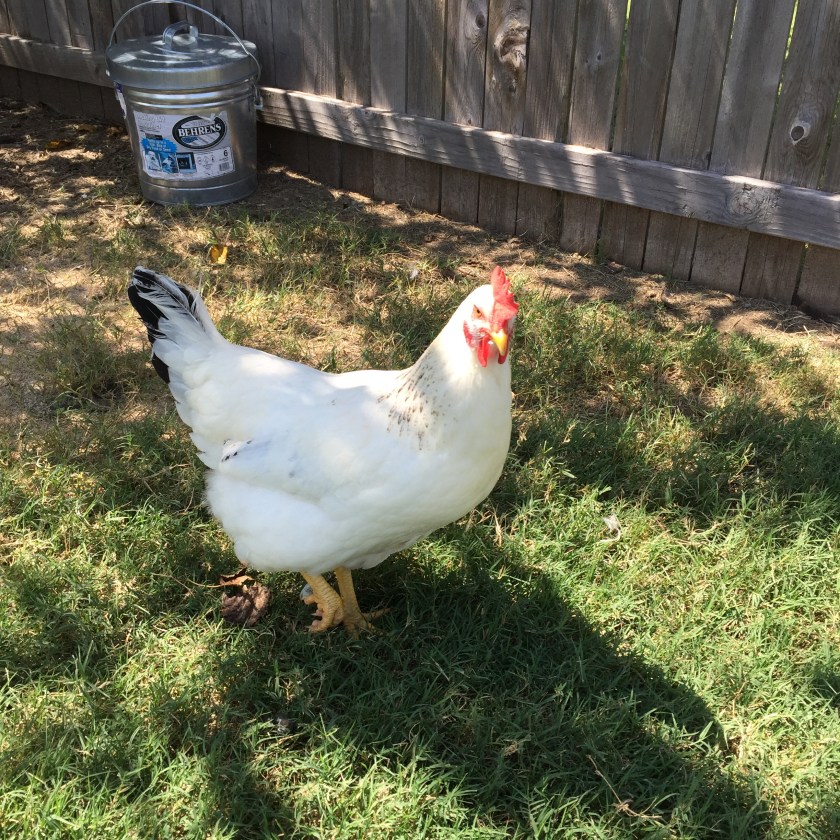
Birds, just like people, can get the flu. Another name for bird flu is avian influenza. The viruses that cause bird flu normally only infect birds, including chickens, other poultry, and wild birds such as ducks.
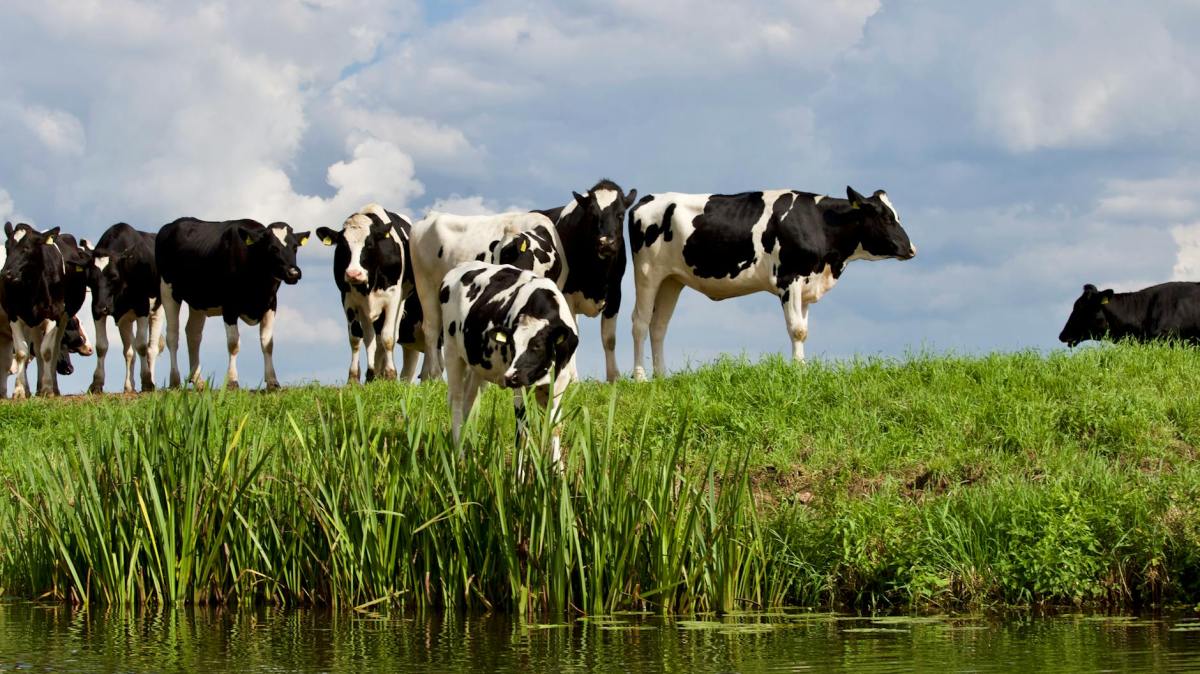
Bird flu can also infect many other animals, including dogs, cats, certain wild and zoo animals, and livestock such as cattle. Although this is rare, these animals can then spread the flu to people.
Here is a previously published report on how the USDA works to keep our milk supply safe.
USDA launches national testing of milk from dairy farms to track bird flu outbreak
by Jennifer Shutt, Oklahoma Voice
December 9, 2024
WASHINGTON — The U.S. Department of Agriculture announced Friday it will require dairy farms to share samples of unpasteurized milk when requested, to gather more information about the spread of highly pathogenic avian influenza.
Public health officials have tracked the spread of bird flu or H5N1 in domestic poultry flocks for years before the virus began showing up in the country’s dairy herds this March, raising concerns.
While the risk to the general public remains low and there is no evidence to suggest bird flu can spread from person to person, nearly 60 people, mostly farmworkers, have contracted the virus this year.
The new milk testing requirements from USDA will apply nationally but will begin in California, Colorado, Michigan, Mississippi, Oregon, and Pennsylvania, the week of Dec. 16.
“Among many outcomes, this will give farmers and farmworkers better confidence in the safety of their animals and ability to protect themselves, and it will put us on a path to quickly controlling and stopping the virus’ spread nationwide,”
Agriculture Secretary Tom Vilsack said in a written statement.
Unpasteurized milk
The U.S. Food and Drug Administration has repeatedly tested pasteurized milk on store shelves throughout the country to reaffirm it’s safe to drink. Other dairy products, like cheese and ice cream, have also been found safe.
But the FDA continues to urge people against consuming unpasteurized milk, since it doesn’t go through the heating process that kills off viruses and bacteria.
Health and Human Services Secretary Xavier Becerra said in a written statement the new milk “testing strategy is a critical part of our ongoing efforts to protect the health and safety of individuals and communities nationwide.”
“We continue to work closely with USDA and all stakeholders on continued testing for H5N1 in retail milk and dairy samples from across the country to ensure the safety of the commercial pasteurized milk supply,” Becerra said. “We will continue this work with USDA for as long and as far as necessary.”
“Our primary responsibility at HHS is to protect public health and the safety of the food supply,
Health and Human Services Secretary Xavier Becerra

The USDA began a voluntary bulk tank testing program for milk this summer in an attempt to make it easier for farmers to move their cattle across state lines without having to test each cow. The department also began a year-long study in August to test for bird flu in dairy cattle moved into meat production, seeking to confirm prior studies that found it safe to eat.
The bird flu outbreak has affected 720 dairy herds throughout 15 states so far this year, though California became the epicenter during the last month, according to data from the USDA.
The Golden State holds nearly all of the 273 herds diagnosed, with just four found in Utah during the last 30 days.
California also holds the bulk of bird flu infections in people, with 32 of the 58 diagnosed cases this year, according to information from the Centers for Disease Control and Prevention.
Colorado accounts for another 10 human cases and Washington state confirmed 11 people infected with H5N1. Michigan has had two cases this year, while Missouri, Oregon and Texas have each had one positive human case.
USDA order
The USDA federal order announced Friday will require anyone responsible for a dairy farm — such as a bulk milk transporter, bulk milk transfer station, or dairy processing facility — to share unpasteurized or raw milk samples when requested.
Any farm owners whose dairy herds test positive for H5N1 will be required to share epidemiological information that would allow public health officials to perform contact tracing and other types of disease surveillance.
Additionally, private laboratories and state veterinarians must alert USDA to positive samples collected as part of this National Milk Testing Strategy.
Last updated 2:36 p.m., Dec. 6, 2024
My thanks to Oklahoma Voice for permission to republish this story.
Oklahoma Voice is part of States Newsroom, a nonprofit news network supported by grants and a coalition of donors as a 501c(3) public charity. Oklahoma Voice maintains editorial independence.
Contact Editor Janelle Stecklein for questions: info@oklahomavoice.com. Follow Oklahoma Voice on Facebook and X.
This story is republished under Creative Commons license CC BY-NC-ND 4.0.
Exploring the HEART of Health
Thank you for reading this post. Please follow this blog and me on social media.
I share information and inspiration to help you transform challenges into opportunities for learning and growth.
Add your name to the subscribe box to be notified of new posts by email. Click the link to read the post and browse other content. It’s that simple. No spam.
I enjoy seeing who is new to Watercress Words. When you subscribe, I will visit your blog or website. Thanks and see you next time.
- About Dr. Aletha
- How to Use this Site
- Make Your Life Easier
- Search by Category
- Share the HEART of health
- my Reader Rewards Club
- RoboForm Password Manager