
Less red meat + more vegetables = less cancer

The World Health Organization has officially classified red meat and processed meat as carcinogens-that is, likely to cause cancer if eaten regularly and recommends

“reducing consumption of these products (red and processed meats) to reduce the risk of colorectal cancer” .

WHO

Benefits of eating vegetables

In another post I shared some related information about diet and the risk of colon cancer – what is the risk of cancer in people who do not eat meat, or who eat very little?

cows in a field
American beef is popular

NEJM Journal Watch (New England Journal of Medicine) published this report in 2015.

“Vegetarian Diets Are Associated with Lower Risk for Colorectal Cancer”

In this North American prospective study, researchers identified the eating habits of 78,000 adults  for 7 years,   A prospective study means the people studied are followed or observed over a continuing period of time, usually years.

Participants followed one of five diets:

  1. Vegans: No eggs, dairy, fish, or meat
  2. Lacto-ovo vegetarians: Eggs and dairy, but no fish or meat
  3. Pescovegetarians: Eggs, dairy, and limited fish, but no meat
  4. Semivegetarians: eggs, dairy, and limited fish plus meat (≤1 time per week)
  5. Nonvegetarians: eggs, dairy, and fish plus meat (>1 time per week)

plate of vegetables
a meat free appetizer-hummus, cucumbers, crackers, and pita bread

results of the study

In that 7 years, 490  people developed colon cancer.

After adjusting for certain personal and clinical factors, they reported that all four vegetarian groups had a 22% lower risk of colon cancer than non vegetarians.

Most impressive was a 43% lower risk for the pescovegetarians.

They concluded that any diet in which fruit and vegetable intake is emphasized has health benefits, including lower risk for colon cancer.  And that eating fish in particular may be even more beneficial in regard to colon cancer.

Vegetarian diets are popular for various reasons, some related to health, some related to concern for animals or the environment.

 Besides cancer prevention, diets high in fruits and vegetables help to prevent and control

  • diabetes,
  • heart disease,
  • obesity, and
  • high blood pressure.

.

other resources

What the American Cancer Society says about diet and cancer.

More detail about the World Health Organization’s report on the link between red meat and cancer.
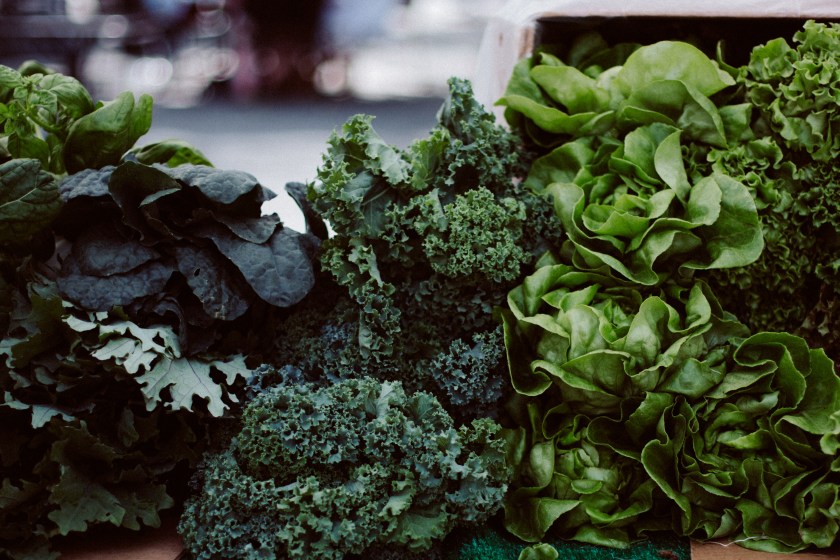
green leafy vegetables
Watercress and other greens are among the most nutritious vegetables.

Learn about Powerhouse Vegetables

sharing the HEART of staying healthy by eating

Dr. Aletha

When should a woman have a mammogram?

You may have heard that the American Cancer Society (ACS) has published new guidelines on breast cancer screening. The last guidelines are 12 years old so it is time for an update based on current understanding of the value versus the risk of breast cancer screening.

According to the report published in JAMA, screening mammograms can reduce deaths from breast cancer. Breast exams done routinely do not decrease mortality.

These guidelines apply only to women at average risk of breast cancer, which is most women.

They are not used for high risk women- women with 

  • a history of previous breast cancer
  • a suspected or confirmed genetic mutation known to increase breast cancer risk
  • a history of radiation to the chest
  • a close family history of breast history, usually meaning parent, sibling, grandparent, aunt/uncle, or cousin.

Screening guidelines also do not apply to women with breast symptoms suggestive of cancer.These women need appropriate diagnostic testing which might include mammography, ultrasound, MRI, and/or biopsy. 

woman having a mammogram
photo from Medline, National Library of Medicine

In summary, here are the new guidelines from the ACS-

  • Offer annual screening to women age 40 to 44 years.
  • Perform a mammogram annually in women 45 to 54 years.
  • Perform a mammogram annually or every other year starting at age 55 years.
  • Continue screen mammography as long as a woman’s overall health is good, with a life expectancy of 10 years or longer.
  • Routine breast exams by either the patient  or a physician are not recommended.

These are guidelines for physicians to apply to each individual patient, not hard and fast rules. Some physicians may choose to follow the guidelines of the U.S. Preventive Services Task Force (USPSTF)  

  • For ages 40-49 years, individualize the decision to screen every 2 years
  • For ages 50-74 years, screen every 2 years
  • For ages 75 years and older there is no recommendation.

Both organizations recommend that physicians discuss the decision to screen or not to screen with patients and base the decision after considering possible harms versus potential benefit.

And while breast cancer is the second leading cause of cancer death among women in the United States, it is treatable and the chance of long term survival is high.

Here are sources for more information

Breast Cancer

Mammography 

Screening Guidelines

Breast cancer screening benefits and harms