Do you feel as angry as I do when you hear yet another news story about adults, usually men, who sexually abuse children and adolescents? Almost every newscast on television reports a new incident, if not nationally, but here in my own community. And I don’t live in a high crime area.
Do you feel as angry as I do when you hear yet another news story about adults, usually men, who sexually abuse children and adolescents? Almost every newscast on television reports a new incident, if not nationally, but here in my own community. And I don’t live in a high crime area.
Even assuming that some,maybe many of the perpetrators are mentally ill, the numbers seem staggering. I wonder, how can our society do better? How can we adults protect vulnerable children?
Thankfully, smart people are working on solutions but in the meantime all of us who have children, grandchildren or other children in our care must do whatever we can to be the first line of defense.
One mother’s story
This article by Stacy Harrison ,who blogs at Revisions of Grandeur ,caught my attention. She recounts a time when her child might have become an abuse statistic but didn’t due to her vigilance as a mother. She thwarted a potential attack upon her son by
trusting her instincts
talking to her child
disregarding stereotypes and
being aware of where she was vulnerable
I encourage you to read her post and consider her suggestions for keeping our children safe.
“Sexual abuse can happen to children of any race, socioeconomic group, religion or culture. There is no foolproof way to protect children from sexual abuse, but there are steps you can take to reduce this risk. If something happens to your child, remember that the perpetrator is to blame—not you and especially not the child.”
At this link from RAINN, you’ll find some precautions you can take to help protect the children in your life.
“Stop It Now! has developed a warning signs tip sheet to help identify possible warning signs. Any one sign does not mean that a child was sexually abused, but the presence of several suggests that you begin asking questions and consider seeking help.”
Here is expert advice from the U.S. Department of Justice about
An eye doctor, either an optometrist or ophthalmologist, can detect early signs of eye disease, even before you notice a problem.
When you think about preventing illness, do you focus on the worst diseases, those that threaten life- cancer, heart attacks, stroke, violence. But non-fatal conditions can also “threaten life”, putting the quality of our lives in danger.
Vision impairment may contribute to severe and significant loss of function and well being.
If you include people whose vision problems can be corrected with glasses or contacts, it may be the most common disability in the world. But even excluding those people, vision loss still affects millions of people in the world.
285 million people are estimated to be visually impaired worldwide
39 million people are blind and 246 million have low vision.
About 90% of the world’s visually impaired live in low-income settings.
82% of people living with blindness are aged 50 and above.
Globally, uncorrected refractive errors are the main cause of moderate and severe visual impairment.
Cataracts cause most blindness in middle- and low-income countries.
The number of people visually impaired from infectious diseases has decreased in the last 20 years .
80% of all visual impairment can be prevented or cured.
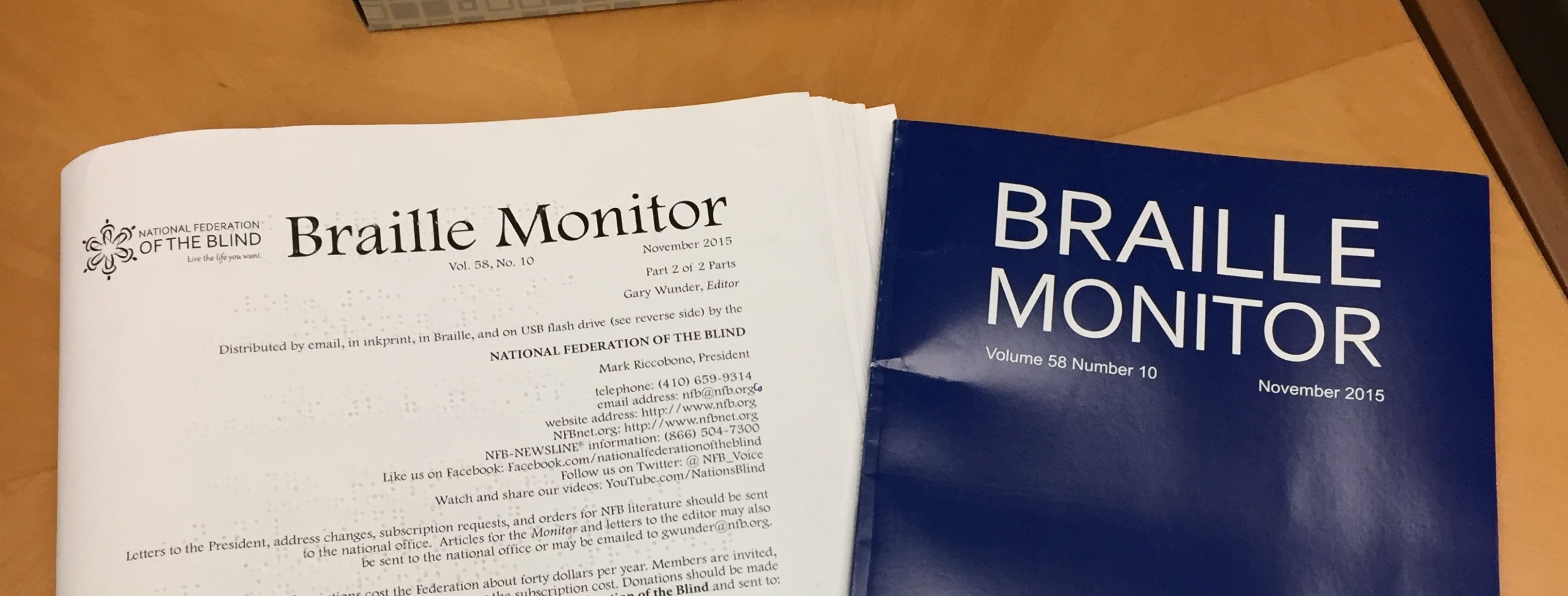
Braille system: A system of raised-dot writing devised by Louis Braille (1809-1852) for the blind in which each letter is represented as a raised pattern that can be read by touching with the fingers.
The four most common refractive errors are:
A refractive error is a common eye disorder. It occurs when the eye cannot clearly focus the images from the outside world, causing blurred vision.
myopia (nearsightedness): difficulty in seeing distant objects clearly;
hyperopia (farsightedness): difficulty in seeing close objects clearly;
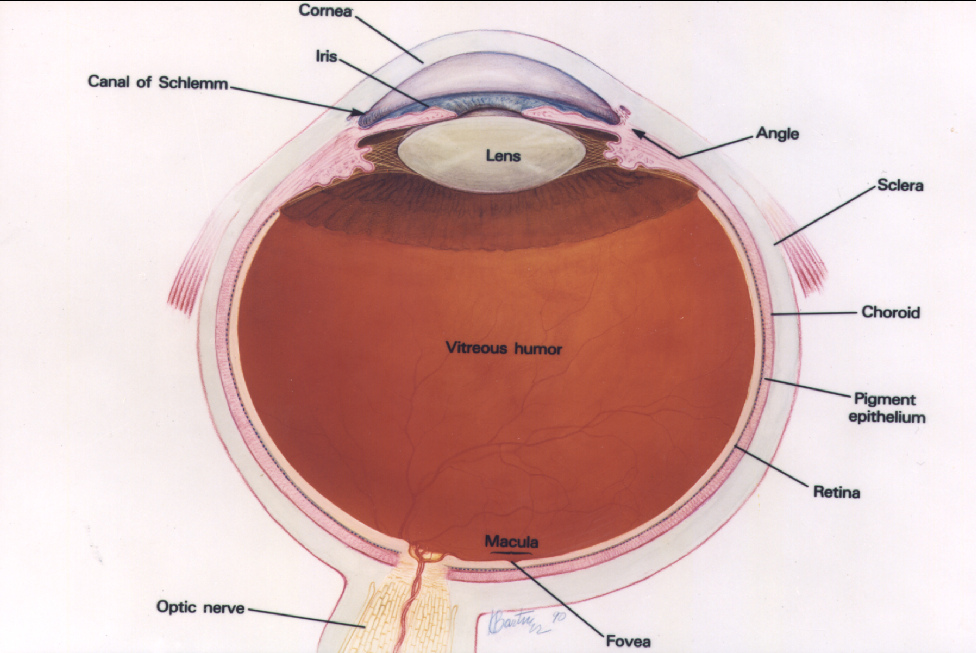
astigmatism: distorted vision resulting from an irregularly curved cornea, the clear covering of the eyeball.
presbyopia: which leads to difficulty in reading or seeing at arm’s length, it is linked to ageing and occurs almost universally.
Refractive errors are commonly corrected with glasses or contact lenses, or refractive surgery.
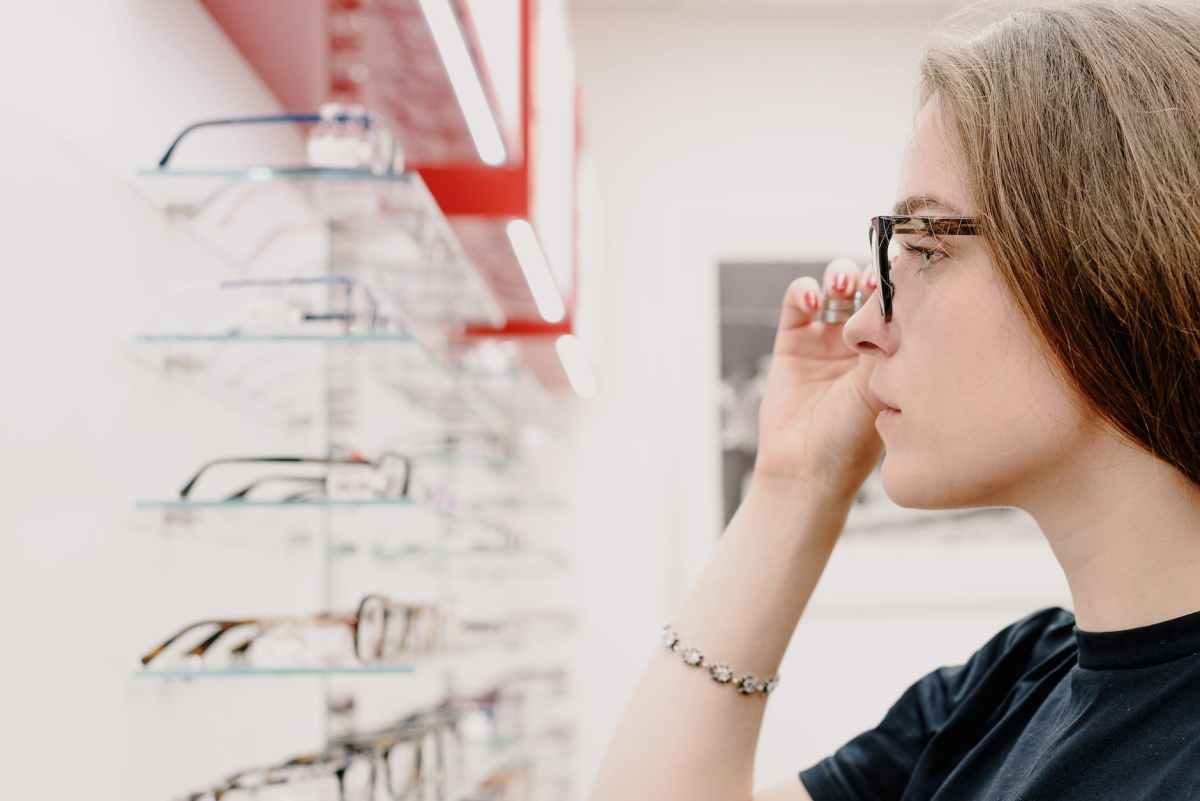
Glasses or contact lenses for myopia, hyperopia and astigmatism need to be made with a prescription based on the results of an eye exam by a professional.
Glasses for presbyopia, commonly called reading glasses, can be purchased online or in many retail stores and get be fitted by trying on different strengths until you find one that works the best. Most people use them for close work like reading, sewing, crafts, drawing, and games.
I use contacts to correct my vision impairments-myopia, astigmatism, and presbyopia. One eye is corrected for distance and the other corrected for near . I can read, drive, watch television, dance, take care of my home and work without difficulty.
My husband fights to protect his vision. He had severe myopia which was partially corrected with surgery. He subsequently developed early onset macular degeneration, a condition which destroys the retina of the eye causing loss of central vision.
Progression of the degeneration is slowed with regular injections of a drug originally developed to treat cancers. (If a shot into the eye sounds painful, it is.) He has had removal of cataracts. So far he is able to function visually, but he appreciates his sight and does whatever he can to preserve it.
Globally, the causes of blindness are
cataract (47.9%) the leading cause of visual impairment in all areas of the world, except for developed countries.
glaucoma (12.3%),
age-related macular degeneration (AMD) (8.7%),
corneal opacities (5.1%),
diabetic retinopathy (4.8%),
childhood blindness (3.9%),
trachoma (3.6%)
onchocerciasis (0.8%).
In many developing areas of the world, public health measures aim to eliminate the source of the infections that cause trachoma and onchocerciasis, and save the sight of millions of people.
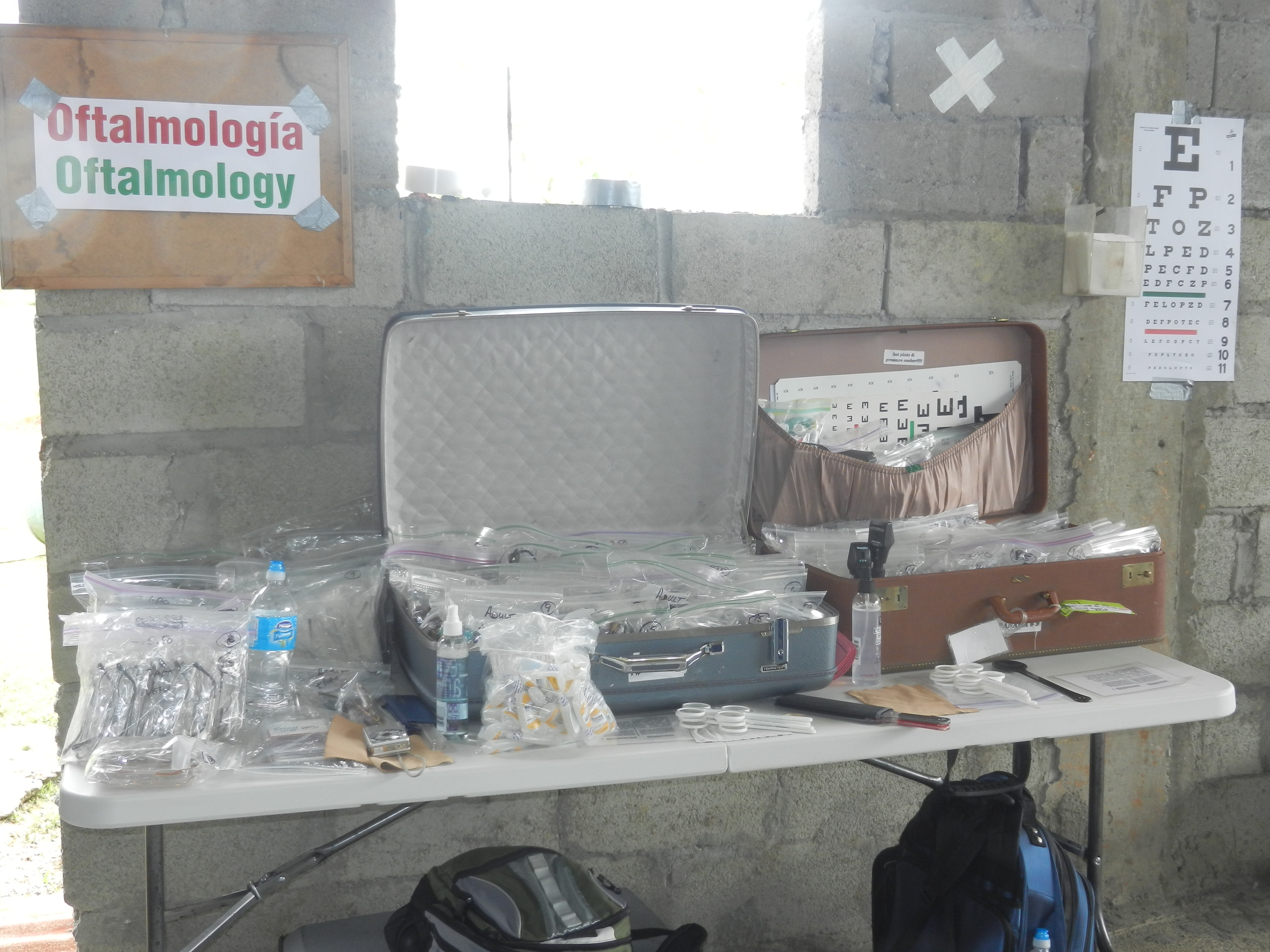
Eye doctors on a volunteer medical team used these supplies to do eye exams in a remote area.
You can protect and save your sight with these steps-
(The following sections contain several affiliate links; using these links costs you nothing extra and helps support this blog. thank you. )
An eye doctor, either an optometrist or ophthalmologist, can detect early signs of eye disease, even before you notice a problem. Go here for an explanation of what each of these professionals do .
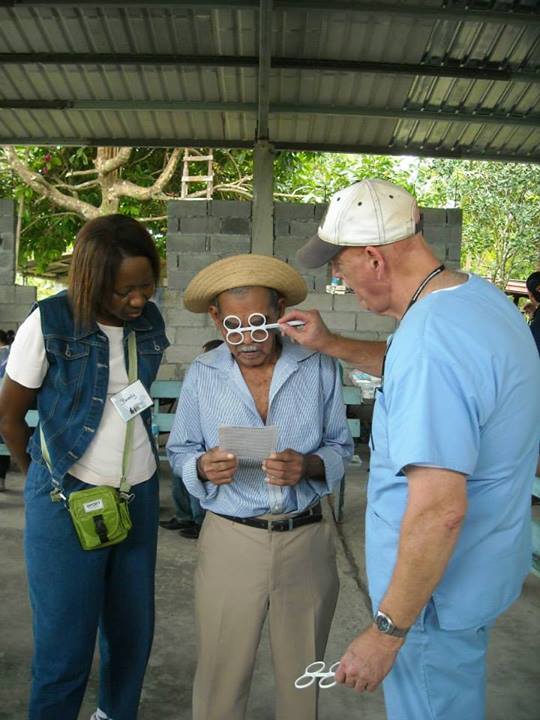
A patient reading a chart to determine the appropriate strength for reading glasses. A missions team distributed glasses at no charge in this Central American country.
Smoking constricts the blood vessels supplying the eye with oxygen rich blood, thereby suffocating the tissue. This contributes to cataracts and macular degeneration.
Macular degeneration has been associated with low intake of vitamins A, C, and E, omega 3 fatty acids, lutein and zinc. The best source for this is food. For people who already have macular degeneration or who are at high risk, eye doctors may recommend a vitamin supplement which provides these nutrients.
Diabetes contributes to blindness by damaging the retina. Good control of blood sugar helps to prevent or slow this, as well as regular monitoring and laser treatment when needed.
Vision loss is one of the most common complications from diabetes and one that can be prevented or minimized. If you have diabetes, take it seriously and work with your doctor to manage it well.
You may have diabetes and not know it. Certain symptoms may indicate diabetes; read about them here.
If you have not been tested for diabetes, ask your doctor if you should. It’s a simple blood test called Hemoglobin A1c
Other chronic conditions associated with vision loss are heart disease and stroke, hypertension, high cholesterol, sickle cell disease, and multiple sclerosis.
In addition to wearing sunglasses when outdoors, appropriate protective lenses should be worn during sports. People who work at jobs involving power tools or chemicals need protective goggles in case of splashes or flying bits of material. Children, adolescents and young adults are most likely to lose vision from traumatic injuries.
I know how tempting it can be to cut corners when cleaning, storing, discarding and wearing contacts. But when used incorrectly, contacts can cause more problems than they solve. Contact lens wear can cause trauma, infections and dryness that can damage the cornea. Don’t risk turning correctable vision problems into long term harm. Get the details on caring for contacts here and use only products recommended by your eye professional.
Helen Keller
lost her sight but gained a mission
The Story of My Life is an autobiography of Helen Keller, a woman who was both blind and deaf since infancy. Her remarkable story was told in a movie, the
The Miracle Worker was a movie about Keller for which Anne Bancroft and Patty Duke as Helen won Oscars for Best Actress and Best Supporting Actress
Keller is remembered for her advocacy for persons with blindness and other physical disabilities. But her social and political advocacy may not be so well known, it wasn’t to me. In politics, she could be considered an early progressive, having joined the Socialist Party of America. She was a founding member of the American Civil Liberties Union.
What did you learn from this post? If you haven’t had an eye exam in the past 1-2 years, consider making an appointment soon. No matter how young or old you are it’s not too early or too late to start protecting your sight.
Please use the highlighted links to get more information about any of the topics I mentioned.
I invite you to follow this blog by leaving your email so I can notify you when I post something new. In the meantime, please look at other posts her now
Thank you for viewing and using the affiliate link and advertisements that fund this blog; with your help, we can grow, reach more people, and support worthy causes that bring health and wholeness to people around the world, including saving someone’s sight.
please help support this blog; consider starting with the cost of a beverage
$5.00
$25.00
$50.00
Or whatever works for you
$
I welcome and appreciate your support, it helps fund this blog and share the HEART of health all over the world.
Excess funds are donated to health related charities. Dr. Aletha