Working Stiff: Two Years, 262 Bodies,
and The Making of a Medical Examiner,
by Judy Melinek, M.D.and T.J. Mitchell
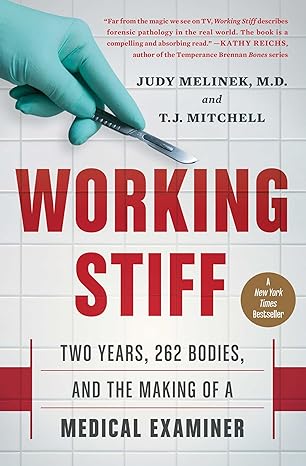
Judy Melinek, M.D., wrote this account of her training as a forensic pathologist, a physician specialist who investigates sudden, unexpected or violent deaths. Her husband, T.J. Mitchell co-authored.
When she applied for a position in New York City at the NYC Office of the Chief Medical Examiner (OCME), Dr. Judy Melinek never imagined that decision would plunge her into the nightmare of September 11, 2001. She was at the ME office that day when the Twin Towers were attacked and fell, killing thousands of people.
A Medical Examiner
The main job of a medical examiner is to investigate death by examining a corpse- an autopsy. They look for evidence of cause of death- disease or trauma, and time of death, recent or remote. They hunt for signs that the death was self or other inflicted. Sometimes they may even need to establish the identity of the corpse.
September 11, 2001-Duty Calls
Such was the case after September 11, 2001. She and the other staff collaborated with the team of investigators who worked night and day identifying remains of the victims, a task she vividly describes in the book.
This was basically their only job, since the cause of death was for the most part irrelevant, and impossible to determine. Sometimes they had only a small body part, as little as a finger, to extract DNA to identity a victim. Such identification was critical to bring closure to the families who lost loved ones, people who left for work that day, and never came home.
Dr. Melinek describes not only the science of what she was doing, but also the emotion behind it; how she and the other medical examiners and staff felt about their work. She shares how it affected her relationship with her husband and young son, the problem of explaining to him what she was seeing and experiencing on a daily basis. She didn’t have the heart to tell him how many trailers full of partial bodies there were, after he saw just one and was shocked.
She also discusses other cases she worked on. As a forensic pathologist, Dr. Melinek understands why and how people die, and therefore also knows how people can avoid dying unexpectedly. Pathologists tend to be blunt, straightforward and to the point, as when she writes,
“So don’t jaywalk.
Wear your seat belt when you drive.
Better yet, stay out of your car and get some exercise.
Watch your weight.
If you’re a smoker, stop right now. If your aren’t, don’t start.
Guns put holes in people. Drugs are bad.
You know that yellow line on the subway platform? It’s there for a reason.
Staying alive, as it turns out, is mostly common sense.”
262 Bodies
Working Stiff moves at a quick pace, in a conversational style. When she uses medical jargon, she explains it in simple terms. She describes the cases she investigated in detail so those with weak stomachs (no pun) may want to skip this read.
Having experienced her father’s unexpected death when she was 13 years old, she was no stranger to it, and she learned more from the 262 autopsies she did during her training. As she says in this engaging memoir,
“To confront death every day, to see it for yourself, you have to love the living.”
She candidly discusses her father’s death on her blog-
My Father Killed Himself — Advice from a Physician and Suicide Survivor.
Links to other literature about the medical consequences of the terrorist attacks of 9/11/2001
City of Dust: Illness, Arrogance, and 9/11
by Anthony DePalma
“In City of Dust, Anthony DePalma offers the first full accounting of one of the gravest environmental catastrophes in United States history. The destruction on 9/11 of two of the world’s largest buildings unleashed a vortex of dust and ash that blotted out the sun and has distorted science, medicine and public policy ever since.
The likely dangers of 9/11’s massive dust cloud were evident from the beginning, yet thousands chose not to see. Why?
As the sickening results of exposure became evident, many still refused to recognize them. Why?
The consequences are still being tallied in the wasted bodies and disrupted lives of thousands who gave their all when the need was greatest, but whose demands for justice have been consumed by years of politics and courtroom maneuvers. Why?
Separating reality from myth – and doing so with exceptional literary style and grace. DePalma covered Ground Zero for The New York Times for four years. DePalma introduces heroic firefighters, dedicated doctors and scientists, obsessive city officials, partisan politicians, aggressive lawyers, and compassionate judges and reveals the individual decisions that destroyed public trust, and the desperate attempts made to rebuild it.
The dust that was the World Trade Center has changed everything it touched. This is the story of that dust, the 9/11 disaster after the disaster, and what it tells us about ourselves and our future.”
(Amazon review)
Project Rebirth: Survival and the Strength of the Human Spirit from 9/11 Survivors
by Dr. Robin Stern and Courtney E. Martin
“Written in conjunction with the documentary Rebirth, a full decade in the making, an uplifting look at the lives of nine individuals whose lives were forever changed by the largest tragedy our nation has ever faced.
In Project Rebirth, a psychologist and a journalist examine the lives of nine people who were directly affected by the events of September 11, 2001. Written concurrently with the filming of a forthcoming documentary, it is uniquely positioned to tackle the questions raised about how people react in the face of crippling grief, how you maintain hope for a future when your life as you knew it is destroyed, and the amazing ability of humans to focus on the positive aspects of day-to-day living in the face of tragedy.”
(Amazon review)
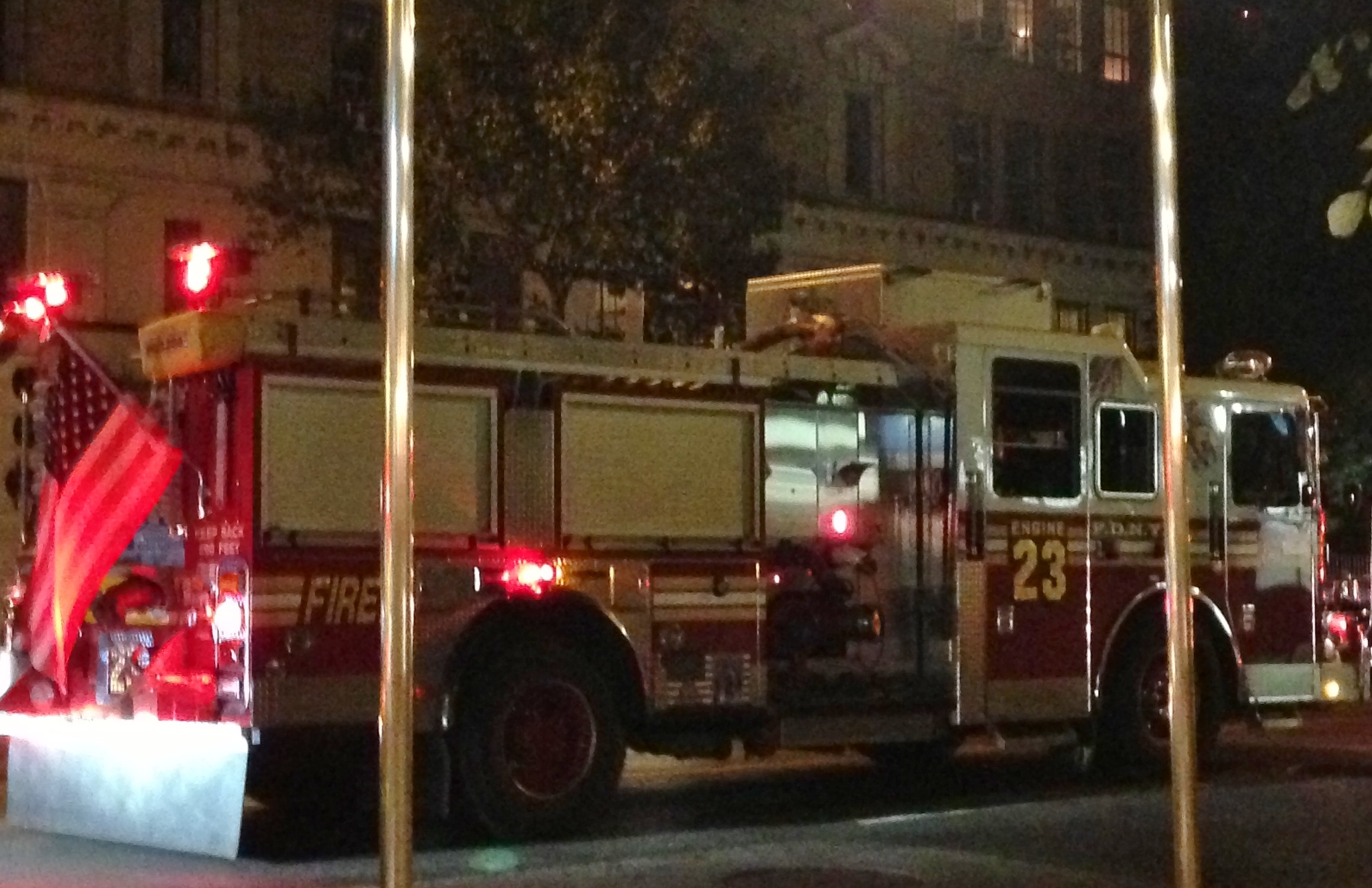
At Morgue, Ceaselessly Sifting 9/11 Traces
By DAN BARRY of The New York Times
“Outside the chalk-white tent, the whistle of traffic along the Franklin D. Roosevelt Drive signals the forward movement of a city. But inside, 16 refrigerated trailers hum in a ceaseless chorus, giving voice to the dead whose remains are contained in their hold.
The trailers hummed as time separated the city from the 11th of September: as the smoking mountain of what had been the World Trade Center became a yawning hole; as 1.6 million tons of debris were sifted through on a Staten Island landfill; as commemorative services caused heads to bow. They hummed and they continue to hum, a mantra-like reminder that talk of closure is premature.”
(excerpt from newspaper article, may require a subscription to read)
Public health and medical disaster responses: The untold story of 9/11
By Kelly B. Close, MD
former National Coordinator of Disaster Volunteers for the American Red Cross
“You never know when your life is going to change.
My red business suit was almost buttoned, and I was rehearsing my presentation for the Milford, Connecticut Red Cross board of directors, even though my mind kept wandering to my wedding just nine days earlier in Walt Disney World. An urgent call from my new husband to come to the television interrupted my wedding day dreams. As soon as I saw the images of the first plane hitting the World Trade Center, I knew that my plans for the day – maybe even my life – had changed.”
(excerpt from article at ems1.com)
Triumph Over Terror
by Bob Ossler with Janice Hall Heck
“What do Ossler’s insights reveal about finding meaning and purpose in the thick of chaos and personal tragedy? Chaplain Ossler chronicles the best of humanity—acts of courage and goodness amid unimaginable devastation. As terrorist attacks continue to assault humanity, “Triumph Over Terror” reveals how your spirit can triumph over terror’s reign, and how you can help others suffering from trauma and loss.”
(Amazon review)
(This blog post contains several affiliate links to let you help support this blog at no extra cost. Thanks. )
Exploring the HEART of health
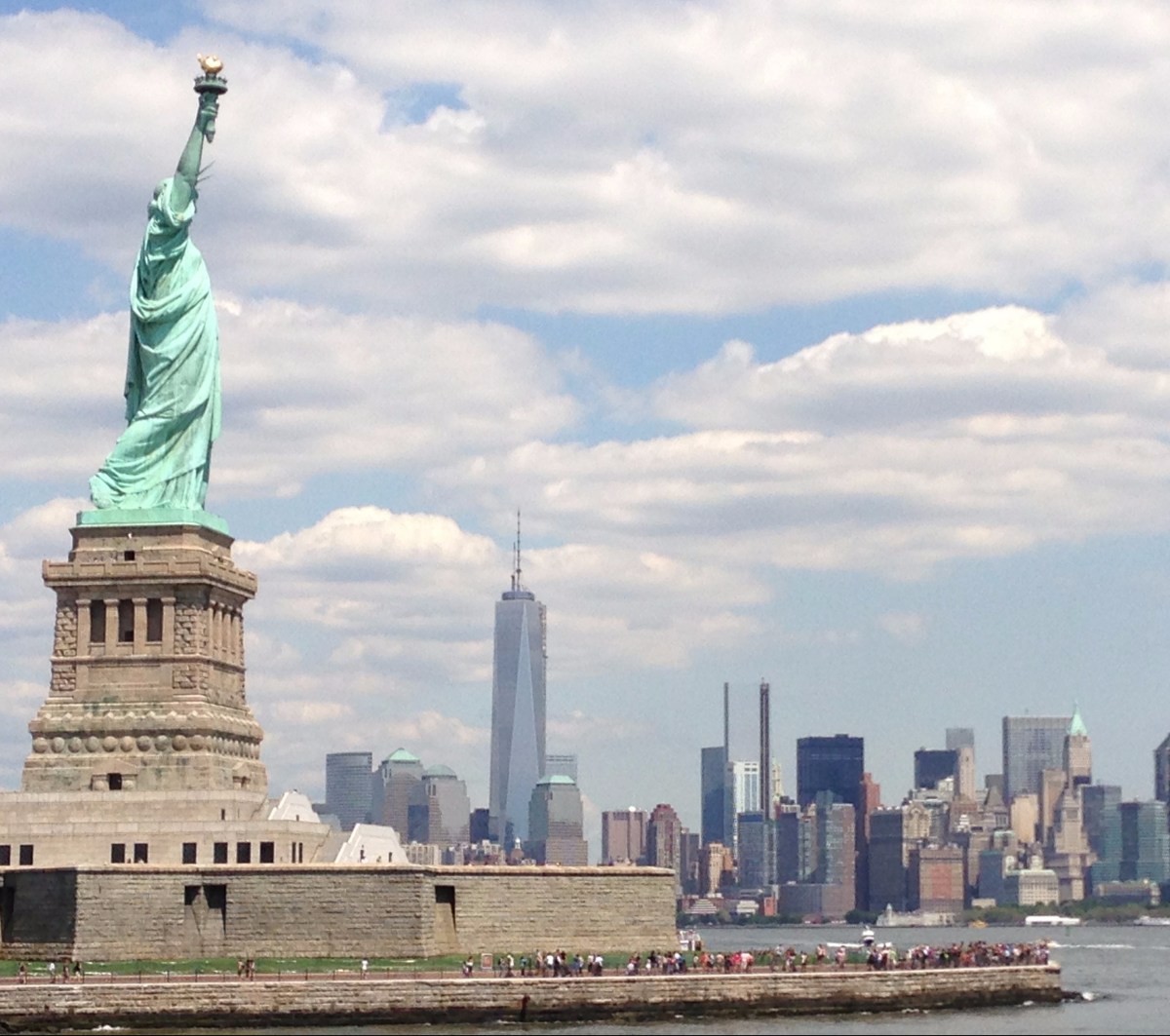
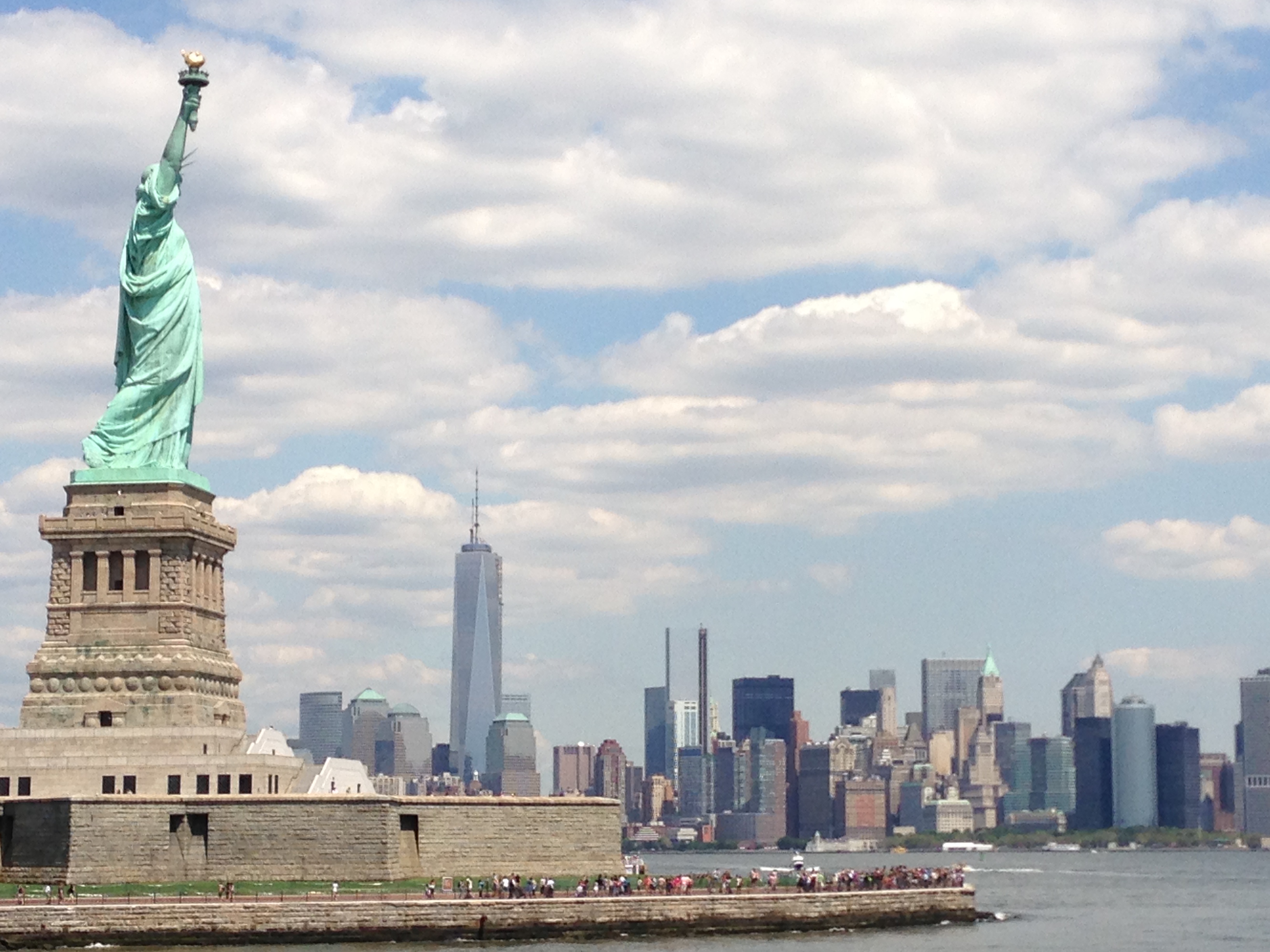
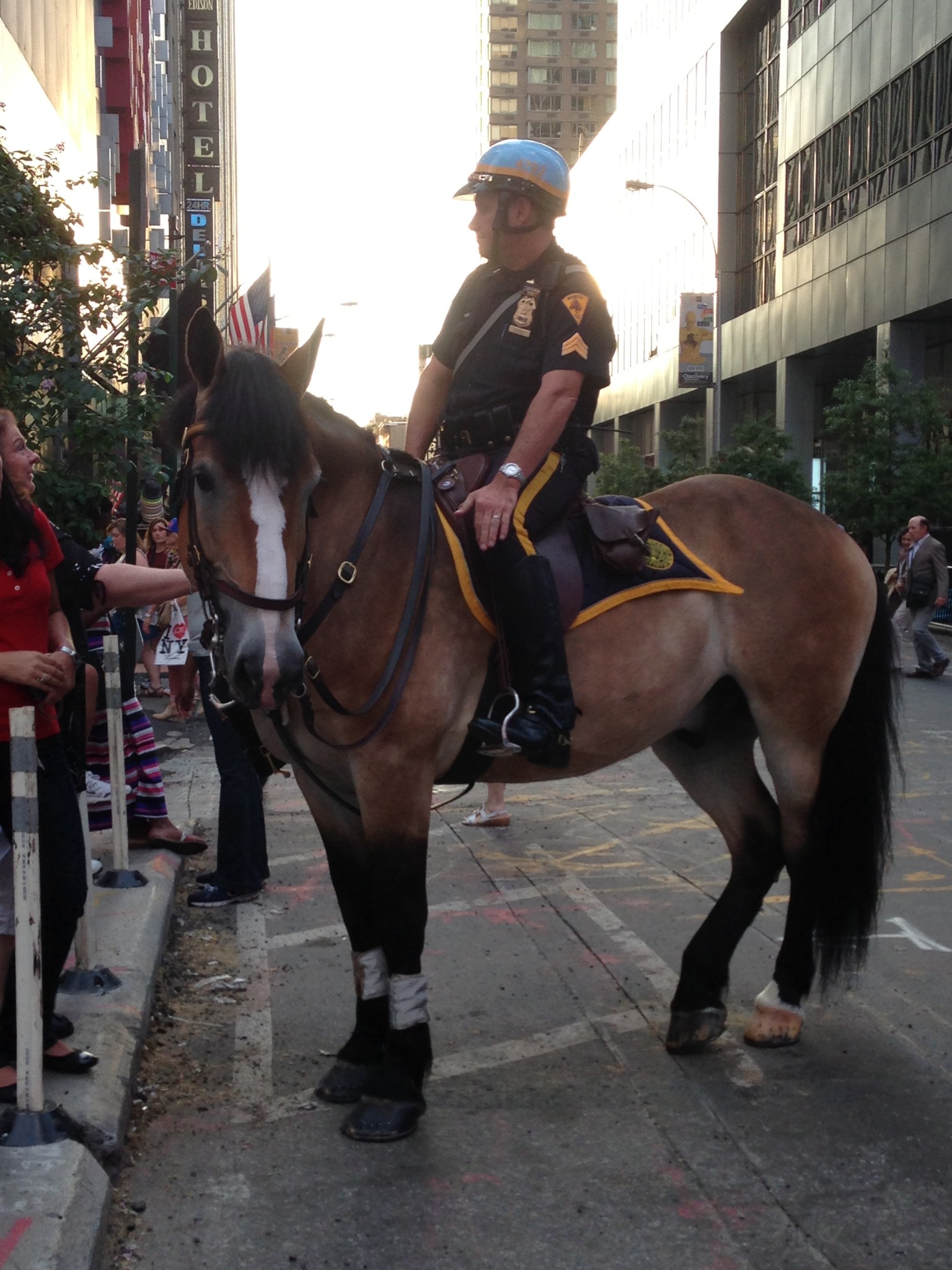
I took the photos in this post on a visit to New York City, one of my favorite vacations.
Thank you for reading this post. Please follow this blog and me on social media.
I share information and inspiration to help you transform challenges into opportunities for learning and growth.
Add your name to the subscribe box to be notified of new posts by email. Click the link to read the post and browse other content. It’s that simple. No spam.
I enjoy seeing who is new to Watercress Words. When you subscribe, I will visit your blog or website. Thanks and see you next time.
Dr. Aletha
- About Dr. Aletha
- How to Use this Site
- Make Your Life Easier
- Search by Category
- Share the HEART of health
- my Reader Rewards Club
- RoboForm Password Manager


