5 tips to keep away kidney stones

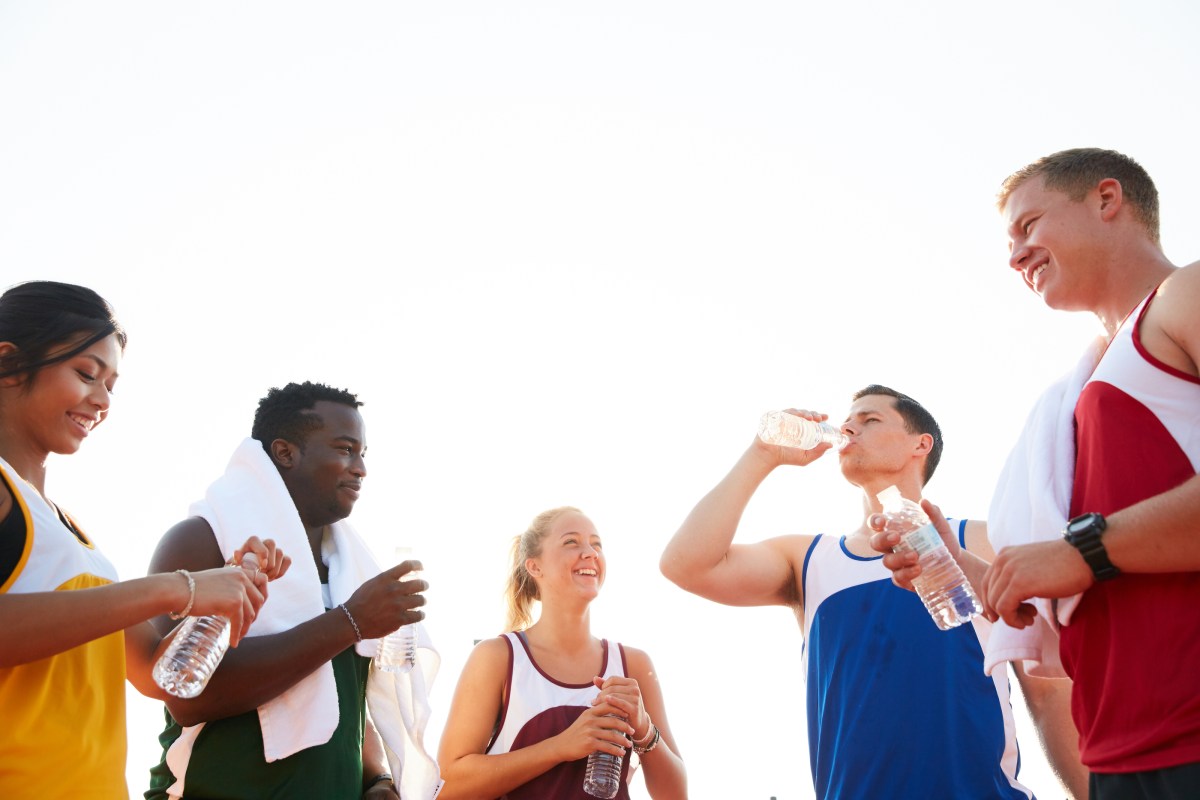
Drink enough water to produce 2-2.5 quarts/liters of urine every day. Recommendations to drink a set amount of water daily do not take into account how much water a person needs, which can vary depending on activity level and other factors. It is more reliable to consider how much urine comes out, or how many times one urinates daily.

Follow this link to an updated version of this post
What you should know to avoid kidney stones

Stones, or urinary tract calculi, don’t usually cause symptoms as long as they stay in the kidney. But if they migrate down into the ureter, the tiny tube that connects the kidneys to the bladder, trouble begins. As the stones try to wiggle their way down the narrow passageway, spasms of pain result; and the…

No, these are not kidney stones but if, like me, you have had one, it probably felt this big.

Almost nothing compares to the agony of kidney stones; it is often compared to the pain of labor and childbirth; I can attest to that, having had both.
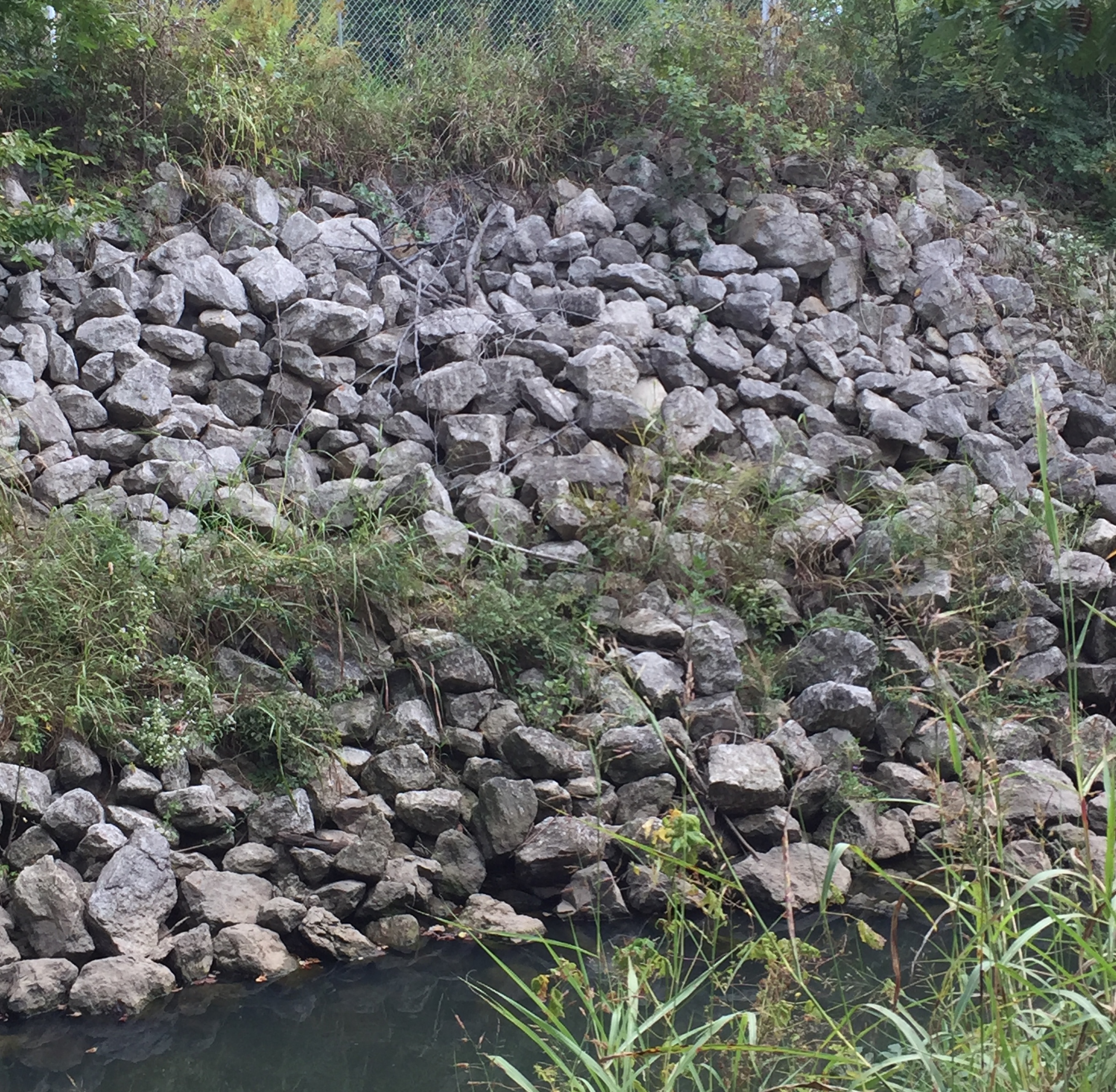
big rocks
not kidney stones

Called renal colic, the pain of kidney stones is similar to the episodes of crying and distress in infants. (I will have a post on infant colic soon.)

Stones, or calculi, don’t usually cause symptoms as long as they stay in the kidney. But if they migrate down into the ureter, the tiny tube that connects the kidneys to the bladder, trouble begins. As the stones try to wiggle their way down the narrow passageway, spasms of pain result; and the bigger the stone the worse.

The urinary tract- kidney, ureters and bladder

Fortunately, most stones eventually pass into the bladder and out the body through the urethra. Some get stuck and must be removed. Occasionally, large stones can block the kidney, leading to infection. But , once you have had a stone, you want to prevent another.

What causes kidney stones?

We know what substances cause most stones- chemicals that normally pass through the urine but  sometimes build up, harden and form into tiny rock -like structures called calculi. These chemicals mostly come from food, so  changes in diet are one way to prevent new stones from forming.
5 tips to keep away kidney stones-watercresswords.com

Steps to stopping kidney stones

These steps can help lessen the risk of new stones in people who have already had one. We don’t know if it applies to people who have never had any stones. Check with your doctor to see if any of these are right for you.

Drink enough water to produce 2-2.5 quarts/liters of urine every day.

Recommendations to drink a set amount of water daily do not take into account how much water a person needs, which can vary depending on activity level and other factors. It is more reliable to consider how much urine comes out, or how many times one urinates daily.

Limit the amount of sodium, salt, in the diet.

Since the majority of stones contain calcium, it might make sense to limit calcium. But the kidneys spend more time filtering sodium; so with less sodium, more calcium can  be filtered out  and not be available to make stones. Here are 5 tips to reduce salt intake from WebMD

Limit intake of oxalate rich foods.

peanuts in the shell

Oxalate is another chemical found in kidney stones. It comes from eating rhubarb, spinach, tea, nuts and cocoa.

Although watercress and other greens contain oxalate, it’s probably not necessary to avoid them entirely; they also are a good source of calcium which attaches to the oxalate, removing both from the body. Moderate amounts with adequate fluid intake should be safe, unless your doctor tells your otherwise.

Limit intake of non-dairy animal protein.

two fried eggs on toast

eat more fruits and vegetables

Drink beverages with lime and lemon juice.

fresh vegetables-lettuce, tomatoes, radishes

Get expert advice about kidney stones at these links.

Eating tips from the National Kidney Foundation

Watch a brief video about kidney stones from MedlinePlus  here.

Print a PDF handout at this link-  Preventing Kidney Stones -from the American Academy of Family Physicians

exploring the HEART of health

Thank you for joining me to explore the HEART of health. I hope you’ve learned something. Please contact me about topics you want to read about.

Dr. Aletha

A tour of the U.S. Olympic Training Center, Colorado Springs, Colorado

A visit to the United States Olympic Training Center in Colorado Springs showcases the dedication and resilience of Olympic and Paralympic athletes. Promoting physical activity, it emphasizes the health benefits of exercise, while sharing the “Winning Attitudes” and determination exhibited by champions. The center inspires a commitment to personal excellence and perseverance.

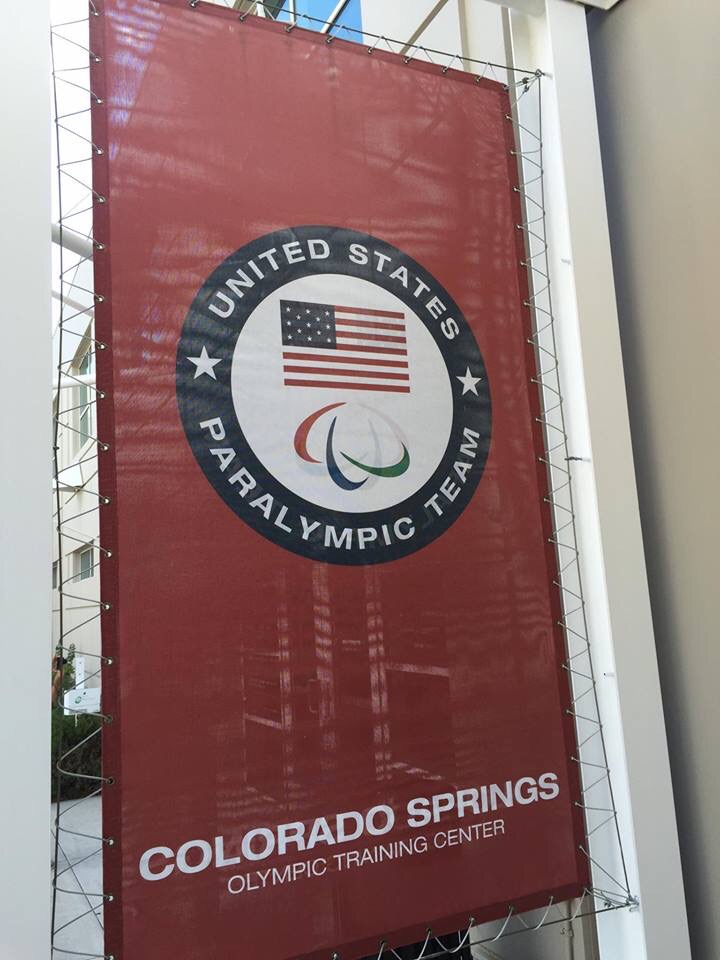
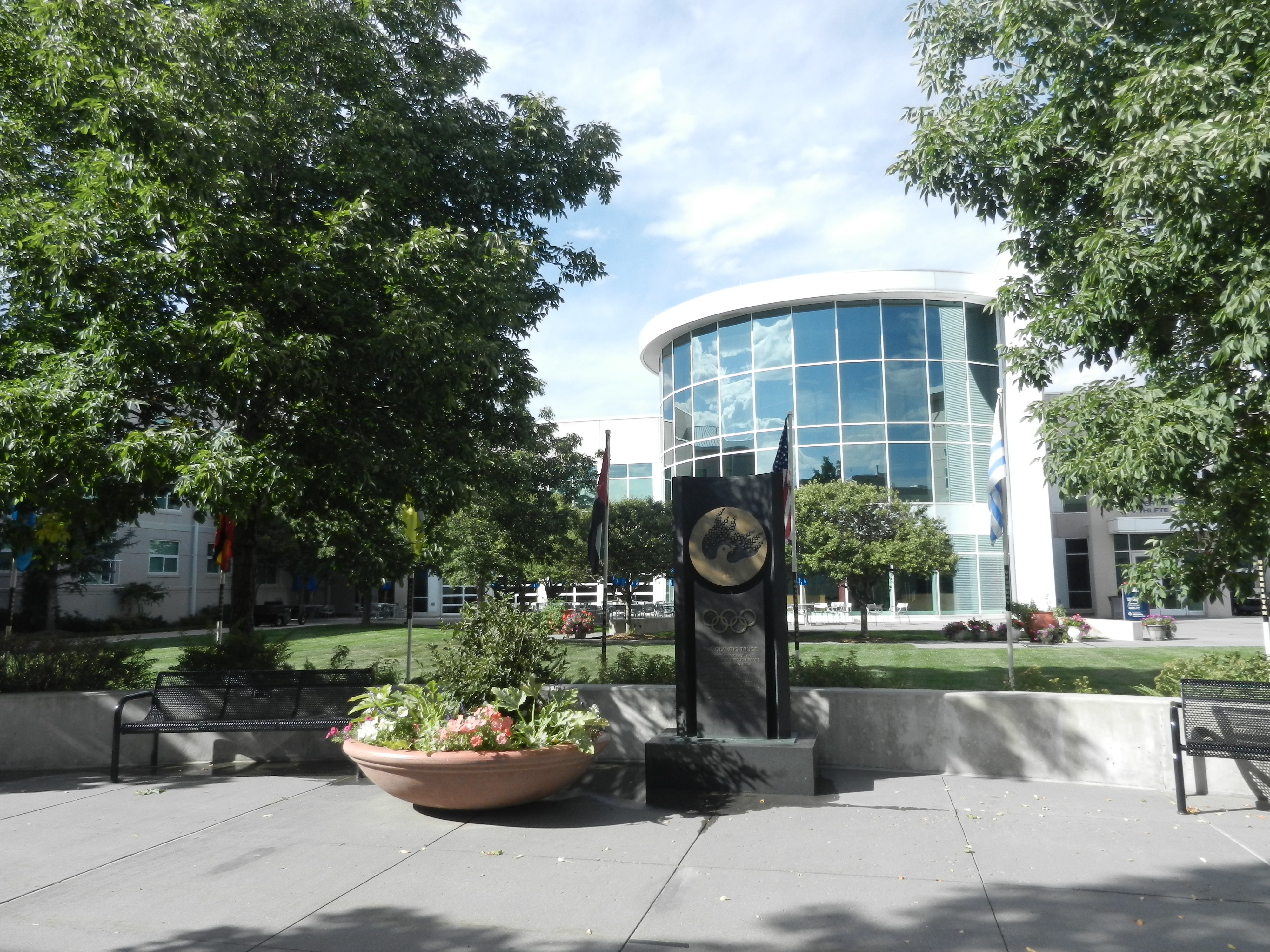
On a trip to  Colorado Springs my husband and I visited the United States Olympic Training Center . I hope these photos help you understand why his facility is called the “flagship” training center. Both Olympic and Paralympic athletes on Team USA train here.

You’re welcome to continue here, or you can read an updated version of this post at this link

Life Lessons from Team USA

As much as I admire the elite athletes who comprise the Olympic team, the Paralympic athletes captivate my imagination.

These are athletes who compete with, not necessarily despite, significant physical impairments; but to call them “disabled” does them an injustice. Many of them play and compete in physically demanding sports without full use of their arms and legs; some don’t even have all of their arms and legs.

As we walked around the complex on a guided tour, I remembered the importance of physical activity for our physical and mental health, and made a note to remind you too.  Almost no one will disagree with the recommendation to include and increase physical activity in our daily lives.

The U.S. Department of Health and Human Services 2008 Physical Activity Guidelines for Americans call for moderate-intensive physical activity for 150 minutes or more per week, vigorous-intensity activity for at least 75 minutes per week, or an equivalent combination of the 2, and engaging in muscle strengthening activity at least twice per week.

  • Medical studies show that exercise can prevent or improve many chronic health conditions and lack of exercise contributes to many diseases.
  • Physical activity may reduce the risk of cancers of the breast, colon, uterus, prostate and pancreas.
  • Regular exercise may help prevent diabetes and heart disease.
  • Exercise can relieve joint and back pain due to arthritis.
  • Depression is treated with physical activity successfully

As we walked through the  USA Shooting area I picked up a flyer titled “Winning Attitudes”. I liked what it said so I am using some of the ideas to illustrate my photos. I hope they will encourage you to develop a “winning attitude” in all areas of your life.

Enjoy this brief tour through the Olympic Complex and if you go to Colorado Springs, be sure and visit; the cost is reasonable and worth the price.

Become excited, confident, and enthusiastic about your goals.

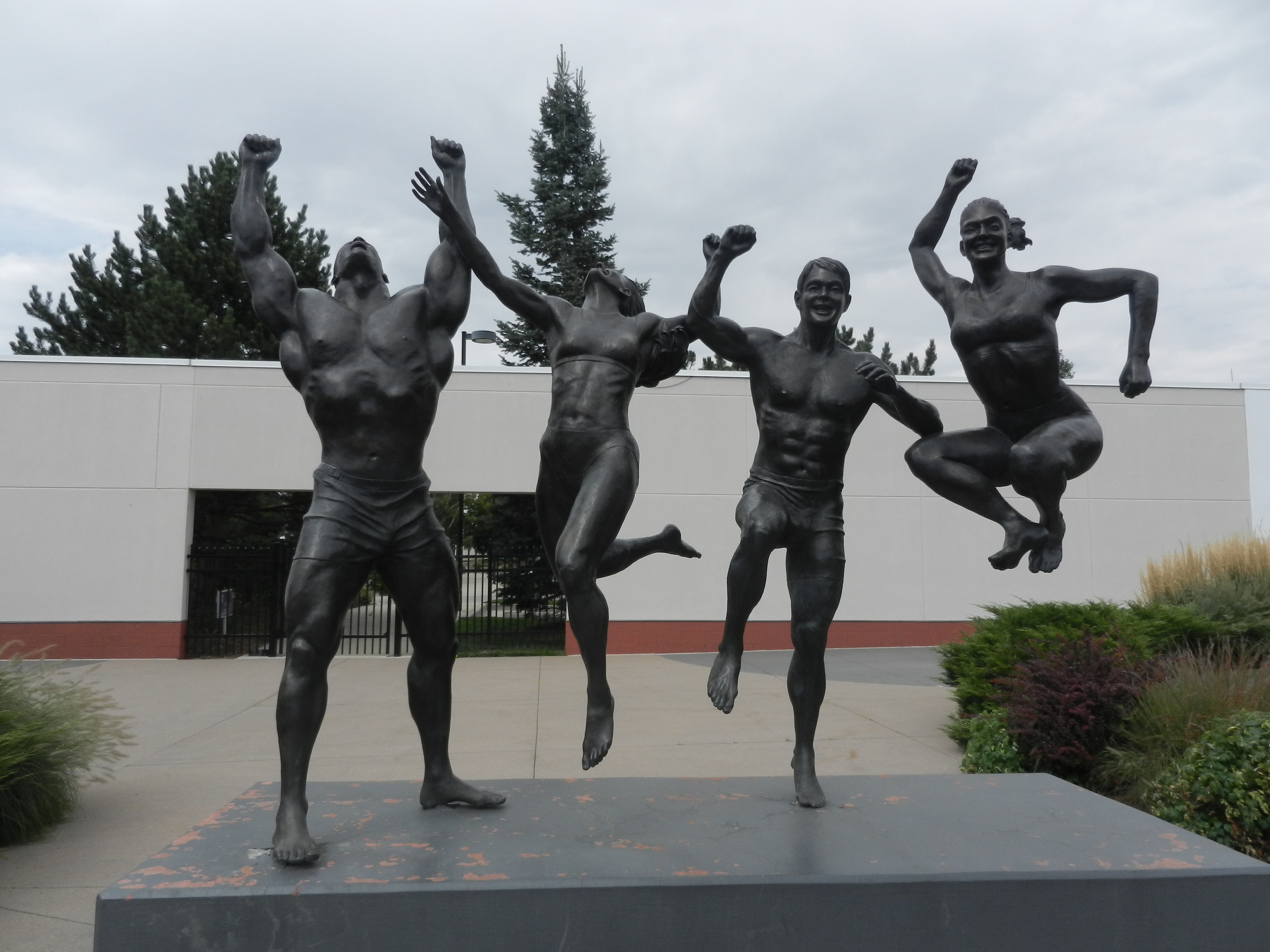
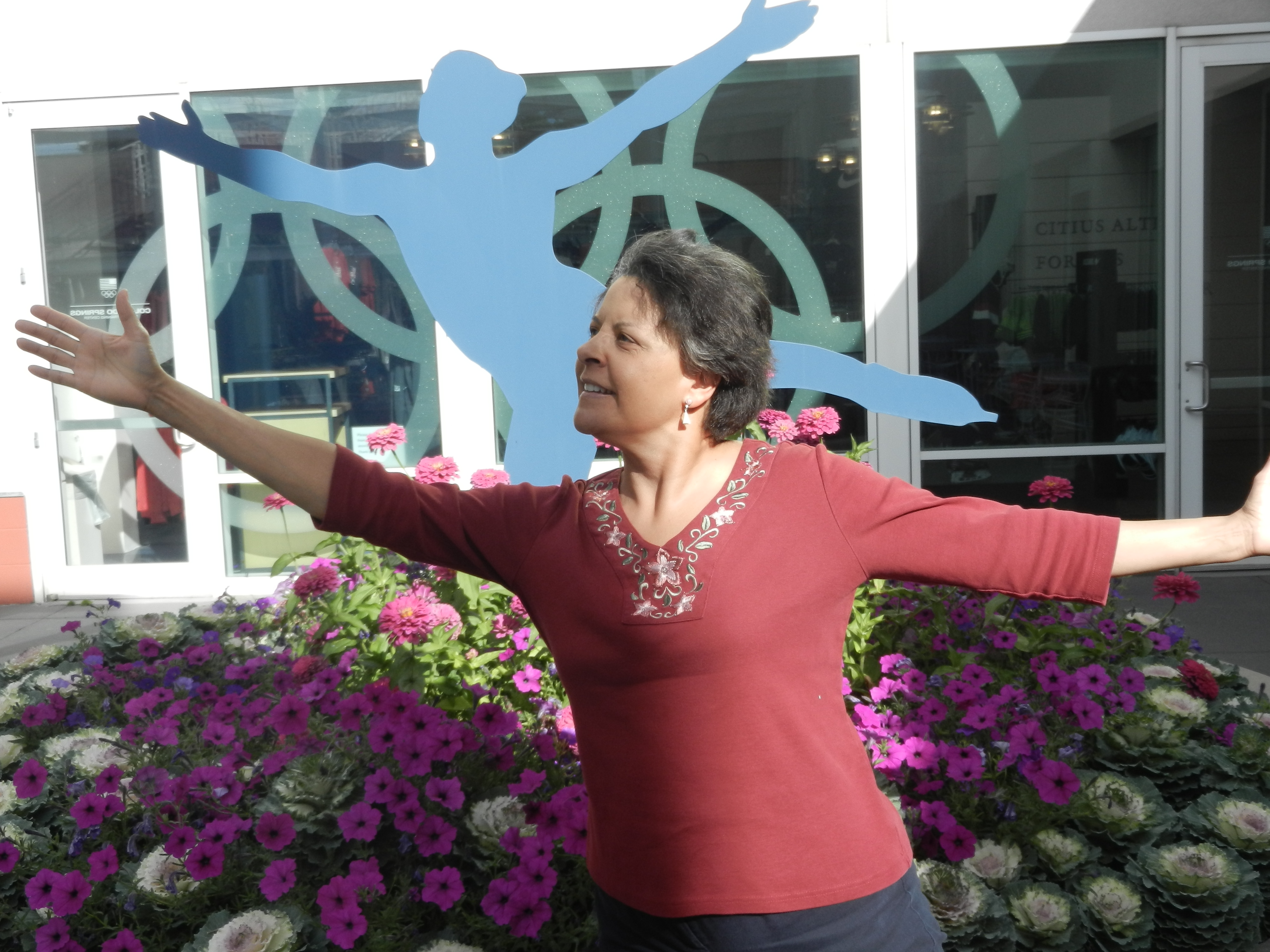
statue of athletes at entrance to facility

Winners have the ability to look inside themselves and find that special dream.

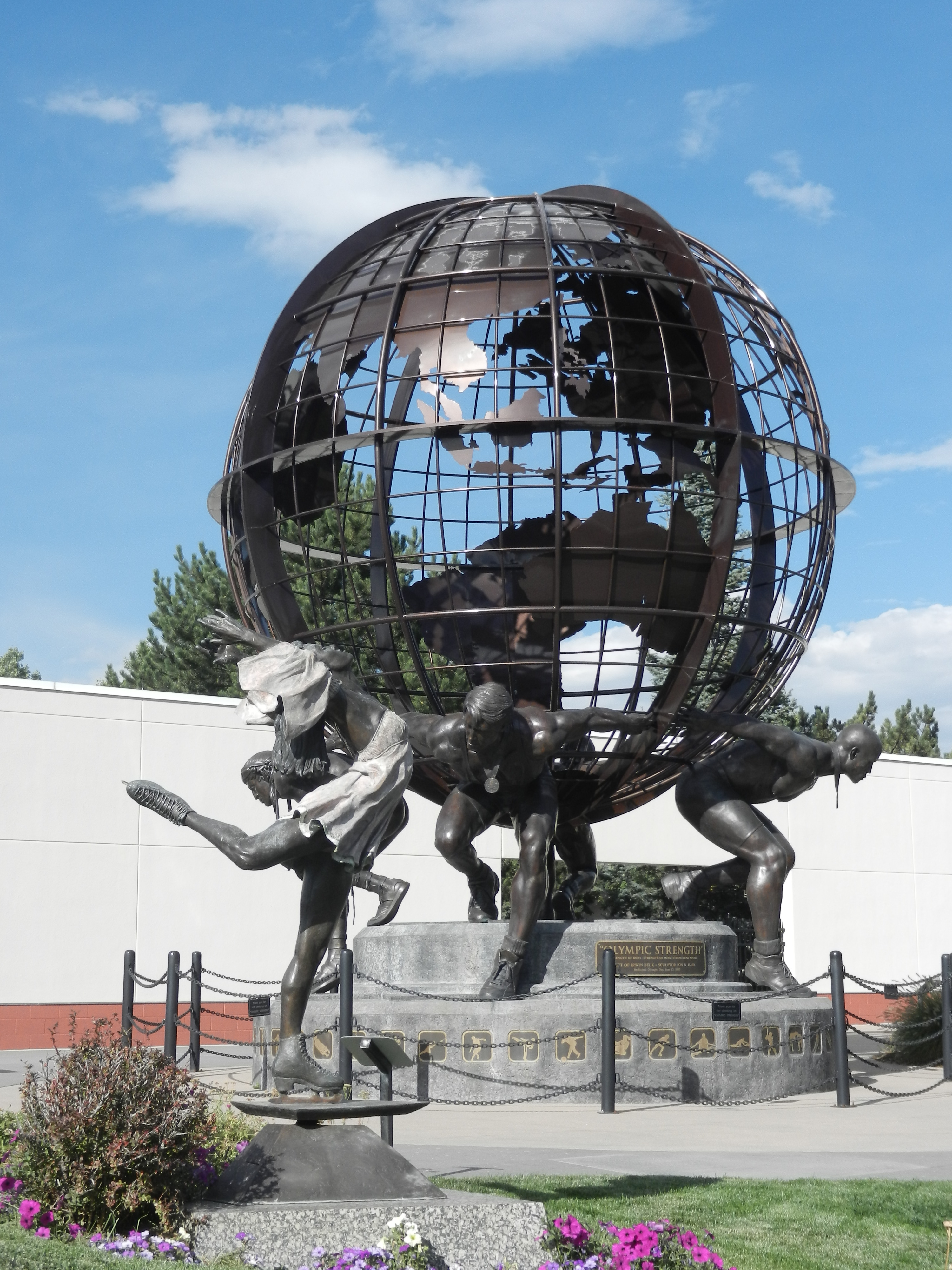
“Olympic Strength” statue- four athletes supporting the world with a figure skater beside them

Winners focus on solutions, not problems.

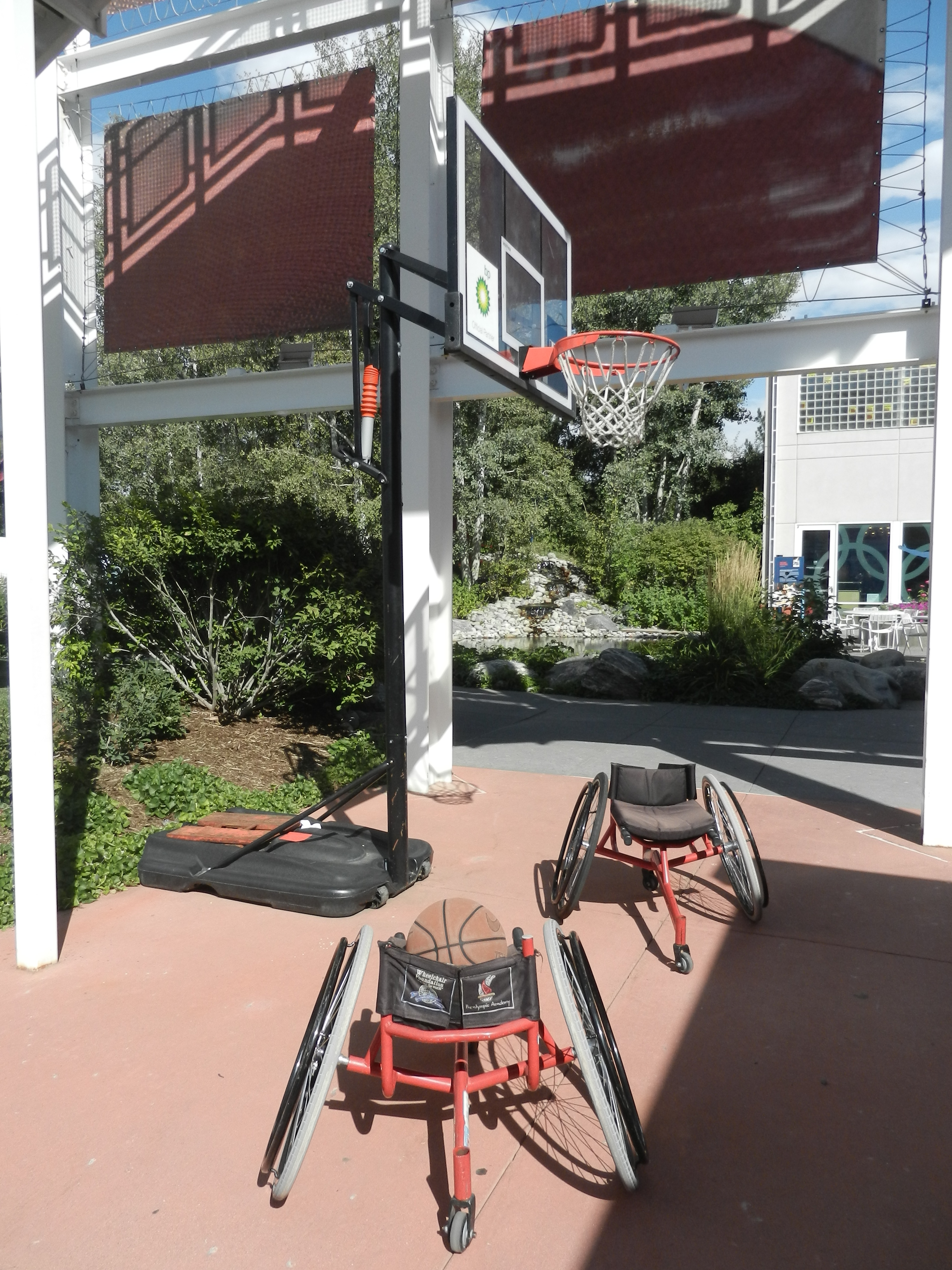
wheelchairs
wheelchairs adapted for playing

Winners have positive attitudes in all elements of their lives. The more you think about, talk about, and write about a thing happening, the greater the certainty of that thing happening.

vehicle
on display in the Hall of Fame

Goals should identify minimum performance levels. They should never limit your performance.

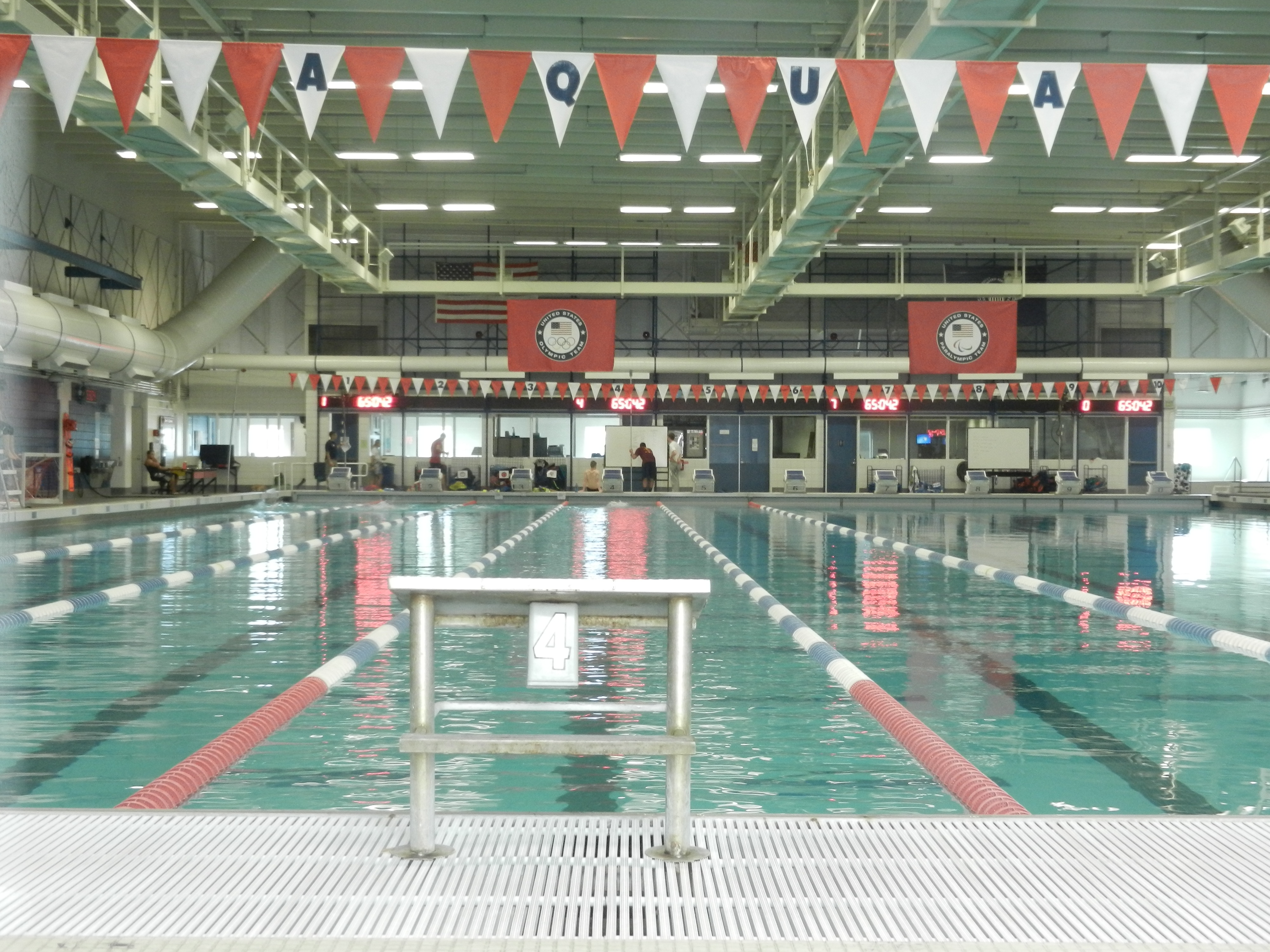
swimming pool
a real “olympic sized” swimming pool

Real winners are champions in life, not just in sports.

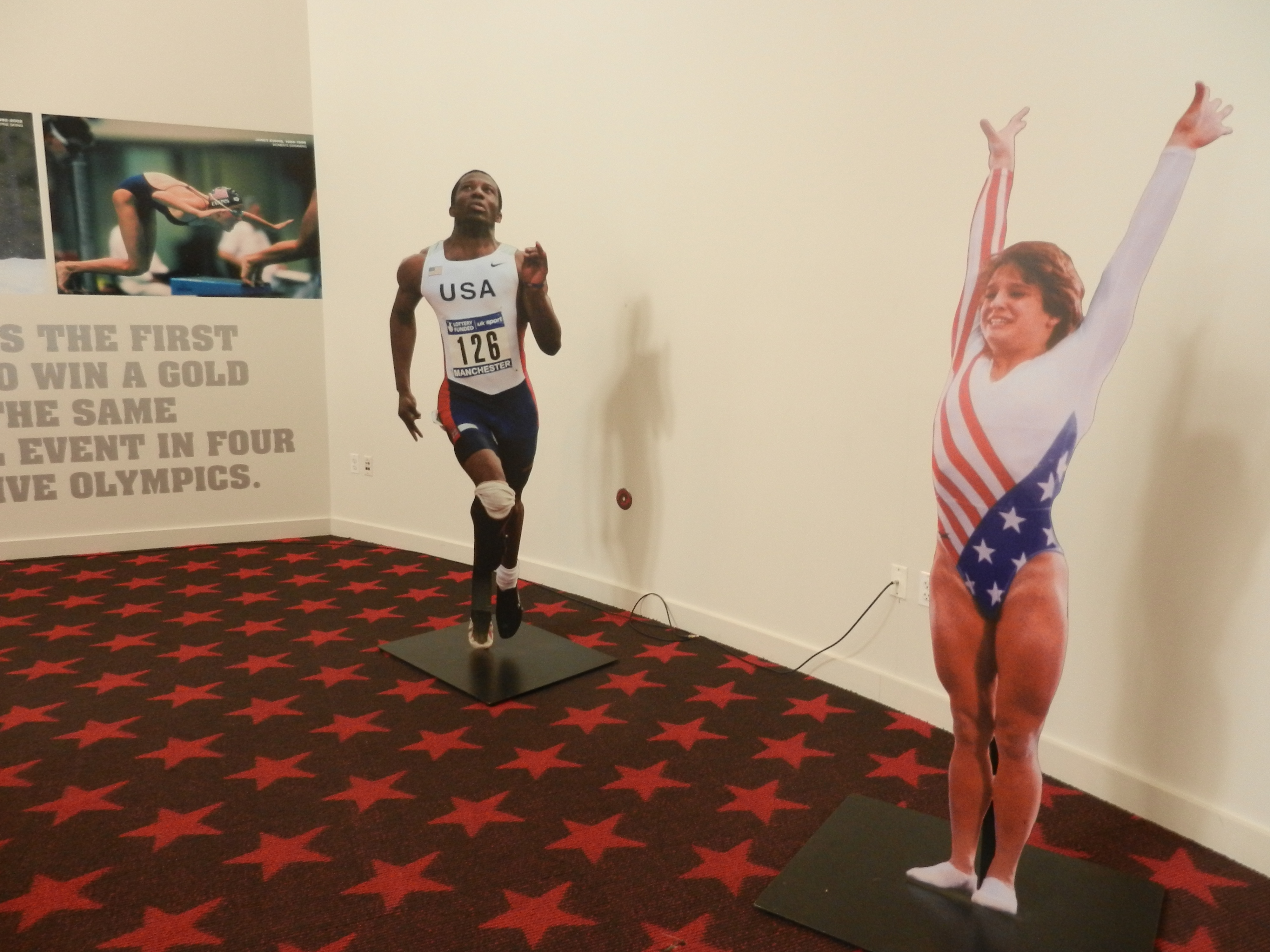
two champion athletes
Runner Tyson Gay and gymnast Mary Lou Retton in the Hall of Fame

Missing a goal means setting another goal to strive for.

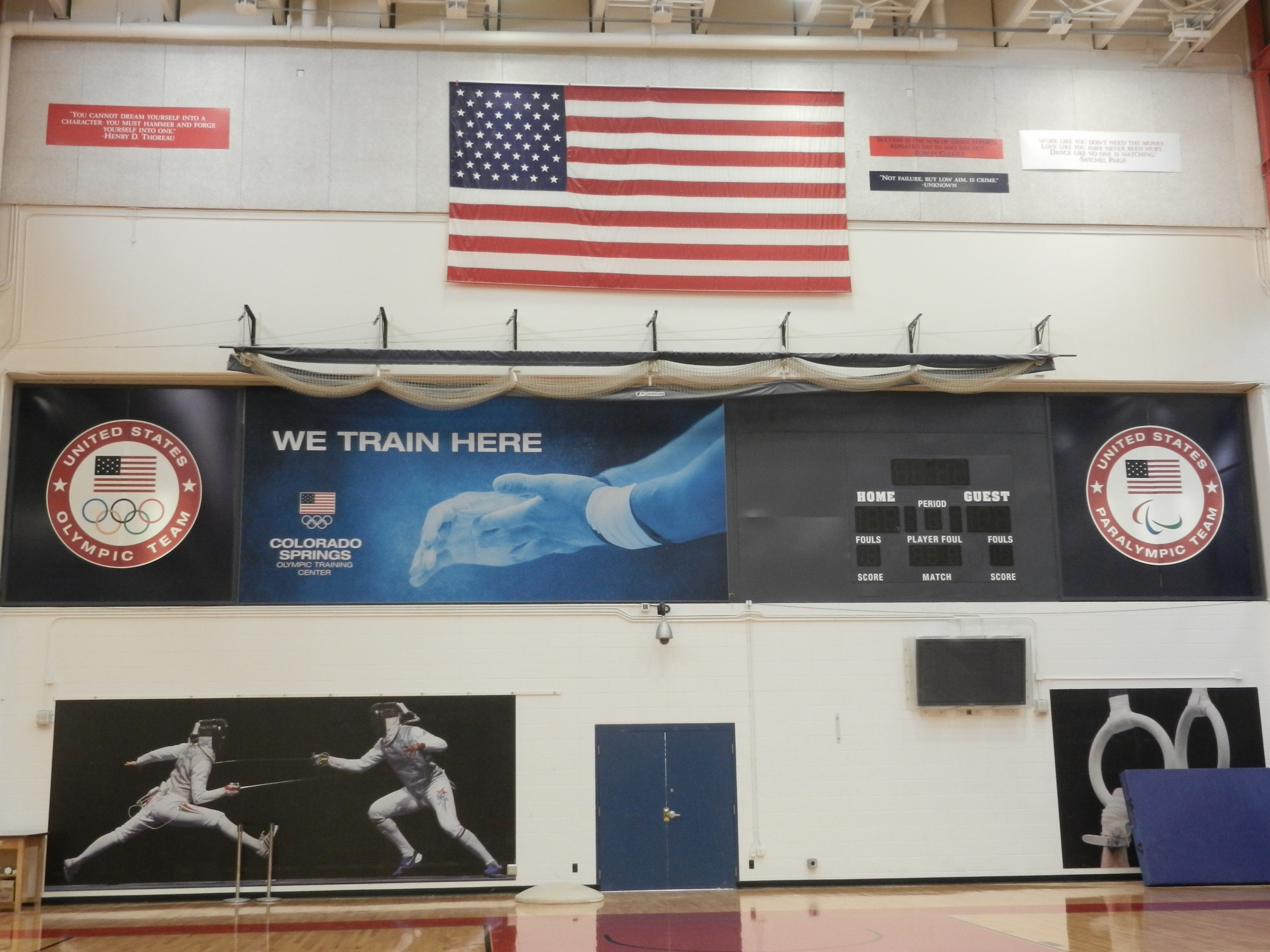
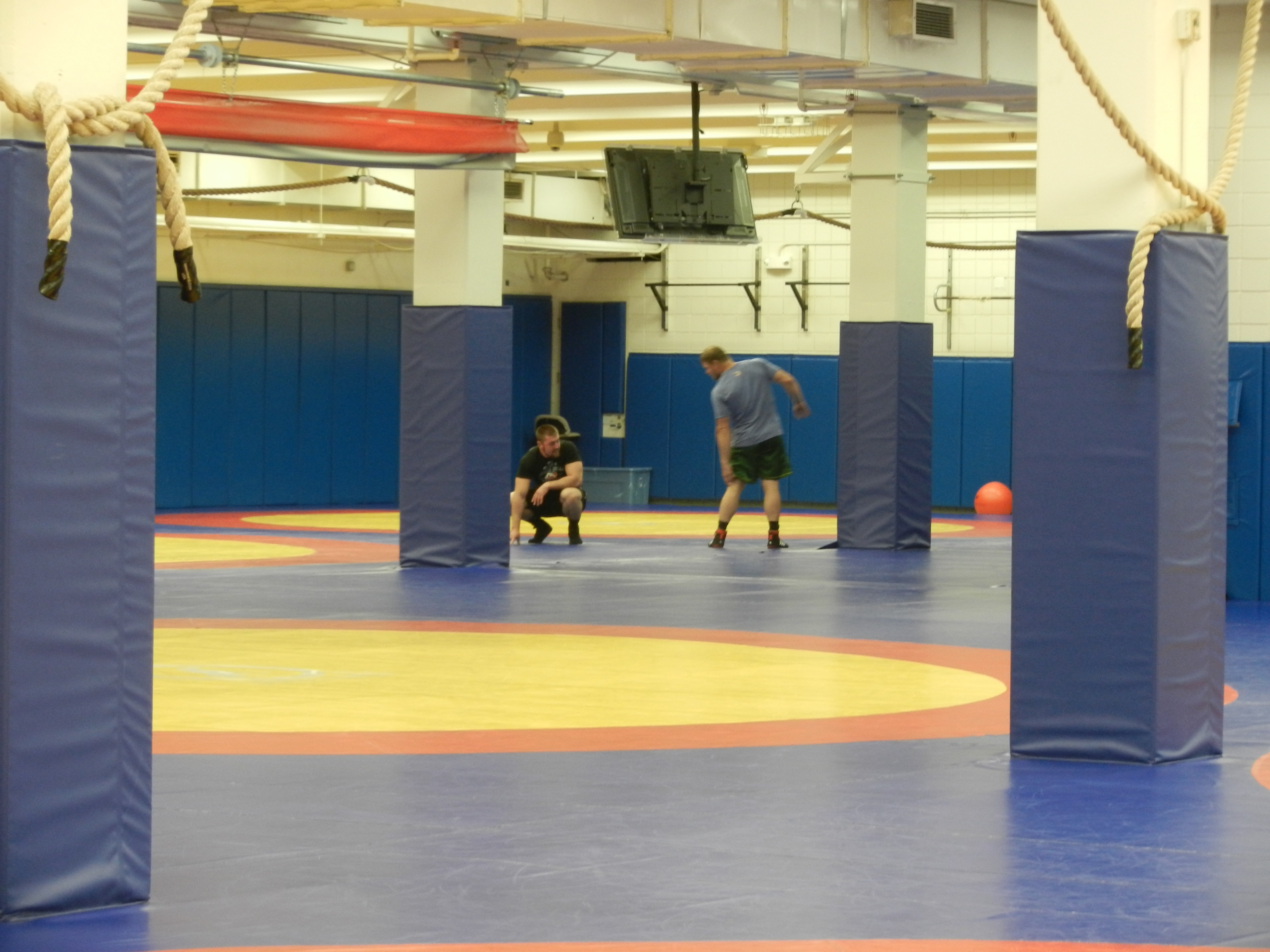
gym
multi use gymnasium

A champion constantly learns and improves.

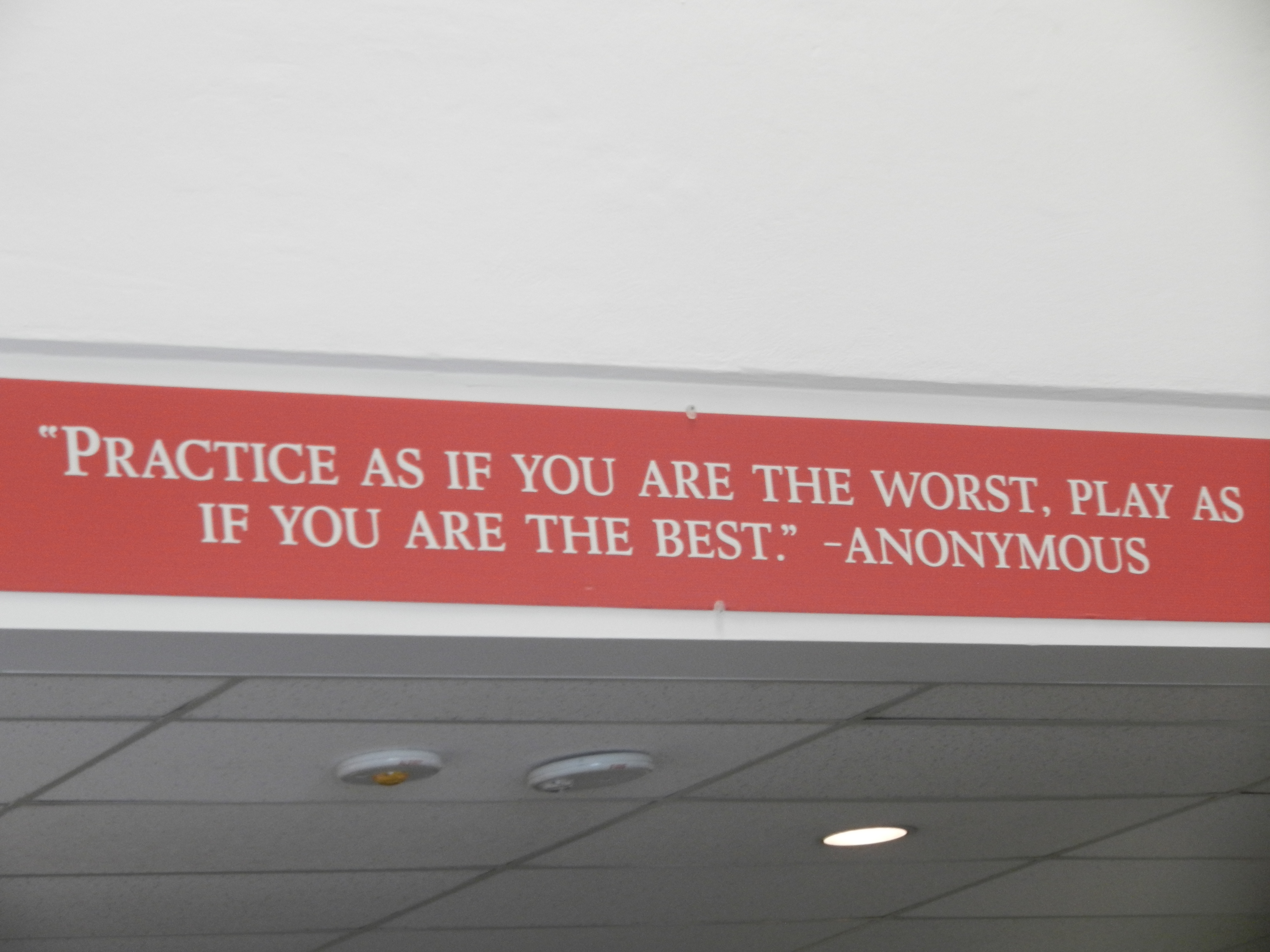
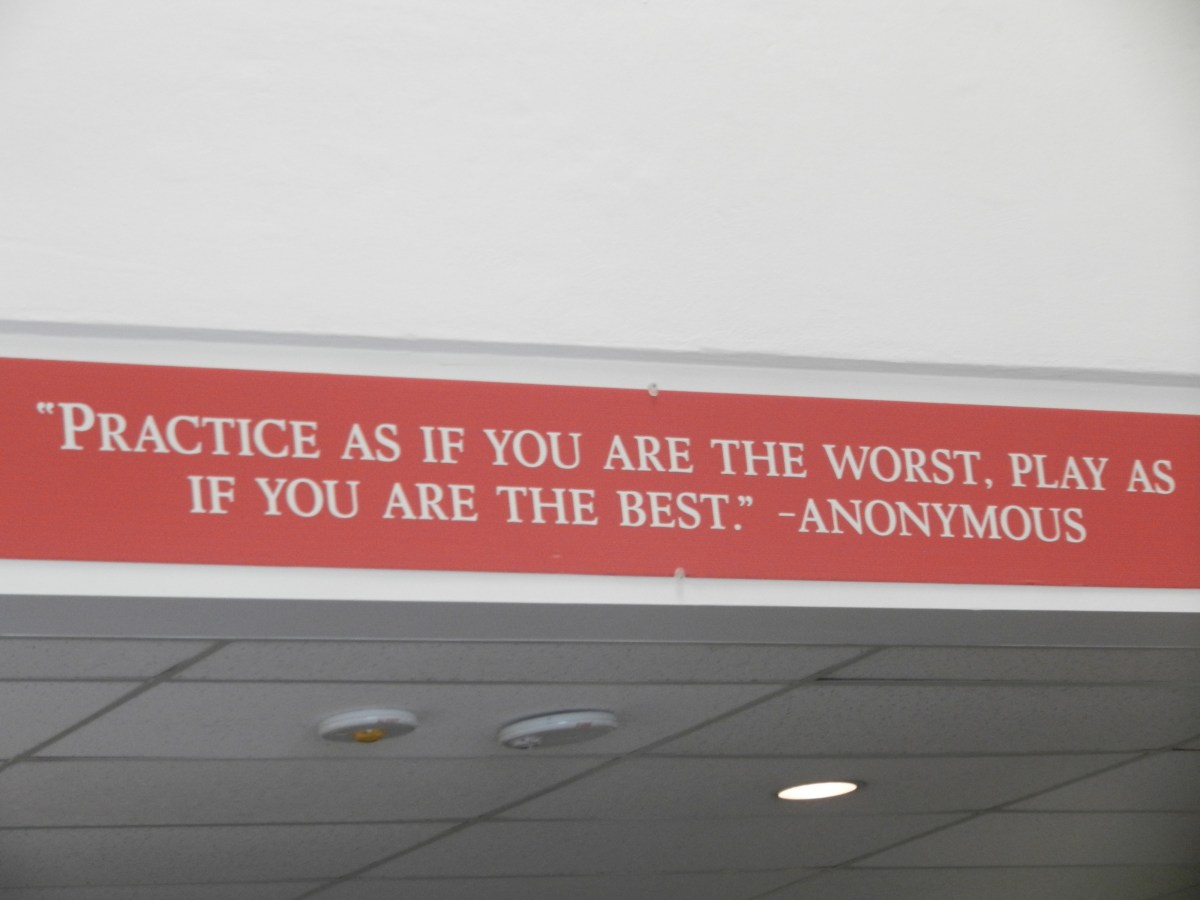
practice
words to train by and live by

Champions are willing to risk a little in the short run to gain an advantage in the long run

2 athletes
2 athletes hard at work

Winners have the ability to look inside themselves and find that special dream. 

be a champion.
I may not be a competitive athlete, but I will stay as active as possible as long as possible.

Excellence is achieved only through constant pursuit. 

housing.
The athletes live, eat, and sleep here.

Are YOU a CHAMPION? 

Dr. Aletha