updated July 2, 2025
One of my favorite vacation spots has been Colorado, even more so now that some of my grandchildren live them. On one trip to the Colorado Springs area, I enjoyed walking through Seven Falls.
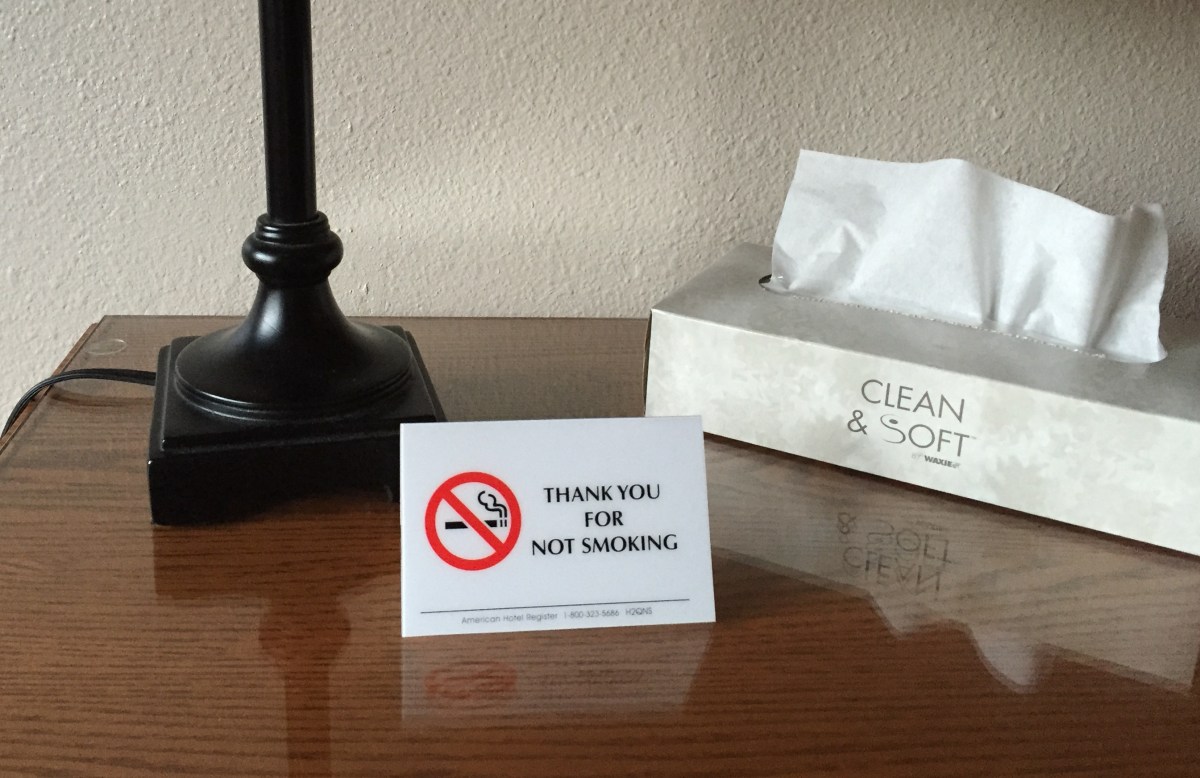
Seven Falls is a series of seven cascading waterfalls of South Cheyenne Creek in South Cheyenne Cañon. To get to the falls, you walk a one-mile scenic path through the canyon, passing trees, towering cliffs, and a winding stream. Along the way, I passed more “no smoking” signs than I have seen anywhere.

Smoking Then and Now
I grew up when smoking was socially acceptable and widely practiced, and no one worried about the health effects. My mother and her friends smoked, even in our house.
She would drive us to the grocery store, stay in the car, and send me inside with 50 cents to purchase a pack of cigarettes for her. She told me, “Tell the clerk it’s for your mother.” In today’s world, she could be charged with child neglect for doing that.
When I was an adult, she quit the habit but unfortunately not before smoking had caused atherosclerosis (hardening) of her leg arteries, limiting blood flow and making walking painful. Surgery corrected this, but the arteries in her brain were also affected, leading to dementia in late life.
Cigarette advertising was everywhere; billboards, television, magazines. Even JAMA, the Journal of the American Medical Association, had cigarette ads. I went to medical conferences where, during the breaks, physicians would go into the lobby and light up cigarettes. After just listening to a lecture on heart disease!
Hazardous to Your Health
All that changed when tobacco companies admitted the harmful effects of smoking, which had been known but was covered up. The Cigarette Labeling and Advertising Act of 1965 required the following health warning, prescribed by Congress, to be placed on all cigarette packages sold in the United States:
CAUTION: CIGARETTE SMOKING MAY BE HAZARDOUS TO YOUR HEALTH.
the Cigarette Labeling and Advertising Act
Gradually, almost all public places in the United States have been made smoke-free. But even though the smoking rate has steadily declined, smoking is still the leading cause of death and preventable illness in this country and much of the world.
Most people know that cigarette smoking harms our health, being directly linked to heart attacks, strokes, lung and other cancers, and emphysema.
But you may not know about some other conditions that smoking causes or aggravates.


Smoking Harms Pregnancy and Babies
Smoking affects fertility, pregnancy, and infants. Smoking can make it harder for a woman to become pregnant and can affect a man’s sperm. Smoking increases risks for:
- Preterm (early) delivery
- Miscarriage
- Stillbirth (death of the baby before birth)
- Low birth weight
- Sudden infant death syndrome (known as SIDS or crib death)
- Ectopic (outside the uterus) pregnancy
- Cleft lip in infants

Smoking and Diabetes
Smoking is a cause of type 2 diabetes mellitus and can impair control of blood glucose (sugar). The risk of developing diabetes is 30–40% higher for active smokers than nonsmokers. Diabetes is a major cause of atherosclerosis, hardening of the arteries in the heart, kidney, legs, which is also aggravated by smoking.
Smoking and Bones
Smoking can affect bone health, leading to osteoporosis. Women past childbearing years who smoke have weaker bones than women who never smoked, and are at greater risk for broken bones.
Smokers tend to hurt more than non-smokers and narcotic-type pain meds don’t relieve pain as well as in non-smokers.
Smoking and Teeth
Smoking affects the health of your teeth and gums and can cause tooth loss. It yellows the teeth as tar builds up in the enamel, also leading to bad breath.

Smoking and Eyes
Smoking can harm your eyesight. It increases your risk for
- cataracts (clouding of the eye’s lens that makes it hard to see) and
- age-related macular degeneration (damage to a small spot near the center of the retina, the part of the eye needed for central vision).
Smoking and Inflammation
Smoking aggravates and may even cause several chronic inflammatory diseases, including
- Rheumatoid arthritis
- Systemic Lupus Erythematosus- SLE or lupus
- Multiple sclerosis
Smoking and Skin
And, it affects your appearance.
By decreasing circulation, smoking causes the skin to weaken and be more susceptible to infection, wrinkles and acne.
And it increases the risk for grey hair and baldness.

This is the bad news. Fortunately, the good news is that there are many resources available to help you quit smoking. The link at the bottom will lead you to help. Of course, you should ask your own physician for advice.

Here is the link to becoming
SMOKE-FREE
For help from your state quitline:
1-800-QUIT–NOW (1-800-784-8669)

.
A character in this novel quit smoking.
Say Goodbye for Now- a book review
This post reviews Say Goodby for Now. Dr. Lucy lives alone except for the menagerie of injured animals she has doctored back to life. She likes her life the way it is, until she opens her home to three unexpected and unlikely guests. The book references important historical events.


Sharing the HEART of Health
I snapped all the photos in this post, including the cover photo.
Thank you for reading this post. Please follow this blog and me on social media.
I share information and inspiration to help you transform challenges into opportunities for learning and growth.
Add your name to the subscribe box to be notified of new posts by email. Click the link to read the post and browse other content. It’s that simple. No spam.
I enjoy seeing who is new to Watercress Words. When you subscribe, I will visit your blog or website. Thanks and see you next time.
Dr. Aletha
- About Dr. Aletha
- How to Use this Site
- Make Your Life Easier
- Search by Category
- Share the HEART of health
- my Reader Rewards Club
- RoboForm Password Manager