
This information is current as of the date of original publication or update but may have changed by the time you read this. Do not use this information for diagnosis or treatment purposes. Before making health decisions, discuss with a qualified healthcare professional.
This content is for your “information and inspiration”, and does not imply my endorsement or recommendation.
How do you pay for your medical care?
We do not have “socialized” medicine or “universal” health care in the United States —or do we?
The government may not directly pay for healthcare but it is involved through taxes we pay and for tax deductions available for insurance premiums and certain medical expenses. Most people still pay out of pocket for at least some if not most of their healthcare.
Multiple sources confirm that at least half of the population is eligible for health insurance coverage through an employer. The rest may be eligible for coverage through one or more options discussed below.
Healthcare payment options
Government programs can help pay for medical care. Depending on the program, you may also be eligible for help with vision and dental care. Your income, age, employment status, and qualifying health issues will determine your eligibility. These programs include:
Medicaid and the Children’s Health Insurance Program (CHIP)
You may qualify for Medicaid or long-term, depending on your situation. These are both joint ventures of the federal and state governments so eligibility may differ depending on where you live. They may even have different names. In my state, Oklahoma, it’s called SoonerCare.
Unfortunately, Medicaid funding is in jeopardy due to proposed cuts in funding by Congress. Americans living in rural communities throughout the country could see their access to health care diminish if Congress changes eligibility for Medicaid or significantly reduces its federal funding.
Medicare
Everyone is eligible for Medicare at the age 65 years, and sometimes younger if you have a permanent disability. It may also depend on whether or not you are still covered under an employer-provided plan.

The Affordable Care Act (ACA) / Health Insurance Marketplace
This is still sometimes referred to as ObamaCare since Congress passed the act when he was president. The current president has said he intends to end it but so far it is still law. This basically covers people who don’t have insurance through an employer or qualify for Medicare.
Premiums for marketplace plans may increase if federal subsidies are allowed to expire.
Consolidated Omnibus Budget Reconciliation Act
You may think you have never heard of this but it is better known as COBRA. (yes, pronounced like the snake.) If you have a “qualifying life event” and are no longer employed, you may be able to continue on your employer’s insurance plan.
The catch is, you have to pay for it. Paying for this type of plan can be quite expensive, but may be necessary if you have medical issues that can’t be delayed. If you will soon start a new job offering a health plan it may be worth considering this temporarily.
Learn how these programs work, find out if you are eligible, and see how to apply.
Veterans and Military Healthcare
Those currently serving in the Armed Forces and their dependents can receive healthcare through the Tricare program of the Department of Defense.
Military Veterans can receive care through hospitals and clinics of the Veterans Administration Health systems. Dependents of some veterans, usually those with service-connected disabilities may be eligible for CHAMPVA-Civilian Health and Medical Plan.

Help with medical bills beyond insurance
Medicare Savings Programs
There are 4 Medicare Savings Programs that may be able to help with Part A and Part B premiums, deductibles, coinsurance, and copayments. You’ll apply for Medicare Savings Programs through your state. When you apply, your state determines which program(s) you qualify for. Even if you don’t think you qualify, you should still apply.
Medicare Extra Help
This program can help you pay Medicare Part D costs that cover prescription drugs. Find out if you qualify for Extra Help and apply.
Financial Assistance Programs
If you still need help with medical bills after health insurance or Medicaid payments have been applied, a financial assistance program may assist you with the remaining costs. In most cases, you can apply through a doctor or hospital where you are seeking medical treatment.
Learn more about these options here.
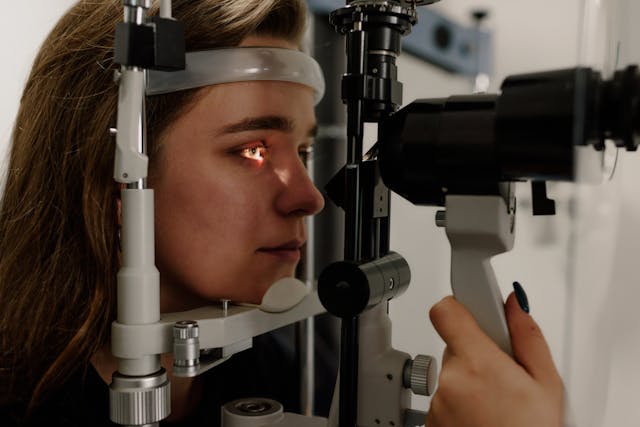
Some non-profit medical facilities provide medical care free or at a reduced price. Patient advocacy organizations for various chronic conditions may offer financial assistance.
- Programs and Resources to Help With Cancer-related Expenses
- Heart disease-related expenses
- National Breast and Cervical Cancer Early Detection Program (NBCCEDP) – Get free or low-cost breast and cervical cancer screenings. Eligibility for NBCCEDP is based on income, age, and whether you are uninsured or your insurance does not cover screenings.
- Ryan White HIV/AIDS Program – Find help in your state or local area with HIV/AIDS medications and treatments. You may qualify for this program based on your income. And you must be uninsured, or the treatments and medications you need are not covered by your current insurance plan.
- These Nonprofits Offer Financial Aid to Patients and Families

Get help paying medical bills through debt management
Despite using insurance and extra sources of help you may find yourself forced to deplete savings. You may owe more money than your budget allows you to pay regularly. You are in debt.
You may be able to get help paying your medical bills with a debt management plan. This involves a payment schedule that a credit counselor develops based on your situation.
When you pay, your money is deposited into an account with the credit counseling organization, which then pays your debt. You may be able to get lower interest rates and certain fees waived to help make it easier to pay off your medical debt.
Learn more about debt management and how it works.
The Pexels images in this post are for illustration only and do not depict real medical situations.
Exploring the HEART of Health
I hope you learned something here that helps you or someone else. Please forward it to a friend or share on social media.
In another piece, I will discuss obtaining medicines and vaccines.
I’d love for you to follow this blog. I share information and inspiration to help you transform challenges into opportunities for learning and growth.
Add your name to the subscribe box to be notified of new posts by email. Click the link to read the post and browse other content. It’s that simple. No spam.
I enjoy seeing who is new to Watercress Words. When you subscribe, I will visit your blog or website. Thanks and see you next time.

Dr Aletha
- About Dr. Aletha
- How to Use this Site
- Make Your Life Easier
- Search by Category
- Share the HEART of health
- my Reader Rewards Club
- RoboForm Password Manager







 watercress words by Dr Aletha