Voting for healthcare in 2020-who will you choose

Register to vote before your state’s deadline. Please exercise your right to vote and make your voice heard. If you are concerned about the risk of contracting coronavirus at a polling site, explore other options in your community. With proper precautions in person voting can be safe.

The 2020 Presidential election is underway. Even though the polls don’t open until November 3, many are already voting by mail or absentee. The candidates Donald Trump and Joe Biden debated several important issues in their September 29 meeting, including the country’s COVID-19 management. Two more debates are scheduled in October but the status is unclear now that Mr. Trump has been hospitalized with COVID-19. The Vice Presidential candidates’ debate is still scheduled as of October 5.

Election 2008-ObamaCare

Health care was a major issue in the 2008 election and proved to be momentous. In his campaign, the Democratic candidate, Barack Obama, promised health care reform and as President he delivered with the passage of the Affordable Care Act, the first time Americans have had universal health care. This election’s candidates also make promises about health care.

Election 2016

In a post from 2016 I compared the then candidates’ health care proposals. I thought it would be interesting to look back at what Mr. Trump said then, along side what his opponent Mrs. Clinton said. As you well know, Mr. Trump defeated Mrs. Clinton , although she won the popular vote.

The White House
The White House, home of the President (photo from the Lightstock website )

This summary of  what each candidate proposed came from their official websites. I didn’t add my opinion or commentary, nor endorsement of either one.

I also looked at the healthcare views of two third party candidates, one of whom is a physician; comparing all proposals, you will see that Americans hold widely differing opinions about health and health care.

There are affiliate links in this post, if you follow them and make a purchase, this blog may receive a commission.

Republican- Donald J. Trump, Chairman and President,

The Trump Organization

 “Healthcare Reform to Make America Great Again”

Mr. Trump believes the Affordable Care Act, which he refers to as Obamacare, is an “economic burden” to the country. He says it has caused

  • Runaway costs,
  • Websites that don’t work,
  • Greater rationing of care
  • Higher premiums
  • Less competition
  • Fewer choices

He recommends a

“series of reforms that follow free market principles and restore economic freedom and certainty” , which will

“broaden healthcare access, make healthcare more affordable and improve the quality of the care available to all Americans.”

As President, Mr. Trump will request Congress to
  1. Completely repeat Obamacare, eliminate the individual mandate to buy health insurance.
  2. Modify existing law that inhibits the sale of health insurance across state lines.
  3. Allow individuals to fully deduct health insurance premium payments from their tax returns.
  4. Allow individuals to use Health Savings Accounts (HSAs), which should be tax free, allowed to accumulate, and become part of one’s estate at death.
  5. Require price transparency from all healthcare providers.
  6. Block-grant Medicaid to the states.
  7. Remove barriers to entry into free markets for drug providers, allowing consumers access to imported, safe and dependable drugs from overseas.

Also under his health care plan, Mr. Trump includes

  • Enforcing immigration laws
  • Eliminating fraud and waste
  • Energizing our economy
  • Reform our mental health programs and institutions

Oval Office replica
replica of the Oval Office at the Reagan Presidential Library, Simi valley, California

Democrat-Hillary Rodham Clinton, lawyer;

former First Lady, Senator, and Secretary of State

“Universal, quality, affordable health care for everyone in America”

  1. Maintain and expand the Affordable Care Act
  2. Bring down out-of-pocket costs for copays, deductibles and prescription drugs
  3. Expand access to care for low income groups, immigrants and rural populations.
  4. Defend access to reproductive health care.
As President, Mrs. Clinton will work with Congress to

Fight addiction and substance abuse with prevention, treatment and recovery programs and reforming the criminal justice system handling of offenders.

Set a goal to prevent, treat and cure Alzheimer’s Disease by 2025. Help those affected and their families get the care they need.

Create an AIDS/HIV policy to increase research, expand treatment options, increase health care financial options for those affected, and eliminate discriminatory laws.

Develop an “autism initiative” to expand insurance coverage, increase funding for research, early identification and intervention, employment opportunities, and school safety.

Commit to fully implement the Americans with Disabilities Act, and increase support for persons with disabilities and their families.

Under the heading of health Mrs. Clinton includes her positions and proposals for

  • Climate change
  • Women’s rights and opportunity
  • Support for veterans, the military and their families
  • Paid family and medical leave
couches in room with Presidential seal on the floor
another view of the Oval Office replica

Green Party – Jill Stein, M.D., physician, activist

Dr. Stein favors

“Medicare for all”, single payer health care system for everyone, with no premiums, co-pays or  deductibles.

Eliminate private health insurance.

Decrease prescription drug costs

Full access to contraceptive and reproductive care, including morning after contraception

Invest in community health infrastructure- organic food, renewable energy

Prioritize prevention by encouraging physical activity, improving nutrition and minimizing environmental pollution

Libertarian- Gary Johnson, businessman, former Governor of New Mexico

Mr. Johnson’s website had little information about his health care proposals, so I am also including items from the Libertarian party’s website.

 The party supports

a free-market healthcare system where the individual is free to choose everything related to health care- insurance, doctors, treatments, medication, end-of-life care

the ability to purchase health insurance across state lines

abortion as a private decision up to the individual’s conscience and not regulated by the government

Mr. Johnson

opposes mandatory vaccination

supports the legalization and regulation of marijuana.

exploring the HEART of healthcare

I snapped the photos of the “Oval Office” during a tour of the Reagan Presidential Library a few years go. I have also visited the Nixon and Kennedy Libraries. These surprised and intrigued me-visually compelling ways to review their terms of office from a historical perspective. I wonder what the future Trump library will unfold?

Dr. Aletha

And if you have not registered to vote, please do so before your state’s deadline. And once registered, please exercise your right to vote and make your voice heard.

If you are concerned about the risk of contracting coronavirus at a polling site, explore other options in your community. With proper precautions in person voting can be safe. these include.

  • mask wearing
  • social distance at least 6 feet
  • outdoor locations when possible
  • handwashing
  • staying home if exposed or sick
From common colds to COVID-19-Respiratory infections update 2020

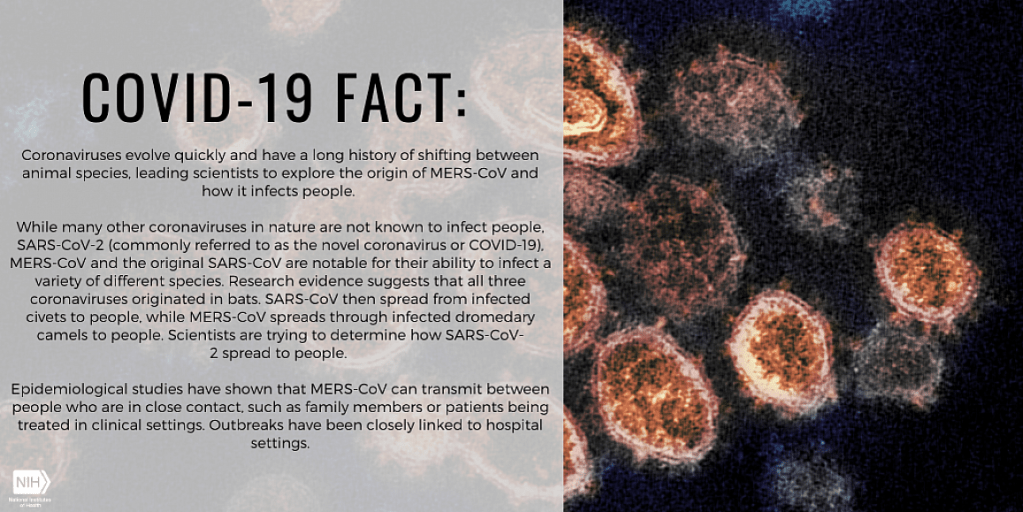
This year’s cold/flu season is complicated by a new player- COVID-19, caused by the SARS-CoV-2. If you get sick, please do not assume your illness is “just the flu” ; this could have serious, perhaps fatal consequences for you and your loved ones.

Where I live, North America, we’ve just observed the first day of fall, also known as the autumnal equinox. And especially in healthcare, we unofficially view it as the start of the “cold and flu” season. To those of you in the southern hemisphere, happy spring. You also have a respiratory illness season during fall/winter.

Respiratory infections

By “cold and flu” we means acute respiratory infections caused by a variety of viruses including

  • influenza
  • respiratory syncytial virus (RSV)
  • adenovirus
  • rhinovirus
  • coronavirus

and less often several bacteria, most commonly

  • Streptococcus
  • Mycoplasma
  • Haemophilus
  • Legionella
  • Pertussis (whooping cough)

These cause diseases called by various names including

  • colds/flu
  • influenza
  • pharyngitis (throat infection)
  • otitis media (ear infection)
  • bronchitis
  • sinusitis
  • pneumonia
  • laryngitis
  • COVID-19
  • whooping cough
  • bronchiolitis-infants and children
  • croup-mostly children

This year’s cold/flu season is complicated by a new player- COVID-19, caused by the SARS-CoV-2.

Acute vs chronic

We call these illnesses acute because they (usually) come on fairly suddenly, run their course within a few days to sometimes a few weeks, and then resolve. Sometimes they don’t resolve and become chronic.

Some underlying factor may prevent healing. There may be a chronic condition that is out of control, or has not been previously diagnosed. You may need a doctor’s evaluation to determine whether it’s “just a cold” or perhaps asthma, COPD ,or allergic rhinitis.

Many of these illnesses tend to occur seasonally, such as influenza and RSV. Others can occur year round. So far we don’t know if COVID-19, due to the SARS-CoV-2 , will be year round or seasonal. Unlike influenza, it did not abate during the summer this year.

What are respiratory symptoms?

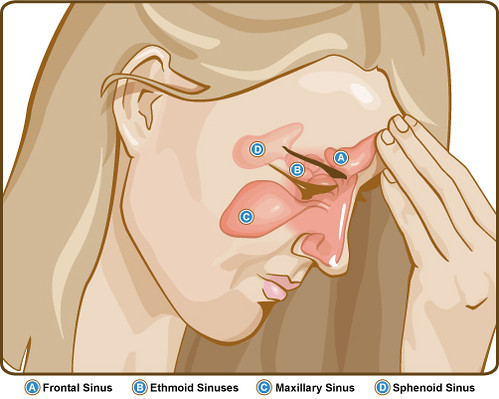
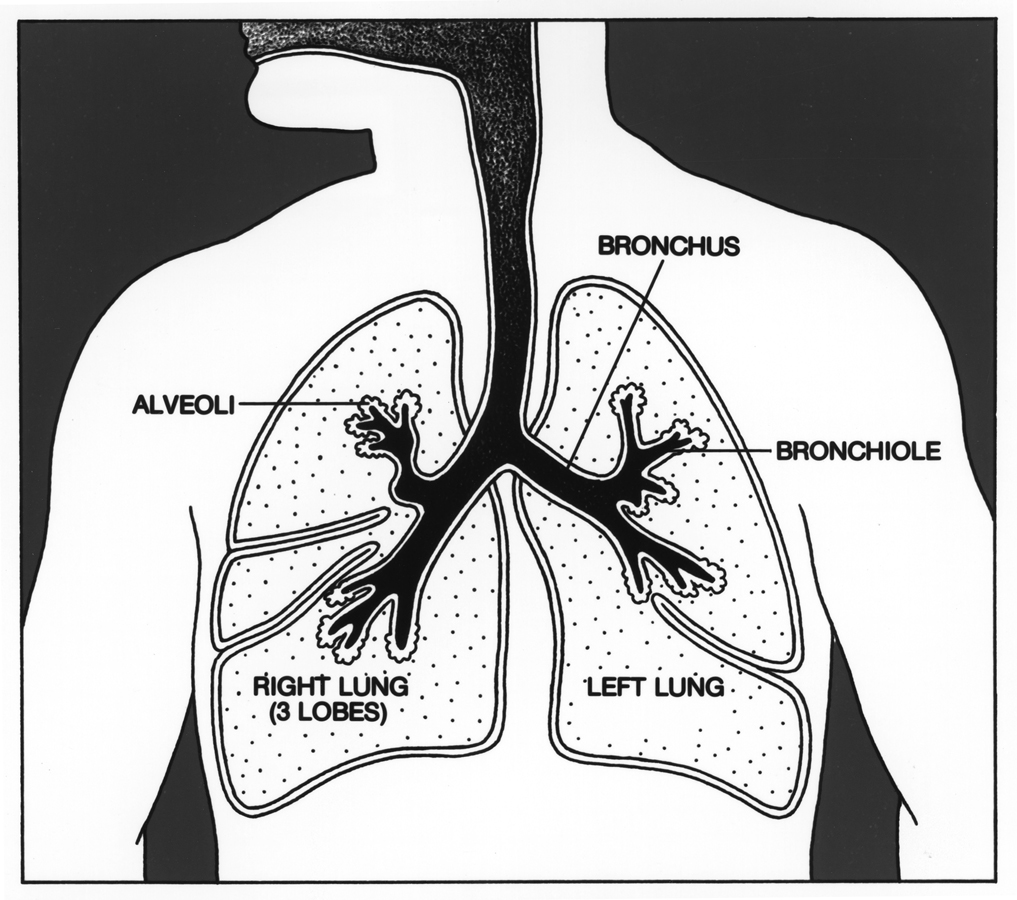
Symptoms of respiratory illness involve some combination of the nose, sinuses, ears, throat, larynx (voice box), trachea, bronchus, and lung

  • Sneezing, stuffy  or runny nose,
  • Sinus pain, pressure
  • coughing, wheezing, shortness of breath
  • sore throat, hoarseness
  • ear pain, fullness

often along with systemic symptoms such as

  • fever and/or chills
  • body aches, fatigue, 
  • nausea, vomiting, diarrhea 
  • headache
  • loss of appetite


Coping with respiratory illness

Although these infections make us miserable and can temporarily disable us from work and school, most otherwise healthy people recover uneventfully, even from COVID-19. Nevertheless, we should take them seriously.


Don’t panic.

Fever ,especially in children, alarms parents. Don’t ignore it but don’t panic either. Reading this post should help you keep calm about fever .

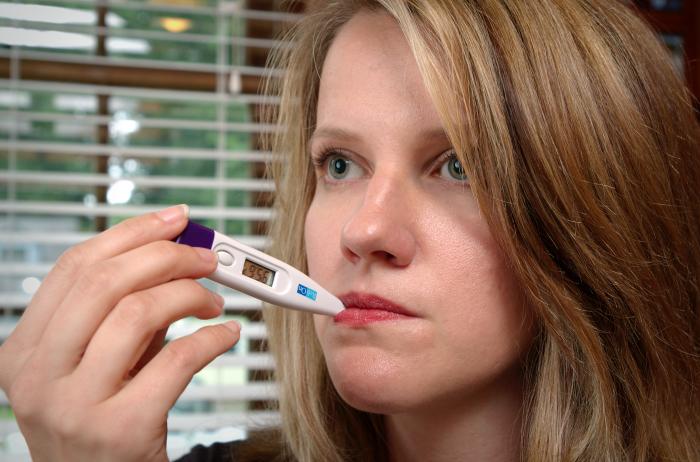
a woman taking her temperature
This photograph depicted a woman who was using a modern, battery-powered oral thermometer, in order to measure her body temperature. In order to return an accurate reading, this particular type of thermometer needed to be placed beneath the user’s tongue, for a set amount of time, beeping when the ambient, sublingual temperature was reached. Photo credit-James Gathany, CDC, public domain

Some  people are at risk of developing  severe symptoms and serious complications from respiratory illnesses, so seek medical help sooner, rather than later. These include

  • Infants, especially under one month old
  • Older adults,starting at about age 50, with risk increasing with age, especially combined with chronic disease
  • Those with chronic lung disease, like asthma, COPD, emphysema, cystic fibrosis
  • People who smoke cigarettes or vape
  • People on medications or with diseases that suppress the immune system
  • Serious chronic diseases – diabetes, liver disease, kidney disease, heart disease, cancer 
  • Obesity (a risk factor for COVID-19 complications)
  • Pregnancy

If you are not sure if you fit into one of these categories, ask your doctor.

Stay home.

These illnesses spread person to person, so minimize contact.

Keep your kids home from school and stay home from work, at least the first few days, when you are  the most contagious. When  there is widespread illness in your community, avoid crowds and public gatherings.

Resting, getting extra sleep, drinking fluids and staying warm and dry  make staying at home therapeutic.

Wash hands.

Speaking of person to person contact, the best way to avoid getting or giving germs is to wash your hands often, but especially after being with others ,using a restroom,  and before cooking or eating. Cleaning household surfaces helps too, as well as clothing and linens. Don’t forget to clean your cell phone, tablets, and keyboards too. Use hand sanitizer if hand washing can’t be done.

Wear a mask

You probably remember that early on in the pandemic, the CDC did not recommend wide spread wearing of masks. I suspect this was to prevent hoarding of masks (remember toilet paper? ) and because they did not know how widely the virus was circulating in the United States.

But that has changed; when experts learn new information they reassess and update recommendations. Whenever you expect to have close contact with people outside your household wear a mask that covers your nose and mouth. In some situations, eye coverings are also warranted but that is not universally recommended now.

Use medication wisely.

Some of these illnesses have a specific medication that clear it faster- strep throat, influenza, pneumonia. The others will “run their course” and meds are used to help relieve symptoms.

Many people assume that any illness with fever, sore throat and cough will improve with an antibiotic. The fact is, most will not. Antibiotics only treat infections caused by bacteria, and most of these are caused by viruses. To learn more read about

These illnesses cause the greatest overuse of antibiotics, contribute to the cost of health care, and the development of antibiotic resistance. Please do not insist on an antibiotic if the doctor says you don’t need it; if offered an antibiotic, ask why.


6 smart facts about antibiotic use


 Be patient

The “24 hour virus” is for the most part a myth. Expect to be ill anywhere from 3 to 10 days; some symptoms, especially cough, can linger for weeks. If you are a smoker, this is a great time to quit. 

But if after 7-14 days you are not getting better or are getting progressively worse, something more may be going on, so it’s wise to seek professional medical help.

Is it flu or is it COVID?

The arrival of COVID-19 this year creates a dilemma since symptoms overlap other respiratory infections and the possible outcomes run the gamut of no symptoms to death.

So this year, if you develop respiratory symptoms, healthcare clinicians will likely test you for COVID-19 , both to guide your care and to protect your family, co-workers, and healthcare workers.

Please do not assume your illness is “just the flu” ; this could have serious, perhaps fatal consequences for you and your loved ones.

Prevention of respiratory infections

Respiratory infections don’t have to happen. We know that they are mostly spread person to person, so what we each do matters. So what can you do?

  • Stay home when you are ill.
  • Observe physical distancing when disease is spreading in your community.
  • Wear a mask when recommended by public health professionals.
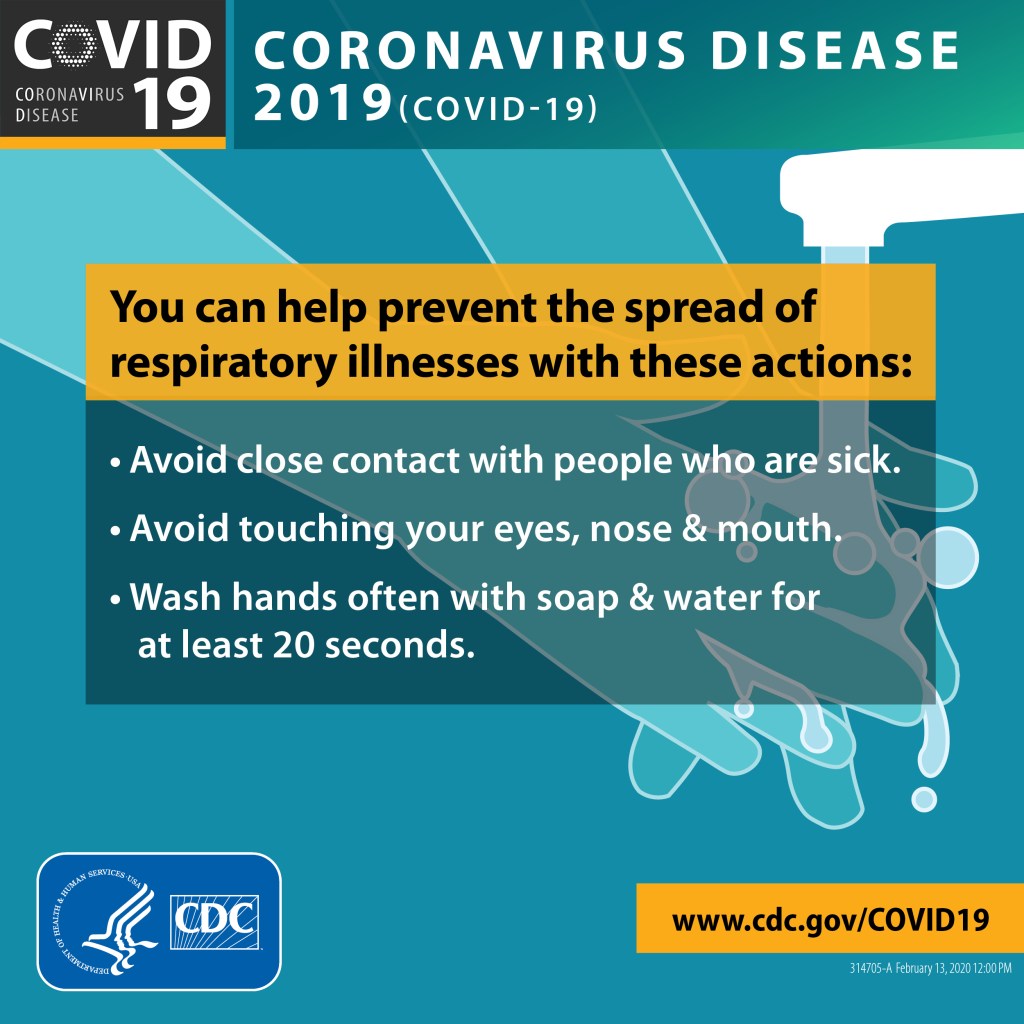
  • Practice careful hygiene on hands and surfaces.
  • Get available vaccinations.


exploring the HEART of respiratory illness

I would love for you to share this  information (but not your germs) on your social media pages.

FLU VACCINE: We all have a role in protecting each other.
used with permission CDC


Dr. Aletha