7 health habits we all need

Decluttering and simplifying our lives may reduce stress and increase satisfaction. While minimizing material possessions is vital, we should also focus on cultivating essential habits: prioritizing sleep, nutritious food, meaningful connections, generosity, physical and mental activity, and genuine communication.

updated September 28, 2025

Articles, blog posts, and social media messages suggest we have too much stuff and that our lives would be better with less stuff. This philosophy goes by different names- decluttering, simplifying, minimalism.

These idea promise less stress, more peace, and more time to enjoy activities that give us pleasure and satisfaction.

I could not agree more and am trying to apply the idea to my life and home. But there are some things we need more of.

We need habits that promote renewal, energy, fitness, and wellbeing. By decluttering, simplifying, and changing our priorities, we will have more time to develop them.


SLEEP

Too many of us treat sleep like a luxury or a waste of time rather than as the necessity that it is. Some of us need more quality sleep; many people are chronically tired due to undiagnosed sleep disorders  such as obstructive sleep apnea which aren’t recognized without medical evaluation.

FOOD

We need  to eat more nutritious food- fresh vegetables and fruits, lean meats, dairy- anything that isn’t processed or full of unnecessary sugar or excessive fat.

Eat a variety of fresh foods every day


vending machine with junk food
And eat less of these, if at all.


CONNECTION

We need to spend more time with our family and friends, keeping in touch physically and emotionally.

family playing a card game
We had fun learning a new board game, a favorite family activity.


GENEROSITY

We need to cultivate generosity and give more, whether it’s of our money, time, talent or possessions.

Contact the veterans' crisis line for help.


PHYSICAL ACTIVITY

We need to move often , including sports, exercise, chores, walking, even just standing up more than we sit. Here are guidelines recommended by the U.S. Department of Health and Human Services

Man climbing up a rock wall
Rock climbing may be too extreme for you, but we can all find something we can do and enjoy.


MENTAL ACTIVITY

We need to read, learn new skills,  start or resume a hobby, learn another language, maybe even start a blog. You might even want to read about health; here are some suggestions.

statue of boy reading a book
Children and adults can develop a reading habit.


CONVERSATION

We need authentic communication with other people.

Social media, phone calls, text and email messages substitute when necessary, but they don’t replace face-to-face time with others.


 Which habits do you need more of?

Which of these resonates with you?

What will you need to change to make room for any of these in your life?

What will you gain if you have more of it in your life?

How will you get started?


Exploring the HEART of Health

I’d love for you to follow this blog. I share information and inspiration to help you transform challenges into opportunities for learning and growth.

Add your name to the subscribe box to be notified of new posts by email. Click the link to read the post and browse other content. It’s that simple. No spam.

I enjoy seeing who is new to Watercress Words. When you subscribe, I will visit your blog or website. Thanks and see you next time.

Dr. Aletha


a review of Being Mortal by Dr Atul Gawande

Dr. Gawande discusses end-of-life care- care when a disease has become terminal and a cure is no longer likely. Sometimes it is difficult to determine when that occurs. As he says, it is rare in medicine when there truly is “nothing more we can do”.

Being Mortal 

Medicine and What Matters in the End

by Atul Gawande

(This blog post features affiliate links which pays a small commission to this blog from purchases, without additional cost to you)

I read Being Mortal by Atul Gawande, M.D. (To be exact, I listened to the audio version)

Atul Gawande- Being Mortal-book cover

Dr. Gawande is a surgeon at Brigham and Women’s Hospital in Boston, Massachusetts and professor at Harvard Medical School. He writes for The New Yorker and has authored three other bestselling books.

In Being Mortal, he explores the way most people live, age and die and for the most part it’s not a pleasant prospect.

Caring for elderly people

As people age and lose independence due to frailness, illness, mental decline and poverty, they often also lose whatever is most important to them- their home, pets, hobbies, possessions. And these losses often occur to protect them from harm as they progress into assisted living centers, nursing homes and hospice.

Dr. Gawande describes how his  family in India expected  to care for their elderly relatives, which differed from what he saw happen when they immigrated to the United States. After becoming a physician, he recognized that our care of the elderly often robs them of the well-being that he sought to promote in his practice.

He wondered how it can be done differently. To find out, he interviewed people who are developing novel ways to provide care to older people, care that preserves their independence, dignity and choices while still keeping them safe and protected.

Most of us either have relatives or friends facing these decisions, or are facing them ourselves. If not now, we all will eventually. Whichever the case, this book show”s” the ultimate goal is not a good death but a good life-all the way to the very end. “

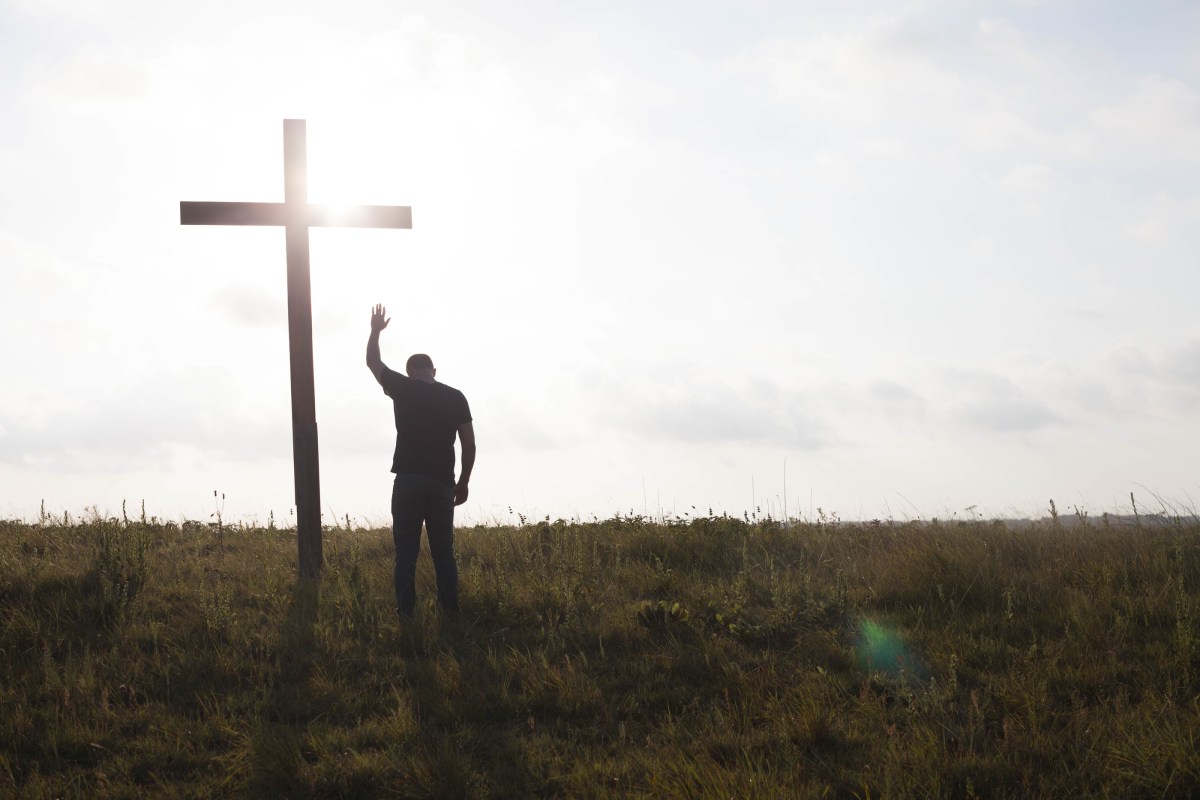
woman sitting in a cemetery
photo from the Lightstock.com collection, an affiliate link

“ the ultimate goal is not a good death but a good life-all the way to the very end.”

Atul Gawande

Caring for dying people

Finally, Dr. Gawande discusses end-of-life care- care when a disease has become terminal and a cure is no longer likely. Sometimes it is difficult to determine when that occurs. As he says, it is rare in medicine when there truly is “nothing more we can do”.

However, just because we can do something, doesn’t mean we should. Some treatments, rather  than extending life just prolong the suffering. Still it is heart wrenching for patients and families, along with their doctors, to decide that it is time to forgo treatment and instead opt for palliative care, with or without hospice.

(Palliative care focuses on symptom management and social and emotional support for patients and families.)

Dr. Gawande poignantly describes this process by sharing in detail his  father’s cancer diagnosis, treatment, progression, hospice care and death. He shows how difficult a process this can be, given that even he and his parents, all of whom are physicians, struggled to come to terms with the reality of terminal illness and the dying process. Though they were all familiar with and experienced in dealing with the medical system, they still felt unprepared to face the decisions required at the end of life. But in the end, both he and his father felt at peace with the outcome and Dr. Gawande senior did experience “a good life-all the way to the very end.”

Atul Gawande on Priorities, Big and Small

a podcast interview with Tyler Cowen

Other books by Dr. Gawande

Complications : A Surgeon’s Notes on an Imperfect Science

In gripping accounts of true cases, surgeon Atul Gawande explores the power and the limits of medicine, offering an unflinching view from the scalpel’s edge. Complications lays bare a science not in its idealized form but as it actually is―uncertain, perplexing, and profoundly human.

Better: A Surgeon’s Notes on Performance 

The struggle to perform well is universal: each of us faces fatigue, limited resources, and imperfect abilities in whatever we do. But nowhere is this drive to do better more important than in medicine, where lives may be on the line with any decision.

Atul Gawande, the New York Times bestselling author of Complications, examines, in riveting accounts of medical failure and triumph, how success is achieved in this complex and risk-filled profession

The Checklist Manifesto:How to Get Things Right

Atul Gawande shows what the simple idea of the checklist reveals about the complexity of our lives and how we can deal with it.

exploring the HEART of caring

Please follow Watercress Words for more information and inspiration to help you change health challenges into health opportunities.

Thank you for  viewing  the advertisements and using the affiliate links  that fund this blog; with your  help, we can grow, reach more people, and support worthy causes that bring health and wholeness to people around the world.

Dr. Aletha

please help support this blog; consider starting with the cost of a beverage

Choose an amount

$5.00
$25.00
$50.00

Or whatever works for you

$

I welcome and appreciate your support, it helps fund this blog and share the HEART of health all over the world.

Excess funds are donated to health related charities.
Dr. Aletha

Donate