Continue loving each other as brothers and sisters in Christ.
Always remember to help people by welcoming them into your home. Some people have done that and have helped angels without knowing it.
Don’t forget those who are in prison. Remember them as though you were in prison with them.
And don’t forget those who are suffering. Remember them as though you were suffering with them.
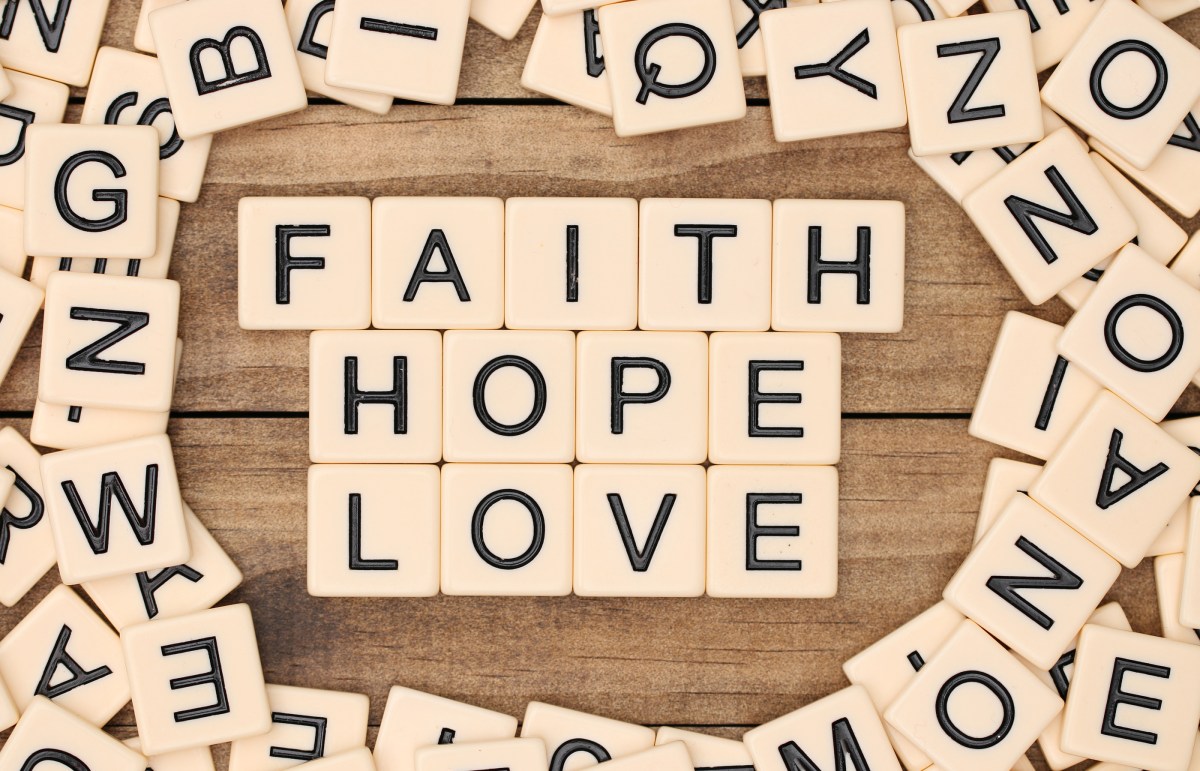
graphic created and offered by Lightstock.com, stock photo site
Dr Tim Chester is a pastor of Grace Church Boroughbridge, North Yorkshire; a faculty member of Crosslands; and author of over 40 books.
Weekend words is a regular feature of watercress words. At the end of the work week we share words of faith, hope and love from the Bible and other carefully selected writings.
Use these links to share the heart of health wherever you connect.
Do you feel as angry as I do when you hear yet another news story about adults, usually men, who sexually abuse children and adolescents? Almost every newscast on television reports a new incident, if not nationally, but here in my own community. And I don’t live in a high crime area.
Do you feel as angry as I do when you hear yet another news story about adults, usually men, who sexually abuse children and adolescents? Almost every newscast on television reports a new incident, if not nationally, but here in my own community. And I don’t live in a high crime area.
Even assuming that some,maybe many of the perpetrators are mentally ill, the numbers seem staggering. I wonder, how can our society do better? How can we adults protect vulnerable children?
Thankfully, smart people are working on solutions but in the meantime all of us who have children, grandchildren or other children in our care must do whatever we can to be the first line of defense.
One mother’s story
This article by Stacy Harrison ,who blogs at Revisions of Grandeur ,caught my attention. She recounts a time when her child might have become an abuse statistic but didn’t due to her vigilance as a mother. She thwarted a potential attack upon her son by
trusting her instincts
talking to her child
disregarding stereotypes and
being aware of where she was vulnerable
I encourage you to read her post and consider her suggestions for keeping our children safe.
“Sexual abuse can happen to children of any race, socioeconomic group, religion or culture. There is no foolproof way to protect children from sexual abuse, but there are steps you can take to reduce this risk. If something happens to your child, remember that the perpetrator is to blame—not you and especially not the child.”
At this link from RAINN, you’ll find some precautions you can take to help protect the children in your life.
“Stop It Now! has developed a warning signs tip sheet to help identify possible warning signs. Any one sign does not mean that a child was sexually abused, but the presence of several suggests that you begin asking questions and consider seeking help.”
Here is expert advice from the U.S. Department of Justice about