Fever- act on the facts not the fallacies; learn how here
#fever#seizures
I don’t know where the “keep calm” slogan originated, but it certainly applies in the case of fever. Many people consider fever a bona fide emergency, especially in children.
But fever is just a symptom, usually due to a benign (minor) illness that is self-limited (will go away on its own). In less common circumstances, it is due to a serious or even life-threatening disease.
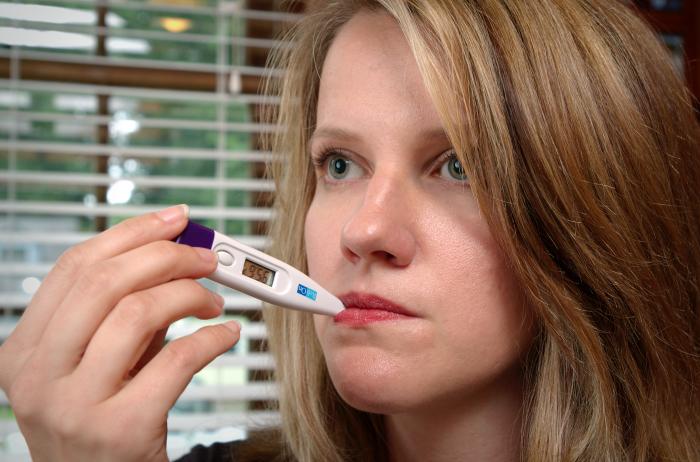
This photograph depicted a woman who was using a modern, battery-powered oral thermometer, in order to measure her body temperature. In order to return an accurate reading, this particular type of thermometer needed to be placed beneath the user’s tongue, for a set amount of time, beeping when the ambient, sublingual temperature was reached. Photo credit-James Gathany, CDC, public domain
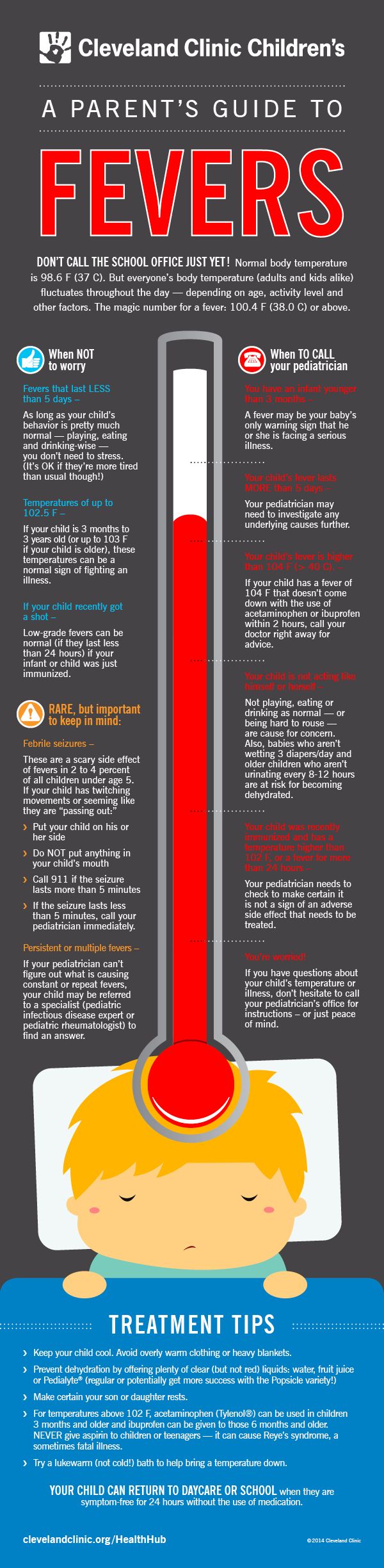
“5 truths about fevers in children”explains that, and most of the content applies just as well to adults as children. One difference is that febrile seizures do not occur in adults.
A febrile seizure is one for which there is no other cause – the fever caused the seizure.
So if an older child, adolescent or adult with a fever has a seizure, that seizure must be due to something else; for example, meningitis, an infection of the brain lining, can cause fever and seizures; in that case the seizure is due to the infection, not the fever. In this case, the seizure is the emergency, not the fever.
Threatens vision/hearing/speech/mental function/ function of any major internal organ or organ system
Has the potential, if not treated promptly, to cause death or long term and/or permanent harm.
Exploring the HEART of health
Thank you for reading this post. Please follow this blog and me on social media.
I share information and inspiration to help you transform challenges into opportunities for learning and growth.
Add your name to the subscribe box to be notified of new posts by email. Click the link to read the post and browse other content. It’s that simple. No spam.
I enjoy seeing who is new to Watercress Words. When you subscribe, I will visit your blog or website. Thanks and see you next time.
Since the late 1970s, the medical profession has transformed considerably, largely due to government interventions and technological advancements. These changes, which were initially predicted by Dr. Jeffrey Singer in 2013, include the integration of technology via electronic medical records (EMR), linkages of compensation to medical coding, and the shift toward 3rd party payors like insurance companies. Furthermore, the profession has seen a surge in nurse practitioners and physician‐assistants, limiting the role of traditional physicians. However, a small market for cash‐only, personalized, private care remains resilient amidst these transformations.
updated February 1, 2022
“Since the late 1970s, I have witnessed remarkable technological revolutions in medicine, from CT scans to robot-assisted surgery. But I have also watched as medicine slowly evolved into the domain of technicians, bookkeepers, and clerks.”
Jeffrey Singer, MD, 2013
photo from Prixel Creative at LIGHTSTOCK.COM, affiliate link
Since Dr. Jefferyh Singer wrote this article in 2013, most of the changes he predicted had or were in the process of occurring.
By 2013
Medicare imposed price controls based on diagnosis codes for the doctor’s service.
Private insurers linked compensation to coding and diagnosis, not the service the doctor performed.
Change from patients paying for their care to 3rd party payors, usually insurance companies.
Health maintenance organizations, HMOs, required in-network care only, restricting patient choice (these largely have gone away)
Practicing by evidence-based medicine, treatment protocols, and guidelines, sometimes enforced with financial penalties
But some of what he wrote had not yet happened. Then it did.
Trend toward replacement of physicians by nurse practitioners and physician‐assistants
All physicians and hospitals converted to electronic medical records (EMR) by 2014 or faced Medicare reimbursement penalties.
Doctors more often selling their practices to hospitals, thus becoming hospital employees.
Growth of a small but healthy market for cash‐only, personalized, private care.
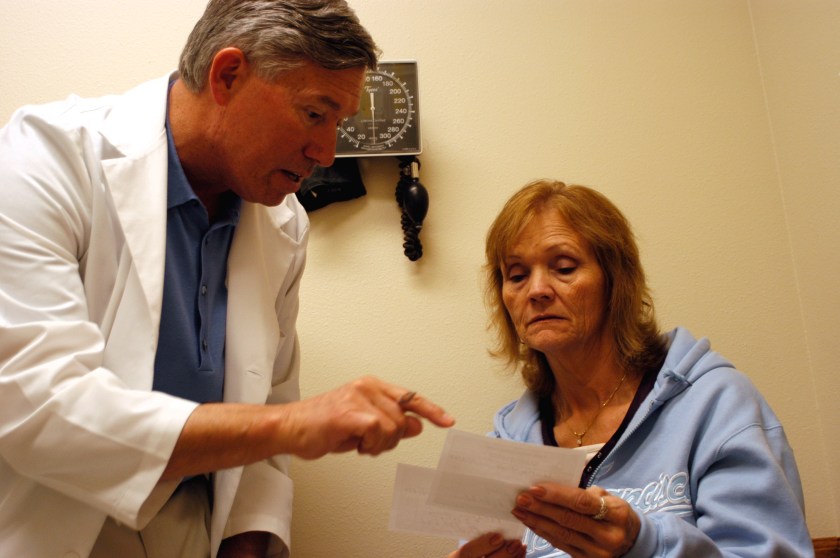
photo compliments American Academy of Family Physicians
What patients should know
(according to Dr. Singer)
The increased regimentation of medicine leads to the replacement of physicians by nurse practitioners and physician‐assistants.
In many cases, routine medical problems can be handled cheaply and efficiently by paraprofessionals. But these practitioners are limited by depth of knowledge, understanding, and experience.
Patients should be able to decide for themselves if they want to be seen by a doctor. It is increasingly rare that patients are given a choice about such things.
Medicare continues to demand that specific coded services be redefined and subdivided into ever‐increasing levels of complexity. Harsh penalties are imposed on providers who accidentally use the wrong level code to bill for a service. Sometimes the penalty can even include prison.
A small but healthy market exists for cash‐only, personalized, private care. For those who can afford it, there will always be competitive, market‐driven clinics, hospitals, surgicenters, and other arrangements. Some opt for “medical tourism,” health care packages offered at competitive rates in overseas medical centers. Similar healthy markets already exist in areas such as Lasik eye surgery and cosmetic procedures. The medical profession will survive and even thrive in these small private niches.
In 2011, The New England Journal of Medicine reported that fully 50 percent of the nation’s doctors had become employees—either of hospitals, corporations, insurance companies, or the government. Just six years earlier, in 2005, more than two‐thirds of doctors were in private practice. As economic pressures on the sustainability of private clinical practice continued to mount, this trend continued and grew
Exploring the HEART of health
I am more optimistic than Dr. Singer. I see doctors of my generation still actively practicing, many in their own practices.
I see the younger generation of physicians entering practice with new skills, tech-savvy, influencers, and dedicated to taking care of patients as we were 40 years ago.
Thank you for reading this post. Please follow this blog and me on social media.
I share information and inspiration to help you transform challenges into opportunities for learning and growth.
Add your name to the subscribe box to be notified of new posts by email. Click the link to read the post and browse other content. It’s that simple. No spam.
I enjoy seeing who is new to Watercress Words. When you subscribe, I will visit your blog or website. Thanks and see you next time.
Although many patients find AI helpful for understanding medical information, experts caution about potential inaccuracies and privacy risks, urging careful use and verification of AI-generated responses.