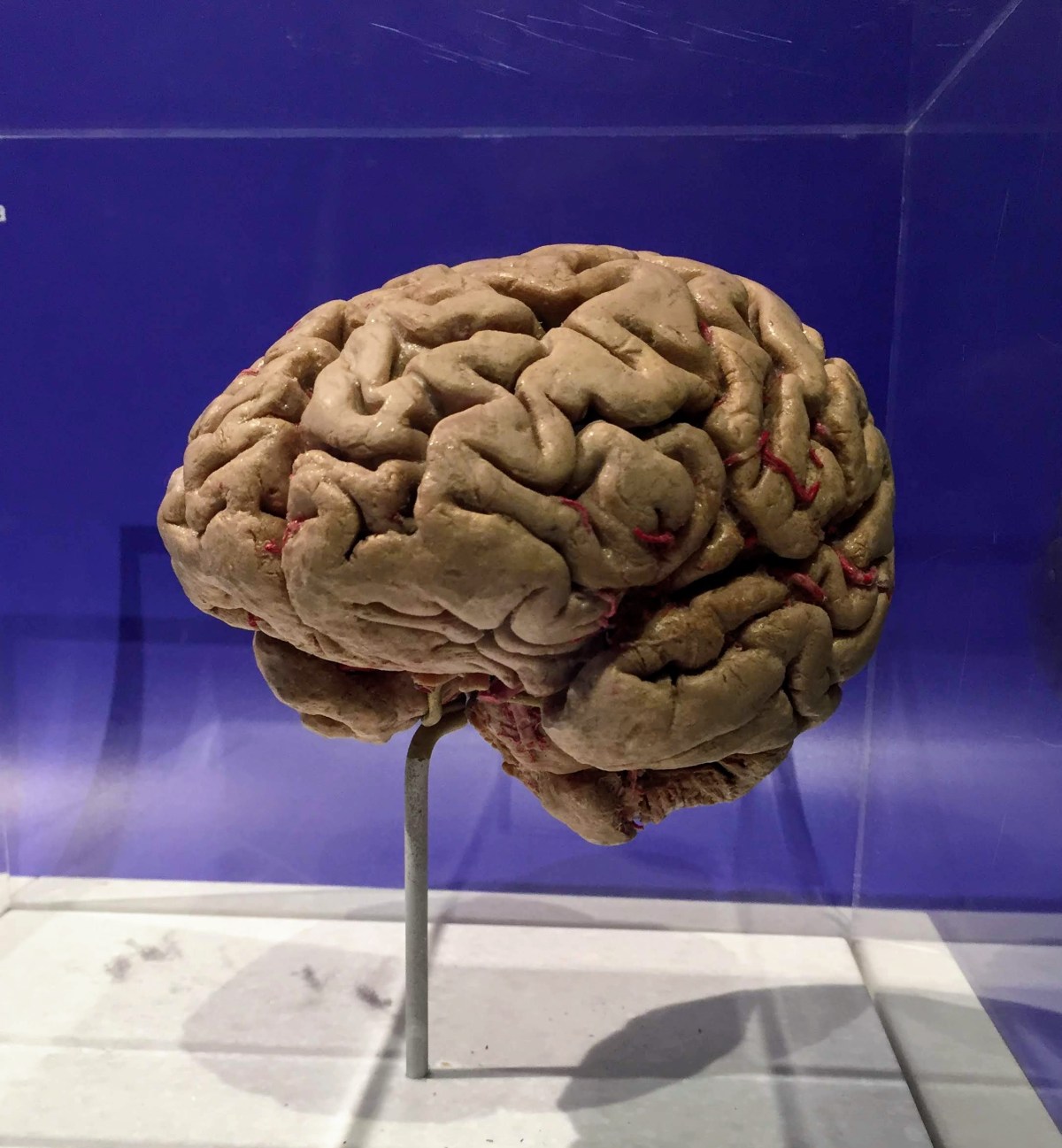
Admissions: Life as a Brain Surgeon
By Henry Marsh
Admissions is the memoir of Henry Thomas Marsh CBE FRCS, a retired British neurosurgeon (I understand surgeons in Great Britain are usually addressed as Mister instead of Doctor.) Mr. Marsh shares his thoughts and feelings as he reminisces over his distinguished 40-year career of performing intricate lifesaving brain surgeries.


Don’t let the subtitle, Life as a Brain Surgeon, deter you from reading it. Although he narrates details of surgeries he has performed, he refrains from “gory” descriptions (although as a physician I may not be the best judge). He explains enough of the anatomy and technique to be interesting and informative, but not so complicated to bore the lay reader.
The true gems in his narrative are not the anatomical details of the patients’ conditions but how those conditions affect their lives. In his “Life as a Brain Surgeon”, Mr. Marsh routinely treated life-threatening conditions, like brain hemorrhages, as well as potentially disabling ones- tumors that destroy the optic nerve, causing permanent blindness.
All too frequently he faced a dilemma-is the patient better off with or without surgery? In either case, his decision will have permanent life-changing implications for the patient and family, a task he holds seriously.
Mr. March wrote about some of his many patients and surgeries in another book, Do No Harm: Stories of Life, Death, and Brain Surgery.


Besides his long career in England, he regularly traveled to Nepal and Ukraine to teach and assist in surgeries, both simple and complicated. Those national surgeons were grateful to receive this advanced education not available in their own countries. Mr. Marsh hints that he derives his greatest career satisfaction from working with the professionals and the patients in his adopted countries and ending that association is perhaps harder than leaving practice in his own country.
I don’t know for how much longer I will feel able to be of use here, or whether I will return, but it seems I am still wanted.
Anticipating his retirement, Mr. Marsh buys a run-down lakeside cottage where he hopes to “cope with retirement”, pursuing his hobby of woodworking. But before he can do that, he needs to spend considerable time and energy renovating it, a task proving more involved than he anticipated.
His narrative moves back and forth from his hospital in London, his cottage in Oxford, and trips to Nepal and Ukraine as he wraps up his work there and says goodbye to the surgeons who are now friends as well as colleagues.
Mr. Marsh also reminisces about his childhood and parents, his schooling, two marriages, and his children. And after a lengthy career of helping others cheat death, he ponders how his own will happen.
As we lie dying, many of us will keep a little fragment of hope alive in a corner of our minds, and only near the very end do we finally turn our face to the wall and give up the ghost.
I think Mr. Marsh wrote his memoir more for himself than for others, but I am glad he shares it. Reading his candid reflection on a life far different from ours is entertaining yet deeply thought-provoking. Perhaps reading his book will spur us to look similarly at our “life as a…..” and be pleased with what we see.
“Thank you NetGalley and publisher for sending this book for review consideration. All opinions are my own.”


And Finally: Matters of Life and Death
Mr. Marsh continues his narrative with a look at his post-retirement life which unfortunately has been marred by the onset of a serious illness. As mentioned in my review of Admissions, he has pondered the end of life and wondered how he would face it; in And Finally, he answers that question.
I’ve just finished reading it so please follow Watercress Words so you will know when I publish my review of And Finally: Matters of Life and Death.
exploring the HEART of health
I appreciate Dr. Marsh’s work and his willingness to share his experiences, wisdom, and insights. Although we practiced on opposite sides of the ocean in vastly different health systems, I can identify with his thoughts and feelings, and like him am learning to “cope with retirement” after a medical career.
Thanks for reading.
Dr. Aletha
Do you know that a neurosurgeon once ran for president of the United States? I wrote about him in this post.

Ben Carson, MD-surgeon, Secretary, philanthropist
Dr. Ben Carson pioneered pediatric brain surgery, ran for the Republican presidential nomination, served as Secretary of HUD, and with his wife established a scholarship fund to encourage academic excellence.
Keep reading









 watercress words by Dr Aletha