Science-our friend, not foe

This post highlights the importance of science and technology, emphasizing that progress and prosperity are directly tied to advancements in these fields. We are indebted to scientists for modern conveniences and medical advances. One is the significant medical impact of Henrietta Lacks’ cells, unknowingly donated and immortal, which have led to several major scientific discoveries.

Whoever desires progress and prosperity, whoever would advance humanity to a higher plane of civilization, must further the work of the scientist in every way he possibly can.

You might think this is a recent statement, but it is not. It was written over a hundred years ago. Here is an expanded version taken from the original source.

Take from the air every aeroplane; from the roads every automobile; from the country every train; from the cities every electric light; from ships every wireless apparatus; from oceans all cables; from the land all wires; from shops all motors; from office buildings every elevator, telephone and typewriter; let epidemics spread at will; let major surgery be impossible

all this and vastly more, the bondage of ignorance, where knowledge now makes us free, would be the terrible catastrophe if the tide of time should but ebb to the childhood days of men still living!…

Therefore, whoever desires progress and prosperity, whoever would advance humanity to a higher plane of civilization, must further the work of the scientist in every way he possibly can.

The Work of the Scientist. JAMA. 2022;327(9):882. doi:10.1001/jama.2022.0191

Originally Published March 4, 1922 | JAMA. 1922;78(9):649. (JAMA Revisited is transcribed verbatim from articles published previously, unless otherwise noted.)

Written in 1922, this author could not mention space flight, GPS, computers, CT and MRI scanners, modern drugs and surgical techniques, organ transplantation, DNA, and a myriad other modern conveniences we take for granted.

I don’t ride trains, I’m not sure what a “wireless apparatus” is, and I haven’t used a typewriter in years. I don’t understand the current aversion, suspicion, and contempt for those who study and work in the STEM fields-science, technology, engineering, and math.

But every time we use our mobile phones, computers, access the internet, or stream videos or music, we can thank the scientists who made it possible.

(This and other posts on this blog contain affiliate links that may pay a small commission to this blog, while you pay nothing extra, but only if you click, look, and make a purchase. Quite a deal for us both. )

Science books and reviews

I have reviewed or recommended several science books on this blog and this post gathers them together in one place. Bookmark this list post for easy reference later.
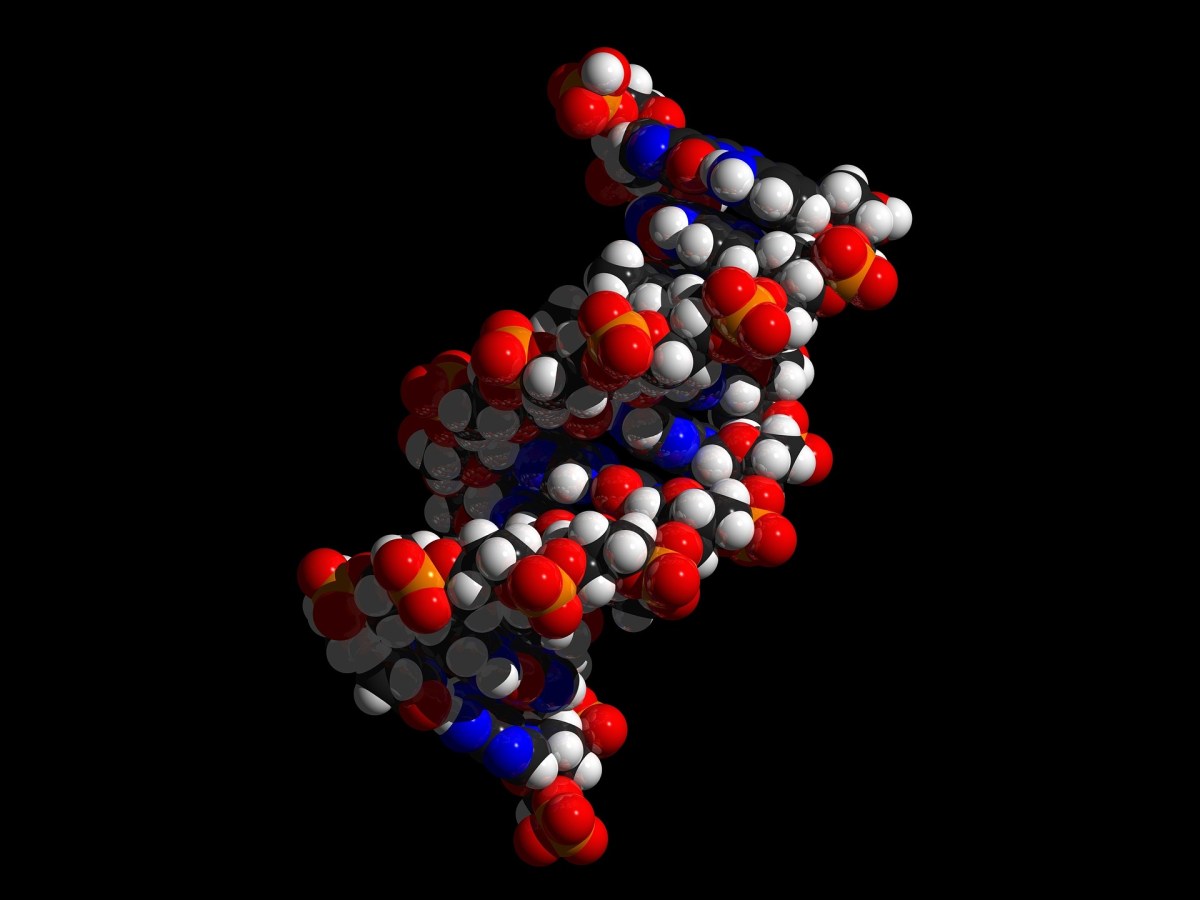
THE MUTANT PROJECT-a book review

At the same time, some of the more entrepreneurial see the potential for using genetic modification to selectively breed desirable and profitable human traits-high IQ, increased muscle mass, or designer skin color, and enhanced fertility, including choosing the gender of babies.

Keep reading

Despite the name, this book is not about COVID-19.
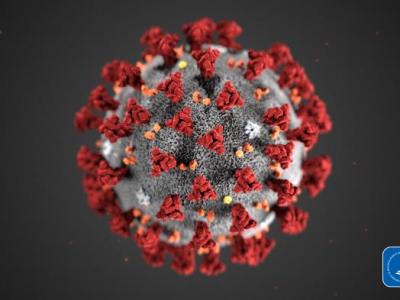
Pandemic- a book review

If you like history, current events, medical science, or just want to be more knowledgeable about why we should be concerned about infections , antibiotic resistance and vaccine phobia, you should read this book.

Keep reading
World of Wonders-a book review

This post reviews “World of Wonders” by Aimee Nezhukumatathil, a collection of mini memoirs celebrating the marvels of nature. Through personal stories and insights, the author connects human lives to those of other living creatures, inviting readers to appreciate Earth’s diversity. Supported by exquisite illustrations, the book offers a captivating exploration of the extraordinary world…

Keep reading
5 steps to understand statistics about health risks

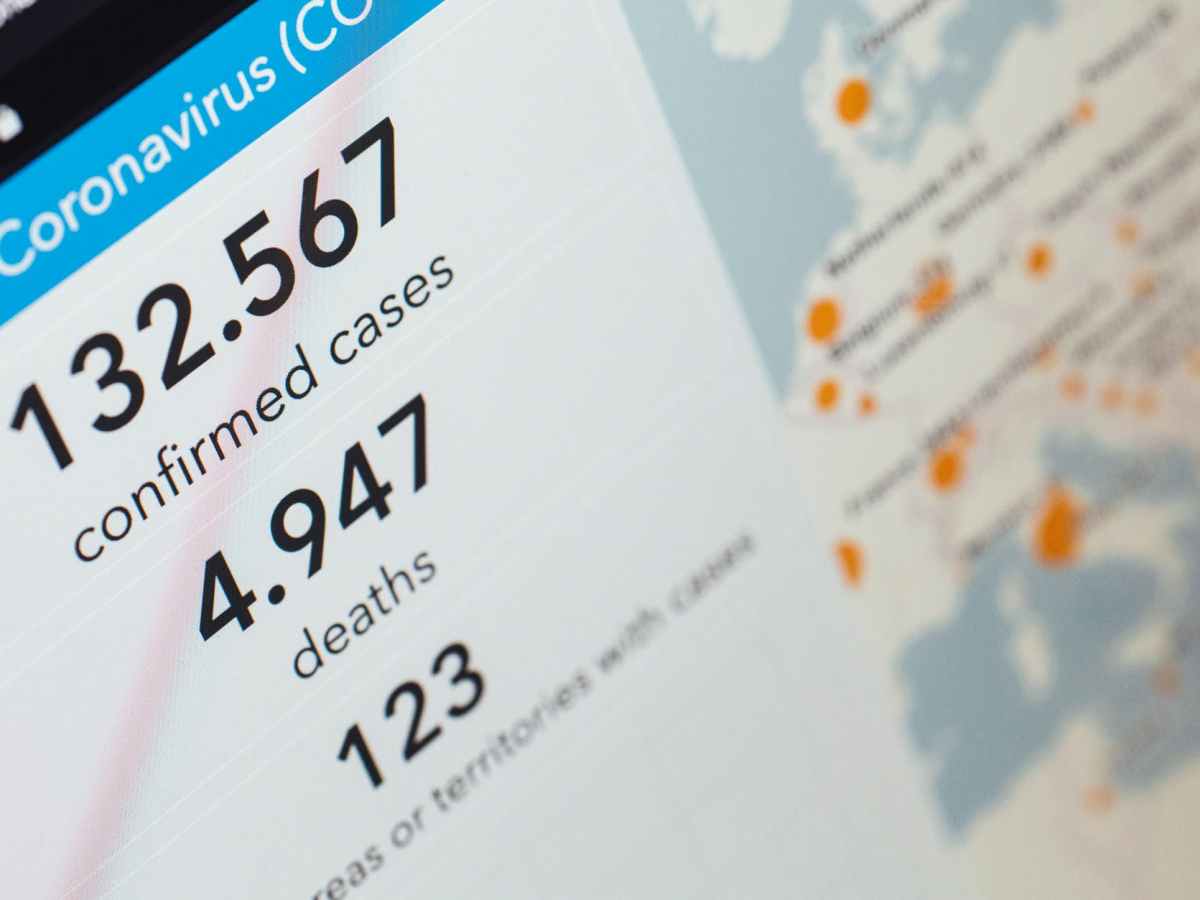
The article discusses the role of statistics in understanding health outcomes, particularly in breast cancer and COVID-19. It highlights the importance of epidemiology in guiding medical decisions and emphasizes the need for clear communication of data to prevent misinformation. Understanding statistics can lead to better health choices and disease prevention.

Keep reading

Do you know how the universe started? Read what these men think.

I want to introduce you to my new guest blogger, Web developer, David Hynes.  David has a Bachelor of Science degree in Industrial Engineering and an MBA. Before retiring, he worked with my husband as a Senior Staff Information Analyst for a large oil company. He follows politics, technology and science and enjoys music and travel.  I enjoy David’s social media posts which are thoughtful and articulate. He recently commented about an engaging book he was reading and posted a summary of the main points from the first part of the book. He graciously gave permission…

Keep reading

The Immortal Life of Henrietta Lacks 

I haven’t reviewed this book but I read it and wondered why I didn’t know this story before, a true account of a simple but strong woman whose death gave a priceless gift to science- immortal cells.

“Her name was Henrietta Lacks, but scientists know her as HeLa. She was a poor Southern tobacco farmer who worked the same land as her slave ancestors, yet her cells—taken without her knowledge—became one of the most important tools in medicine: The first “immortal” human cells grown in culture, which are still alive today, though she has been dead for more than sixty years.

HeLa cells were vital for developing the polio vaccine; uncovered secrets of cancer, viruses, and the atom bomb’s effects; helped lead to important advances like in vitro fertilization, cloning, and gene mapping; and have been bought and sold by the billions. 

Yet Henrietta Lacks remains virtually unknown, buried in an unmarked grave.

As author Rebecca Skloot so brilliantly shows, the story of the Lacks family—past and present—is inextricably connected to the dark history of experimentation on African Americans, the birth of bioethics, and the legal battles over whether we control the stuff we are made of. 

Intimate in feeling, astonishing in scope, and impossible to put down, The Immortal Life of Henrietta Lacks captures the beauty and drama of scientific discovery, as well as its human consequences.” from Amazon

exploring the HEART of health through books about science

I hope you will bookmark this page in case you don’t have time to read all the posts.

I’d love for you to follow this blog. I share information and inspiration to help you turn health challenges into health opportunities.

Add your name to the subscribe box to be notified of new posts by email. Click the link to read the post and browse other content. It’s that simple. No spam.

I enjoy seeing who is new to Watercress Words. When you subscribe, I will visit your blog or website. Thanks and see you next time.

a world globe with two crossed bandaids

Doctor Aletha

And please check out my page full of suggestions to make your life easier.

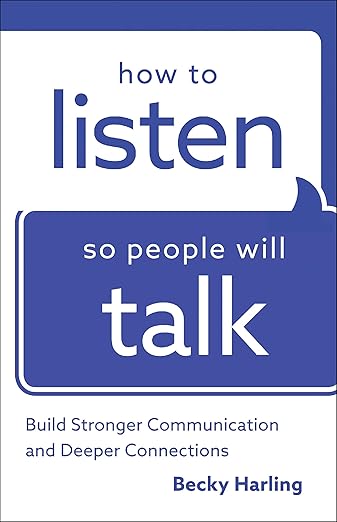
How to Listen So People Will Talk-a book review

In this post I review the book “How to Listen So People Will Talk” by Becky Harling. She emphasizes the importance of listening in effective communication. The author, a certified John Maxwell speaker and coach, provides practical tips, including asking questions, showing empathy, and using body language. The book addresses listening through conflict and enhancing interpersonal relationships
and virtual communication.

updated August 7, 2025

How to Listen So People Will Talk: Build Stronger Communication and Deeper Connections

By Becky Harling

Published in 2017 by Bethany House Publishers

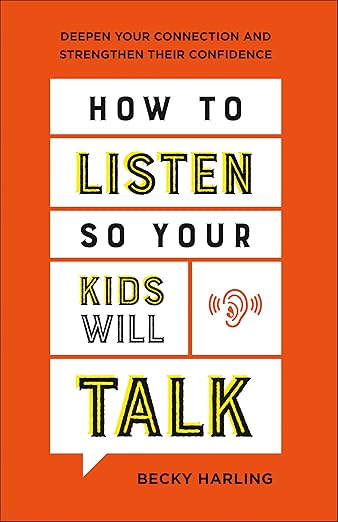
When I searched for this book online, I typed How to Talk so People Will Listen into my browser. And it turns out, there is a book by that title.

But my faux pas illustrates why we need to read this book. Most of us would rather talk than listen. Or in the case of social media, post instead of read.

Let the wise listen

Proverbs 1:5

Becky Harling-speaker, coach, trainer

Becky Harling is a certified John Maxwell speaker, coach, and trainer. From reading this book, I am convinced she knows more about communication than most of us.

She and her husband Steve pastored churches for many years. Now they travel internationally speaking on spiritual growth, leadership, communication, and world missions.

She quotes Maxwell in the book, along with several other names I recognize-Maya Angelou, Dietrich Bonhoeffer, Dale Carnegie, and Dee Brestin; the Mayo Clinic and Psychology Today; and Jesus.

I appreciate authors who realize they don’t have the definitive word on anything and seek out others’ viewpoints. Literally, the first words in the book are from the Bible, Proverbs 1:5

Let the wise listen and add to their learning.

Proverbs 1:5
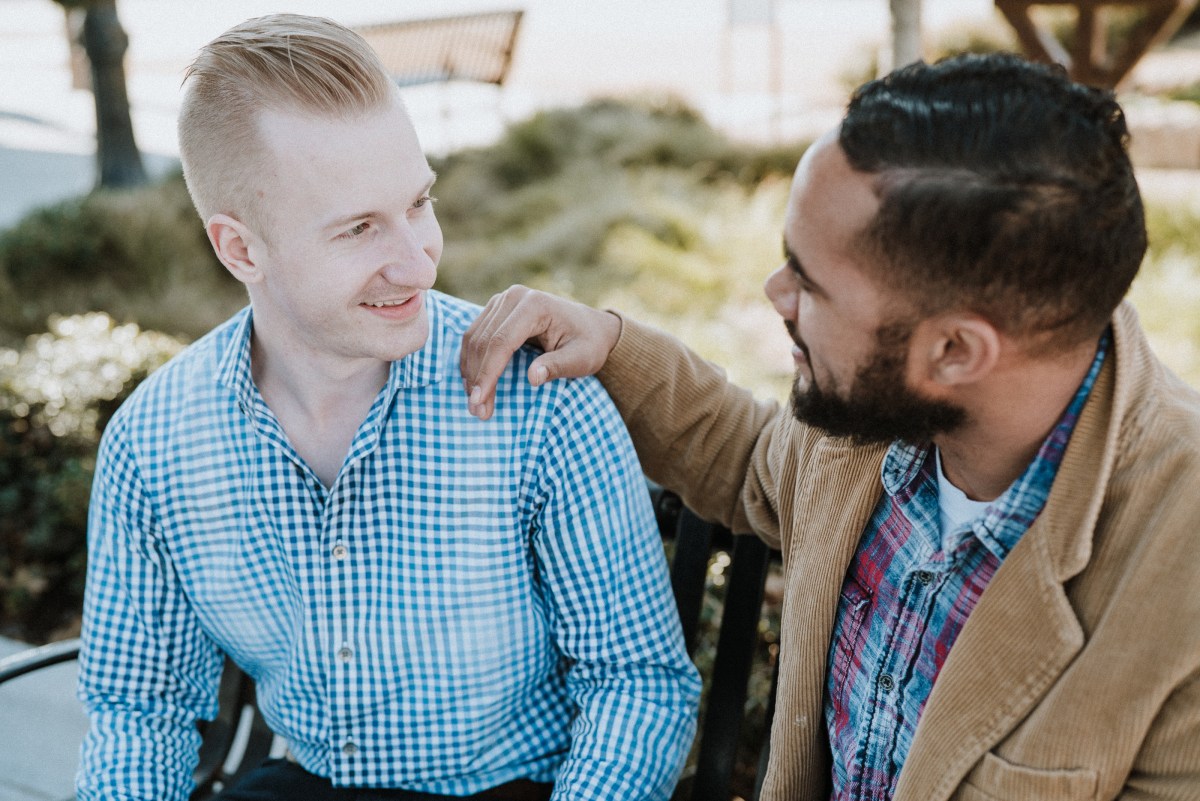
two males talking, books on a table beside them

Listen by keeping your mouth shut.

Becky’s advice can be summarized in four words-keep your mouth shut. Fortunately for readers, she says it in a much nicer way.

Most of us listen to others so they will listen to us. She wants us to listen to people say things we may not want to hear or may not like or that make us uncomfortable.

Listen effectively

  • Ask great questions. (She points out that Jesus was a master at this.)
  • Don’t be a fixer.
  • Show empathy (which doesn’t mean sharing what happened to you.)
  • Validate feelings.
  • Use body language to show interest.
  • Don’t be distracted.

Sounds easy, right? If you think you’re doing well at listening, test yourself with the exercises she includes at the end of each chapter.

First, read one or two suggested scriptures, then ask yourself some pertinent questions, and then do real-life practice. She calls these “biblically based, practical listening skills.” I think you will find them not so easy.

“Listening is like a muscle. The more we develop and train, the stronger our skills will become and the more effective we’ll become.”

two women, talking, sitting across a table, with coffee and open Bibles

Listening through conflict

I think the most helpful chapter was the one titled Practical Principles for Listening in Conflict. One tip-listen to agree.

She also discusses how to avoid conflict and three rules for dealing with a toxic person. She warns-don’t stay in a physically abusive relationship.

Listening to those who matter

I expected Becky’s book to be “10 quick and easy steps to perfect communication”. It was not.

Becky addresses interpersonal communication between family, friends, coworkers, and neighbors since those are the people we have the most difficulty listening to, but most need to listen to.

“We are never able to go back and retrieve lost moments, so be attentive. Eliminate distractions that are robbing your ability to listen. Offer your full presence to those you love. “

Listening on social media…

Although Becky does not address it, I think these principles can apply to virtual communication. These communication methods may lack visual clues, so using listening techniques such as questions, validation, and empathy can make these conversations more productive.

man looking at a phone screen

Listening to connect

I’m afraid Becky’s plan will not be popular with those who talk only to promote their personal agenda without regard to others’ feelings or opinions. To her, talking is definitely a partnership not a performance.

This book will be a valuable resource for those who want to create a new standard of listening to understand, affirm, and build relationships.

Beckly includes a Notes section at the end listing references for each chapter, both print and online sources.

Disclaimer

The book links are affiliate links , as are the photo links-their use helps fund this blog and sharing the HEART of health around the world.

I received a digital copy of this book from NetGalley in exchange for a review. Find my other NetGalley reviews on the website.

NETGALLEY MEMBER PROFESSIONAL READER

Exploring the HEART of listening

How are your listening skills? Do you listen to talk, or listen to learn?

Becky suggests asking great questions to get great answers. Here are some to try. (These are not necessarily in the book.)

  1. What is making your life interesting now?
  2. What would you like to change about your life right now?
  3. What would you like to change about the world right now?

Follow these up with questions probing the reason they answered that way. Remember, you’re asking to understand, not to debate.

I’d love for you to follow this blog. I share information and inspiration to help you turn health challenges into health opportunities.

Add your name to the subscribe box to be notified of new posts by email. Click the link to read the post and browse other content. It’s that simple. No spam.

I enjoy seeing who is new to Watercress Words. When you subscribe, I will visit your blog or website. Thanks and see you next time.

Dr. Aletha

Post Images

The photos I used in this post are from Lightstock.com-photos, videos, graphics, design elements -try free for 14 days
cheesy-free faith-focused stock photos

Lightstock-quality photos and graphics site- here. 

(This is an affiliate link)