Do you know CPR? Try Cardio-Pulmonary Reading

But new evidence has revealed that anyone infected with COVID is at higher risk for heart issues—including clots, inflammation, and arrhythmias (irregular beats)—a risk that persists even in relatively healthy people long after the illness has passed.

View post to subscribe to site newsletter.

The SARS-CoV-2 virus enters the human body through the upper respiratory tract-the nose, mouth, and throat, and sometimes stays there. But other times it stealthily moves down the throat into the trachea, the bronchi, and finally the lungs.

There the virus creates inflammation that impairs the lungs’ ability to do their job- take oxygen from the air we breath and send it to the heart which pumps it through the aorta to all the other organs of the body.

Although inflammation caused by the COVID virus can damage other body organs, the most common causes of death in its victims are respiratory failure and/or cardiovascular disorders such as heart attack, heart failure, or stroke.

Even apart from COVID, diseases of the heart and lung are the leading causes of death all over the world. This post reviews 3 books I have read and reviewed that explain the intricacies of these two related and vital systems. One review is new, the other two have been previously published.

(This and other posts on this blog contain affiliate links that may pay a small commission to this blog, while you pay nothing extra, but only if you click, look, and make a purchase. Quite a deal for us both. )

diagram of the human heart
Heart diseases affect any and sometimes multiple parts of the heart- the atria, ventricles, the valves, the aorta, the pulmonary artery and veins, the walls and the coronary arteries (not shown in this diagram. )

The Source of All Things

A Heart Surgeon’s Quest to Understand Our Most Mysterious Organ

By Dr. Reinhard Friedl, With Shirley Michaela Seul; Translated by Gert Reifarth

Originally published as Der Takt des Lebens. Warum das Herz unser wichtigstes Sinnesorgan ist

In his memoir, Dr. Reinhard Friedl introduces us to the heart, describing its unique role in the human body, one he considers the most important of any organ. He believes the heart is the “source of all life”.

Dr. Friedl describes the heart’s structure and basic function, in detailed but non-technical terms. He does not view the heart as a mere pump as it is often described, but as a turbine, an engine.

Then he whisks us into the operating room as he performs a middle of the night emergency surgery to save a man’s life by repairing his damaged aorta. Later, he travels to a home to resuscitate a 34-week premature baby who wasn’t breathing. He describes the challenge of performing a delicate heart surgery on a 24-week premature infant. In each case, he acted automatically, calling upon years of training, using his mind and hands with precise attention to details, focusing only on the patient’s open chest on the table.

But operating with his brain was not enough for Dr. Friedl. He realized as a heart surgeon he needed to know and use his own heart. He wanted to find out

“Can we sense thing consciously with the heart? May we act from the heart? Is there a connection between the voice of the heart and illnesses, between a fulfilling life and one full of suffering?”

He explored the answer through meditation and deep breathing. He dove into the connection between the heart and the brain, studying philosophy, neurology, genetics, and even quantum physics. He finally concludes

“The greatest challenge for modern medicine is to bring back together the fragments of the human being and integrate them in holistic medicine.”

Dr. Friedl’s story wanders at times, as did his journey to self-discovery. One chapter title, Farewell to the Artificial Heart, characterizes the journey he started and continues; reading his memoir may prompt you to start your own journey.

This book is intended for informational purposes only. It is not a substitute for professional medical advice, diagnosis, or treatment.

Thanks to NetGalley and St. Martin’s Press for a complimentary galley copy in exchange for a review.
BREATH TAKING – a book review

We take 7.5 million breaths a year and some 600 million in our lifetime. Breath Taking is an exhaustive review of why and how our lungs work, and what happens to our lives when they are attacked and injured by disease.

Keep reading
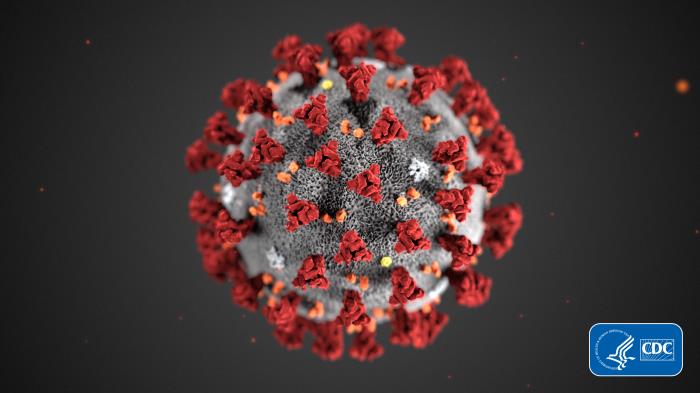
an illustration of the coronavirus with its characteristic surface spikes
This illustration, created at the Centers for Disease Control and Prevention (CDC), reveals ultrastructural morphology exhibited by coronaviruses. Note the spikes that adorn the outer surface of the virus, which impart the look of a corona surrounding the virion, when viewed electron microscopically. A novel coronavirus, named Severe Acute Respiratory Syndrome coronavirus 2 (SARS-CoV-2), was identified as the cause of an outbreak of respiratory illness first detected in Wuhan, China in 2019. The illness caused by this virus has been named coronavirus disease 2019 (COVID-19).CDC/ Alissa Eckert, MSMI; Dan Higgins, MAMS

A researcher at the Johns Hopkins Bloomberg School of Public Health examined the long term effects of COVID on the heart.

“Until now, people who suffered mild or asymptomatic COVID-19 were thought to have dodged the brunt of the virus’s brutal side effects.

But new evidence has revealed that anyone infected with COVID is at higher risk for heart issues—including clots, inflammation, and arrhythmias (irregular beats)—a risk that persists even in relatively healthy people long after the illness has passed.”

Read the article at this link-

COVID and the Heart: It Spares No One

exploring the HEART of health
a world globe with two crossed bandaids

Doctor Aletha

COVID-19 update- Using Community Levels to guide prevention

COVID-19 Community Levels are a new tool to help communities decide what prevention steps to take based on the latest data. Levels can be low, medium, or high and are determined by looking at hospital beds being used, hospital admissions, and the total number of new COVID-19 cases in an area. 

This information is current as of the date of original publication or update. It may have changed by the time you read this. I invite you to fact-check what you read here.

This information is not intended for diagnosis or treatment. Before making health decisions, discuss with your physician or other qualified healthcare provider to decide what is right for you.

There’s another COVID guideline update from the CDC, different from previous ones. The new guideline is community specific, and enables us to make smart, informed choices about what we do to mitigate viral spread.

Know Your COVID-19 Community Level

COVID-19 Community Levels are a new tool to help communities decide what prevention steps to take based on the latest data. Levels can be low, medium, or high and are determined by looking at hospital beds being used, hospital admissions, and the total number of new COVID-19 cases in an area. 

Take precautions to protect yourself and others from COVID-19 based on the COVID-19 Community Level in your area. Find your county’s numbers at this link.

COVID-19 County Check

What Prevention Steps Should You Take Based on Your COVID-19 Community Level?

LOW

MEDIUM

HIGH

People may choose to mask at any time. People with symptoms, a positive test, or exposure to someone with COVID-19 should wear a mask.

My thoughts

I usually post the CDC guidelines without comments but this time I will. These new guidelines should be welcome for those who don’t like wearing a mask (as if any of us do) and think it should be “personal preference”.

COVID-19 has not disappeared, and possibly never will.

So as it says above anyone may still wear a mask any time they prefer, and should be able to do so without being ridiculed, teased, criticized, or any other form of harrassment. Anyone should feel free to avoid large crowded events. And guests should respect their host’s preference for guidelines in their home or event.

Anyone with COVID symptoms or diagnosed COVID should avoid contact with other people, even if the others are immune.

DO NOT GO TO WORK SICK.

The previous guidelines concerning symptoms, testing, isolation, guarantine, and vaccination are still in place.

update January 5, 2022

CDC now recommends that adolescents age 12 to 17 years old should receive a booster shot 5 months after their initial Pfizer-BioNTech vaccination series.

Data show that COVID-19 boosters help broaden and strengthen protection against Omicron and other SARS-CoV-2 variants. ACIP reviewed the available safety data following the administration of over 25 million vaccine doses in adolescents; COVID-19 vaccines are safe and effective.

At this time, only the Pfizer-BioNTech COVID-19 vaccine is authorized and recommended for adolescents aged 12-17.

Isolation and Quarantine

Every time I’ve done a COVID-19 update I think it will be the last, but I should know better by now. Unlike the others about vaccination, this one is about isolation-what you do if you are infected, and quarantine-what you do if you are exposed.

If You Test Positive for COVID-19 (Isolate)

Everyone, regardless of vaccination status.

  • Stay home for 5 days.
  • If you have no symptoms or your symptoms are resolving after 5 days, you can leave your house.
  • Continue to wear a mask around others for 5 additional days.

If you have a fever, continue to stay home until your fever resolves.

If You Were Exposed to Someone with COVID-19 (Quarantine)

If you:

Have been boosted
OR
Completed the primary series of Pfizer or Moderna vaccine within the last 6 months
OR
Completed the primary series of J&J vaccine within the last 2 months

  • Wear a mask around others for 10 days.
  • Test on day 5, if possible.

If you develop symptoms get a test and stay home.

If you:

Completed the primary series of Pfizer or Moderna vaccine over 6 months ago and are not boosted
OR
Completed the primary series of J&J over 2 months ago and are not boosted
OR
Are unvaccinated

  • Stay home for 5 days. After that continue to wear a mask around others for 5 additional days.
  • If you can’t quarantine you must wear a mask for 10 days.
  • Test on day 5 if possible.

If you develop symptoms get a test and stay home

This one comes with some confusion, which is nothing new for the isolation/quarantine guidelines. It also comes with some controversy; was the CDC director influenced by corporate needs, specifically the airline industry? And are these guidelines safe, do they risk returning infectious people to work and social life too soon ?

I don’t know the answer to those questions but I can give you answers from the top two public health officials in the United States.

“getting people back in half the time that they would have been out so they can get back to the workplace doing things that are important to keep society running smoothly.”

Dr.Anthony Fauci

 “CDC’s updated recommendations for isolation and quarantine balance what we know about the spread of the virus and the protection provided by vaccination and booster doses. These updates ensure people can safely continue their daily lives.”

CDC Director Dr. Rochelle Walensky
updated November 29,2021

Everyone ages 18 and older should get a booster shot

You may choose which COVID-19 vaccine you receive as a booster shot. Some people may prefer the vaccine type that they originally received, and others may prefer to get a different booster. CDC’s recommendations now allow for this type of mix and match dosing for booster shots. 

Studies show after getting vaccinated against COVID-19, protection against the virus and the ability to prevent infection with variants may decrease over time.

update-November 2, 2021

Today, CDC Director Rochelle P. Walensky, M.D., M.P.H., endorsed the CDC Advisory Committee on Immunization Practices’ (ACIP) recommendation that children 5 to 11 years old be vaccinated against COVID-19 with the Pfizer-BioNTech pediatric vaccine. 

CDC now expands vaccine recommendations to about 28 million children in the United States in this age group and allows providers to begin vaccinating them as soon as possible.

“Together, with science leading the charge, we have taken another important step forward in our nation’s fight against the virus that causes COVID-19. We know millions of parents are eager to get their children vaccinated and with this decision, we now have recommended that about 28 million children receive a COVID-19 vaccine.

As a mom, I encourage parents with questions to talk to their pediatrician, school nurse or local pharmacist to learn more about the vaccine and the importance of getting their children vaccinated.” 

Dr. Rochelle Walensky , CDC Director