How you can save a life; two things to know this month

It seems every month, week, and day there is an event for awareness of some condition, disease, disability or other designated group. I can’t keep track of all of them, much less observe them all, but September is designated for awareness of two conditions that I want to mention.

Childhood cancer is ,fortunately, an uncommon disease compared to other conditions but still ranks within the top 5 causes of death in children and adolescents. Because so relatively few cases occur, there has not been as much research done and therefore not as many drugs or treatments available as other diseases.

One of the first patients I cared for when I started practicing over 30 years ago was a 5 year old boy who developed a brain tumor. With treatment he lived about a year following diagnosis, leaving his parents and siblings devastated. I am sad  to realize that he would now be a young man, probably with children of his own.

About 6 weeks ago,  my friend’s 13 year old son  was diagnosed with a form of leukemia. Both she and her husband are physicians so they are familiar with the seriousness of his illness, as well as the potential risks of the treatment. But they are fighting the disease with the best medical care available, as well as  many people’s prayers,and are hopeful for a full recovery.

Even When I’m Gone is a song written and recorded about Kendall, a 17 year old girl who died from leukemia. She dreamed of sharing the story of her struggle and helping others also afflicted. ( this is an affiliate link from which this blog can earn a commission from purchases)

September is also recognized as Suicide Prevention Month.

Leading causes of death in the United States by age, most recent statistics
As the chart illustrates, suicide ranks within the top ten causes of death for everyone except the youngest and the oldest of us. And like other forms of violence, suicide should be preventable.

The Veteran’s Administration has made the prevention of veteran suicide a priority. It is a tragedy that any person would cause their own death. And it is hard to understand how someone who has survived the rigors of military training and service would later want to take their own life.

My husband, a VietNam veteran, recently reached out to a young veteran whose family is concerned. While serving in Afghanistan, this soldier’s team was ambushed; one soldier was blown apart by an IED (improvised explosive device). The veteran finds it hard to talk about what happened, and has become withdrawn. My husband shared his traumatic experience in VietNam and encouraged the ex-soldier to find someone to talk to and process the feelings about what happened. And we are praying for peace and healing also.

If you know a veteran, follow this link to learn how you can recognize behavior that might lead to suicide and how you can help.

If you are a veteran, I thank you for serving our country and urge you to receive the help that you gave us; call the crisis line at 1-800-272-8255, press 1 .
Contact the veterans' crisis line for help.
Contact the veterans’ crisis line for help.
This is a short post so I encourage you to visit the links which have information worth your time. And please share what you learn on your blogs, social media and email. Let’s all be “aware”- you may save a life.

How do you want to die?

If, like me, you don’t listen to rap often, you may need to watch this video more than once to get the message. Dr. Zubin Damania, aka ZDoggMD, is a “physician, off-white rapper, and purveyor of the finest medical satire.” In this video and others he uses unconventional means to educate and inform about important health issues. This video caught my attention and I hope it does yours also.

We, meaning doctors and patients, care much about how we live, but often give little attention to how we die. But death, after birth, is the single thing we all share as humans. Still, we live like it’s not going to happen, or act surprised when it does.


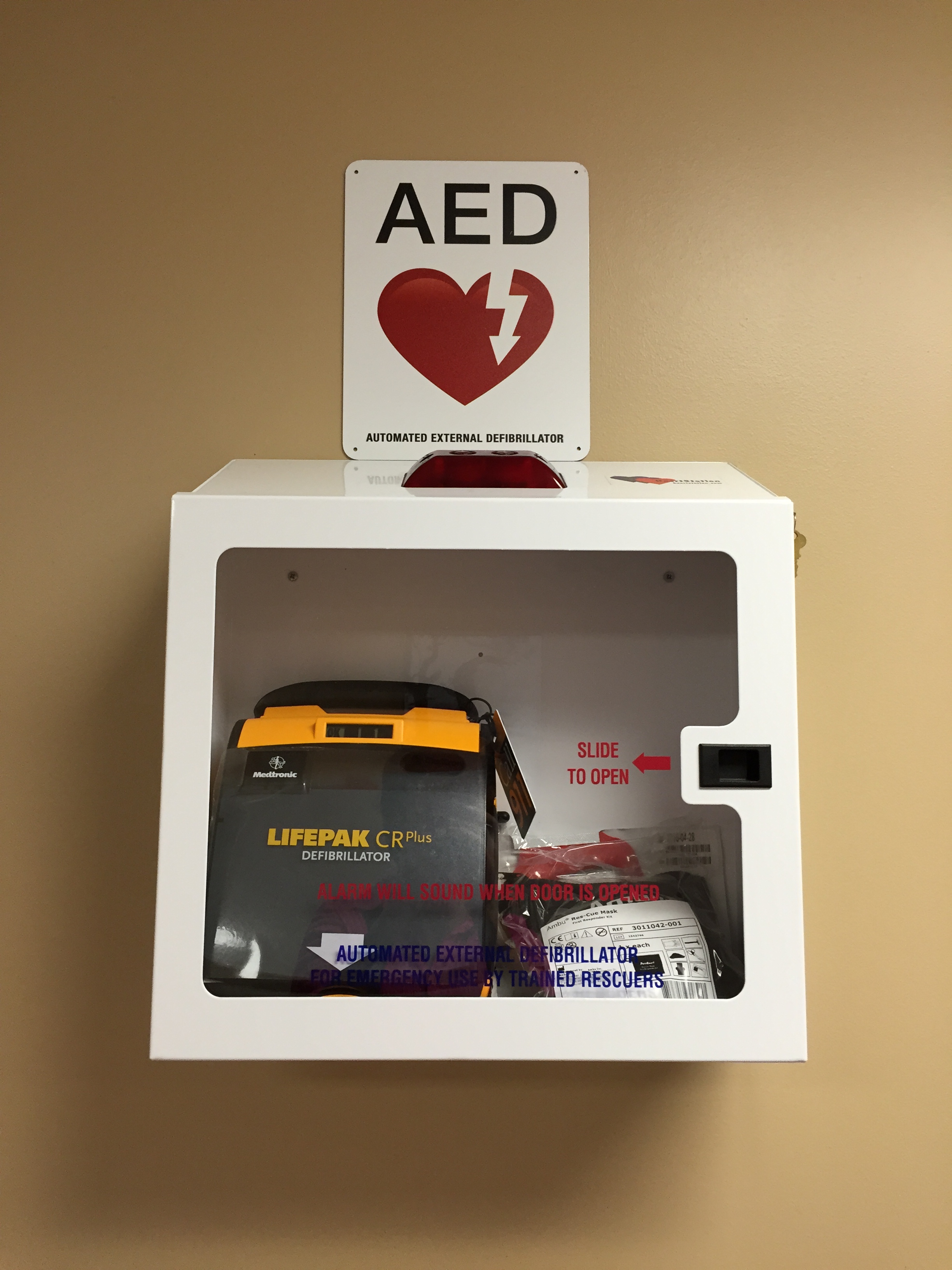
Fewer than 10% of persons with sudden cardiac arrest survive.
Death should never be welcome, and it will never be easy, but sometimes it is more horrible than it has to be because no one planned for it. No one asked the hard questions-

“What if you are diagnosed with a terminal illness?”

“What if you can no longer swallow or eat on your own?”

“What if you cannot breath unassisted?”

“What if you are no longer competent to make your own medical decisions?”


End of life planning is not synonymous with ending care or euthanasia. It is about providing comfort, controlling pain and other symptoms and supporting family. It’s about deciding ahead of time how you want to spend the last few months, weeks, days or hours of your life.

End of life care is often provided through hospice services. 

No matter how young or old you are ,it is important to consider these things, because unexpected illness and injury can happen to anyone. There are two things to do-


Talk- to your family about what you want. If you  already have a life threatening condition, talk to your doctors.

Write- down what you want. This is usually in the form of an advanced directive, living will or medical power of attorney. You can learn how to do this here.


Advance directives are discussions or written statements which convey a person’s wishes to his or her family and physician in the event that he or she becomes unable to discuss such matters. They may

1. explain the individual’s values about health, life and death;

2. give directions to family and physician about treatment goals or the use or non-use of specific treatment modalities; or

3.  designate a surrogate to make decisions on behalf of the individual.

After completing an advance directive, the individual should discuss its content and meaning with his or her family, surrogate, and physician. Individuals should review their advance directives periodically to assure that they accurately reflect their current values and wishes.”(CMDA Ethics Statement)

My husband and I  have advance directives,and we discuss our wishes with each other periodically to confirm what our current  plans are. We both prefer to forgo aggressive treatments which are likely to be futile, but you may feel differently; it is important for your family to know.


It is also important to understand what your physician thinks and believes about end of life care, and how those beliefs affect one’s medical practice. Ideally, you and your doctor will agree on expectations and if not, it may be best to seek care elsewhere.


“Clinicians should examine carefully the verbal and written wishes expressed by their patients. They should be willing to follow these wishes provided they do not conflict with the clinician’s personal moral or religious values. If such a conflict exists, the clinician should discuss it with the patient and transfer care if the conflict cannot be resolved. ” (CMDA Ethics Statement)


“It always seems too soon until it’s too late. Talk about your end of life wishes now with those you love.” ZDoggMD


For further reading-

 How Doctors Die

Advance Directives and Do Not Resuscitate Orders.


“The End-of-Life Handbook” A Compassionate Guide to Connecting with and Caring for a Dying Loved One

(an affiliate link which pays this blog a commission for your purchase; thanks)

“This book address both the emotional and psychological issues associated with death and dying and the practical and medical realities typically dealt with at this time-unusual among titles in this subject area.

The authors, a psychologist and medical doctor, are passionate advocates for quality end-of-life care. Author Feldman’s background in positive psychology brings an emphasis on hope, inspiration, meaning, and human connection at the end of life to the book.

As medical technology progresses and life expectancies edge upward, families are being faced with ever-more-complicated choices as loved ones approach their final hours. This book offers readers much-needed guidance and support for making these often difficult decisions.”